Products Category
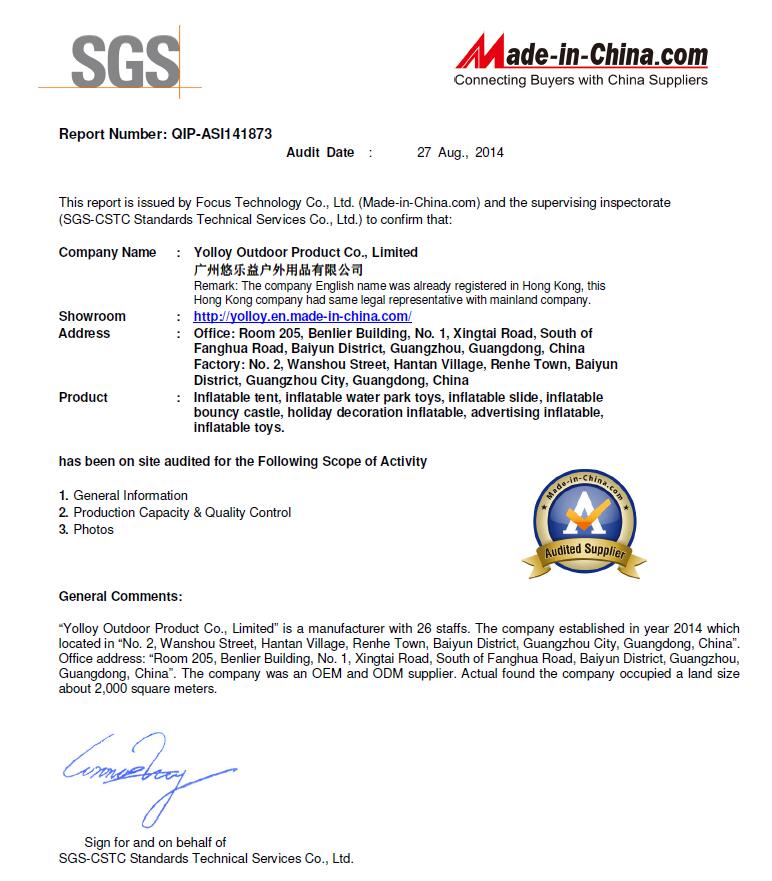
Certification

News

• New Order Successfully Finished for Long-Time Cooperated Japanese Client | YOLLOY Wins Full Client Recognition

• YOLLOY Custom Inflatable Pool Tent for Danish Client: Professional Pool Repair Shelter & Debris Protection

• Trusted Once Again! Greek Captain Re-orders Our Products After 4 Years

• Revolutionize Your Outdoors: The All-Terrain Inflatable Floating Tent for Land & Water

• Elevate Your Summer Fun: The Ultimate Inflatable Water Floating Volleyball Court Trampoline

• Innovative Inflatable Nightclub Tents & Pop-Up Bars: The Ultimate Solution for Portable Party Venues

Contact Us

Name: Sunny Yang
Tel: +86-20-8370 0771
Fax: +86-20-8370 0771
Mobile: 13570587575
E-mail: [email protected]
Add: No 5,Xiong wei Bo Nan Road,ZhongLuoTan Town,Baiyun district,Guangzhou,China
Friend me on Facebook Follow me on Twitter Add me to your circles Follow me on Pinterest Watch my channel on YouTube
News

Which floating tent is best for a lake?

Author:yolloy Date:2026/8/13 23:26:01

Spending a night on a calm lake under the open sky is a dream for many outdoor enthusiasts. A floating tent turns that dream into reality — offering a stable, comfortable platform where you can sleep, fish, or simply relax right on the water. But with different designs, materials, and sizes on the market, how do you pick the right one? Which floating tent is best for a lake? The short answer: a well-built inflatable floating tent from a professional manufacturer delivers the best combination of stability, durability, and ease of use — and the right choice comes down to how you plan to use it.

What Makes a Floating Tent Ideal for Lakes?

Lakes present unique conditions — generally calm water, occasional light wind, and varying depths near shore. A good lake floating tent needs to handle these conditions while keeping you dry and comfortable. The most important factors to evaluate include material quality, floor rigidity, anchoring system, and overall weight capacity.

Unlike ocean or river camping, lake camping with a floating tent is more forgiving. The water is typically still, and there are fewer currents to worry about. However, you still need a tent that can resist punctures from underwater branches, maintain its shape through temperature changes, and provide enough insulation from the water beneath. This is where professional-grade inflatable tents for camping really stand out.

Key Features to Look for in a Lake Floating Tent

1. Material Quality and Construction

The material is the foundation of any floating tent's performance. High-quality commercial-grade PVC tarpaulin is the industry standard for serious floating tents. At YOLLOY, we use reinforced PVC fabrics that have passed EN71, EN14960, and RoHS testing standards. These materials resist UV degradation, punctures, and abrasion — essential for a product that sits on water for hours at a time. The seams are heat-welded rather than glued, which creates a much stronger bond and prevents air leaks over time.

2. Floor Rigidity and Stability

A floating tent needs a rigid floor to stay stable on the water. Drop stitch technology — where thousands of polyester threads connect the top and bottom PVC layers — creates a board-like surface when inflated to the proper pressure (typically 2.5–3.5 PSI). This prevents the floor from sagging under weight and keeps the tent level even when multiple people move around inside. A rigid floor also makes the tent suitable for activities beyond sleeping, such as fishing, yoga, or photography.

3. Proper Anchoring System

Even on a calm lake, wind can push an unanchored floating tent. The best setup uses at least two anchor points on opposite corners, secured with marine-grade ropes to fixed objects like trees, weighted anchors, or dock posts. YOLLOY floating tents come with reinforced D-ring anchor points built into the structure, making it easy to secure the tent firmly without damaging the fabric.

Pro Tip: When choosing an inflatable tent for lake use, pay close attention to the blower system. A reliable electric blower that matches your local voltage (110V, 220V, or 380V) makes setup quick and effortless — typically under 10 minutes to full inflation.

Comparing Floating Tent Types for Lakes

Feature Basic Inflatable Mat PVC Drop Stitch Platform YOLLOY Custom Floating Tent
Material Single-layer PVC Dual-layer reinforced PVC Commercial-grade PVC tarpaulin / Oxford fabric options
Load Capacity 300–400 lbs 600–1,000 lbs Customizable to requirements
Floor Rigidity Soft, spongy Board-like firmness Board-like firmness with reinforced seams
Weather Resistance Limited UV protection Good UV protection Excellent — UV-stabilized materials
Customization None Limited colors Full custom — size, color, logo, windows, layout
Certifications Rarely certified Sometimes CE EN71, EN14960, RoHS, CE/UL blowers
Typical Lifespan 1–2 seasons 3–5 seasons 3+ years with proper maintenance

As the table shows, while basic inflatable mats work for occasional pool use, they lack the durability and stability needed for serious lake camping. A PVC drop stitch platform is a significant step up, and a custom-built commercial floating tent from a professional inflatable tent manufacturer offers the best balance of quality, customization, and long-term value.

Why YOLLOY Floating Tents Excel on Lakes

YOLLOY Outdoor Product Co., Limited is a specialized inflatable product manufacturer based in Guangzhou, China, with over a decade of experience designing and producing custom inflatable solutions for clients worldwide. Our floating tents and inflatable platforms are built specifically for outdoor commercial and recreational use, incorporating features that make them ideal for lake environments.

Custom Design to Your Exact Needs

Every lake is different, and every camper has unique preferences. YOLLOY offers fully custom design services — from the initial concept to the final production. Whether you need a compact two-person floating tent with mesh windows for summer evenings, or a large multi-room platform for family lake camping, our design team creates simulation renderings from your specifications and revises until you are completely satisfied before production begins.

Built-in Safety and Durability

All YOLLOY floating tents are manufactured with precision sewing equipment, reinforced seams, waterproof nylon thread, and additional reinforcement at high-load areas. Airtight sections use high-temperature fusion welding equipment for maximum reliability. Each product is inspected and tested before shipment, and every order includes a repair kit for on-the-go maintenance. Our blowers meet CE or UL requirements, ensuring safe and reliable operation.

Flexible Sizing and Accessories

From small personal platforms to large commercial setups, YOLLOY can build floating tents in virtually any size. Custom features like clear PVC windows for panoramic lake views, mesh ventilation panels for airflow, detachable canopies for shade, and integrated storage pockets can all be incorporated. The minimum order quantity is just one piece, so you do not need to commit to bulk orders to get a custom-built product.

Setup and Maintenance Tips for Lake Floating Tents

Setting Up Your Floating Tent

  • Choose a calm, debris-free area: Clear the water surface of floating branches or sharp objects before inflating.
  • Use the right pump: A high-volume electric pump gets the job done in 8–12 minutes. YOLLOY can supply blowers matched to your voltage requirements.
  • Anchor before use: Secure at least two diagonal anchor points before stepping onto the tent. Use marine-grade ropes and ensure the knots are tight.
  • Check inflation pressure: The floor should feel firm, like a trampoline — not soft or squishy. Proper pressure ensures stability and prevents water pooling.

Maintenance for Long Life

  • Rinse after each use: Freshwater algae and minerals can degrade PVC over time. A quick rinse with clean water after each lake trip extends the life of your tent.
  • Dry completely before storage: Fold and store only when the tent is fully dry to prevent mildew and seam damage.
  • Store in a cool, dry place: Avoid extreme temperatures and direct sunlight when storing for long periods.
  • Inspect seams regularly: Check for any signs of wear, especially around anchor points and corners, and use the included repair kit for minor fixes.

Safety Considerations

While floating tents are designed for stability and comfort, safety should always come first. Always wear a personal flotation device (PFD) when approaching or leaving the tent, especially in deeper water. Never use a floating tent in rough weather, strong winds, or waters with boat traffic. Make sure the tent is properly anchored before allowing children or elderly users on board. The low center of gravity and non-slip surface of a well-designed floating tent make it one of the safest water recreation platforms available, but responsible use is essential.

Which Floating Tent Is Best for Your Lake?

If you are looking for the best floating tent for a lake, here is a simple guide based on your primary use case:

  • For solo fishing or relaxation: A compact 8ft × 6ft floating platform with drop stitch floor and optional shade canopy provides the perfect personal retreat.
  • For couples or small families: A 10ft × 8ft floating tent with mesh windows, a waterproof canopy, and a rigid air floor gives you space for 2–3 people to sleep comfortably overnight.
  • For commercial use or large groups: A custom multi-room floating tent with clear viewing windows, separate sleeping areas, and reinforced anchoring handles large groups and delivers a premium experience.

Bottom Line: The best floating tent for a lake balances durability, stability, comfort, and customization. YOLLOY's inflatable tents for camping check all these boxes — built to professional standards with commercial-grade materials, certified safety compliance, and full custom design capabilities. Need a solo fishing platform? A family weekend retreat? A commercial floating setup for your business? YOLLOY builds each one to order, with a minimum of just one piece. Reach out to our team at [email protected] and start designing your lake floating tent today.

Which floating tent is best for a lake?

Author:yolloy Date:2026/8/13 23:26:01

Spending a night on a calm lake under the open sky is a dream for many outdoor enthusiasts. A floating tent turns that dream into reality — offering a stable, comfortable platform where you can sleep, fish, or simply relax right on the water. But with different designs, materials, and sizes on the market, how do you pick the right one? Which floating tent is best for a lake? The short answer: a well-built inflatable floating tent from a professional manufacturer delivers the best combination of stability, durability, and ease of use — and the right choice comes down to how you plan to use it.

What Makes a Floating Tent Ideal for Lakes?

Lakes present unique conditions — generally calm water, occasional light wind, and varying depths near shore. A good lake floating tent needs to handle these conditions while keeping you dry and comfortable. The most important factors to evaluate include material quality, floor rigidity, anchoring system, and overall weight capacity.

Unlike ocean or river camping, lake camping with a floating tent is more forgiving. The water is typically still, and there are fewer currents to worry about. However, you still need a tent that can resist punctures from underwater branches, maintain its shape through temperature changes, and provide enough insulation from the water beneath. This is where professional-grade inflatable tents for camping really stand out.

Key Features to Look for in a Lake Floating Tent

1. Material Quality and Construction

The material is the foundation of any floating tent's performance. High-quality commercial-grade PVC tarpaulin is the industry standard for serious floating tents. At YOLLOY, we use reinforced PVC fabrics that have passed EN71, EN14960, and RoHS testing standards. These materials resist UV degradation, punctures, and abrasion — essential for a product that sits on water for hours at a time. The seams are heat-welded rather than glued, which creates a much stronger bond and prevents air leaks over time.

2. Floor Rigidity and Stability

A floating tent needs a rigid floor to stay stable on the water. Drop stitch technology — where thousands of polyester threads connect the top and bottom PVC layers — creates a board-like surface when inflated to the proper pressure (typically 2.5–3.5 PSI). This prevents the floor from sagging under weight and keeps the tent level even when multiple people move around inside. A rigid floor also makes the tent suitable for activities beyond sleeping, such as fishing, yoga, or photography.

3. Proper Anchoring System

Even on a calm lake, wind can push an unanchored floating tent. The best setup uses at least two anchor points on opposite corners, secured with marine-grade ropes to fixed objects like trees, weighted anchors, or dock posts. YOLLOY floating tents come with reinforced D-ring anchor points built into the structure, making it easy to secure the tent firmly without damaging the fabric.

Pro Tip: When choosing an inflatable tent for lake use, pay close attention to the blower system. A reliable electric blower that matches your local voltage (110V, 220V, or 380V) makes setup quick and effortless — typically under 10 minutes to full inflation.

Comparing Floating Tent Types for Lakes

Feature Basic Inflatable Mat PVC Drop Stitch Platform YOLLOY Custom Floating Tent
Material Single-layer PVC Dual-layer reinforced PVC Commercial-grade PVC tarpaulin / Oxford fabric options
Load Capacity 300–400 lbs 600–1,000 lbs Customizable to requirements
Floor Rigidity Soft, spongy Board-like firmness Board-like firmness with reinforced seams
Weather Resistance Limited UV protection Good UV protection Excellent — UV-stabilized materials
Customization None Limited colors Full custom — size, color, logo, windows, layout
Certifications Rarely certified Sometimes CE EN71, EN14960, RoHS, CE/UL blowers
Typical Lifespan 1–2 seasons 3–5 seasons 3+ years with proper maintenance

As the table shows, while basic inflatable mats work for occasional pool use, they lack the durability and stability needed for serious lake camping. A PVC drop stitch platform is a significant step up, and a custom-built commercial floating tent from a professional inflatable tent manufacturer offers the best balance of quality, customization, and long-term value.

Why YOLLOY Floating Tents Excel on Lakes

YOLLOY Outdoor Product Co., Limited is a specialized inflatable product manufacturer based in Guangzhou, China, with over a decade of experience designing and producing custom inflatable solutions for clients worldwide. Our floating tents and inflatable platforms are built specifically for outdoor commercial and recreational use, incorporating features that make them ideal for lake environments.

Custom Design to Your Exact Needs

Every lake is different, and every camper has unique preferences. YOLLOY offers fully custom design services — from the initial concept to the final production. Whether you need a compact two-person floating tent with mesh windows for summer evenings, or a large multi-room platform for family lake camping, our design team creates simulation renderings from your specifications and revises until you are completely satisfied before production begins.

Built-in Safety and Durability

All YOLLOY floating tents are manufactured with precision sewing equipment, reinforced seams, waterproof nylon thread, and additional reinforcement at high-load areas. Airtight sections use high-temperature fusion welding equipment for maximum reliability. Each product is inspected and tested before shipment, and every order includes a repair kit for on-the-go maintenance. Our blowers meet CE or UL requirements, ensuring safe and reliable operation.

Flexible Sizing and Accessories

From small personal platforms to large commercial setups, YOLLOY can build floating tents in virtually any size. Custom features like clear PVC windows for panoramic lake views, mesh ventilation panels for airflow, detachable canopies for shade, and integrated storage pockets can all be incorporated. The minimum order quantity is just one piece, so you do not need to commit to bulk orders to get a custom-built product.

Setup and Maintenance Tips for Lake Floating Tents

Setting Up Your Floating Tent

  • Choose a calm, debris-free area: Clear the water surface of floating branches or sharp objects before inflating.
  • Use the right pump: A high-volume electric pump gets the job done in 8–12 minutes. YOLLOY can supply blowers matched to your voltage requirements.
  • Anchor before use: Secure at least two diagonal anchor points before stepping onto the tent. Use marine-grade ropes and ensure the knots are tight.
  • Check inflation pressure: The floor should feel firm, like a trampoline — not soft or squishy. Proper pressure ensures stability and prevents water pooling.

Maintenance for Long Life

  • Rinse after each use: Freshwater algae and minerals can degrade PVC over time. A quick rinse with clean water after each lake trip extends the life of your tent.
  • Dry completely before storage: Fold and store only when the tent is fully dry to prevent mildew and seam damage.
  • Store in a cool, dry place: Avoid extreme temperatures and direct sunlight when storing for long periods.
  • Inspect seams regularly: Check for any signs of wear, especially around anchor points and corners, and use the included repair kit for minor fixes.

Safety Considerations

While floating tents are designed for stability and comfort, safety should always come first. Always wear a personal flotation device (PFD) when approaching or leaving the tent, especially in deeper water. Never use a floating tent in rough weather, strong winds, or waters with boat traffic. Make sure the tent is properly anchored before allowing children or elderly users on board. The low center of gravity and non-slip surface of a well-designed floating tent make it one of the safest water recreation platforms available, but responsible use is essential.

Which Floating Tent Is Best for Your Lake?

If you are looking for the best floating tent for a lake, here is a simple guide based on your primary use case:

  • For solo fishing or relaxation: A compact 8ft × 6ft floating platform with drop stitch floor and optional shade canopy provides the perfect personal retreat.
  • For couples or small families: A 10ft × 8ft floating tent with mesh windows, a waterproof canopy, and a rigid air floor gives you space for 2–3 people to sleep comfortably overnight.
  • For commercial use or large groups: A custom multi-room floating tent with clear viewing windows, separate sleeping areas, and reinforced anchoring handles large groups and delivers a premium experience.

Bottom Line: The best floating tent for a lake balances durability, stability, comfort, and customization. YOLLOY's inflatable tents for camping check all these boxes — built to professional standards with commercial-grade materials, certified safety compliance, and full custom design capabilities. Need a solo fishing platform? A family weekend retreat? A commercial floating setup for your business? YOLLOY builds each one to order, with a minimum of just one piece. Reach out to our team at [email protected] and start designing your lake floating tent today.