Products Category
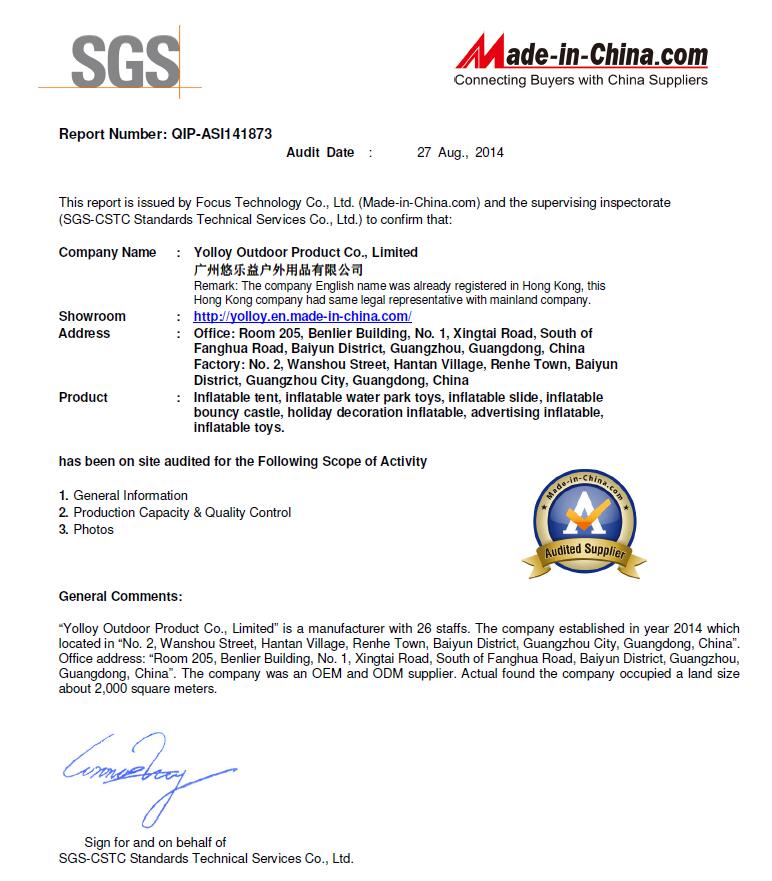
Certification

News

• New Order Successfully Finished for Long-Time Cooperated Japanese Client | YOLLOY Wins Full Client Recognition

• YOLLOY Custom Inflatable Pool Tent for Danish Client: Professional Pool Repair Shelter & Debris Protection

• Trusted Once Again! Greek Captain Re-orders Our Products After 4 Years

• Revolutionize Your Outdoors: The All-Terrain Inflatable Floating Tent for Land & Water

• Elevate Your Summer Fun: The Ultimate Inflatable Water Floating Volleyball Court Trampoline

• Innovative Inflatable Nightclub Tents & Pop-Up Bars: The Ultimate Solution for Portable Party Venues

Contact Us

Name: Sunny Yang
Tel: +86-20-8370 0771
Fax: +86-20-8370 0771
Mobile: 13570587575
E-mail: [email protected]
Add: No 5,Xiong wei Bo Nan Road,ZhongLuoTan Town,Baiyun district,Guangzhou,China
Friend me on Facebook Follow me on Twitter Add me to your circles Follow me on Pinterest Watch my channel on YouTube
News

What is the best inflatable tent for snow cabins?

Author:yolloy Date:2026/8/13 22:25:35

When winter arrives and temperatures drop well below freezing, a standard tent simply won't cut it. Snow cabins—whether for backcountry ski trips, remote research stations, or winter glamping resorts—need shelters that combine structural integrity, thermal insulation, and rapid deployability. Inflatable tents have emerged as one of the most practical solutions for this demanding use case. But what makes a specific inflatable tent the best choice for snow cabins? The answer lies in a careful evaluation of materials, design, insulation, and where you source from.

Why Inflatable Tents Are Ideal for Snow Cabins

Traditional pole tents present several problems in snowy environments: aluminum poles become brittle and snap in extreme cold, setup requires multiple people in harsh conditions, and the structural rigidity often degrades as fabric stretches under snow load. Inflatable dome tents solve these issues with air-beam technology that maintains consistent tension regardless of temperature fluctuations. The air beams distribute snow load evenly across the structure, preventing the point-load failures that plague conventional pole tents. Setup time is also dramatically reduced—a properly designed inflatable tent can be fully deployed by one or two people in under ten minutes, which is critical when you are working in freezing conditions with limited daylight.

Key Features to Look for in a Snow Cabin Inflatable Tent

1. Material Grade and Weather Resistance

The single most important factor is the fabric. For snow cabin applications, the tent shell must withstand prolonged exposure to snow accumulation, wind-driven ice particles, and UV radiation at altitude. Commercial-grade PVC tarpaulin with a thickness of at least 0.5mm provides the necessary durability, while Oxford fabric and TPU-coated materials offer lighter alternatives for less extreme conditions. Look for materials that have passed relevant safety testing standards such as EN71 and EN14960, which verify that the material is free from harmful substances and mechanically reliable. The waterproof rating should be at minimum 3000mm hydrostatic head, and all seams must be factory-taped or high-temperature welded—not merely stitched—to prevent water ingress through needle holes when snow melts and refreezes.

2. Structural Design for Snow Load

Dome-shaped and tunnel-shaped inflatable tents naturally shed snow better than flat-roofed designs. The curvature allows accumulated snow to slide off rather than compress the structure. Reinforced air beams with internal baffles prevent shifting under lateral wind loads, which is especially important when gusts exceed 40 mph—a common occurrence in alpine environments. The anchoring system is equally critical: D-ring or round metal anchor points should be integrated into the design at regular intervals, allowing you to secure the tent with ground stakes or snow anchors depending on the terrain.

Pro Tip: When evaluating a snow cabin tent, ask the manufacturer about the frame's maximum snow load capacity. Quality manufacturers can provide this specification based on engineering calculations, not estimates. YOLLOY, for example, designs its inflatable winter tents with reinforced high-load areas and precision-sewn waterproof nylon thread to handle challenging alpine conditions.

3. Insulation and Heating Compatibility

An inflatable tent for snow cabins must accommodate a heating source. The best designs include a dedicated stove jack or chimney port with flame-retardant silicone-coated fiberglass collars that prevent melting even after prolonged heat exposure. Double-wall construction with an inner layer that creates an insulating air gap significantly improves heat retention. Some premium models also feature clear PVC window panels that let in natural light during the day while maintaining thermal integrity—a feature that reduces the psychological strain of extended indoor stays during winter storms.

4. Setup Speed in Extreme Conditions

In sub-zero temperatures, every minute spent on setup matters. The best inflatable tents for snow cabins come with appropriately powered blowers rated for cold-weather operation. A quality blower should fully inflate the tent structure within 3 to 8 minutes, and the air beams should hold pressure overnight without requiring re-inflation. This is not a feature to compromise on—a blower that struggles in cold weather can turn a 5-minute setup into a 30-minute ordeal, increasing the risk of cold-weather injuries.

Comparing Inflatable Tent Types for Snow Cabins

Tent Type Best For Snow Load Capacity Typical Setup Time Insulation Level
Inflatable Dome Tent Research stations, glamping resorts High (curved roof sheds snow) 5–8 minutes High (double-wall available)
Inflatable Tunnel Tent Expedition basecamps, equipment storage Moderate to High 6–10 minutes Moderate
Clear Inflatable Dome Tent Scenic winter stays, event spaces Moderate 5–8 minutes Moderate (clear panels reduce insulation)
Inflatable Cube Tent Temporary housing, medical posts Low to Moderate 4–7 minutes High (with proper lining)

Why Sourcing from the Right Manufacturer Matters

The quality of an inflatable tent is ultimately determined by the manufacturer's engineering capabilities and quality control processes. A factory-direct approach offers several advantages: you can specify custom dimensions, materials, and features that match your exact snow cabin requirements; you receive products at wholesale pricing without intermediary markups; and you can verify certifications and test reports directly. YOLLOY Outdoor Product Co., Limited, based in Guangzhou, China, is a specialized inflatable tent manufacturer that provides custom design-to-production services. Their engineers prepare simulation renderings from customer proposals and revise designs until approval before releasing to factory production. This collaborative approach ensures that the final product is built to your exact specifications—whether that means a snow-load-rated dome for an alpine research station or a series of inflatable dome tents for a winter glamping operation.

Key quality indicators to look for when evaluating a manufacturer include: material certifications (EN71, EN14960, RoHS), blower compliance (CE or UL), reinforced seam construction with waterproof nylon thread, and high-temperature fusion welding for airtight sections. YOLLOY uses precision sewing equipment for sewn products and high-temperature welding for airtight products, with each unit inspected and tested before shipment. The company also supplies a repair kit with every inflatable product—an essential inclusion for remote snow cabin deployments where on-site repairs may be necessary.

Practical Considerations for Snow Cabin Deployment

Site Preparation

Before inflating your tent, compact the snow base to create a firm, level platform. Loose snow can shift under the tent floor, causing uneven pressure on the air beams. A snow shovel and tamper should be part of your deployment kit. For long-term installations, consider placing a groundsheet or insulated flooring layer beneath the tent to reduce heat loss through the floor.

Anchoring in Snow

Standard ground stakes are ineffective in deep snow. Use snow-specific anchors such as deadman anchors (buried objects attached to guylines), snow pegs with wide surface area, or ice screws for hard-packed surfaces. The tent's D-ring anchor points should be designed to accommodate these varied anchoring methods. Always angle anchors away from the tent at 45 degrees for maximum holding power.

Ventilation Management

A common mistake with snow cabin tents is sealing them too tightly. While insulation is important, adequate ventilation prevents condensation buildup, which can freeze on interior surfaces and reduce the tent's thermal efficiency. Look for designs that include adjustable mesh vents positioned high on the walls, allowing warm, moist air to escape while drawing in drier outside air from lower intake points.

What to Ask Before You Buy

When contacting a manufacturer about an inflatable tent for snow cabin use, have these questions ready:

  • What materials are used, and what certifications do they hold? Verify that the fabric has been tested for cold-weather performance and is free from harmful substances.
  • Can you provide engineering data on snow load capacity? A reputable manufacturer should be able to supply calculated load ratings, not just marketing claims.
  • Is a stove jack or chimney port included, and what is it made of? The chimney collar should be flame-retardant and heat-resistant, not just a simple fabric opening.
  • What blower specifications are needed for cold-weather operation? Ensure the blower is rated for the voltage available at your deployment site (110V, 220V, or 380V) and can function reliably in low temperatures.
  • What is the minimum order quantity and typical production lead time? Some manufacturers, including YOLLOY, accept orders as small as one piece with a production time of 6 to 15 days for standard products.
  • Is a repair kit included, and what does the warranty cover? In remote snow cabin locations, the ability to patch a puncture on-site is non-negotiable.

Final Verdict: The best inflatable tent for snow cabins is not a one-size-fits-all answer—it depends on your specific use case, deployment environment, and budget. However, the common thread among all top-performing options is a commitment to quality materials, thoughtful engineering, and manufacturer transparency. Dome-shaped inflatable tents with double-wall construction, reinforced air beams, and integrated stove compatibility consistently outperform alternatives in real-world alpine conditions. By working directly with an experienced manufacturer like YOLLOY, you gain access to custom design capabilities, material certifications, and factory-direct pricing—ensuring that your snow cabin tent is built to perform when winter conditions are at their most unforgiving.

This article is intended as a practical guide for buyers evaluating inflatable tent options for snow cabin applications. Always confirm specifications, certifications, and warranty terms directly with the manufacturer before making a purchasing decision.


What is the best inflatable tent for snow cabins?

Author:yolloy Date:2026/8/13 22:25:35

When winter arrives and temperatures drop well below freezing, a standard tent simply won't cut it. Snow cabins—whether for backcountry ski trips, remote research stations, or winter glamping resorts—need shelters that combine structural integrity, thermal insulation, and rapid deployability. Inflatable tents have emerged as one of the most practical solutions for this demanding use case. But what makes a specific inflatable tent the best choice for snow cabins? The answer lies in a careful evaluation of materials, design, insulation, and where you source from.

Why Inflatable Tents Are Ideal for Snow Cabins

Traditional pole tents present several problems in snowy environments: aluminum poles become brittle and snap in extreme cold, setup requires multiple people in harsh conditions, and the structural rigidity often degrades as fabric stretches under snow load. Inflatable dome tents solve these issues with air-beam technology that maintains consistent tension regardless of temperature fluctuations. The air beams distribute snow load evenly across the structure, preventing the point-load failures that plague conventional pole tents. Setup time is also dramatically reduced—a properly designed inflatable tent can be fully deployed by one or two people in under ten minutes, which is critical when you are working in freezing conditions with limited daylight.

Key Features to Look for in a Snow Cabin Inflatable Tent

1. Material Grade and Weather Resistance

The single most important factor is the fabric. For snow cabin applications, the tent shell must withstand prolonged exposure to snow accumulation, wind-driven ice particles, and UV radiation at altitude. Commercial-grade PVC tarpaulin with a thickness of at least 0.5mm provides the necessary durability, while Oxford fabric and TPU-coated materials offer lighter alternatives for less extreme conditions. Look for materials that have passed relevant safety testing standards such as EN71 and EN14960, which verify that the material is free from harmful substances and mechanically reliable. The waterproof rating should be at minimum 3000mm hydrostatic head, and all seams must be factory-taped or high-temperature welded—not merely stitched—to prevent water ingress through needle holes when snow melts and refreezes.

2. Structural Design for Snow Load

Dome-shaped and tunnel-shaped inflatable tents naturally shed snow better than flat-roofed designs. The curvature allows accumulated snow to slide off rather than compress the structure. Reinforced air beams with internal baffles prevent shifting under lateral wind loads, which is especially important when gusts exceed 40 mph—a common occurrence in alpine environments. The anchoring system is equally critical: D-ring or round metal anchor points should be integrated into the design at regular intervals, allowing you to secure the tent with ground stakes or snow anchors depending on the terrain.

Pro Tip: When evaluating a snow cabin tent, ask the manufacturer about the frame's maximum snow load capacity. Quality manufacturers can provide this specification based on engineering calculations, not estimates. YOLLOY, for example, designs its inflatable winter tents with reinforced high-load areas and precision-sewn waterproof nylon thread to handle challenging alpine conditions.

3. Insulation and Heating Compatibility

An inflatable tent for snow cabins must accommodate a heating source. The best designs include a dedicated stove jack or chimney port with flame-retardant silicone-coated fiberglass collars that prevent melting even after prolonged heat exposure. Double-wall construction with an inner layer that creates an insulating air gap significantly improves heat retention. Some premium models also feature clear PVC window panels that let in natural light during the day while maintaining thermal integrity—a feature that reduces the psychological strain of extended indoor stays during winter storms.

4. Setup Speed in Extreme Conditions

In sub-zero temperatures, every minute spent on setup matters. The best inflatable tents for snow cabins come with appropriately powered blowers rated for cold-weather operation. A quality blower should fully inflate the tent structure within 3 to 8 minutes, and the air beams should hold pressure overnight without requiring re-inflation. This is not a feature to compromise on—a blower that struggles in cold weather can turn a 5-minute setup into a 30-minute ordeal, increasing the risk of cold-weather injuries.

Comparing Inflatable Tent Types for Snow Cabins

Tent Type Best For Snow Load Capacity Typical Setup Time Insulation Level
Inflatable Dome Tent Research stations, glamping resorts High (curved roof sheds snow) 5–8 minutes High (double-wall available)
Inflatable Tunnel Tent Expedition basecamps, equipment storage Moderate to High 6–10 minutes Moderate
Clear Inflatable Dome Tent Scenic winter stays, event spaces Moderate 5–8 minutes Moderate (clear panels reduce insulation)
Inflatable Cube Tent Temporary housing, medical posts Low to Moderate 4–7 minutes High (with proper lining)

Why Sourcing from the Right Manufacturer Matters

The quality of an inflatable tent is ultimately determined by the manufacturer's engineering capabilities and quality control processes. A factory-direct approach offers several advantages: you can specify custom dimensions, materials, and features that match your exact snow cabin requirements; you receive products at wholesale pricing without intermediary markups; and you can verify certifications and test reports directly. YOLLOY Outdoor Product Co., Limited, based in Guangzhou, China, is a specialized inflatable tent manufacturer that provides custom design-to-production services. Their engineers prepare simulation renderings from customer proposals and revise designs until approval before releasing to factory production. This collaborative approach ensures that the final product is built to your exact specifications—whether that means a snow-load-rated dome for an alpine research station or a series of inflatable dome tents for a winter glamping operation.

Key quality indicators to look for when evaluating a manufacturer include: material certifications (EN71, EN14960, RoHS), blower compliance (CE or UL), reinforced seam construction with waterproof nylon thread, and high-temperature fusion welding for airtight sections. YOLLOY uses precision sewing equipment for sewn products and high-temperature welding for airtight products, with each unit inspected and tested before shipment. The company also supplies a repair kit with every inflatable product—an essential inclusion for remote snow cabin deployments where on-site repairs may be necessary.

Practical Considerations for Snow Cabin Deployment

Site Preparation

Before inflating your tent, compact the snow base to create a firm, level platform. Loose snow can shift under the tent floor, causing uneven pressure on the air beams. A snow shovel and tamper should be part of your deployment kit. For long-term installations, consider placing a groundsheet or insulated flooring layer beneath the tent to reduce heat loss through the floor.

Anchoring in Snow

Standard ground stakes are ineffective in deep snow. Use snow-specific anchors such as deadman anchors (buried objects attached to guylines), snow pegs with wide surface area, or ice screws for hard-packed surfaces. The tent's D-ring anchor points should be designed to accommodate these varied anchoring methods. Always angle anchors away from the tent at 45 degrees for maximum holding power.

Ventilation Management

A common mistake with snow cabin tents is sealing them too tightly. While insulation is important, adequate ventilation prevents condensation buildup, which can freeze on interior surfaces and reduce the tent's thermal efficiency. Look for designs that include adjustable mesh vents positioned high on the walls, allowing warm, moist air to escape while drawing in drier outside air from lower intake points.

What to Ask Before You Buy

When contacting a manufacturer about an inflatable tent for snow cabin use, have these questions ready:

  • What materials are used, and what certifications do they hold? Verify that the fabric has been tested for cold-weather performance and is free from harmful substances.
  • Can you provide engineering data on snow load capacity? A reputable manufacturer should be able to supply calculated load ratings, not just marketing claims.
  • Is a stove jack or chimney port included, and what is it made of? The chimney collar should be flame-retardant and heat-resistant, not just a simple fabric opening.
  • What blower specifications are needed for cold-weather operation? Ensure the blower is rated for the voltage available at your deployment site (110V, 220V, or 380V) and can function reliably in low temperatures.
  • What is the minimum order quantity and typical production lead time? Some manufacturers, including YOLLOY, accept orders as small as one piece with a production time of 6 to 15 days for standard products.
  • Is a repair kit included, and what does the warranty cover? In remote snow cabin locations, the ability to patch a puncture on-site is non-negotiable.

Final Verdict: The best inflatable tent for snow cabins is not a one-size-fits-all answer—it depends on your specific use case, deployment environment, and budget. However, the common thread among all top-performing options is a commitment to quality materials, thoughtful engineering, and manufacturer transparency. Dome-shaped inflatable tents with double-wall construction, reinforced air beams, and integrated stove compatibility consistently outperform alternatives in real-world alpine conditions. By working directly with an experienced manufacturer like YOLLOY, you gain access to custom design capabilities, material certifications, and factory-direct pricing—ensuring that your snow cabin tent is built to perform when winter conditions are at their most unforgiving.

This article is intended as a practical guide for buyers evaluating inflatable tent options for snow cabin applications. Always confirm specifications, certifications, and warranty terms directly with the manufacturer before making a purchasing decision.