A good night's sleep can make or break your camping experience. Whether you're car camping with family or heading into the backcountry, the right inflatable air mattress transforms a rough night on hard ground into restful, restorative sleep. But with so many options on the market, how do you choose the best inflatable air mattress for camping? This guide walks you through the essential factors to consider before making your purchase.
1. Material Quality: The Foundation of Durability
The material of your air mattress directly determines its durability, comfort, and lifespan. Most camping air mattresses are made from PVC tarpaulin, TPU, or Oxford fabric with waterproof coatings. Understanding these materials helps you make an informed decision.
PVC tarpaulin is the most common choice for camping air mattresses due to its excellent wear resistance, waterproof properties, and affordability. High-quality PVC with reinforced seams and waterproof nylon thread can withstand rough terrain and repeated use. TPU offers greater flexibility and environmental friendliness but comes at a higher price point. For those seeking lightweight options, Oxford fabric with PU coating provides a good balance of durability and portability.
When sourcing from an inflatable air mattress factory, look for manufacturers that use commercial-grade materials with certifications like EN71 and EN14960, which ensure the product meets international safety and quality standards. Precision sewing equipment, reinforced seams, and high-temperature fusion welding are indicators of a well-constructed mattress built to last.
2. Size and Thickness: Finding the Right Fit
Air mattresses come in a wide range of sizes, from compact single-person pads to queen-sized double mattresses. Consider your tent dimensions and the number of sleepers. A standard single mattress (around 75" x 25") works well for solo campers, while doubles (around 79" x 55") comfortably accommodate couples. For families, modular pads that can be connected side-by-side offer flexible sleeping arrangements.
Thickness is equally important. A 2-inch pad may suffice for back sleepers and lightweight individuals, but side sleepers need at least 3 to 4 inches of thickness to prevent uncomfortable pressure points on hips and shoulders. Raised air mattresses at 18 inches provide a bed-like feel and keep you further from the cold ground, but they are heavier and bulkier to transport. Choose based on whether you prioritize comfort or portability.
3. Pump Type and Inflation Speed
The pump mechanism significantly affects your camping setup experience. Built-in electric pumps offer the fastest inflation — typically 1 to 3 minutes — but require a power source, making them ideal for car camping at established campgrounds with electrical hookups. Foot pumps and hand pumps work anywhere without electricity but demand more physical effort.
Rechargeable USB pumps strike a middle ground, offering cordless convenience with reasonable inflation speed. Self-inflating mattresses use open-cell foam that expands automatically when the valve is opened, requiring only a few top-off breaths to reach full firmness. These are excellent for campers who value minimal setup time and hassle-free operation.
4. R-Value: Why Insulation Matters
R-value measures a mattress's ability to resist heat loss. The cold ground can rapidly draw warmth from your body, making insulation a critical factor you shouldn't overlook. An R-value under 2.0 is suitable only for warm summer nights. Values between 3.0 and 5.0 cover three-season camping, while anything above 5.0 is designed for winter expeditions and high-altitude conditions.
If you camp in varied climates, choose a mattress with an R-value of at least 3.0 to 4.0, which provides adequate insulation for most spring, summer, and fall trips. For cold-weather camping, invest in a higher R-value model to avoid running a power-hungry heater in your tent or camper.
5. Weight Capacity and Internal Structure
Always check the maximum weight capacity to ensure the mattress supports all sleepers comfortably, including any gear or blankets. Quality air mattresses use internal air coils or multi-chamber structures that distribute weight evenly and prevent sagging during the night. Vertical air coils provide noticeably better support than horizontal air beams, which can feel less stable when you shift positions.
Reinforced seams and high-temperature fusion welding are hallmarks of well-constructed mattresses that resist leaking and maintain consistent air pressure throughout the night. A non-slip bottom surface adds stability on tent floors, while a flocked top surface improves comfort for bare-skin contact.
6. Portability and Packability
For backpackers, weight and packed size are critical. Ultralight pads under 2 lbs can pack down to the size of a water bottle, making them ideal for multi-day treks. For car camping, bulkier but more comfortable raised mattresses are perfectly acceptable since you're not carrying them long distances.
When evaluating portability, consider whether the mattress comes with a carry bag and a repair kit. A repair kit is essential for quick field fixes on small punctures. Also check the deflation process — easy-deflation valves and compression straps make packing up significantly faster.
7. Why Your Supplier Matters
Choosing a reliable inflatable air mattress supplier is just as important as choosing the right product. A reputable inflatable air mattress factory will offer custom sizing, color options, and logo printing to match your brand or specific requirements. This is especially valuable for businesses ordering in bulk, event organizers, or rental companies that need consistent quality across every unit.
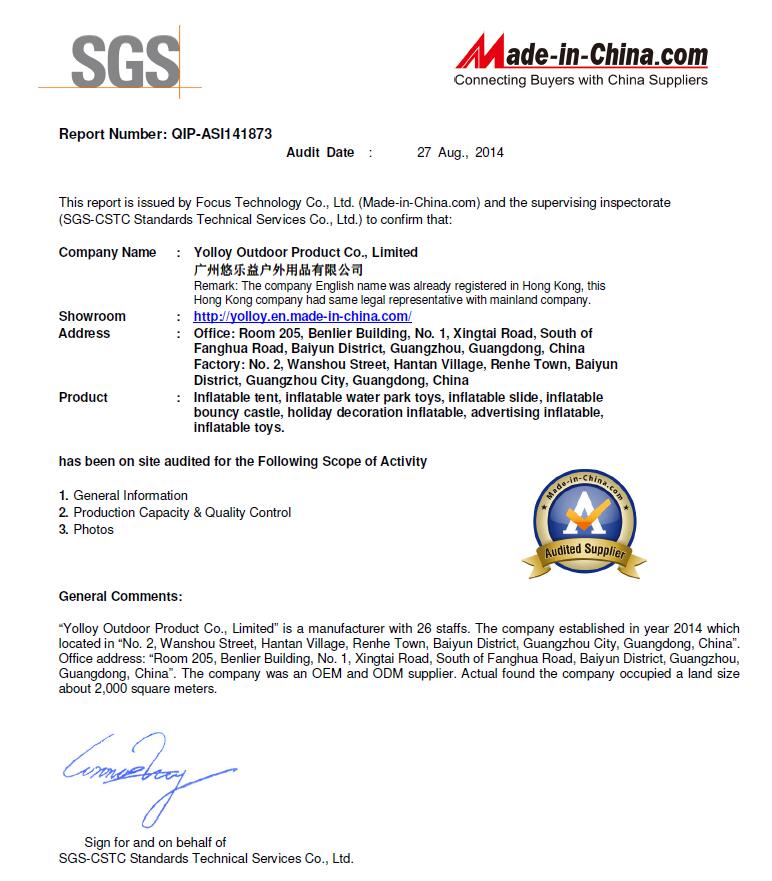
Look for manufacturers that provide quality certifications, use precision sewing equipment with reinforced seams, conduct thorough inspection and testing before shipment, and supply appropriately powered blowers for 110V, 220V, or 380V requirements. A responsive supplier that answers inquiries within 24 hours and maintains a high on-time delivery rate is a partner you can rely on for long-term cooperation.
8. Care and Maintenance Tips
To extend the life of your air mattress, always store it unrolled with valves open in a dry, climate-controlled space. Placing it under a bed, behind a sofa, or standing upright in a closet are excellent storage solutions that allow the internal foam or air chambers to remain expanded and dry. This preserves the mattress's self-inflating properties and structural integrity for years.
After each trip, wipe the surface clean with a damp cloth and mild soap to remove body oils, dirt, and moisture. Allow the mattress to air-dry completely before storage. Never store a wet mattress, even for a few days, as trapped moisture can quickly lead to mold growth and material degradation. Keep your repair kit handy for quick patches — a small puncture does not have to end your camping trip.
Conclusion
Choosing the best inflatable air mattress for camping comes down to understanding your specific needs: the camping environment, the number of sleepers, your comfort preferences, and your budget. By paying attention to material quality, thickness, insulation, pump type, and the reliability of your manufacturer, you can find a mattress that delivers restful nights under the stars for years to come. Whether you're a solo backpacker, a family camper, or a business looking for bulk orders, investing in a well-made air mattress from a trusted source is a decision you won't regret.