Products Category
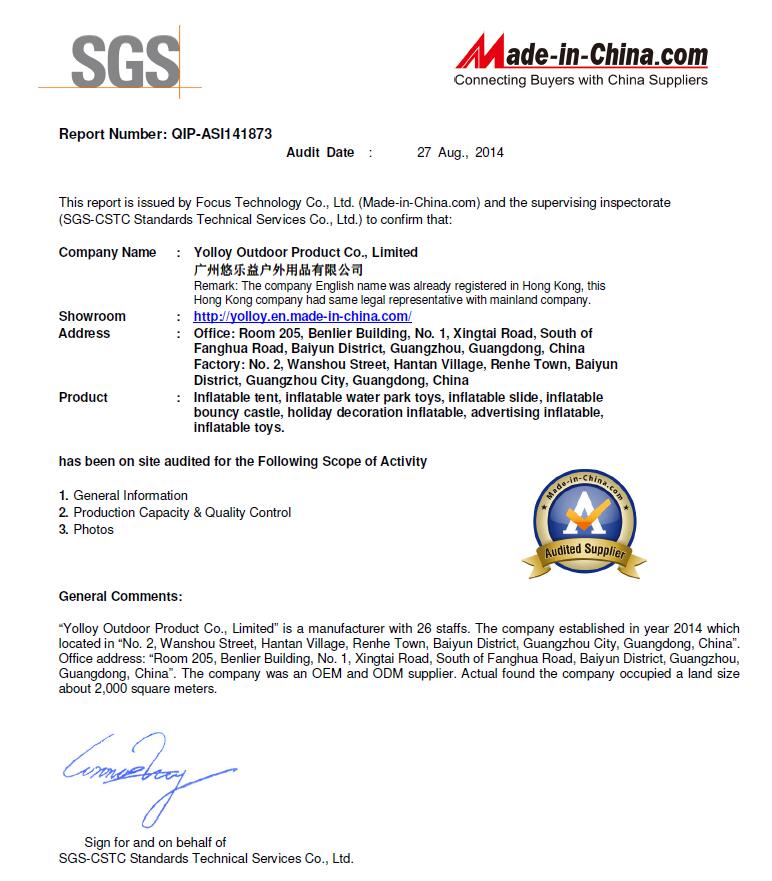
Certification

News

• New Order Successfully Finished for Long-Time Cooperated Japanese Client | YOLLOY Wins Full Client Recognition

• YOLLOY Custom Inflatable Pool Tent for Danish Client: Professional Pool Repair Shelter & Debris Protection

• Trusted Once Again! Greek Captain Re-orders Our Products After 4 Years

• Revolutionize Your Outdoors: The All-Terrain Inflatable Floating Tent for Land & Water

• Elevate Your Summer Fun: The Ultimate Inflatable Water Floating Volleyball Court Trampoline

• Innovative Inflatable Nightclub Tents & Pop-Up Bars: The Ultimate Solution for Portable Party Venues

Contact Us

Name: Sunny Yang
Tel: +86-20-8370 0771
Fax: +86-20-8370 0771
Mobile: 13570587575
E-mail: [email protected]
Add: No 5,Xiong wei Bo Nan Road,ZhongLuoTan Town,Baiyun district,Guangzhou,China
Friend me on Facebook Follow me on Twitter Add me to your circles Follow me on Pinterest Watch my channel on YouTube
News

How to choose inflatable tent camping for outdoor adventures?

Author:yolloy Date:2026/8/12 18:06:33

Camping has evolved far beyond the traditional pole-and-canvas setup. Today, more outdoor enthusiasts are turning to inflatable tents for their unmatched combination of convenience, comfort, and reliability. But with so many options on the market, knowing how to choose the right inflatable camping tent can feel overwhelming. This guide walks you through the key factors to consider so you can make a confident decision for your next outdoor adventure.

What Makes Inflatable Tents a Smart Choice for Camping

An inflatable tent replaces traditional metal or fiberglass poles with integrated air beams that form the tent's structural frame. Once inflated with a pump, these beams create a rigid, stable shelter — often in just a few minutes. This design eliminates the two biggest frustrations of traditional tents: tangled poles and time-consuming assembly.

For families, festival-goers, and casual campers, inflatable tent camping offers a dramatically simpler experience. There is no need to thread poles through narrow sleeves or figure out which segment goes where. Instead, you unpack, pump, and the tent essentially builds itself. This convenience does not come at the cost of performance — modern inflatable tents use high-grade materials that rival or exceed the durability of traditional designs.

Key Factors to Consider When Choosing an Inflatable Camping Tent

1. Material Quality and Construction

The longevity of an inflatable tent depends heavily on the materials used. Look for tents made with commercial-grade PVC tarpaulin or high-denier Oxford fabric. The air beams should be constructed with reinforced seams — ideally using high-temperature fusion welding rather than simple stitching, as welded seams provide superior airtightness and strength. Waterproof nylon thread and double-stitched reinforcement at high-load areas are signs of quality craftsmanship.

Quality inflatable tent manufacturers also pay attention to the fabric coatings. PU (polyurethane) coatings enhance water resistance, while UV-resistant treatments protect the tent from sun damage during extended outdoor use. If you plan to camp in varied conditions, ask about the specific material certifications — reputable manufacturers will have their materials tested to international standards such as EN71 and EN14960.

2. Tent Type and Design for Your Needs

Inflatable tents come in several configurations, each suited to different camping styles:

  • Dome tents — Curved air beams create a rounded shape that naturally sheds wind and rain. These are excellent all-rounders for most camping trips, offering good interior space and reliable weather protection.
  • Tunnel tents — Longitudinal air beams run the length of the tent, creating a spacious tunnel shape. These are ideal for families or groups who need generous headroom and multiple rooms.
  • Cube tents — With vertical walls and a flat roof, cube designs maximize usable interior space. They are particularly popular for events, glamping setups, and situations where standing room matters.
  • Clear dome tents — Transparent walls made from durable PVC offer panoramic views of the surrounding landscape. These are perfect for stargazing, scenic camping, and unique outdoor dining experiences.
  • Specialty tents — Car tents, party tents, sport tents, and emergency shelters each serve specific purposes. Consider whether a specialized design better matches your intended use.

Think about where and how you will use the tent most often. A weekend car camper has different needs than someone setting up a base camp for a week-long festival.

3. Weather Resistance and Durability

Weather resistance is non-negotiable for any camping tent. When evaluating an inflatable tent, pay attention to these features:

  • Waterproofing — The tent fabric should have a waterproof coating, and the floor should use a bathtub-style design with sealed seams to prevent ground moisture from seeping in. Check that zippers have storm flaps for added protection.
  • Wind resistance — D-ring or round metal anchor systems are essential for securing the tent in windy conditions. The tent should include enough guy lines and ground stakes. Dome-shaped designs generally handle wind better than boxy shapes because air flows more smoothly around curved surfaces.
  • Ventilation — Good airflow prevents condensation buildup inside the tent. Mesh panels, adjustable vents, and windows all contribute to a comfortable interior climate, especially in humid conditions.

A well-made inflatable tent from an experienced manufacturer will have been tested for real-world conditions. Look for brands that inspect and test every product before shipment — this attention to quality control makes a noticeable difference in how the tent performs over time.

4. Setup Speed and Portability

One of the biggest selling points of inflatable tents is how quickly they go up. Most models can be fully inflated in under ten minutes with an electric pump, and manual pumps serve as a reliable backup when power is not available. The inflation valves should be easy to access and operate — a dual-valve system with a one-way inner valve prevents air from escaping during inflation.

Portability matters too. When deflated, an inflatable tent packs down into a compact carry bag that fits easily in a car trunk or storage space. This is a significant advantage over traditional tents with rigid poles that are awkward to transport. The blower or pump should be supplied with the tent and available in the voltage that matches your region (110V, 220V, or 380V).

5. Size, Capacity, and Comfort

Manufacturers' capacity ratings are often optimistic. As a practical rule, a tent labeled for four people will comfortably sleep two adults with their gear. Consider the interior floor area and peak height — being able to stand up inside the tent transforms the camping experience, especially on multi-day trips where you spend more time inside due to weather.

Also think about extra features that enhance comfort: room dividers for privacy, storage pockets for organization, and vestibule areas for keeping muddy boots outside the sleeping area. These small details make a big difference in how enjoyable the tent is to live in.

Why Choose a Specialized Manufacturer

The quality of an inflatable tent is directly tied to the expertise of its manufacturer. Companies that specialize in inflatable products bring years of engineering knowledge to every tent they produce. They understand the behavior of air beams under load, the stress points that need reinforcement, and the material combinations that deliver the best balance of weight, strength, and durability.

For example, YOLLOY — a China-based inflatable product manufacturer with extensive experience in the outdoor and commercial tent market — designs and produces a wide range of inflatable tents including cube tents, tunnel tents, dome tents, clear bubble tents, party tents, and specialized models for events, sports, and emergency use. Their production process follows a custom design-to-production workflow: the design team prepares simulation renderings from customer requirements, refines the design until approval, and then moves it into factory production with precision sewing equipment and high-temperature fusion welding technology.

When sourcing an inflatable tent, look for a manufacturer that offers customization options — custom sizes, colors, and logo printing — along with a reasonable minimum order quantity and transparent production timelines. A responsive team that answers inquiries within 24 hours and provides a repair kit with each product is a strong indicator of reliable after-sales support.

Customization: Getting a Tent That Fits Your Exact Needs

One of the most valuable advantages of working directly with a manufacturer is the ability to customize. Whether you need a tent in specific dimensions for a unique venue, branded with your company logo for commercial use, or designed from a simple sketch or photograph, a capable manufacturer can turn your concept into a finished product.

Customization options typically include size adjustments, color selection, logo and artwork printing, blower voltage configuration, and material choices (Oxford fabric, nylon, TPU, or PVC tarpaulin depending on the application). The minimum order quantity from specialized manufacturers is often as low as one piece, making custom orders accessible even for individual buyers or small businesses.

Maintenance and Care Tips

Taking proper care of your inflatable tent extends its service life significantly. After each trip, clean the tent with mild soap and water, and make sure it is completely dry before packing it away. Storing a damp tent encourages mold and mildew, which can damage the fabric and compromise waterproofing. Keep the tent loosely folded in a cool, dry place — do not compress the air beams under heavy weight for extended periods.

Most inflatable tents come with a repair kit that includes PVC patches and adhesive for fixing small punctures. For minor leaks, applying a patch following the kit instructions is usually enough to restore full airtightness. Regularly inspect the air valves and seams for signs of wear, and address any issues promptly to prevent them from worsening.

Conclusion

Choosing the right inflatable camping tent comes down to understanding your specific needs and evaluating the tent's material quality, design, weather resistance, and the reputation of its manufacturer. By prioritizing well-constructed air beams, durable fabrics, and thoughtful design features, you can find a tent that delivers reliable shelter and comfort for years of outdoor adventures. Whether you are a family camper, an event organizer, or a business looking for branded inflatable shelters, investing in a tent from an experienced inflatable tent manufacturer is a decision that pays off every time you set up camp.



How to choose inflatable tent camping for outdoor adventures?

Author:yolloy Date:2026/8/12 18:06:33

Camping has evolved far beyond the traditional pole-and-canvas setup. Today, more outdoor enthusiasts are turning to inflatable tents for their unmatched combination of convenience, comfort, and reliability. But with so many options on the market, knowing how to choose the right inflatable camping tent can feel overwhelming. This guide walks you through the key factors to consider so you can make a confident decision for your next outdoor adventure.

What Makes Inflatable Tents a Smart Choice for Camping

An inflatable tent replaces traditional metal or fiberglass poles with integrated air beams that form the tent's structural frame. Once inflated with a pump, these beams create a rigid, stable shelter — often in just a few minutes. This design eliminates the two biggest frustrations of traditional tents: tangled poles and time-consuming assembly.

For families, festival-goers, and casual campers, inflatable tent camping offers a dramatically simpler experience. There is no need to thread poles through narrow sleeves or figure out which segment goes where. Instead, you unpack, pump, and the tent essentially builds itself. This convenience does not come at the cost of performance — modern inflatable tents use high-grade materials that rival or exceed the durability of traditional designs.

Key Factors to Consider When Choosing an Inflatable Camping Tent

1. Material Quality and Construction

The longevity of an inflatable tent depends heavily on the materials used. Look for tents made with commercial-grade PVC tarpaulin or high-denier Oxford fabric. The air beams should be constructed with reinforced seams — ideally using high-temperature fusion welding rather than simple stitching, as welded seams provide superior airtightness and strength. Waterproof nylon thread and double-stitched reinforcement at high-load areas are signs of quality craftsmanship.

Quality inflatable tent manufacturers also pay attention to the fabric coatings. PU (polyurethane) coatings enhance water resistance, while UV-resistant treatments protect the tent from sun damage during extended outdoor use. If you plan to camp in varied conditions, ask about the specific material certifications — reputable manufacturers will have their materials tested to international standards such as EN71 and EN14960.

2. Tent Type and Design for Your Needs

Inflatable tents come in several configurations, each suited to different camping styles:

  • Dome tents — Curved air beams create a rounded shape that naturally sheds wind and rain. These are excellent all-rounders for most camping trips, offering good interior space and reliable weather protection.
  • Tunnel tents — Longitudinal air beams run the length of the tent, creating a spacious tunnel shape. These are ideal for families or groups who need generous headroom and multiple rooms.
  • Cube tents — With vertical walls and a flat roof, cube designs maximize usable interior space. They are particularly popular for events, glamping setups, and situations where standing room matters.
  • Clear dome tents — Transparent walls made from durable PVC offer panoramic views of the surrounding landscape. These are perfect for stargazing, scenic camping, and unique outdoor dining experiences.
  • Specialty tents — Car tents, party tents, sport tents, and emergency shelters each serve specific purposes. Consider whether a specialized design better matches your intended use.

Think about where and how you will use the tent most often. A weekend car camper has different needs than someone setting up a base camp for a week-long festival.

3. Weather Resistance and Durability

Weather resistance is non-negotiable for any camping tent. When evaluating an inflatable tent, pay attention to these features:

  • Waterproofing — The tent fabric should have a waterproof coating, and the floor should use a bathtub-style design with sealed seams to prevent ground moisture from seeping in. Check that zippers have storm flaps for added protection.
  • Wind resistance — D-ring or round metal anchor systems are essential for securing the tent in windy conditions. The tent should include enough guy lines and ground stakes. Dome-shaped designs generally handle wind better than boxy shapes because air flows more smoothly around curved surfaces.
  • Ventilation — Good airflow prevents condensation buildup inside the tent. Mesh panels, adjustable vents, and windows all contribute to a comfortable interior climate, especially in humid conditions.

A well-made inflatable tent from an experienced manufacturer will have been tested for real-world conditions. Look for brands that inspect and test every product before shipment — this attention to quality control makes a noticeable difference in how the tent performs over time.

4. Setup Speed and Portability

One of the biggest selling points of inflatable tents is how quickly they go up. Most models can be fully inflated in under ten minutes with an electric pump, and manual pumps serve as a reliable backup when power is not available. The inflation valves should be easy to access and operate — a dual-valve system with a one-way inner valve prevents air from escaping during inflation.

Portability matters too. When deflated, an inflatable tent packs down into a compact carry bag that fits easily in a car trunk or storage space. This is a significant advantage over traditional tents with rigid poles that are awkward to transport. The blower or pump should be supplied with the tent and available in the voltage that matches your region (110V, 220V, or 380V).

5. Size, Capacity, and Comfort

Manufacturers' capacity ratings are often optimistic. As a practical rule, a tent labeled for four people will comfortably sleep two adults with their gear. Consider the interior floor area and peak height — being able to stand up inside the tent transforms the camping experience, especially on multi-day trips where you spend more time inside due to weather.

Also think about extra features that enhance comfort: room dividers for privacy, storage pockets for organization, and vestibule areas for keeping muddy boots outside the sleeping area. These small details make a big difference in how enjoyable the tent is to live in.

Why Choose a Specialized Manufacturer

The quality of an inflatable tent is directly tied to the expertise of its manufacturer. Companies that specialize in inflatable products bring years of engineering knowledge to every tent they produce. They understand the behavior of air beams under load, the stress points that need reinforcement, and the material combinations that deliver the best balance of weight, strength, and durability.

For example, YOLLOY — a China-based inflatable product manufacturer with extensive experience in the outdoor and commercial tent market — designs and produces a wide range of inflatable tents including cube tents, tunnel tents, dome tents, clear bubble tents, party tents, and specialized models for events, sports, and emergency use. Their production process follows a custom design-to-production workflow: the design team prepares simulation renderings from customer requirements, refines the design until approval, and then moves it into factory production with precision sewing equipment and high-temperature fusion welding technology.

When sourcing an inflatable tent, look for a manufacturer that offers customization options — custom sizes, colors, and logo printing — along with a reasonable minimum order quantity and transparent production timelines. A responsive team that answers inquiries within 24 hours and provides a repair kit with each product is a strong indicator of reliable after-sales support.

Customization: Getting a Tent That Fits Your Exact Needs

One of the most valuable advantages of working directly with a manufacturer is the ability to customize. Whether you need a tent in specific dimensions for a unique venue, branded with your company logo for commercial use, or designed from a simple sketch or photograph, a capable manufacturer can turn your concept into a finished product.

Customization options typically include size adjustments, color selection, logo and artwork printing, blower voltage configuration, and material choices (Oxford fabric, nylon, TPU, or PVC tarpaulin depending on the application). The minimum order quantity from specialized manufacturers is often as low as one piece, making custom orders accessible even for individual buyers or small businesses.

Maintenance and Care Tips

Taking proper care of your inflatable tent extends its service life significantly. After each trip, clean the tent with mild soap and water, and make sure it is completely dry before packing it away. Storing a damp tent encourages mold and mildew, which can damage the fabric and compromise waterproofing. Keep the tent loosely folded in a cool, dry place — do not compress the air beams under heavy weight for extended periods.

Most inflatable tents come with a repair kit that includes PVC patches and adhesive for fixing small punctures. For minor leaks, applying a patch following the kit instructions is usually enough to restore full airtightness. Regularly inspect the air valves and seams for signs of wear, and address any issues promptly to prevent them from worsening.

Conclusion

Choosing the right inflatable camping tent comes down to understanding your specific needs and evaluating the tent's material quality, design, weather resistance, and the reputation of its manufacturer. By prioritizing well-constructed air beams, durable fabrics, and thoughtful design features, you can find a tent that delivers reliable shelter and comfort for years of outdoor adventures. Whether you are a family camper, an event organizer, or a business looking for branded inflatable shelters, investing in a tent from an experienced inflatable tent manufacturer is a decision that pays off every time you set up camp.