Products Category
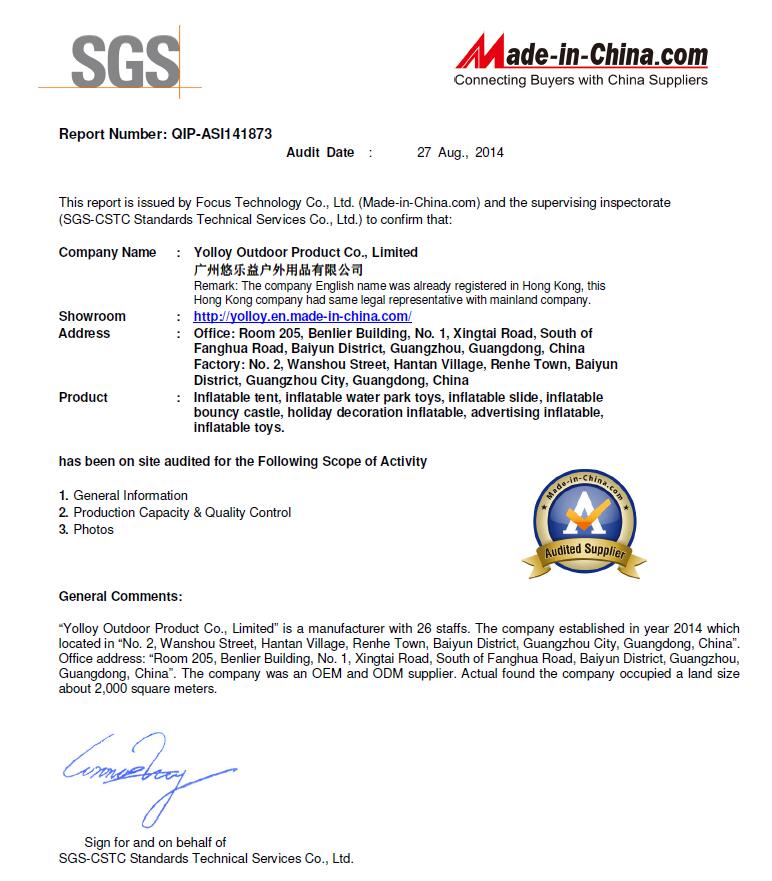
Certification

News

• New Order Successfully Finished for Long-Time Cooperated Japanese Client | YOLLOY Wins Full Client Recognition

• YOLLOY Custom Inflatable Pool Tent for Danish Client: Professional Pool Repair Shelter & Debris Protection

• Trusted Once Again! Greek Captain Re-orders Our Products After 4 Years

• Revolutionize Your Outdoors: The All-Terrain Inflatable Floating Tent for Land & Water

• Elevate Your Summer Fun: The Ultimate Inflatable Water Floating Volleyball Court Trampoline

• Innovative Inflatable Nightclub Tents & Pop-Up Bars: The Ultimate Solution for Portable Party Venues

Contact Us

Name: Sunny Yang
Tel: +86-20-8370 0771
Fax: +86-20-8370 0771
Mobile: 13570587575
E-mail: [email protected]
Add: No 5,Xiong wei Bo Nan Road,ZhongLuoTan Town,Baiyun district,Guangzhou,China
Friend me on Facebook Follow me on Twitter Add me to your circles Follow me on Pinterest Watch my channel on YouTube
News

What is the best auto detailing tent for vehicle detailing?

Author:yolloy Date:2026/8/13 5:54:51

If you run a mobile detailing business, operate a body shop, or simply take pride in maintaining your own vehicles, you have probably asked yourself this question: what is the best auto detailing tent for vehicle detailing? The answer depends on your specific needs — portability, durability, ventilation, and whether you need a sealed environment for paint correction or spray applications. In this guide, we break down everything you need to know to make an informed decision.

Why an Auto Detailing Tent Matters

Detailing a vehicle outdoors without any overhead protection is a gamble. Windborne dust, tree sap, bird droppings, and sudden rain showers can ruin hours of careful work in seconds. A dedicated detailing tent creates a controlled micro-environment that shields the vehicle from external contaminants while you work. This is especially important for professional detailers whose reputation depends on flawless results.

Beyond protection, a quality detailing tent also improves workflow. With proper lighting conditions and a contained workspace, you can see paint imperfections more clearly and apply ceramic coatings, waxes, and polishes with greater precision. For spray painting applications, an enclosed tent with ventilation is not just a convenience — it is a necessity for achieving consistent, contaminant-free finishes.

Key takeaway: A professional detailing tent does more than block the sun. It reduces airborne contaminant exposure, provides consistent lighting, and creates a professional image that builds customer trust.

Types of Detailing Tents: Inflatable vs. Traditional

There are two main categories of portable detailing shelters on the market today: traditional pole-and-canopy tents and inflatable structures. Understanding the differences will help you choose the right one.

FeatureTraditional Frame TentInflatable Detailing Tent
Setup Time20–45 minutes (2+ people)3–15 minutes (1 person)
PortabilityBulky, requires vehicle transportCompact, fits in a car trunk
Wind ResistanceModerate (depends on stakes)Excellent (continuous air pressure)
Sealed EnvironmentPartial (gaps at base)Full enclosure achievable
Durability5–10 years with care3–5 years with proper maintenance
Cost$200–$800$400–$1,200

For mobile detailers and paint correction specialists, inflatable tents have become the preferred choice. They set up quickly, pack down small, and provide a genuinely sealed workspace. Many leading inflatable tent manufacturers now offer models specifically designed for automotive detailing, with features like clear PVC windows for natural light, ventilation ports for airflow management, and heavy-duty anchoring systems for all-weather stability.

Key Features to Look for in a Detailing Tent

1. Material Quality and Construction

The fabric is the foundation of any good tent. Look for commercial-grade PVC tarpaulin or Oxford fabric with waterproof and UV-resistant coatings. Premium options use dual-layer materials — a tough outer shell for weather protection and a breathable inner layer that prevents condensation buildup inside the tent. The best tents sourced from china inflatable tent factories use high-temperature fusion welding for airtight seams rather than conventional stitching, which eliminates needle-puncture weak points and dramatically extends the structure's service life.

2. Ventilation and Airflow

When working with polishing compounds, ceramic coatings, or spray paint, proper ventilation is non-negotiable. A good detailing tent should include mesh windows or ventilation ports that can be opened or closed as needed. For spray booth applications, look for models with integrated filtration systems that capture overspray and vent fumes safely outside. Some advanced models include activated carbon filters that trap volatile organic compounds (VOCs), making them suitable for professional paint work in residential areas.

3. Size and Vehicle Compatibility

A tent that is too small will frustrate you every time you use it. Measure your largest vehicle — including mirrors — and add at least 3 feet of clearance on all sides for comfortable movement. Standard sizes range from 12×8 ft for compact cars to 20×12 ft for trucks and SUVs. Many inflatable camping tent manufacturers also offer custom sizing, which is ideal if you have an unusually large vehicle or need to accommodate multiple bays.

4. Setup Speed and Portability

Time is money in the detailing business. An inflatable tent that inflates in under 5 minutes with a single blower can save you 30 minutes per job compared to a traditional frame tent. When evaluating portability, check the packed dimensions and weight. A good inflatable tent should fold down to fit in a standard sedan trunk and weigh no more than 50 lbs including the blower. Look for models that come with a durable carrying bag with reinforced handles.

5. Customization and Branding

For professional detailers, your tent is a mobile billboard. Leading manufacturers offer custom color options, logo printing, and branding placement on the tent exterior. This transforms a functional piece of equipment into a marketing asset that builds brand recognition every time you set up at a client's location. Custom sizes, additional access points, and specialized window configurations are also commonly available when working directly with a factory.

Why Choose a Manufacturer-Direct Supplier

Buying directly from a factory rather than a reseller or marketplace platform offers several advantages that directly impact your bottom line and product quality:

  • Lower cost: Eliminating middlemen typically saves 20–40% on the purchase price.
  • Full customization: Factories can modify dimensions, colors, materials, and branding to your exact specifications — something resellers cannot offer.
  • Quality control transparency: Reputable manufacturers provide material certifications and testing reports. For example, YOLLOY Outdoor Product Co., Limited — a Guangzhou-based manufacturer — supplies products with materials that have passed EN71, EN14960, and RoHS testing, with blowers meeting CE or UL requirements.
  • Direct communication: Working with the factory means your design feedback goes straight to the production team, reducing miscommunication and revision cycles.
  • Low minimum order quantity: Many Chinese manufacturers, including YOLLOY, accept orders starting from just one piece, making them accessible to small businesses and individual detailers.

What to Expect from a Quality Manufacturer

When evaluating suppliers, here are the benchmarks a professional-grade manufacturer should meet:

CriteriaWhat to Look For
Production Time6–15 days for standard products; complex custom orders may take longer
Material TestingEN71, EN14960, RoHS compliance for materials; CE or UL for blowers
Sewing QualityPrecision sewing equipment, reinforced seams, waterproof nylon thread, extra reinforcement at stress points
InspectionFull product inspection and testing before shipment
Warranty3-year service life expectation with proper use and maintenance
PackagingSoft carpet protection, waterproof PVC bags, outer PE film; steel pallets for large items
ShippingAir (5–7 days) and sea (15–30+ days) options available
After-SalesRepair kit included with each product; inquiries answered within 24 hours

Setup and Maintenance Best Practices

Proper Inflation Technique

Getting the inflation right is critical for both performance and longevity. Always inflate the tent on a clean, debris-free surface. Use the blower provided by the manufacturer — these are matched to the tent's air volume requirements and may be available for 110V, 220V, or 380V power specifications. Inflate until all tubes feel firm but not rock-hard; over-inflation stresses seams and can cause premature failure. Most tents reach full inflation within 3–10 minutes, depending on size.

Anchoring for Windy Conditions

Even a heavy-duty inflatable tent needs proper anchoring. Use the D-ring or round metal anchor points built into the structure and secure them with ground stakes, sandbags, or concrete weights. On hard surfaces like concrete driveways, use weighted buckets or dedicated anchor weights. Never skip anchoring — a sudden gust can lift even a large tent if it is not properly secured.

Deflation and Storage

Always deflate symmetrically: release air from opposite corner valves first, not adjacent pairs. This maintains balanced force distribution and prevents frame distortion. Allow the tent to fully deflate before folding, and never forcibly roll or compress partially inflated sections. Store the tent in a dry, cool place with roughly 10–15% of its nominal air volume remaining to prevent material memory distortion. Wipe the exterior clean with fresh water after each use, especially if used near coastal areas or roads treated with de-icing salt.

Using the Repair Kit

Every quality inflatable tent should come with a repair kit. Small punctures can be patched in the field using the included adhesive and patch material, minimizing downtime. For larger tears, contact the manufacturer for guidance — reputable suppliers will provide replacement panels or professional repair advice. Regular inspection of seams, zippers, and blower connections will catch issues before they become problems.

Applications Beyond Detailing

One of the underappreciated advantages of an inflatable detailing tent is its versatility. The same structure that serves as a paint booth or detailing bay can also function as:

  • A portable spray painting booth for furniture refinishing, equipment painting, and DIY projects
  • A temporary garage or carport for vehicle storage during bad weather
  • An event shelter for outdoor car shows, trade exhibitions, and product demonstrations
  • A covered workspace for motorcycle, boat, and RV maintenance
  • A mobile workshop for on-site repair and restoration work

This multi-purpose capability significantly increases the return on your investment, especially if you purchase a custom-sized tent from a manufacturer that can tailor the dimensions to your specific needs.

Making the Right Choice

The best auto detailing tent for vehicle detailing is one that matches your specific workflow, vehicle types, and environmental conditions. For most professional detailers, an inflatable tent from a manufacturer-direct supplier offers the ideal combination of speed, protection, customization, and value. With proper care and maintenance, a quality tent will serve as a reliable mobile workspace for years — protecting your work, enhancing your professional image, and ultimately helping you deliver better results to every client.

When you are ready to invest, look for a supplier that offers custom sizing, material certifications, strong after-sales support, and a track record of on-time delivery. The right manufacturer will treat your purchase as the beginning of a long-term partnership, not a one-time transaction.

auto detailing tent inflatable spray booth vehicle detailing portable paint booth car detailing equipment

What is the best auto detailing tent for vehicle detailing?

Author:yolloy Date:2026/8/13 5:54:51

If you run a mobile detailing business, operate a body shop, or simply take pride in maintaining your own vehicles, you have probably asked yourself this question: what is the best auto detailing tent for vehicle detailing? The answer depends on your specific needs — portability, durability, ventilation, and whether you need a sealed environment for paint correction or spray applications. In this guide, we break down everything you need to know to make an informed decision.

Why an Auto Detailing Tent Matters

Detailing a vehicle outdoors without any overhead protection is a gamble. Windborne dust, tree sap, bird droppings, and sudden rain showers can ruin hours of careful work in seconds. A dedicated detailing tent creates a controlled micro-environment that shields the vehicle from external contaminants while you work. This is especially important for professional detailers whose reputation depends on flawless results.

Beyond protection, a quality detailing tent also improves workflow. With proper lighting conditions and a contained workspace, you can see paint imperfections more clearly and apply ceramic coatings, waxes, and polishes with greater precision. For spray painting applications, an enclosed tent with ventilation is not just a convenience — it is a necessity for achieving consistent, contaminant-free finishes.

Key takeaway: A professional detailing tent does more than block the sun. It reduces airborne contaminant exposure, provides consistent lighting, and creates a professional image that builds customer trust.

Types of Detailing Tents: Inflatable vs. Traditional

There are two main categories of portable detailing shelters on the market today: traditional pole-and-canopy tents and inflatable structures. Understanding the differences will help you choose the right one.

FeatureTraditional Frame TentInflatable Detailing Tent
Setup Time20–45 minutes (2+ people)3–15 minutes (1 person)
PortabilityBulky, requires vehicle transportCompact, fits in a car trunk
Wind ResistanceModerate (depends on stakes)Excellent (continuous air pressure)
Sealed EnvironmentPartial (gaps at base)Full enclosure achievable
Durability5–10 years with care3–5 years with proper maintenance
Cost$200–$800$400–$1,200

For mobile detailers and paint correction specialists, inflatable tents have become the preferred choice. They set up quickly, pack down small, and provide a genuinely sealed workspace. Many leading inflatable tent manufacturers now offer models specifically designed for automotive detailing, with features like clear PVC windows for natural light, ventilation ports for airflow management, and heavy-duty anchoring systems for all-weather stability.

Key Features to Look for in a Detailing Tent

1. Material Quality and Construction

The fabric is the foundation of any good tent. Look for commercial-grade PVC tarpaulin or Oxford fabric with waterproof and UV-resistant coatings. Premium options use dual-layer materials — a tough outer shell for weather protection and a breathable inner layer that prevents condensation buildup inside the tent. The best tents sourced from china inflatable tent factories use high-temperature fusion welding for airtight seams rather than conventional stitching, which eliminates needle-puncture weak points and dramatically extends the structure's service life.

2. Ventilation and Airflow

When working with polishing compounds, ceramic coatings, or spray paint, proper ventilation is non-negotiable. A good detailing tent should include mesh windows or ventilation ports that can be opened or closed as needed. For spray booth applications, look for models with integrated filtration systems that capture overspray and vent fumes safely outside. Some advanced models include activated carbon filters that trap volatile organic compounds (VOCs), making them suitable for professional paint work in residential areas.

3. Size and Vehicle Compatibility

A tent that is too small will frustrate you every time you use it. Measure your largest vehicle — including mirrors — and add at least 3 feet of clearance on all sides for comfortable movement. Standard sizes range from 12×8 ft for compact cars to 20×12 ft for trucks and SUVs. Many inflatable camping tent manufacturers also offer custom sizing, which is ideal if you have an unusually large vehicle or need to accommodate multiple bays.

4. Setup Speed and Portability

Time is money in the detailing business. An inflatable tent that inflates in under 5 minutes with a single blower can save you 30 minutes per job compared to a traditional frame tent. When evaluating portability, check the packed dimensions and weight. A good inflatable tent should fold down to fit in a standard sedan trunk and weigh no more than 50 lbs including the blower. Look for models that come with a durable carrying bag with reinforced handles.

5. Customization and Branding

For professional detailers, your tent is a mobile billboard. Leading manufacturers offer custom color options, logo printing, and branding placement on the tent exterior. This transforms a functional piece of equipment into a marketing asset that builds brand recognition every time you set up at a client's location. Custom sizes, additional access points, and specialized window configurations are also commonly available when working directly with a factory.

Why Choose a Manufacturer-Direct Supplier

Buying directly from a factory rather than a reseller or marketplace platform offers several advantages that directly impact your bottom line and product quality:

  • Lower cost: Eliminating middlemen typically saves 20–40% on the purchase price.
  • Full customization: Factories can modify dimensions, colors, materials, and branding to your exact specifications — something resellers cannot offer.
  • Quality control transparency: Reputable manufacturers provide material certifications and testing reports. For example, YOLLOY Outdoor Product Co., Limited — a Guangzhou-based manufacturer — supplies products with materials that have passed EN71, EN14960, and RoHS testing, with blowers meeting CE or UL requirements.
  • Direct communication: Working with the factory means your design feedback goes straight to the production team, reducing miscommunication and revision cycles.
  • Low minimum order quantity: Many Chinese manufacturers, including YOLLOY, accept orders starting from just one piece, making them accessible to small businesses and individual detailers.

What to Expect from a Quality Manufacturer

When evaluating suppliers, here are the benchmarks a professional-grade manufacturer should meet:

CriteriaWhat to Look For
Production Time6–15 days for standard products; complex custom orders may take longer
Material TestingEN71, EN14960, RoHS compliance for materials; CE or UL for blowers
Sewing QualityPrecision sewing equipment, reinforced seams, waterproof nylon thread, extra reinforcement at stress points
InspectionFull product inspection and testing before shipment
Warranty3-year service life expectation with proper use and maintenance
PackagingSoft carpet protection, waterproof PVC bags, outer PE film; steel pallets for large items
ShippingAir (5–7 days) and sea (15–30+ days) options available
After-SalesRepair kit included with each product; inquiries answered within 24 hours

Setup and Maintenance Best Practices

Proper Inflation Technique

Getting the inflation right is critical for both performance and longevity. Always inflate the tent on a clean, debris-free surface. Use the blower provided by the manufacturer — these are matched to the tent's air volume requirements and may be available for 110V, 220V, or 380V power specifications. Inflate until all tubes feel firm but not rock-hard; over-inflation stresses seams and can cause premature failure. Most tents reach full inflation within 3–10 minutes, depending on size.

Anchoring for Windy Conditions

Even a heavy-duty inflatable tent needs proper anchoring. Use the D-ring or round metal anchor points built into the structure and secure them with ground stakes, sandbags, or concrete weights. On hard surfaces like concrete driveways, use weighted buckets or dedicated anchor weights. Never skip anchoring — a sudden gust can lift even a large tent if it is not properly secured.

Deflation and Storage

Always deflate symmetrically: release air from opposite corner valves first, not adjacent pairs. This maintains balanced force distribution and prevents frame distortion. Allow the tent to fully deflate before folding, and never forcibly roll or compress partially inflated sections. Store the tent in a dry, cool place with roughly 10–15% of its nominal air volume remaining to prevent material memory distortion. Wipe the exterior clean with fresh water after each use, especially if used near coastal areas or roads treated with de-icing salt.

Using the Repair Kit

Every quality inflatable tent should come with a repair kit. Small punctures can be patched in the field using the included adhesive and patch material, minimizing downtime. For larger tears, contact the manufacturer for guidance — reputable suppliers will provide replacement panels or professional repair advice. Regular inspection of seams, zippers, and blower connections will catch issues before they become problems.

Applications Beyond Detailing

One of the underappreciated advantages of an inflatable detailing tent is its versatility. The same structure that serves as a paint booth or detailing bay can also function as:

  • A portable spray painting booth for furniture refinishing, equipment painting, and DIY projects
  • A temporary garage or carport for vehicle storage during bad weather
  • An event shelter for outdoor car shows, trade exhibitions, and product demonstrations
  • A covered workspace for motorcycle, boat, and RV maintenance
  • A mobile workshop for on-site repair and restoration work

This multi-purpose capability significantly increases the return on your investment, especially if you purchase a custom-sized tent from a manufacturer that can tailor the dimensions to your specific needs.

Making the Right Choice

The best auto detailing tent for vehicle detailing is one that matches your specific workflow, vehicle types, and environmental conditions. For most professional detailers, an inflatable tent from a manufacturer-direct supplier offers the ideal combination of speed, protection, customization, and value. With proper care and maintenance, a quality tent will serve as a reliable mobile workspace for years — protecting your work, enhancing your professional image, and ultimately helping you deliver better results to every client.

When you are ready to invest, look for a supplier that offers custom sizing, material certifications, strong after-sales support, and a track record of on-time delivery. The right manufacturer will treat your purchase as the beginning of a long-term partnership, not a one-time transaction.

auto detailing tent inflatable spray booth vehicle detailing portable paint booth car detailing equipment