Products Category
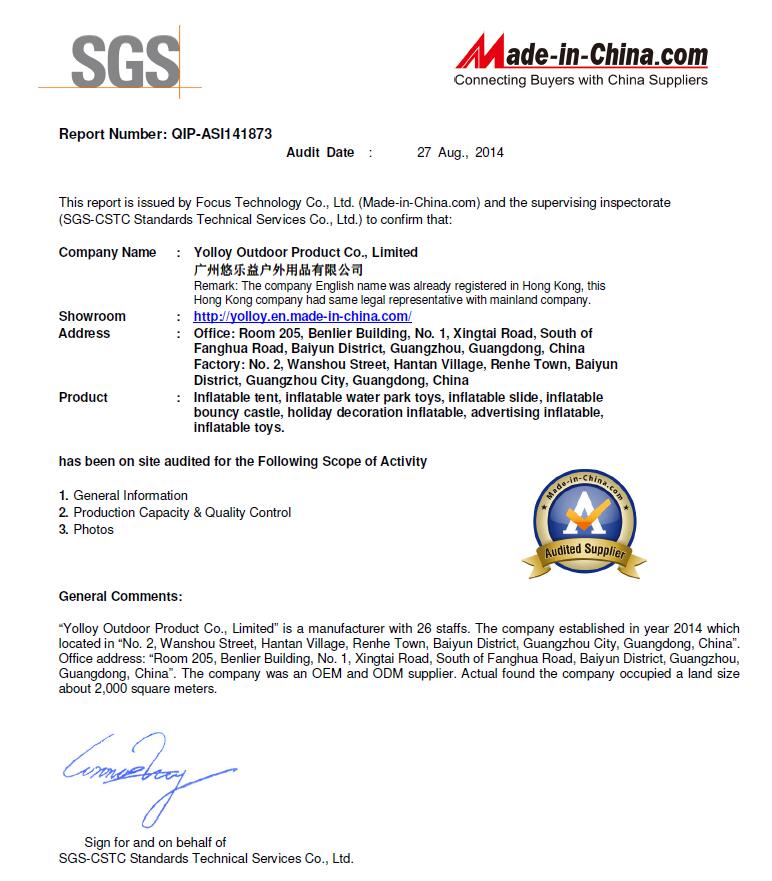
Certification

News

• New Order Successfully Finished for Long-Time Cooperated Japanese Client | YOLLOY Wins Full Client Recognition

• YOLLOY Custom Inflatable Pool Tent for Danish Client: Professional Pool Repair Shelter & Debris Protection

• Trusted Once Again! Greek Captain Re-orders Our Products After 4 Years

• Revolutionize Your Outdoors: The All-Terrain Inflatable Floating Tent for Land & Water

• Elevate Your Summer Fun: The Ultimate Inflatable Water Floating Volleyball Court Trampoline

• Innovative Inflatable Nightclub Tents & Pop-Up Bars: The Ultimate Solution for Portable Party Venues

Contact Us

Name: Sunny Yang
Tel: +86-20-8370 0771
Fax: +86-20-8370 0771
Mobile: 13570587575
E-mail: [email protected]
Add: No 5,Xiong wei Bo Nan Road,ZhongLuoTan Town,Baiyun district,Guangzhou,China
Friend me on Facebook Follow me on Twitter Add me to your circles Follow me on Pinterest Watch my channel on YouTube
News

What is an inflatable water tent and how does it work?

Author:yolloy Date:2026/8/15 0:45:33

An inflatable water tent is a portable, air-supported structure designed to float on water or sit at the water's edge, providing shade, shelter, and a stable platform for recreation. Unlike traditional land tents that use poles and stakes, an inflatable water tent relies on pressurized air chambers to maintain its shape and buoyancy. This makes it a versatile solution for lakes, pools, beaches, waterfront events, and commercial hospitality venues.

How Does an Inflatable Water Tent Work?

The working principle is straightforward. The tent body is constructed from commercial-grade PVC tarpaulin or similar reinforced fabrics, shaped into interconnected air tubes and chambers. When a blower pumps air into these chambers, the structure inflates into its designed form — rigid enough to support weight yet flexible enough to absorb wave motion and wind.

The floor section typically uses a drop-stitch or multi-layer construction that creates a flat, stable platform when inflated. This platform distributes weight evenly across the water surface, preventing tipping and allowing multiple people to stand, sit, or move around safely. Anchoring points — usually D-rings or metal grommets — allow the tent to be secured to docks, boats, or shorelines. The canopy or roof section provides shade and weather protection, with some models featuring clear PVC windows or mesh panels for ventilation and views.

Common Types of Inflatable Water Tents

Different designs serve different purposes. Here are the most common configurations found in the market today:

  • Floating lounge tents — compact, single-chamber platforms with a canopy, ideal for two to four people relaxing on calm water. These are popular for lake houses, yacht clubs, and resort beaches.
  • Multi-person floating platforms — larger structures with reinforced flooring that can accommodate six to ten people or more. They work well for group gatherings, floating parties, and commercial waterfront venues.
  • Inflatable boat tents — hybrid designs that combine a floating base with full tent enclosures, allowing overnight stays on the water. These appeal to fishing enthusiasts, campers, and eco-tourism operators.
  • Water park play structures — large-scale inflatables with integrated slides, climbing walls, splash zones, and interconnected walkways. These are built for commercial inflatable water park installations at resorts, camps, and amusement parks.

Materials and Construction Quality

The durability of an inflatable water tent depends heavily on materials and manufacturing standards. High-quality units use commercial-grade PVC tarpaulin with adequate thickness, reinforced with polyester mesh for tear resistance. Seams are either high-frequency welded or double-stitched with waterproof nylon thread, with extra reinforcement at stress points like corners and anchor attachments.

Materials used in well-made products meet international safety standards. Inflatable water park products typically reference EN 15649, while general inflatable toys are associated with EN 14960 and EN71. These certifications indicate that materials have been tested for harmful substances and structural integrity. Blowers supplied with commercial units should meet CE or UL requirements for electrical safety.

Manufacturers who use precision sewing equipment, high-temperature fusion welding, and multi-point quality inspection produce products that last for years rather than a single season. A repair kit should be included with every purchase, and the manufacturer should offer guidance on maintenance and storage.

Applications and Use Cases

Inflatable water tents serve a wide range of markets and commercial settings:

  • Hotels and resorts use floating lounge tents as premium waterfront amenities
  • Event organizers rent them for lake parties, weddings, and corporate retreats
  • Water sports centers use them as base stations for kayaking, paddleboarding, and swimming activities
  • Campgrounds and RV parks offer them as unique accommodation options
  • Private lakefront homeowners use them for family recreation and entertaining
  • Yacht owners use compact models as tender platforms or swim decks

For businesses looking to invest in commercial-grade inflatable water tents, working directly with a custom inflatable tent manufacturer offers significant advantages. Custom manufacturing allows buyers to specify dimensions, colors, branding, material grades, and accessory configurations that match their specific operational needs. Most factories can produce tents from a description, sketch, or photograph, and can print company logos and artwork on the finished product.

What to Look for in a Manufacturer

When sourcing inflatable water tents, consider these factors:

  • Experience with commercial-grade products — residential and commercial manufacturing are different disciplines. A factory that serves the global amusement and hospitality industry will understand durability requirements that casual-use products cannot meet.
  • Customization capability — the ability to adjust sizes, colors, materials, and add branding is important for commercial buyers.
  • Quality control — ask about inspection procedures, material certifications, and testing protocols. Products should be inspected and tested before shipment.
  • Minimum order flexibility — some manufacturers offer a minimum order quantity of just one piece, which is helpful for buyers testing new products or fulfilling small-scale projects.
  • After-sales support — repair kits, spare parts availability, and responsive communication matter for long-term ownership.

A manufacturer that combines inflatable water park expertise with tent manufacturing capabilities can deliver products that bridge the gap between recreational floating platforms and commercial-grade water attractions.

Care and Maintenance

Proper care extends the life of an inflatable water tent significantly:

  • Rinse with fresh water after each use, especially after saltwater exposure
  • Dry completely before storage to prevent mold and mildew
  • Store in a cool, dry place away from direct sunlight
  • Inspect seams and anchor points regularly for wear
  • Use the included repair kit for minor punctures
  • Follow the manufacturer's inflation guidelines to avoid over-pressurization

Conclusion

An inflatable water tent combines the portability of an inflatable with the functionality of a floating shelter, creating a versatile product that works for recreation, hospitality, and commercial water-based activities. The technology behind it — pressurized air chambers, reinforced materials, and stable platform design — makes it reliable and practical for both personal and business use. For buyers seeking quality products, working with an experienced manufacturer that offers customization, international certifications, and responsive service makes a noticeable difference in product longevity and user satisfaction.


What is an inflatable water tent and how does it work?

Author:yolloy Date:2026/8/15 0:45:33

An inflatable water tent is a portable, air-supported structure designed to float on water or sit at the water's edge, providing shade, shelter, and a stable platform for recreation. Unlike traditional land tents that use poles and stakes, an inflatable water tent relies on pressurized air chambers to maintain its shape and buoyancy. This makes it a versatile solution for lakes, pools, beaches, waterfront events, and commercial hospitality venues.

How Does an Inflatable Water Tent Work?

The working principle is straightforward. The tent body is constructed from commercial-grade PVC tarpaulin or similar reinforced fabrics, shaped into interconnected air tubes and chambers. When a blower pumps air into these chambers, the structure inflates into its designed form — rigid enough to support weight yet flexible enough to absorb wave motion and wind.

The floor section typically uses a drop-stitch or multi-layer construction that creates a flat, stable platform when inflated. This platform distributes weight evenly across the water surface, preventing tipping and allowing multiple people to stand, sit, or move around safely. Anchoring points — usually D-rings or metal grommets — allow the tent to be secured to docks, boats, or shorelines. The canopy or roof section provides shade and weather protection, with some models featuring clear PVC windows or mesh panels for ventilation and views.

Common Types of Inflatable Water Tents

Different designs serve different purposes. Here are the most common configurations found in the market today:

  • Floating lounge tents — compact, single-chamber platforms with a canopy, ideal for two to four people relaxing on calm water. These are popular for lake houses, yacht clubs, and resort beaches.
  • Multi-person floating platforms — larger structures with reinforced flooring that can accommodate six to ten people or more. They work well for group gatherings, floating parties, and commercial waterfront venues.
  • Inflatable boat tents — hybrid designs that combine a floating base with full tent enclosures, allowing overnight stays on the water. These appeal to fishing enthusiasts, campers, and eco-tourism operators.
  • Water park play structures — large-scale inflatables with integrated slides, climbing walls, splash zones, and interconnected walkways. These are built for commercial inflatable water park installations at resorts, camps, and amusement parks.

Materials and Construction Quality

The durability of an inflatable water tent depends heavily on materials and manufacturing standards. High-quality units use commercial-grade PVC tarpaulin with adequate thickness, reinforced with polyester mesh for tear resistance. Seams are either high-frequency welded or double-stitched with waterproof nylon thread, with extra reinforcement at stress points like corners and anchor attachments.

Materials used in well-made products meet international safety standards. Inflatable water park products typically reference EN 15649, while general inflatable toys are associated with EN 14960 and EN71. These certifications indicate that materials have been tested for harmful substances and structural integrity. Blowers supplied with commercial units should meet CE or UL requirements for electrical safety.

Manufacturers who use precision sewing equipment, high-temperature fusion welding, and multi-point quality inspection produce products that last for years rather than a single season. A repair kit should be included with every purchase, and the manufacturer should offer guidance on maintenance and storage.

Applications and Use Cases

Inflatable water tents serve a wide range of markets and commercial settings:

  • Hotels and resorts use floating lounge tents as premium waterfront amenities
  • Event organizers rent them for lake parties, weddings, and corporate retreats
  • Water sports centers use them as base stations for kayaking, paddleboarding, and swimming activities
  • Campgrounds and RV parks offer them as unique accommodation options
  • Private lakefront homeowners use them for family recreation and entertaining
  • Yacht owners use compact models as tender platforms or swim decks

For businesses looking to invest in commercial-grade inflatable water tents, working directly with a custom inflatable tent manufacturer offers significant advantages. Custom manufacturing allows buyers to specify dimensions, colors, branding, material grades, and accessory configurations that match their specific operational needs. Most factories can produce tents from a description, sketch, or photograph, and can print company logos and artwork on the finished product.

What to Look for in a Manufacturer

When sourcing inflatable water tents, consider these factors:

  • Experience with commercial-grade products — residential and commercial manufacturing are different disciplines. A factory that serves the global amusement and hospitality industry will understand durability requirements that casual-use products cannot meet.
  • Customization capability — the ability to adjust sizes, colors, materials, and add branding is important for commercial buyers.
  • Quality control — ask about inspection procedures, material certifications, and testing protocols. Products should be inspected and tested before shipment.
  • Minimum order flexibility — some manufacturers offer a minimum order quantity of just one piece, which is helpful for buyers testing new products or fulfilling small-scale projects.
  • After-sales support — repair kits, spare parts availability, and responsive communication matter for long-term ownership.

A manufacturer that combines inflatable water park expertise with tent manufacturing capabilities can deliver products that bridge the gap between recreational floating platforms and commercial-grade water attractions.

Care and Maintenance

Proper care extends the life of an inflatable water tent significantly:

  • Rinse with fresh water after each use, especially after saltwater exposure
  • Dry completely before storage to prevent mold and mildew
  • Store in a cool, dry place away from direct sunlight
  • Inspect seams and anchor points regularly for wear
  • Use the included repair kit for minor punctures
  • Follow the manufacturer's inflation guidelines to avoid over-pressurization

Conclusion

An inflatable water tent combines the portability of an inflatable with the functionality of a floating shelter, creating a versatile product that works for recreation, hospitality, and commercial water-based activities. The technology behind it — pressurized air chambers, reinforced materials, and stable platform design — makes it reliable and practical for both personal and business use. For buyers seeking quality products, working with an experienced manufacturer that offers customization, international certifications, and responsive service makes a noticeable difference in product longevity and user satisfaction.