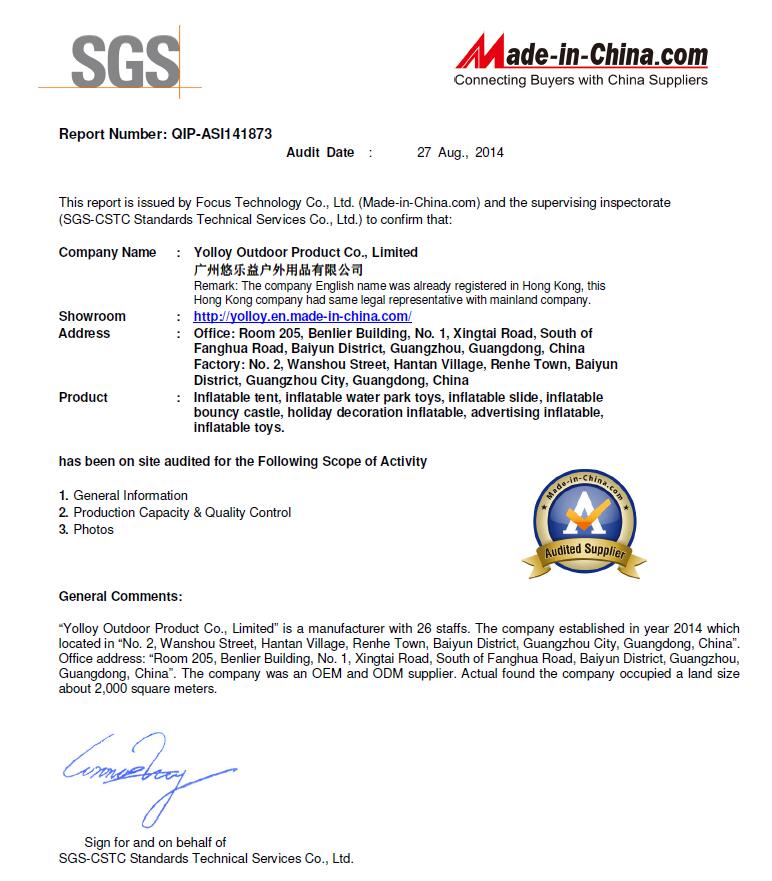
Sourcing an inflatable air mattress supplier is a decision that directly impacts your product quality, customer satisfaction, and bottom line. Whether you are a retailer, distributor, event organizer, or rental business, choosing the right partner from the vast pool of manufacturers requires careful evaluation across multiple dimensions. This guide walks you through the essential factors to consider when selecting an inflatable air mattress supplier that meets your business needs.
1. Evaluate Product Quality and Material Selection
The quality of an inflatable air mattress begins with the raw materials. Reputable suppliers differentiate themselves by offering multiple material options to suit different applications. Common materials include commercial-grade PVC tarpaulin, Oxford fabric, nylon, and TPU (thermoplastic polyurethane). Each material has distinct characteristics: PVC offers affordability and wide applicability, while TPU provides superior flexibility, lighter weight, and enhanced resistance to wear and tear. Oxford fabric and nylon are often used in specific product segments where breathability or additional structural strength is required.
A trustworthy inflatable air mattress company should be transparent about the materials used and able to provide material specifications upon request. Look for suppliers whose materials have passed internationally recognized safety testing standards such as EN71, EN14960, and RoHS. These certifications indicate that the products are free from harmful substances and meet safety requirements for markets in Europe, North America, and beyond.
Beyond raw materials, pay attention to the manufacturing techniques employed. High-quality inflatable air mattresses are produced using precision sewing equipment with reinforced seams and waterproof nylon thread. Airtight products should be manufactured with high-temperature fusion or welding technology rather than simple gluing, as welded seams provide far better air retention and long-term durability. Ask whether the supplier reinforces high-load areas with additional stitching or material layers — this is a hallmark of factory-level craftsmanship.
2. Verify Manufacturing Capabilities and Certifications
Production capacity is a critical factor, especially if you plan to scale your business. A capable inflatable air mattress factory should demonstrate the ability to handle both small trial orders and large-volume production runs without compromising on consistency or delivery timelines. When evaluating a supplier, ask about their factory size, number of production lines, workforce scale, and typical monthly output. Suppliers with in-house design teams and their own production facilities generally offer better quality control than those relying on outsourced manufacturing.
Certifications are another key indicator of a supplier's commitment to quality management. Look for factories that hold relevant certifications such as ISO 9001 for quality management systems. For products destined for European markets, CE marking is essential; for the North American market, UL-compliant blowers and accessories are important. A supplier that has invested in these certifications demonstrates a serious commitment to international standards and regulatory compliance.
Quality control processes should be well-documented. Confirm that the supplier conducts inspections at multiple stages of production — from incoming material checks to in-process monitoring and final product testing before shipment. Ask whether each product is individually inflated and tested for air retention, seam integrity, and overall finish before it leaves the factory.
3. Assess Customization Flexibility and Production Timelines
Customization capability is what separates a commodity supplier from a true manufacturing partner. The best inflatable air mattress suppliers offer a complete design-to-production service: their design team prepares simulation renderings based on your proposal, revises the design until you approve it, and only then releases it for factory production. This process ensures that the final product matches your exact specifications, whether you need custom sizes, colors, logos, or entirely bespoke designs.
Pay close attention to the minimum order quantity (MOQ). Some factories require hundreds or thousands of units per order, which may not suit businesses testing new products or entering new markets. A supplier that accepts a low MOQ — even as low as one piece for custom designs — gives you the flexibility to start small and scale up as demand grows.
Key Question to Ask: "Can you produce a custom design from a description, sketch, photograph, or site plan? What is your typical production timeline for a custom inflatable air mattress?" A supplier that answers confidently with specific timelines (e.g., 6–15 days for a regular product) demonstrates real manufacturing experience rather than trading-company intermediation.
4. Evaluate After-Sales Service and Warranty Terms
After-sales support is a strong indicator of a supplier's confidence in their own products and their commitment to long-term partnership. Ask about the warranty period offered — reputable suppliers typically provide a service life expectation of around three years when products are used and maintained correctly. Beyond the warranty, inquire about what is included with each purchase: a repair kit should be supplied with every inflatable product, enabling you or your customers to handle minor punctures and leaks without returning the entire unit.
Another practical consideration is blower compatibility. Inflatable air mattresses often require electric blowers for inflation, and these blowers need to match the voltage standards of your target market. A professional supplier should be able to supply blowers configured for 110V, 220V, or 380V requirements as needed. This level of attention to regional compatibility saves you from sourcing blowers separately and ensures a complete, ready-to-use product.
5. Examine Communication, Packaging, and Delivery Reliability
Communication responsiveness is a practical but often overlooked factor in supplier selection. A supplier that consistently responds to emails and inquiries within 24 hours signals that they value your business and are organized enough to manage ongoing relationships. During the evaluation phase, test this by sending detailed questions and observing the clarity, completeness, and timeliness of the responses.
Packaging standards reveal a lot about a supplier's attention to detail. High-quality suppliers use multi-layer packaging — soft carpet protection, waterproof PVC bags, and outer PE film — to ensure products arrive in pristine condition. For large or heavy products, steel pallets should be used to prevent damage during transit. Poor packaging that results in scuffed or damaged products upon arrival is a red flag that can lead to customer returns and reputational damage.
Shipping options and delivery track records are equally important. Confirm that the supplier offers both air and sea freight, with indicative transit times (e.g., 5–7 days by air, 15–30 days or more by sea). Ask about their on-time delivery rate — a rate of 95% or above is a strong benchmark. Reliable delivery ensures your inventory planning remains predictable and your customers are not left waiting.
Conclusion
Choosing the right inflatable air mattress supplier is a multi-faceted decision that goes beyond comparing price lists. It requires evaluating material quality, manufacturing capabilities, certification compliance, customization flexibility, after-sales support, and delivery reliability. By systematically assessing each of these areas, you can identify a supplier that not only delivers quality products but also becomes a trusted partner in your business growth. Take the time to request samples, ask detailed questions, and verify claims before committing — the effort invested upfront will pay dividends in product quality, customer satisfaction, and long-term profitability.