An inflatable bubble tent, also called a clear inflatable bubble tent or transparent dome tent, is a portable structure made from durable PVC or reinforced fabric that inflates with an electric blower to form a rigid, weatherproof enclosure. Designed to give occupants a full 360-degree view of the outdoors while staying sheltered, these tents have become increasingly popular for glamping, events, and commercial use. Below, we break down the key features that make bubble tents stand out.
1. 360-Degree Panoramic Transparency
The most defining feature of a bubble tent is its transparent design. High-quality models use optical-grade PVC or reinforced PVC-coated polyester that offers clarity comparable to glass while remaining flexible and lightweight. This transparency allows natural light to flood the interior during the day and provides an unobstructed view of the night sky for stargazing. Many inflatable clear dome tent designs also include optional privacy curtains or partially opaque wall sections, giving users the flexibility to switch between an open panoramic experience and a more secluded setting when needed.
2. Weather Resistance and Durability
Despite their lightweight appearance, well-made bubble tents are built to withstand challenging outdoor conditions. The outer shell is typically constructed from commercial-grade PVC tarpaulin with UV-resistant and waterproof coatings. Seams are heat-sealed using high-frequency welding technology rather than stitched, which eliminates needle holes that could leak during rain. Many models are rated to handle wind speeds of 38 to 74 kilometers per hour (Beaufort scale 8 or higher), and waterproof ratings commonly reach 2000 to 3000 millimeters. A reputable clear inflatable tent manufacturer will also incorporate reinforced anchor points and D-ring systems to secure the tent firmly to the ground in windy conditions.
Key Point: When choosing a bubble tent for outdoor use, verify that the materials have passed relevant safety and quality certifications such as EN71, EN14960, and CE. These certifications indicate that the product has been tested for material safety, structural integrity, and electrical compliance.
3. Quick Setup and Portability
One of the biggest practical advantages of an inflatable bubble tent is how fast it can be set up. Unlike traditional pole tents that require threading, connecting, and tensioning multiple components, a bubble tent only needs to be unfolded, connected to an electric blower, and inflated. Most standard-sized bubble tents fully inflate in 5 to 10 minutes. Deflation is equally quick — simply turn off the blower and open the air release valve. Once deflated, the tent folds into a compact bundle that fits into a carry bag, making it easy to transport and store. This portability makes bubble tents ideal for event rental businesses, traveling exhibitions, and seasonal glamping operations.
4. Material Quality and Construction
The longevity and performance of a bubble tent depend heavily on the materials and manufacturing process. Quality manufacturers use high-density PVC tarpaulin ranging from 0.55 mm to 0.9 mm in thickness, often reinforced with an internal mesh layer for added tear resistance. The floor section is typically made from waterproof PEVA or heavy-duty PVC to keep ground moisture out. Key construction details to look for include:
- High-frequency welded seams — These create airtight, waterproof bonds that are stronger than sewn seams and eliminate the risk of water penetration.
- Reinforced stress points — Areas around anchor loops, blower connection ports, and zipper edges should have extra layers of material and double reinforcement.
- Anti-glare and UV coatings — A quality nano-coating reduces harsh reflections and protects the PVC from sun damage over extended outdoor use.
- Waterproof nylon thread — Where stitching is used (e.g., around zipper panels), the thread itself should be waterproof to prevent wicking.
5. Versatile Usage Scenarios
Bubble tents are remarkably versatile and can be adapted for a wide range of applications beyond simple camping. Here is a quick overview of common use cases:
| Scenario | Typical Setup | Benefit |
|---|
| Luxury Glamping | Single or double bubble tents in scenic locations | Immersive nature experience with hotel-level comfort |
| Outdoor Events & Weddings | Multiple linked tents or a large single dome | Unique venue that stands out and provides weather protection |
| Commercial Promotion | Branded bubble tent with custom logo printing | Eye-catching temporary retail or exhibition space |
| Restaurant Dining | Individual dining domes with tables and lighting | Safe, private outdoor dining with panoramic views |
| Children's Play Area | Small to medium bubble tent in backyard | Safe, enclosed play space visible to supervising adults |
6. Customization Options
One of the strengths of working with a professional inflatable manufacturer is the ability to customize nearly every aspect of the bubble tent. Customization options typically include:
- Size and shape — From intimate 2-person domes to large commercial structures that can accommodate dozens of guests, sizes can be tailored to specific needs. Shapes can be dome, cube, tunnel, or custom-designed.
- Color and transparency — Choose between fully transparent, tinted, frosted, or a combination of clear ceilings with opaque walls for added privacy.
- Logo and branding — Customer logos, artwork, and brand colors can be printed directly onto the tent surface using digital or heat-transfer printing.
- Doors, windows, and ventilation — The number, placement, and style of openings can be customized to suit the intended use and climate.
- Blower specifications — Blowers can be supplied in 110V, 220V, or 380V configurations to match local electrical standards.
7. Safety Certifications and Quality Standards
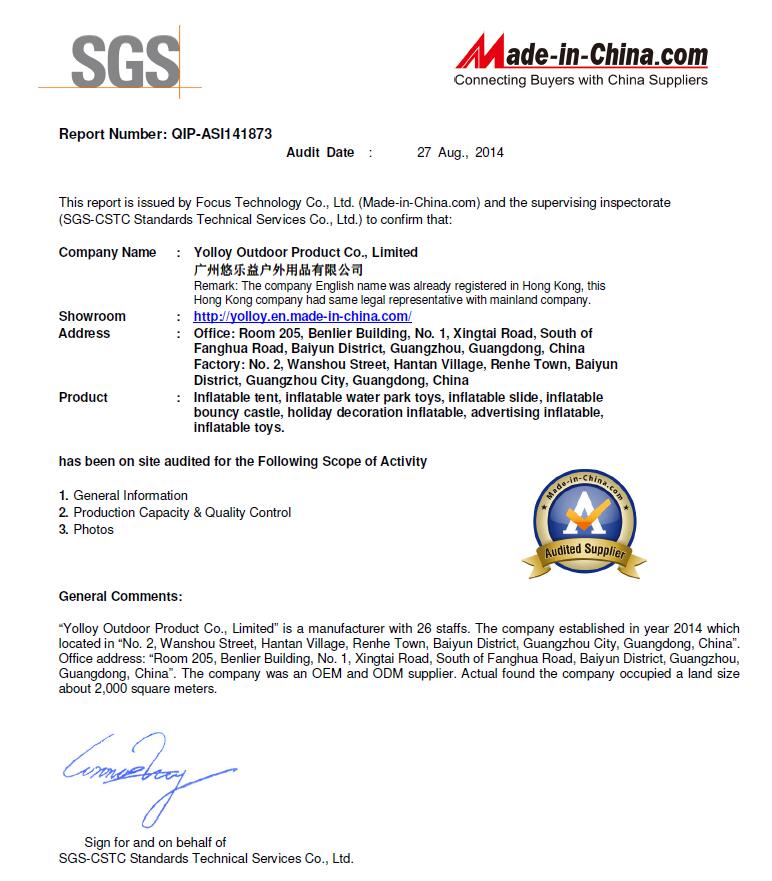
When purchasing a bubble tent for commercial or public use, safety certifications are essential. Legitimate manufacturers provide documentation showing that their products meet recognized international standards. The most relevant certifications for inflatable bubble tents include EN71 (safety of toys), EN14960 (inflatable play equipment), and CE marking for electrical components such as the blower. Some manufacturers also comply with ASTM, UL, and RoHS standards. These certifications confirm that the materials are non-toxic, the structure is engineered to handle expected loads, and the electrical components are safe for continuous operation.
8. Maintenance, Accessories, and After-Sales Support
A bubble tent is an investment, and proper maintenance extends its service life significantly. Most manufacturers include a repair kit with each tent, containing PVC patches, specialized adhesive, and instructions for fixing small punctures. Routine care involves wiping down surfaces with mild soap and water, ensuring the tent is completely dry before storage to prevent mold, and keeping it in a cool, dry environment away from direct sunlight when not in use. Additional accessories like LED lighting systems, privacy curtains, groundsheets, and replacement blowers are usually available from the manufacturer. A quality supplier will typically offer a warranty period of 1 to 3 years and provide ongoing technical support for installation, troubleshooting, and spare parts.
Conclusion: Inflatable bubble tents combine transparency, weather resistance, fast setup, and versatile customization in a single product. Whether for a luxury glamping resort, a corporate event, or a backyard retreat, the key features — 360-degree views, durable PVC construction, rapid inflation, and extensive customization — make them a compelling choice. When selecting a supplier, prioritize manufacturers with proven quality certifications, responsive customer service, and a track record of delivering durable, well-engineered products.