If you have toddlers or preschoolers at home, you have probably asked yourself which shallow inflatable pool is the right one before the summer heat arrives. Young children do not need deep water, steep slides, or complicated structures. They need a splash zone they can safely sit in, a floor that cushions little knees, and walls that are high enough to hold water yet low enough for an adult to reach over. Getting these basics right makes all the difference between an afternoon of fun and an afternoon of worry.
What "shallow" really means for young children
For children under about four years old, a shallow pool usually means a water depth of roughly 20 to 30 centimetres (8 to 12 inches). At this depth a child can sit and splash without going over their head, and a supervising adult can keep both hands free to guide or lift them. A few extra centimetres of water seem harmless, but young children tire quickly and a small margin matters more than many parents expect. If you are buying in bulk for a nursery, daycare, or community event, consistency in this depth across every unit is just as important as the depth itself.
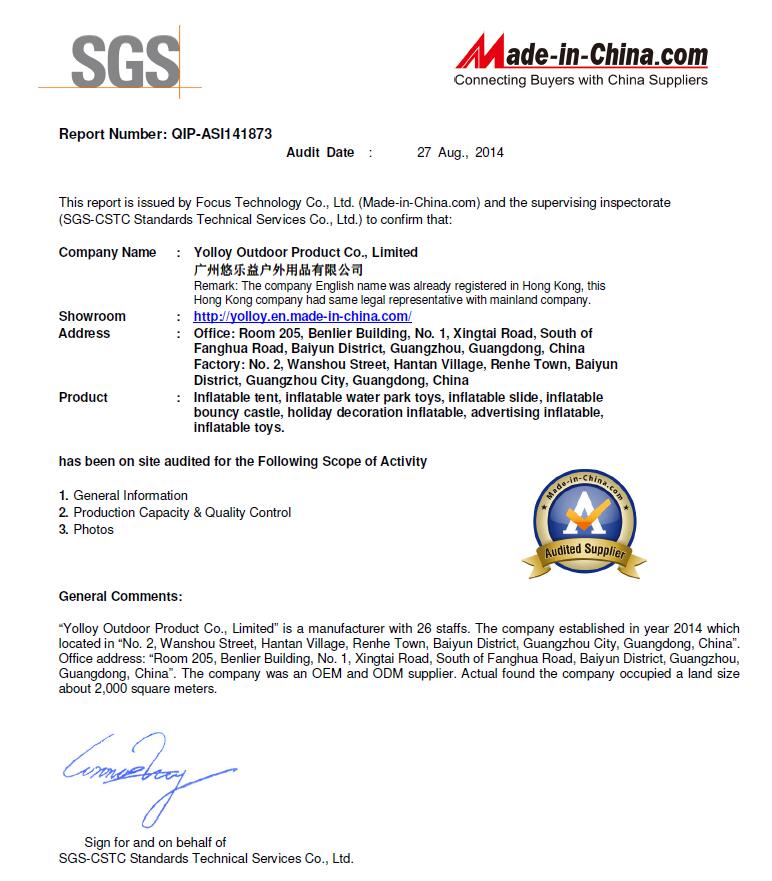
While most of the ready-made pools sold at retailers are fine for a season or two, they are produced to a generic specification. A commercial supplier such as YOLLOY can build a round inflatable swimming pool to a depth, diameter, and material you actually choose, rather than accepting whatever a shelf product happens to offer.
A checklist for choosing a toddler pool
Instead of listing a dozen brand names, it helps to judge any inflatable pool against the same handful of criteria. If a pool clears these points, it will almost certainly suit a young child well.
1. Depth matches the age group
Keep the water level at or below the child's knees to be safe. A pool advertised as suitable for 1 to 3 year olds should not require a huge amount of water to become usable. Look for a low wall profile that still gives structure without turning into a deep basin.
2. A soft, cushioned floor
Toddlers spend as much time crawling and sitting as they do standing. A cushioned or padded inflatable floor protects against the rough yard underneath and makes slip-and-fall moments a little gentler. Hard-surface blow-up pools are fine for older kids, but young children benefit from a softer landing area.
3. Stable wall construction
Two or more inflatable rings hold their shape better than a single thin ring, especially when several children splash at once. Stability matters because a wall that folds over suddenly can startle a small child. Reinforced seams and thicker PVC tarpaulin extend the lifespan of the product, which is worth checking before you commit to a larger quantity.
4. Visibility for the adult
You want to see clearly into the water at all times. A pool with a light interior colour or clear walls makes supervision far easier. Every product in a batch should be equally easy to monitor, not just the display sample.
5. Easy setup and easy cleaning
A toddler pool should inflate and drain in minutes. Nobody wants to wrestle with a heavy structure after a long day. Simple seams, sensible drain placement, and material that does not hold onto algae or grime will keep the pool pleasant to use all season.
Retail pool versus a made-to-order pool
There is no single best brand because the best option depends on who is using it and how many units you need. For one family, a simple retail ring pool is perfectly adequate. For a kindergarten, an event company, or a hotel that runs family activities, buying from a manufacturer usually makes more sense. Inflatable water park toys from a factory like YOLLOY can be produced with your planned depth, branded colours, logos, and artwork printed directly onto the material, all from a description, drawing, or site plan.
The company builds commercial-grade PVC tarpaulin products, offers custom sizes and colours, and supplies blowers rated for 110V, 220V, or 380V where a constantly inflated setup is required. Its design team prepares a simulation rendering first, so you can confirm the look before production begins. For quantities, even a single piece can be produced, which keeps things flexible for small operators.
Safety and maintenance both start with the material
Safety includes more than water depth. Quality inflatable products for children are produced with materials that pass relevant testing, and seams that hold up under repeated use and sun exposure. Cheap material can feel fine for one month and then develop slow leaks. When you compare options, ask about the actual fabric, the seam reinforcement, and whether a repair kit is included, as good suppliers usually provide one with each unit.
On the maintenance side, drain the pool after use, wipe down the surfaces, and store it out of direct sunlight to slow material ageing. Check for punctures before each use, especially after the pool has been stored for a while. These simple habits keep a toddler pool safe and extend its useful life across several summers.
Practical advice for picking a size
For a single toddler, a pool around 80 to 110 centimetres (about 32 to 44 inches) across is easy to set up and watch. If two or three children will share the space, go larger so they do not crowd each other into a corner. Remember that a bigger diameter means more water, so match the size to how much you are willing to fill, drain, and store after every session.
A final thought on choosing well
The best shallow inflatable pool for young children is the one that lets everyone relax: shallow enough to be safe, soft enough to land on, stable enough to hold its shape, and easy enough to clean that you will actually use it. Whether you pick a retail model for a single backyard or order a family inflatable swimming pool in custom sizes, keep the same criteria in mind. If you are buying for a business and want a pool matched to your exact needs, contact a manufacturer like YOLLOY with your plans and budget to have one designed and produced to order.