Products Category
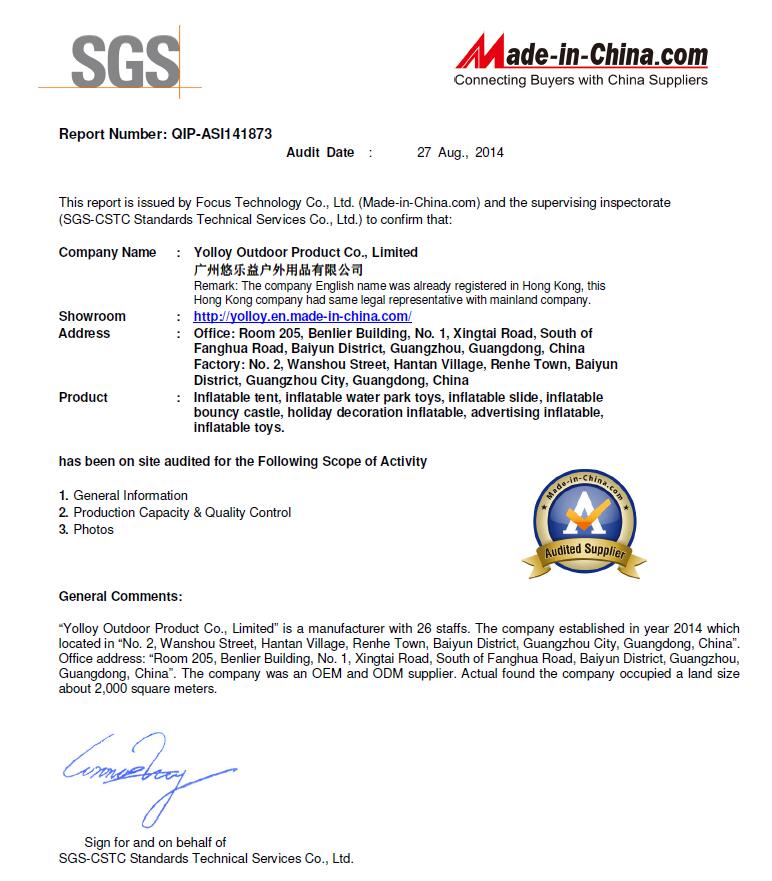
Certification

News

• New Order Successfully Finished for Long-Time Cooperated Japanese Client | YOLLOY Wins Full Client Recognition

• YOLLOY Custom Inflatable Pool Tent for Danish Client: Professional Pool Repair Shelter & Debris Protection

• Trusted Once Again! Greek Captain Re-orders Our Products After 4 Years

• Revolutionize Your Outdoors: The All-Terrain Inflatable Floating Tent for Land & Water

• Elevate Your Summer Fun: The Ultimate Inflatable Water Floating Volleyball Court Trampoline

• Innovative Inflatable Nightclub Tents & Pop-Up Bars: The Ultimate Solution for Portable Party Venues

Contact Us

Name: Sunny Yang
Tel: +86-20-8370 0771
Fax: +86-20-8370 0771
Mobile: 13570587575
E-mail: [email protected]
Add: No 5,Xiong wei Bo Nan Road,ZhongLuoTan Town,Baiyun district,Guangzhou,China
Friend me on Facebook Follow me on Twitter Add me to your circles Follow me on Pinterest Watch my channel on YouTube
News

What is the best inflatable tent for beach use?

Author:yolloy Date:2026/8/15 6:59:53

Spending a day at the beach should be about relaxation, not wrestling with tent poles that snap in the wind or fabric that smells like mildew after one season. If you have ever asked yourself what the best inflatable tent for beach use really is, you are not alone. The answer depends on understanding how beach environments — with their salt spray, shifting sand, and intense UV exposure — demand a fundamentally different shelter design than what works at a grassy campsite. This guide breaks down exactly what to look for and why inflatable air-beam tents are quickly becoming the go-to choice for serious beachgoers.

Why an Inflatable Tent Makes Sense for the Beach

Traditional pole-based tents have several well-known weaknesses in coastal settings. Metal and fiberglass poles corrode or splinter after repeated saltwater exposure. Setup on soft sand is frustrating — stakes pull loose, poles sink unevenly, and you often need two people and a calm day just to get the frame standing. Once up, the rigid structure catches wind like a sail, putting stress on joints until something gives.

Inflatable tents for camping solve these problems at the engineering level. Instead of a rigid pole frame, they use air beams — reinforced inflatable tubes that form the tent's structure when filled with air. An electric pump does the heavy lifting in minutes, and the flexible air columns absorb and deflect wind rather than resisting it rigidly. This design principle is especially valuable on open beaches where gusts can appear without warning.

Manufacturers like Yolloy have refined this technology specifically for coastal conditions. Their inflatable camping tent designs incorporate materials tested against saltwater immersion, UV-resistant coatings, and reinforced anchoring systems that work with sand rather than against it. The result is a shelter that sets up quickly, stays put in wind, and lasts through multiple seasons of beach use.

Key Features That Define the Best Inflatable Beach Tent

Not all inflatable tents are created equal, and the beach environment is unforgiving. Here are the critical factors that separate a tent that thrives at the shore from one that falls apart after a few trips.

Saltwater-Resistant Materials

This is the single most important consideration for any beach tent. Salt spray accelerates corrosion in metal components and degrades ordinary fabrics through repeated wet-dry cycles. The best inflatable beach tents use commercial-grade PVC tarpaulin that has been specifically tested against saltwater exposure. For example, Yolloy's beach-oriented models undergo 30-day saltwater immersion testing — material samples are submerged in a 3% saltwater solution simulating ocean conditions, then checked for degradation, color loss, or structural weakening. Fabrics that pass this test without issues are in a different league from standard camping tent materials.

Beyond the outer shell, pay attention to the air beam bladders. TPU (thermoplastic polyurethane) bladders resist UV degradation better than plain PVC and remain flexible in hot sand without becoming brittle. High-quality seams — whether sewn with waterproof nylon thread and reinforced at stress points, or high-temperature welded for airtight sections — are equally important for long-term durability.

UV Protection That Actually Works

A beach tent's primary job is providing shade, which means UV blocking is non-negotiable. Look for fabrics with a UPF 50+ rating, which blocks 98% of harmful UV radiation. But the rating alone is not enough — the coating technology matters. PVC tarpaulin with a UV-resistant treatment layer prevents both sunburn through the fabric and material degradation from prolonged sun exposure. Tents that use a silver-coated or double-layer UV barrier also keep the interior noticeably cooler, which makes a real difference during midday hours.

Anchoring Systems Designed for Sand

Standard tent stakes are nearly useless in loose, dry sand. The best inflatable beach tents include dedicated sand anchoring solutions: sandbags that can be filled on-site and buried, D-ring metal anchor points for tying down to heavier objects, or auger-style ground screws that grip deeper sand layers. Some designs incorporate sand pockets sewn into the base perimeter — you fill them with sand during setup, and the weight holds the tent in place. A tent that cannot stay anchored in a 25-30 km/h coastal breeze is not a beach tent; it is a kite waiting to happen.

Ventilation and Airflow

Nothing ruins a beach shelter faster than stagnant, hot air trapped inside. The best designs include adjustable mesh windows on multiple sides to create cross-ventilation. Mesh panels also keep sandflies and mosquitoes out while letting breezes through. Some tents add top ventilation openings that allow hot air to escape upward, keeping the interior comfortable even when the wind is calm.

Setup Speed and Portability

The whole point of an inflatable tent is fast, effortless setup. A quality inflatable beach tent should go from packed to fully standing in under 5 minutes with the included electric pump. When deflated, it should fold down to a manageable size — roughly the dimensions of a large duffel bag — so it fits in a car trunk alongside coolers, chairs, and other beach gear. Blowers should be available for different voltage requirements (110V, 220V, or 380V), so you can inflate anywhere from a car outlet to a generator.

Quick Tip: When comparing inflatable beach tents, ask the manufacturer whether the fabric and seams have been specifically tested against saltwater exposure. Many tents marketed as "waterproof" use coatings that degrade rapidly in salt environments. Commercial-grade PVC tarpaulin that has passed EN71 and EN14960 safety standards is a strong indicator of quality.

Types of Inflatable Tents Suitable for the Beach

Different beach activities call for different tent styles. Here is a breakdown of the most practical options and what each is best suited for.

Inflatable Dome and Camping Tents

The most versatile option for beach camping. These tents typically feature a dome or tunnel shape that provides excellent wind resistance and usable interior space. They work well for families who want to camp overnight on the sand, offering room for air mattresses, storage, and comfortable sleeping arrangements. Look for models with a quick-drain floor that lets water escape if kids track it in or if an unexpected rain shower passes through.

Clear Inflatable Bubble Tents

For those who want to enjoy the view without the sunburn, a clear inflatable bubble tent offers a 360-degree panorama of the coastline while blocking UV rays. These are popular for beachfront dining, sunset gatherings, and even overnight stargazing. The transparent PVC walls let you watch the waves from inside while staying protected from wind and sand. They have also become a favorite for resorts and beachside businesses looking to offer guests a memorable experience.

Inflatable Party and Event Tents

Larger inflatable structures — cube tents, tunnel tents, and custom-shaped shelters — work well for beach parties, weddings, corporate events, and commercial setups. These can be customized with brand logos, specific color schemes, and features like built-in LED lighting or extended awnings. The inflatable frame means they can be set up and taken down quickly, which is a major advantage for event organizers working on tight schedules.

Inflatable vs. Traditional Beach Tent: A Direct Comparison

FeatureTraditional Pole TentInflatable Air-Beam Tent
Setup Time20-60 minutes, often requires two people3-5 minutes with electric pump, solo-friendly
Wind ResistanceRigid frame catches wind; poles can snapFlexible air beams absorb and deflect gusts
Saltwater DurabilityMetal corrosion, fabric rot, mildew issuesSaltwater-tested PVC tarpaulin; no metal to corrode
Sand AnchoringStandard stakes lose grip in loose sandSandbags, D-ring anchors, and sand pocket systems
PortabilityHeavy poles, bulky packed sizeDeflates to duffel bag size; lightweight
CustomizationLimited to stock sizes and colorsFully customizable: size, color, logos, features
UV ProtectionVaries widely; coatings degrade quicklyUV-resistant treated PVC; UPF 50+ equivalent
LongevityOften one season in salt environmentsMulti-season with proper care

Why Custom Inflatable Tents Outperform Off-the-Shelf Options

One of the strongest arguments for working with a specialized manufacturer rather than buying a generic retail tent is customization. Beach use cases vary enormously. A family of four needs different dimensions and features than a resort operator who needs ten matching tents for guest accommodations. A photographer shooting a beach wedding wants a clear bubble tent with specific lighting options; a surf school needs a durable shade shelter that can handle daily setup and takedown.

Custom manufacturing lets you specify:

  • Size and shape — from compact two-person shelters to large event tents that fit dozens of guests
  • Material grade — choose heavier-duty PVC for commercial use or lighter options for personal camping
  • Color and branding — match your resort's color scheme or print your business logo directly on the fabric
  • Feature add-ons — mesh storage pockets, built-in cooler holders, LED light integration, extended awnings, and more
  • Blower specifications — select the right voltage (110V, 220V, or 380V) for your location and power source

The customization process with a manufacturer like Yolloy typically involves sharing your requirements, receiving a 3D design mockup for approval, making any adjustments, and then moving into production. Since the minimum order quantity is as low as one piece, even individual buyers can get a tent built exactly to their specifications.

What to Look for in an Inflatable Tent Manufacturer

When you are investing in a beach tent that should last for years, the manufacturer matters as much as the product. Here are the key indicators of a reliable supplier:

  • Certifications and testing: Look for compliance with safety standards like EN71 (toy safety, indicating non-toxic materials), EN14960 (inflatable play equipment), and EN15649 (floating leisure articles for water use). Blowers should carry CE or UL certification.
  • Material transparency: A trustworthy manufacturer will tell you exactly what materials they use — PVC tarpaulin grade, TPU bladder specifications, Oxford fabric denier, seam construction methods — and back it up with test data.
  • Customization capability: Can they work from your sketch, photo, or site plan? Do they provide design renderings before production? A responsive design team is a strong sign of a manufacturer that takes quality seriously.
  • Production and delivery reliability: Ask about typical production timelines (6-15 days for standard products is a reasonable benchmark) and on-time delivery rates. A 95% or higher on-time delivery rate indicates professional operations.
  • After-sales support: Do they include a repair kit with each product? What is the warranty expectation? Do they respond to inquiries within 24 hours? These details reveal how much a manufacturer stands behind their work.
Pro Tip: Before placing an order, ask the manufacturer whether their beach tent materials have been specifically tested against saltwater degradation. A credible manufacturer will be able to describe their testing protocol — such as saltwater immersion duration, concentration, and post-test inspection criteria — in detail.

Practical Tips for Getting the Most from Your Inflatable Beach Tent

Even the best inflatable beach tent benefits from proper use and care. Here are a few practical pointers to extend its lifespan:

  • Rinse after each use: Salt and sand are abrasive. A quick rinse with fresh water after each beach trip prevents salt crystals from grinding into seams and fabric over time.
  • Dry completely before storage: Packing a damp tent leads to mildew. Set it up or hang it to air-dry thoroughly before folding it into its storage bag.
  • Use the right anchoring for conditions: On calm days, sandbags may be enough. On windy days, bury sandbags deeper, use all available anchor points, and consider adding water weights for extra stability.
  • Check blower compatibility: Make sure your pump or blower matches the voltage available at your beach location. Having a compatible power source is essential for the quick setup that makes inflatable tents so appealing.
  • Inspect seams and valves periodically: A quick visual check before each trip catches small issues before they become big problems. The included repair kit can handle minor fixes on the spot.

Final Thoughts

The best inflatable tent for beach use is not a single model — it is the one that matches your specific needs while being built from materials and with construction methods that genuinely hold up to salt, sand, sun, and wind. Air-beam inflatable tents offer clear advantages over traditional pole tents for coastal environments: faster setup, better wind handling, superior saltwater resistance, and full customization options. By focusing on material quality, anchoring design, UV protection, and ventilation, and by choosing a manufacturer that tests its products against real beach conditions, you can invest in a shelter that delivers years of hassle-free beach days rather than a single season of frustration.


What is the best inflatable tent for beach use?

Author:yolloy Date:2026/8/15 6:59:53

Spending a day at the beach should be about relaxation, not wrestling with tent poles that snap in the wind or fabric that smells like mildew after one season. If you have ever asked yourself what the best inflatable tent for beach use really is, you are not alone. The answer depends on understanding how beach environments — with their salt spray, shifting sand, and intense UV exposure — demand a fundamentally different shelter design than what works at a grassy campsite. This guide breaks down exactly what to look for and why inflatable air-beam tents are quickly becoming the go-to choice for serious beachgoers.

Why an Inflatable Tent Makes Sense for the Beach

Traditional pole-based tents have several well-known weaknesses in coastal settings. Metal and fiberglass poles corrode or splinter after repeated saltwater exposure. Setup on soft sand is frustrating — stakes pull loose, poles sink unevenly, and you often need two people and a calm day just to get the frame standing. Once up, the rigid structure catches wind like a sail, putting stress on joints until something gives.

Inflatable tents for camping solve these problems at the engineering level. Instead of a rigid pole frame, they use air beams — reinforced inflatable tubes that form the tent's structure when filled with air. An electric pump does the heavy lifting in minutes, and the flexible air columns absorb and deflect wind rather than resisting it rigidly. This design principle is especially valuable on open beaches where gusts can appear without warning.

Manufacturers like Yolloy have refined this technology specifically for coastal conditions. Their inflatable camping tent designs incorporate materials tested against saltwater immersion, UV-resistant coatings, and reinforced anchoring systems that work with sand rather than against it. The result is a shelter that sets up quickly, stays put in wind, and lasts through multiple seasons of beach use.

Key Features That Define the Best Inflatable Beach Tent

Not all inflatable tents are created equal, and the beach environment is unforgiving. Here are the critical factors that separate a tent that thrives at the shore from one that falls apart after a few trips.

Saltwater-Resistant Materials

This is the single most important consideration for any beach tent. Salt spray accelerates corrosion in metal components and degrades ordinary fabrics through repeated wet-dry cycles. The best inflatable beach tents use commercial-grade PVC tarpaulin that has been specifically tested against saltwater exposure. For example, Yolloy's beach-oriented models undergo 30-day saltwater immersion testing — material samples are submerged in a 3% saltwater solution simulating ocean conditions, then checked for degradation, color loss, or structural weakening. Fabrics that pass this test without issues are in a different league from standard camping tent materials.

Beyond the outer shell, pay attention to the air beam bladders. TPU (thermoplastic polyurethane) bladders resist UV degradation better than plain PVC and remain flexible in hot sand without becoming brittle. High-quality seams — whether sewn with waterproof nylon thread and reinforced at stress points, or high-temperature welded for airtight sections — are equally important for long-term durability.

UV Protection That Actually Works

A beach tent's primary job is providing shade, which means UV blocking is non-negotiable. Look for fabrics with a UPF 50+ rating, which blocks 98% of harmful UV radiation. But the rating alone is not enough — the coating technology matters. PVC tarpaulin with a UV-resistant treatment layer prevents both sunburn through the fabric and material degradation from prolonged sun exposure. Tents that use a silver-coated or double-layer UV barrier also keep the interior noticeably cooler, which makes a real difference during midday hours.

Anchoring Systems Designed for Sand

Standard tent stakes are nearly useless in loose, dry sand. The best inflatable beach tents include dedicated sand anchoring solutions: sandbags that can be filled on-site and buried, D-ring metal anchor points for tying down to heavier objects, or auger-style ground screws that grip deeper sand layers. Some designs incorporate sand pockets sewn into the base perimeter — you fill them with sand during setup, and the weight holds the tent in place. A tent that cannot stay anchored in a 25-30 km/h coastal breeze is not a beach tent; it is a kite waiting to happen.

Ventilation and Airflow

Nothing ruins a beach shelter faster than stagnant, hot air trapped inside. The best designs include adjustable mesh windows on multiple sides to create cross-ventilation. Mesh panels also keep sandflies and mosquitoes out while letting breezes through. Some tents add top ventilation openings that allow hot air to escape upward, keeping the interior comfortable even when the wind is calm.

Setup Speed and Portability

The whole point of an inflatable tent is fast, effortless setup. A quality inflatable beach tent should go from packed to fully standing in under 5 minutes with the included electric pump. When deflated, it should fold down to a manageable size — roughly the dimensions of a large duffel bag — so it fits in a car trunk alongside coolers, chairs, and other beach gear. Blowers should be available for different voltage requirements (110V, 220V, or 380V), so you can inflate anywhere from a car outlet to a generator.

Quick Tip: When comparing inflatable beach tents, ask the manufacturer whether the fabric and seams have been specifically tested against saltwater exposure. Many tents marketed as "waterproof" use coatings that degrade rapidly in salt environments. Commercial-grade PVC tarpaulin that has passed EN71 and EN14960 safety standards is a strong indicator of quality.

Types of Inflatable Tents Suitable for the Beach

Different beach activities call for different tent styles. Here is a breakdown of the most practical options and what each is best suited for.

Inflatable Dome and Camping Tents

The most versatile option for beach camping. These tents typically feature a dome or tunnel shape that provides excellent wind resistance and usable interior space. They work well for families who want to camp overnight on the sand, offering room for air mattresses, storage, and comfortable sleeping arrangements. Look for models with a quick-drain floor that lets water escape if kids track it in or if an unexpected rain shower passes through.

Clear Inflatable Bubble Tents

For those who want to enjoy the view without the sunburn, a clear inflatable bubble tent offers a 360-degree panorama of the coastline while blocking UV rays. These are popular for beachfront dining, sunset gatherings, and even overnight stargazing. The transparent PVC walls let you watch the waves from inside while staying protected from wind and sand. They have also become a favorite for resorts and beachside businesses looking to offer guests a memorable experience.

Inflatable Party and Event Tents

Larger inflatable structures — cube tents, tunnel tents, and custom-shaped shelters — work well for beach parties, weddings, corporate events, and commercial setups. These can be customized with brand logos, specific color schemes, and features like built-in LED lighting or extended awnings. The inflatable frame means they can be set up and taken down quickly, which is a major advantage for event organizers working on tight schedules.

Inflatable vs. Traditional Beach Tent: A Direct Comparison

FeatureTraditional Pole TentInflatable Air-Beam Tent
Setup Time20-60 minutes, often requires two people3-5 minutes with electric pump, solo-friendly
Wind ResistanceRigid frame catches wind; poles can snapFlexible air beams absorb and deflect gusts
Saltwater DurabilityMetal corrosion, fabric rot, mildew issuesSaltwater-tested PVC tarpaulin; no metal to corrode
Sand AnchoringStandard stakes lose grip in loose sandSandbags, D-ring anchors, and sand pocket systems
PortabilityHeavy poles, bulky packed sizeDeflates to duffel bag size; lightweight
CustomizationLimited to stock sizes and colorsFully customizable: size, color, logos, features
UV ProtectionVaries widely; coatings degrade quicklyUV-resistant treated PVC; UPF 50+ equivalent
LongevityOften one season in salt environmentsMulti-season with proper care

Why Custom Inflatable Tents Outperform Off-the-Shelf Options

One of the strongest arguments for working with a specialized manufacturer rather than buying a generic retail tent is customization. Beach use cases vary enormously. A family of four needs different dimensions and features than a resort operator who needs ten matching tents for guest accommodations. A photographer shooting a beach wedding wants a clear bubble tent with specific lighting options; a surf school needs a durable shade shelter that can handle daily setup and takedown.

Custom manufacturing lets you specify:

  • Size and shape — from compact two-person shelters to large event tents that fit dozens of guests
  • Material grade — choose heavier-duty PVC for commercial use or lighter options for personal camping
  • Color and branding — match your resort's color scheme or print your business logo directly on the fabric
  • Feature add-ons — mesh storage pockets, built-in cooler holders, LED light integration, extended awnings, and more
  • Blower specifications — select the right voltage (110V, 220V, or 380V) for your location and power source

The customization process with a manufacturer like Yolloy typically involves sharing your requirements, receiving a 3D design mockup for approval, making any adjustments, and then moving into production. Since the minimum order quantity is as low as one piece, even individual buyers can get a tent built exactly to their specifications.

What to Look for in an Inflatable Tent Manufacturer

When you are investing in a beach tent that should last for years, the manufacturer matters as much as the product. Here are the key indicators of a reliable supplier:

  • Certifications and testing: Look for compliance with safety standards like EN71 (toy safety, indicating non-toxic materials), EN14960 (inflatable play equipment), and EN15649 (floating leisure articles for water use). Blowers should carry CE or UL certification.
  • Material transparency: A trustworthy manufacturer will tell you exactly what materials they use — PVC tarpaulin grade, TPU bladder specifications, Oxford fabric denier, seam construction methods — and back it up with test data.
  • Customization capability: Can they work from your sketch, photo, or site plan? Do they provide design renderings before production? A responsive design team is a strong sign of a manufacturer that takes quality seriously.
  • Production and delivery reliability: Ask about typical production timelines (6-15 days for standard products is a reasonable benchmark) and on-time delivery rates. A 95% or higher on-time delivery rate indicates professional operations.
  • After-sales support: Do they include a repair kit with each product? What is the warranty expectation? Do they respond to inquiries within 24 hours? These details reveal how much a manufacturer stands behind their work.
Pro Tip: Before placing an order, ask the manufacturer whether their beach tent materials have been specifically tested against saltwater degradation. A credible manufacturer will be able to describe their testing protocol — such as saltwater immersion duration, concentration, and post-test inspection criteria — in detail.

Practical Tips for Getting the Most from Your Inflatable Beach Tent

Even the best inflatable beach tent benefits from proper use and care. Here are a few practical pointers to extend its lifespan:

  • Rinse after each use: Salt and sand are abrasive. A quick rinse with fresh water after each beach trip prevents salt crystals from grinding into seams and fabric over time.
  • Dry completely before storage: Packing a damp tent leads to mildew. Set it up or hang it to air-dry thoroughly before folding it into its storage bag.
  • Use the right anchoring for conditions: On calm days, sandbags may be enough. On windy days, bury sandbags deeper, use all available anchor points, and consider adding water weights for extra stability.
  • Check blower compatibility: Make sure your pump or blower matches the voltage available at your beach location. Having a compatible power source is essential for the quick setup that makes inflatable tents so appealing.
  • Inspect seams and valves periodically: A quick visual check before each trip catches small issues before they become big problems. The included repair kit can handle minor fixes on the spot.

Final Thoughts

The best inflatable tent for beach use is not a single model — it is the one that matches your specific needs while being built from materials and with construction methods that genuinely hold up to salt, sand, sun, and wind. Air-beam inflatable tents offer clear advantages over traditional pole tents for coastal environments: faster setup, better wind handling, superior saltwater resistance, and full customization options. By focusing on material quality, anchoring design, UV protection, and ventilation, and by choosing a manufacturer that tests its products against real beach conditions, you can invest in a shelter that delivers years of hassle-free beach days rather than a single season of frustration.