Products Category
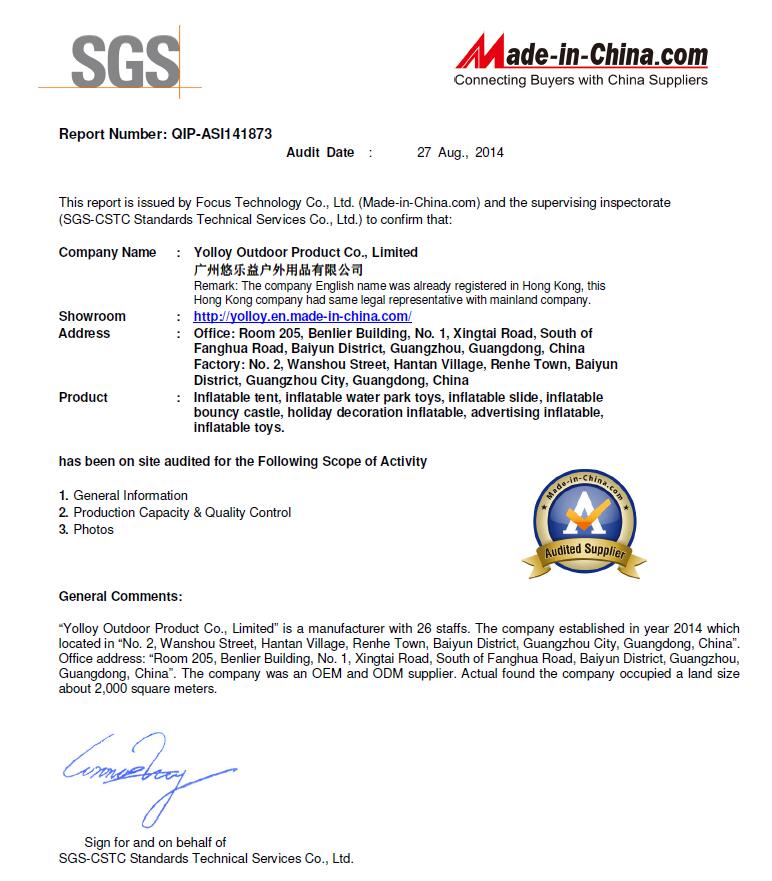
Certification

News

• New Order Successfully Finished for Long-Time Cooperated Japanese Client | YOLLOY Wins Full Client Recognition

• YOLLOY Custom Inflatable Pool Tent for Danish Client: Professional Pool Repair Shelter & Debris Protection

• Trusted Once Again! Greek Captain Re-orders Our Products After 4 Years

• Revolutionize Your Outdoors: The All-Terrain Inflatable Floating Tent for Land & Water

• Elevate Your Summer Fun: The Ultimate Inflatable Water Floating Volleyball Court Trampoline

• Innovative Inflatable Nightclub Tents & Pop-Up Bars: The Ultimate Solution for Portable Party Venues

Contact Us

Name: Sunny Yang
Tel: +86-20-8370 0771
Fax: +86-20-8370 0771
Mobile: 13570587575
E-mail: [email protected]
Add: No 5,Xiong wei Bo Nan Road,ZhongLuoTan Town,Baiyun district,Guangzhou,China
Friend me on Facebook Follow me on Twitter Add me to your circles Follow me on Pinterest Watch my channel on YouTube
News

What is the best inflatable boat storage solution for a garage?

Author:yolloy Date:2026/8/15 6:15:08

Owning an inflatable boat opens up a world of water adventures, from weekend fishing trips to family fun on the lake. But when the day on the water ends, finding the right storage solution becomes essential — especially if your only available space is the garage. Unlike traditional hard-hull boats that demand trailers and marina slips, inflatable boats offer the unique advantage of compact, deflatable storage. However, storing them improperly in a garage can lead to PVC degradation, mildew growth, and permanent creasing. So what is the best inflatable boat storage solution for a garage? Let's walk through the most effective options, from space-saving wall mounts to climate-conscious long-term care.

1. Pre-Storage Preparation: The Foundation of Good Storage

Before placing your inflatable boat into any garage storage setup, proper preparation is non-negotiable. Rinse the boat thoroughly with fresh water to remove salt, sand, and debris that can degrade the fabric over time. Use a mild soap and a soft brush to clean all surfaces, paying extra attention to seams and folds where dirt tends to accumulate. Allow the boat to air dry completely in a shaded, well-ventilated area — trapped moisture is the leading cause of mildew and material breakdown. Inspect the valves, seams, and PVC surface for any signs of wear, scrapes, or leaks. A clean, dry boat is the foundation of any successful storage plan.

2. Wall-Mounted Racks: The Space-Saving Champion

For garages where floor space is at a premium, wall-mounted racks are one of the best solutions available. Padded, adjustable hooks allow you to hang the deflated boat flat against the wall, keeping it off the ground and away from foot traffic. This method frees up significant floor space — often up to two square meters — while maintaining the boat's shape and preventing unnecessary creasing. When installing a wall-mounted rack, ensure it is anchored to wall studs and uses wide, padded supports to avoid creating pressure points on the PVC material. This setup is ideal for boats that are used regularly during the season, as the boat remains easily accessible.

3. Ceiling Hoist Systems: Maximizing Overhead Space

If your garage has high ceilings, a ceiling-mounted hoist system can be an excellent choice for inflatable boat storage. These pulley-based systems let you raise the boat overhead, completely freeing up both floor and wall space for other equipment or vehicles. This approach is particularly useful for larger inflatable boats or if you have multiple watercraft to store. Look for hoists with a locking mechanism to prevent accidental release, and always use wide straps rather than thin ropes to distribute the weight evenly across the boat's surface. Before installation, confirm that your ceiling joists can support the weight of the boat.

4. Heavy-Duty Shelving: Simple and Effective

Storing your deflated and folded inflatable boat on a sturdy garage shelf is one of the most straightforward and reliable solutions. After folding the boat loosely along its original seams, place it in a breathable storage bag or container, then set it on a shelf elevated off the concrete floor. Elevating the boat promotes air circulation and prevents condensation from seeping into the material. Avoid airtight plastic bags, which can trap moisture and accelerate mold growth. A heavy-duty steel or wood shelving unit rated for at least 50 kilograms provides a safe, permanent home for your inflatable boat in the garage.

5. Rolling Storage Carts: Mobility Meets Protection

For those who frequently take their inflatable boat in and out of storage, a rolling cart or dolly offers both mobility and protection. You can wheel the boat to your vehicle for loading and back into the garage corner when you return — minimizing the physical strain of carrying the boat and reducing the risk of scraping it against the floor. Some rolling carts are designed specifically for watercraft and feature padded cradles that support the boat's shape. This solution is especially practical if your garage doubles as a workshop and you need to reconfigure the space regularly.

6. Temperature and Humidity Control: Protecting Your Investment

Garages are not always climate-controlled, so it is important to be mindful of temperature and humidity extremes when storing inflatable boats. PVC materials can degrade in sustained heat above 38°C (100°F) and become brittle in freezing conditions. Ideally, store your inflatable boat in a garage that stays between 10°C and 30°C (50°F to 85°F). If your garage is prone to dampness, consider using a dehumidifier or placing moisture-absorbing products near the storage area. Avoid storing the boat directly against exterior walls, where temperature fluctuations are most pronounced.

7. Long-Term vs Short-Term Storage: Know the Difference

Your storage approach should vary depending on how long the boat will be idle. For short-term storage between weekend outings, a slightly deflated boat stored on a padded rack or in a breathable bag works well. For long-term or winter storage, fully deflate the boat, fold it loosely along its original seams, and store it in the most climate-stable part of the garage. Unfold and air out the boat every 60 to 90 days to prevent permanent creasing and allow any trapped moisture to escape. Applying a UV protectant spray designed for PVC before long-term storage adds an extra layer of defense against material degradation.

8. What to Avoid in Garage Storage

Several common mistakes can shorten the lifespan of an inflatable boat stored in a garage. Avoid placing heavy objects on top of the folded boat, as sustained pressure can deform the floor and seams over time. Never store the boat directly on a concrete floor — concrete wicks moisture and can promote mold growth from below. Keep the boat away from direct sunlight coming through garage windows, as UV rays degrade PVC even when the boat is in a bag. Finally, avoid storing the boat near heat sources such as water heaters, furnaces, or space heaters, which can cause uneven heating and material stress.

Conclusion

The best garage storage solution for your inflatable boat depends on your available space, climate, and how often you use the boat. Wall-mounted racks and ceiling hoists are ideal for saving floor space, while heavy-duty shelving and rolling carts offer versatility and ease of access. Whatever method you choose, the key principles remain the same: keep the boat clean, dry, and protected from temperature extremes. When investing in inflatable boat toys, choosing a reliable manufacturer matters just as much as how you store them. YOLLOY, a professional inflatable product manufacturer based in Guangzhou, China, produces a wide range of inflatable toy boats and boat inflatable toys using commercial-grade PVC tarpaulin and precision manufacturing techniques. With proper garage storage, your YOLLOY inflatable boat will stay in excellent condition and be ready for your next adventure on the water.


What is the best inflatable boat storage solution for a garage?

Author:yolloy Date:2026/8/15 6:15:08

Owning an inflatable boat opens up a world of water adventures, from weekend fishing trips to family fun on the lake. But when the day on the water ends, finding the right storage solution becomes essential — especially if your only available space is the garage. Unlike traditional hard-hull boats that demand trailers and marina slips, inflatable boats offer the unique advantage of compact, deflatable storage. However, storing them improperly in a garage can lead to PVC degradation, mildew growth, and permanent creasing. So what is the best inflatable boat storage solution for a garage? Let's walk through the most effective options, from space-saving wall mounts to climate-conscious long-term care.

1. Pre-Storage Preparation: The Foundation of Good Storage

Before placing your inflatable boat into any garage storage setup, proper preparation is non-negotiable. Rinse the boat thoroughly with fresh water to remove salt, sand, and debris that can degrade the fabric over time. Use a mild soap and a soft brush to clean all surfaces, paying extra attention to seams and folds where dirt tends to accumulate. Allow the boat to air dry completely in a shaded, well-ventilated area — trapped moisture is the leading cause of mildew and material breakdown. Inspect the valves, seams, and PVC surface for any signs of wear, scrapes, or leaks. A clean, dry boat is the foundation of any successful storage plan.

2. Wall-Mounted Racks: The Space-Saving Champion

For garages where floor space is at a premium, wall-mounted racks are one of the best solutions available. Padded, adjustable hooks allow you to hang the deflated boat flat against the wall, keeping it off the ground and away from foot traffic. This method frees up significant floor space — often up to two square meters — while maintaining the boat's shape and preventing unnecessary creasing. When installing a wall-mounted rack, ensure it is anchored to wall studs and uses wide, padded supports to avoid creating pressure points on the PVC material. This setup is ideal for boats that are used regularly during the season, as the boat remains easily accessible.

3. Ceiling Hoist Systems: Maximizing Overhead Space

If your garage has high ceilings, a ceiling-mounted hoist system can be an excellent choice for inflatable boat storage. These pulley-based systems let you raise the boat overhead, completely freeing up both floor and wall space for other equipment or vehicles. This approach is particularly useful for larger inflatable boats or if you have multiple watercraft to store. Look for hoists with a locking mechanism to prevent accidental release, and always use wide straps rather than thin ropes to distribute the weight evenly across the boat's surface. Before installation, confirm that your ceiling joists can support the weight of the boat.

4. Heavy-Duty Shelving: Simple and Effective

Storing your deflated and folded inflatable boat on a sturdy garage shelf is one of the most straightforward and reliable solutions. After folding the boat loosely along its original seams, place it in a breathable storage bag or container, then set it on a shelf elevated off the concrete floor. Elevating the boat promotes air circulation and prevents condensation from seeping into the material. Avoid airtight plastic bags, which can trap moisture and accelerate mold growth. A heavy-duty steel or wood shelving unit rated for at least 50 kilograms provides a safe, permanent home for your inflatable boat in the garage.

5. Rolling Storage Carts: Mobility Meets Protection

For those who frequently take their inflatable boat in and out of storage, a rolling cart or dolly offers both mobility and protection. You can wheel the boat to your vehicle for loading and back into the garage corner when you return — minimizing the physical strain of carrying the boat and reducing the risk of scraping it against the floor. Some rolling carts are designed specifically for watercraft and feature padded cradles that support the boat's shape. This solution is especially practical if your garage doubles as a workshop and you need to reconfigure the space regularly.

6. Temperature and Humidity Control: Protecting Your Investment

Garages are not always climate-controlled, so it is important to be mindful of temperature and humidity extremes when storing inflatable boats. PVC materials can degrade in sustained heat above 38°C (100°F) and become brittle in freezing conditions. Ideally, store your inflatable boat in a garage that stays between 10°C and 30°C (50°F to 85°F). If your garage is prone to dampness, consider using a dehumidifier or placing moisture-absorbing products near the storage area. Avoid storing the boat directly against exterior walls, where temperature fluctuations are most pronounced.

7. Long-Term vs Short-Term Storage: Know the Difference

Your storage approach should vary depending on how long the boat will be idle. For short-term storage between weekend outings, a slightly deflated boat stored on a padded rack or in a breathable bag works well. For long-term or winter storage, fully deflate the boat, fold it loosely along its original seams, and store it in the most climate-stable part of the garage. Unfold and air out the boat every 60 to 90 days to prevent permanent creasing and allow any trapped moisture to escape. Applying a UV protectant spray designed for PVC before long-term storage adds an extra layer of defense against material degradation.

8. What to Avoid in Garage Storage

Several common mistakes can shorten the lifespan of an inflatable boat stored in a garage. Avoid placing heavy objects on top of the folded boat, as sustained pressure can deform the floor and seams over time. Never store the boat directly on a concrete floor — concrete wicks moisture and can promote mold growth from below. Keep the boat away from direct sunlight coming through garage windows, as UV rays degrade PVC even when the boat is in a bag. Finally, avoid storing the boat near heat sources such as water heaters, furnaces, or space heaters, which can cause uneven heating and material stress.

Conclusion

The best garage storage solution for your inflatable boat depends on your available space, climate, and how often you use the boat. Wall-mounted racks and ceiling hoists are ideal for saving floor space, while heavy-duty shelving and rolling carts offer versatility and ease of access. Whatever method you choose, the key principles remain the same: keep the boat clean, dry, and protected from temperature extremes. When investing in inflatable boat toys, choosing a reliable manufacturer matters just as much as how you store them. YOLLOY, a professional inflatable product manufacturer based in Guangzhou, China, produces a wide range of inflatable toy boats and boat inflatable toys using commercial-grade PVC tarpaulin and precision manufacturing techniques. With proper garage storage, your YOLLOY inflatable boat will stay in excellent condition and be ready for your next adventure on the water.