Products Category
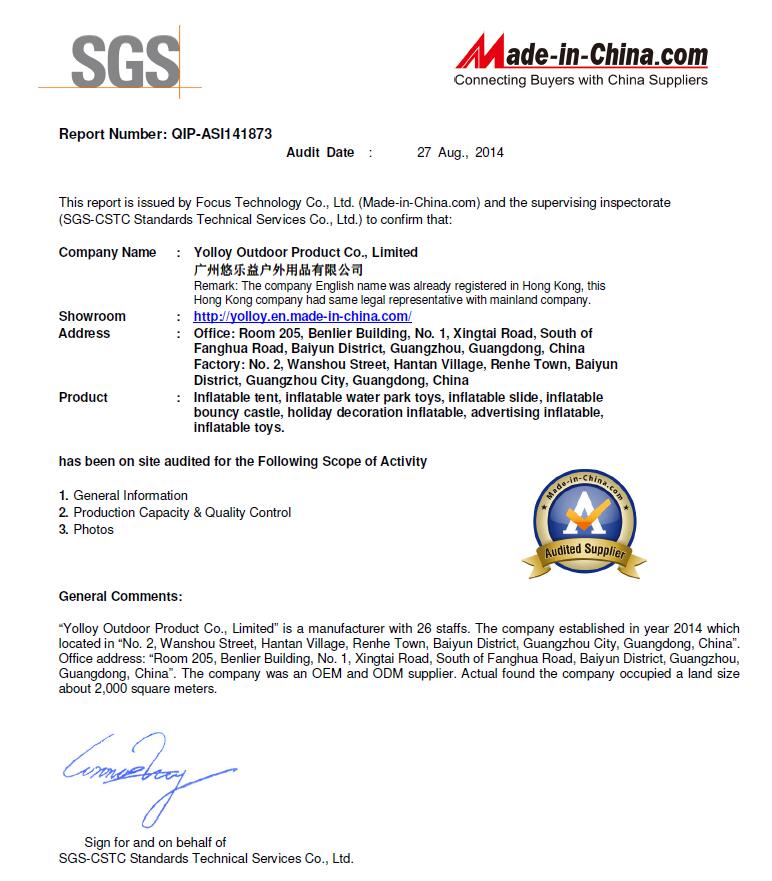
Certification

News

• New Order Successfully Finished for Long-Time Cooperated Japanese Client | YOLLOY Wins Full Client Recognition

• YOLLOY Custom Inflatable Pool Tent for Danish Client: Professional Pool Repair Shelter & Debris Protection

• Trusted Once Again! Greek Captain Re-orders Our Products After 4 Years

• Revolutionize Your Outdoors: The All-Terrain Inflatable Floating Tent for Land & Water

• Elevate Your Summer Fun: The Ultimate Inflatable Water Floating Volleyball Court Trampoline

• Innovative Inflatable Nightclub Tents & Pop-Up Bars: The Ultimate Solution for Portable Party Venues

Contact Us

Name: Sunny Yang
Tel: +86-20-8370 0771
Fax: +86-20-8370 0771
Mobile: 13570587575
E-mail: [email protected]
Add: No 5,Xiong wei Bo Nan Road,ZhongLuoTan Town,Baiyun district,Guangzhou,China
Friend me on Facebook Follow me on Twitter Add me to your circles Follow me on Pinterest Watch my channel on YouTube
News

What is the best boat tent fishing tent for a family?

Author:yolloy Date:2026/8/19 0:36:38

Fishing trips with the whole family are some of the best days of the year, but they come with a practical problem: where does everyone shelter when the sun gets too strong, the wind picks up, or a shower rolls in across the water? A boat tent solves that problem by giving you a dry, shaded space right where you are, so nobody has to pack up and head home early. If you are shopping for one, the question is not just which model looks good, but which type of shelter actually fits a family, a boat, and a fishing trip that can last all day.

What a family actually needs from a boat tent

Before comparing models, it helps to list what a family trip demands. A tent for two adults and a couple of children needs enough floor space for everyone to sit or lie down, enough headroom so nobody feels cramped, and a layout that keeps wet gear and muddy boots away from the sleeping area. It also needs to go up quickly, because nobody wants to spend an hour wrestling with poles while the kids are waiting and the fish are biting.

Weather protection matters just as much. A tent used on a boat or at the water's edge faces wind and spray that a backyard tent never sees, so the fabric needs to be genuinely waterproof, the seams need to be strong, and the structure needs to hold its shape in a gust. Ventilation is easy to overlook but hard to live without: mesh windows and doors let the breeze through on hot days and keep insects out at dusk, which makes a real difference when you are on the water from morning to evening.

Why an inflatable boat tent suits families so well

Traditional tents rely on a frame of poles that you have to assemble, thread through sleeves, and tension correctly. An inflatable boat tent replaces those poles with air beams, so setup is mostly a matter of connecting a blower and watching the structure rise. That is a big advantage when you are setting up on a deck, a pontoon, or a rocky shoreline where there is no flat ground and no patience for fiddly assembly.

Air beams also make the tent more forgiving. There are no rigid poles to snap, bend, or poke through the fabric, and the inflated structure flexes in the wind instead of fighting it. When the trip is over, the tent deflates into a compact bundle that stows far more easily on a boat than a pole tent of the same size. For a family that wants to spend its time fishing rather than assembling gear, that combination of quick setup, durability, and easy storage is hard to beat.

Choosing the right shape for your trip

Inflatable tents come in a few basic shapes, and each suits a different kind of family trip. A dome tent gives you a simple, stable footprint and good headroom in the middle, which makes it a dependable choice for sleeping and sheltering. A tunnel tent offers a longer, roomier interior that works well when you want separate zones for sleeping and for storing gear. A shelter-style tent, often open on one side, is more of a canopy that protects a seating and cooking area while keeping the view of the water.

If you are not sure which shape fits, think about how the tent will be used. A family that mainly wants a place to sleep after a long day of fishing will value a fully enclosed dome or tunnel with good weather protection. A family that spends most of its time outside and just needs shade and shelter for meals will get more use from a shelter or canopy design. Many families end up with one enclosed tent for sleeping and a smaller canopy for daytime shade.

Key features to check before you buy

Whatever shape you choose, a few details separate a tent that lasts from one that disappoints. Start with the material. Commercial-grade PVC tarpaulin is the workhorse for inflatable products that face heavy use, while Oxford fabric, nylon, or TPU may be used for lighter tent projects. Look for reinforced seams sewn with waterproof nylon thread and extra reinforcement at high-load points, and check that airtight sections are joined with high-temperature fusion or welding so the structure holds pressure reliably.

The blower is part of the package, so confirm it matches your power supply, typically 110V, 220V, or 380V depending on your market, and that it meets CE or UL requirements. Anchoring is another detail that matters on the water: look for D-ring or round metal anchor systems that let you stake the tent down securely against wind. Finally, ask about safety testing. Materials that have passed EN71 and RoHS-related testing, and inflatable play products associated with EN 14960, give you more confidence that the tent is built to a recognized standard.

Sizing a tent for your family

Capacity ratings are a useful starting point, but they are not the whole story. A four-person rating usually means the tent can sleep four people lying down, with little room left over for bags, coolers, and fishing tackle. If you are a family of four, an inflatable family tent rated for four to six people gives everyone space to move, store gear, and stay comfortable when the weather keeps you inside longer than planned.

Headroom is worth checking too, especially if adults will be changing or moving around inside. A tent with a higher center height feels far more comfortable for a family, even if the floor area is the same. If your trips vary in size, look for a supplier that offers custom dimensions, because a tent sized to your boat and your family is always a better fit than one sized to a generic rating.

Caring for your tent so it lasts

A good inflatable tent will serve a family for years if it is looked after. Dry the tent thoroughly before packing it away, because storing it damp is the fastest way to shorten its life. Clean it with mild soap and water rather than harsh chemicals, and check the seams and anchor points after each trip for signs of wear. Keep the repair kit that comes with the product on board, and patch small punctures as soon as you notice them before they grow.

With proper use and maintenance, a well-built inflatable tent can reasonably be expected to serve for about three years or more depending on the product and how heavily it is used. That is a good return for a piece of gear that makes every family fishing trip more comfortable.

Where to find a tent that fits your family

For most families, the best option is a manufacturer that can supply a ready-made tent and also adjust it to your needs. YOLLOY, an inflatable-product manufacturer based in Guangzhou, China, builds custom inflatable tents including cube, tunnel, dome, shelter, and party tents, and works from a description, drawing, sketch, photograph, site plan, or budget. Its designers prepare simulation renderings from your proposal, revise the design until you approve it, and then release it for production, so you can see what the tent will look like before it is built.

Custom sizes and colors are available, customer logos and artwork can be printed on the product, and the minimum order quantity is one piece, which makes it practical to order a single tent for your own family. Production typically takes about 6 to 15 days for one regular inflatable product, and the company supplies blowers for 110V, 220V, or 380V requirements. YOLLOY exports to Europe, Asia, South America, Africa, the Middle East, and Latin America, and reports a 95% on-time delivery rate, with emails and faxes answered within 24 hours.

If you are comparing options, the YOLLOY outdoor tent range is a good place to start. Whether you need a fully enclosed shelter for overnight fishing trips or a spacious inflatable camping tent for the whole family, a manufacturer that builds to your size and layout will always give you a better result than a one-size-fits-all model.

Conclusion

The best boat tent for a fishing family is the one that matches how you actually spend your trips: enough space for everyone, quick and easy setup, solid weather protection, and a shape that suits your boat and your plans. Inflatable designs deliver on all of these, with air beams that make setup fast, storage compact, and the structure tough enough for life on the water. Check the material, seams, blower, anchoring, and safety testing before you buy, size the tent generously for your family, and look after it between trips, and it will serve you for many seasons of fishing together.

When you are ready to choose, browse the inflatable tent range at YOLLOY or contact the team at [email protected] with your family size and your boat layout, and they will help you find a tent that fits both.


What is the best boat tent fishing tent for a family?

Author:yolloy Date:2026/8/19 0:36:38

Fishing trips with the whole family are some of the best days of the year, but they come with a practical problem: where does everyone shelter when the sun gets too strong, the wind picks up, or a shower rolls in across the water? A boat tent solves that problem by giving you a dry, shaded space right where you are, so nobody has to pack up and head home early. If you are shopping for one, the question is not just which model looks good, but which type of shelter actually fits a family, a boat, and a fishing trip that can last all day.

What a family actually needs from a boat tent

Before comparing models, it helps to list what a family trip demands. A tent for two adults and a couple of children needs enough floor space for everyone to sit or lie down, enough headroom so nobody feels cramped, and a layout that keeps wet gear and muddy boots away from the sleeping area. It also needs to go up quickly, because nobody wants to spend an hour wrestling with poles while the kids are waiting and the fish are biting.

Weather protection matters just as much. A tent used on a boat or at the water's edge faces wind and spray that a backyard tent never sees, so the fabric needs to be genuinely waterproof, the seams need to be strong, and the structure needs to hold its shape in a gust. Ventilation is easy to overlook but hard to live without: mesh windows and doors let the breeze through on hot days and keep insects out at dusk, which makes a real difference when you are on the water from morning to evening.

Why an inflatable boat tent suits families so well

Traditional tents rely on a frame of poles that you have to assemble, thread through sleeves, and tension correctly. An inflatable boat tent replaces those poles with air beams, so setup is mostly a matter of connecting a blower and watching the structure rise. That is a big advantage when you are setting up on a deck, a pontoon, or a rocky shoreline where there is no flat ground and no patience for fiddly assembly.

Air beams also make the tent more forgiving. There are no rigid poles to snap, bend, or poke through the fabric, and the inflated structure flexes in the wind instead of fighting it. When the trip is over, the tent deflates into a compact bundle that stows far more easily on a boat than a pole tent of the same size. For a family that wants to spend its time fishing rather than assembling gear, that combination of quick setup, durability, and easy storage is hard to beat.

Choosing the right shape for your trip

Inflatable tents come in a few basic shapes, and each suits a different kind of family trip. A dome tent gives you a simple, stable footprint and good headroom in the middle, which makes it a dependable choice for sleeping and sheltering. A tunnel tent offers a longer, roomier interior that works well when you want separate zones for sleeping and for storing gear. A shelter-style tent, often open on one side, is more of a canopy that protects a seating and cooking area while keeping the view of the water.

If you are not sure which shape fits, think about how the tent will be used. A family that mainly wants a place to sleep after a long day of fishing will value a fully enclosed dome or tunnel with good weather protection. A family that spends most of its time outside and just needs shade and shelter for meals will get more use from a shelter or canopy design. Many families end up with one enclosed tent for sleeping and a smaller canopy for daytime shade.

Key features to check before you buy

Whatever shape you choose, a few details separate a tent that lasts from one that disappoints. Start with the material. Commercial-grade PVC tarpaulin is the workhorse for inflatable products that face heavy use, while Oxford fabric, nylon, or TPU may be used for lighter tent projects. Look for reinforced seams sewn with waterproof nylon thread and extra reinforcement at high-load points, and check that airtight sections are joined with high-temperature fusion or welding so the structure holds pressure reliably.

The blower is part of the package, so confirm it matches your power supply, typically 110V, 220V, or 380V depending on your market, and that it meets CE or UL requirements. Anchoring is another detail that matters on the water: look for D-ring or round metal anchor systems that let you stake the tent down securely against wind. Finally, ask about safety testing. Materials that have passed EN71 and RoHS-related testing, and inflatable play products associated with EN 14960, give you more confidence that the tent is built to a recognized standard.

Sizing a tent for your family

Capacity ratings are a useful starting point, but they are not the whole story. A four-person rating usually means the tent can sleep four people lying down, with little room left over for bags, coolers, and fishing tackle. If you are a family of four, an inflatable family tent rated for four to six people gives everyone space to move, store gear, and stay comfortable when the weather keeps you inside longer than planned.

Headroom is worth checking too, especially if adults will be changing or moving around inside. A tent with a higher center height feels far more comfortable for a family, even if the floor area is the same. If your trips vary in size, look for a supplier that offers custom dimensions, because a tent sized to your boat and your family is always a better fit than one sized to a generic rating.

Caring for your tent so it lasts

A good inflatable tent will serve a family for years if it is looked after. Dry the tent thoroughly before packing it away, because storing it damp is the fastest way to shorten its life. Clean it with mild soap and water rather than harsh chemicals, and check the seams and anchor points after each trip for signs of wear. Keep the repair kit that comes with the product on board, and patch small punctures as soon as you notice them before they grow.

With proper use and maintenance, a well-built inflatable tent can reasonably be expected to serve for about three years or more depending on the product and how heavily it is used. That is a good return for a piece of gear that makes every family fishing trip more comfortable.

Where to find a tent that fits your family

For most families, the best option is a manufacturer that can supply a ready-made tent and also adjust it to your needs. YOLLOY, an inflatable-product manufacturer based in Guangzhou, China, builds custom inflatable tents including cube, tunnel, dome, shelter, and party tents, and works from a description, drawing, sketch, photograph, site plan, or budget. Its designers prepare simulation renderings from your proposal, revise the design until you approve it, and then release it for production, so you can see what the tent will look like before it is built.

Custom sizes and colors are available, customer logos and artwork can be printed on the product, and the minimum order quantity is one piece, which makes it practical to order a single tent for your own family. Production typically takes about 6 to 15 days for one regular inflatable product, and the company supplies blowers for 110V, 220V, or 380V requirements. YOLLOY exports to Europe, Asia, South America, Africa, the Middle East, and Latin America, and reports a 95% on-time delivery rate, with emails and faxes answered within 24 hours.

If you are comparing options, the YOLLOY outdoor tent range is a good place to start. Whether you need a fully enclosed shelter for overnight fishing trips or a spacious inflatable camping tent for the whole family, a manufacturer that builds to your size and layout will always give you a better result than a one-size-fits-all model.

Conclusion

The best boat tent for a fishing family is the one that matches how you actually spend your trips: enough space for everyone, quick and easy setup, solid weather protection, and a shape that suits your boat and your plans. Inflatable designs deliver on all of these, with air beams that make setup fast, storage compact, and the structure tough enough for life on the water. Check the material, seams, blower, anchoring, and safety testing before you buy, size the tent generously for your family, and look after it between trips, and it will serve you for many seasons of fishing together.

When you are ready to choose, browse the inflatable tent range at YOLLOY or contact the team at [email protected] with your family size and your boat layout, and they will help you find a tent that fits both.