Products Category
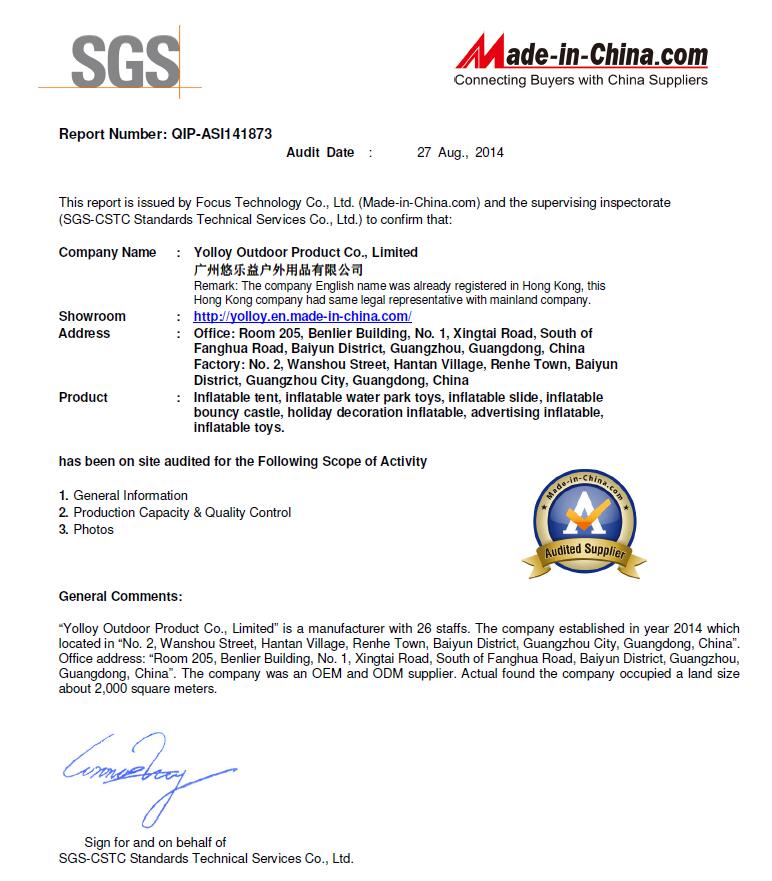
Certification

News

• New Order Successfully Finished for Long-Time Cooperated Japanese Client | YOLLOY Wins Full Client Recognition

• YOLLOY Custom Inflatable Pool Tent for Danish Client: Professional Pool Repair Shelter & Debris Protection

• Trusted Once Again! Greek Captain Re-orders Our Products After 4 Years

• Revolutionize Your Outdoors: The All-Terrain Inflatable Floating Tent for Land & Water

• Elevate Your Summer Fun: The Ultimate Inflatable Water Floating Volleyball Court Trampoline

• Innovative Inflatable Nightclub Tents & Pop-Up Bars: The Ultimate Solution for Portable Party Venues

Contact Us

Name: Sunny Yang
Tel: +86-20-8370 0771
Fax: +86-20-8370 0771
Mobile: 13570587575
E-mail: [email protected]
Add: No 5,Xiong wei Bo Nan Road,ZhongLuoTan Town,Baiyun district,Guangzhou,China
Friend me on Facebook Follow me on Twitter Add me to your circles Follow me on Pinterest Watch my channel on YouTube
News

How do you care for a tent with skylight?

Author:yolloy Date:2026/8/18 23:25:34

A tent with a clear skylight is one of the most rewarding camping purchases you can make. Whether you are camping under the stars, running a glamping site, or hosting an event, that transparent roof lets natural light flood in during the day and turns your shelter into a private observatory at night. But a clear panel is also the most delicate part of the whole structure, and it rewards a very different kind of care than a standard fabric wall. With the right routine, your skylight stays crystal clear for years and keeps on delivering those panoramic views.

Why a clear skylight needs special treatment

Standard tent fabric hides surface wear, but a transparent window makes every scratch, smear, and dull patch obvious. Clear materials used in modern inflatable shelters are engineered for strength and transparency, yet they remain more sensitive than coated fabric to three things: ultraviolet light, abrasive particles, and tight folding. Over time, UV exposure can make clear panels yellow and hazy, rough handling can leave permanent micro-scratches, and hard creases can create unwelcome cloudy lines that catch the light. Understanding these three weak points makes it much easier to keep a clear inflatable dome tent looking its best.

Clean it the right way

The single most important habit is cleaning your tent regularly and gently. Dirt, pollen, bird droppings, and tree sap do not just look bad; if left on the surface they can etch into the clear material and speed up wear.

  • Use lukewarm water with a few drops of mild soap or dish detergent.
  • Wipe with a clean, soft microfiber cloth or a soft sponge, working from the inside to the outside of the panel.
  • Rinse with clean water afterward so no soap residue dries into a film on the clear surface.
  • Never use alcohol-based cleaners, acetone, window cleaners with ammonia, or abrasive powders; these can cloud, dull, or scratch the transparent layer.
  • Avoid high-pressure washers on the clear sections; the jet can force debris into the material or stress the seams around the window.

Gentle, frequent cleaning not only keeps the view clear but also protects the long-term transparency of your inflatable camping tent.

Protect the panel from the sun

Sunlight is the hidden enemy of any clear tent window. UV rays gradually break down clear materials, which shows up as yellowing, hazing, and reduced clarity. The good news is that protection is simple:

  • Whenever you can, pitch the tent so the main skylight does not face the harshest afternoon sun all day long.
  • Use a UV-protectant spray formulated for vinyl, PVC, or clear plastics. A light application adds a barrier that absorbs UV before it reaches the panel.
  • Reapply the protectant according to the product instructions, and more often if the tent stays set up outdoors for long stretches.
  • When the tent is not in use, keep it out of direct daylight so the panel rests in the shade.

A small investment in UV protection makes a visible difference over a whole season and keeps that fresh, water-clear finish much longer.

Dry it completely before you store it

Moisture is the most common cause of premature damage once a tent is packed away. If a clear panel is folded while damp, trapped humidity can lead to clouding, sticky marks, and over time mildew that is very hard to remove from the transparent material. Make drying a non-negotiable step:

  • Dry the tent in a shady, well-ventilated spot. Strong direct sun can soften the material, so shade is safer than full midday exposure.
  • Wipe the clear panels down with a dry microfiber cloth to remove any remaining water droplets.
  • Only fold and pack the shelter once it is completely dry to the touch.
  • If you must take the tent down in the rain, unpack and air it out as soon as possible afterward.

Fold loosely and store carefully

Unlike plain fabric, a clear panel remembers pressure. Folding it in exactly the same place time after time, or leaving heavy items resting on top of it, can leave permanent crease lines that scatter light and spoil the see-through effect. A little thought at packing time protects your skylight for the long run:

  • Roll and fold loosely, trying not to crease the clear sections at the same spot every time.
  • Store the tent in a cool, dry, ventilated space rather than a hot garage or damp basement.
  • Avoid stacking heavy equipment on top of the packed tent.
  • If the tent comes with a larger storage bag, use it, and consider adding a small desiccant packet to keep internal moisture low.

Inspect and repair small issues early

Catching a small problem early is far cheaper than replacing a panel later. Before and after each trip, give the tent a quick once-over:

  • Check the clear windows for pinprick holes, punctures, or cracks, especially near the edges and seams.
  • Run your fingers along the seams to feel for loose stitching or open spots.
  • Look for any leaking air around the skylight and the air valves.
  • Clean away dirt and debris that could rub against the material during transit.

If you do spot a small tear or leak, patch it promptly. Most inflatable shelters are supplied with a repair kit for this exact purpose, and fixing a tiny hole in minutes stops it from growing into a larger problem. For bigger concerns it is always worth contacting the maker for advice rather than improvising a repair that might damage the clear layer.

Handle the fabric behind the window too

While the clear skylight steals the show, the rest of the shelter supports it and deserves the same consideration. The body of a quality inflatable shelter is usually made from coated PVC, Oxford fabric, or similar materials chosen for the application, and it is easier to care for than the clear panel but still benefits from good habits.

  • Wipe down the fabric walls with the same mild soap-and-water method to remove dirt before it works into the weave.
  • Keep sharp objects and hard footwear away from the floor and lower walls, where punctures are most likely.
  • Make sure the blower intake is clear and the air pressure stays within the range the maker intends, so the structure keeps its shape and the seams are not overstressed.
  • At the end of a rental season or a long trip, check the anchor points and seam reinforcement so everything is ready for the next set-up.

Keep the view, keep the tent

A tent with a skylight earns its place in your gear not by being pampered, but by being cared for correctly: clean it gently, keep it out of harsh sun, dry it fully, fold it loosely, and fix small issues before they spread. Do that, and the difference between a hazy, yellowing panel and a bright, endless view is simply a matter of habit. For anyone choosing an inflatable bubble tent, a manufacturer that understands how these clear structures are built, and that stands behind the materials, makes the care routine easier from day one.

YOLLOY is an inflatable product manufacturer based in Guangzhou, China, producing custom inflatable tents, clear dome tents, bubble tents, water park products, slides, and many other inflatable solutions. They use commercial-grade PVC and related materials, test relevant products to safety standards, and pay close attention to reinforced seams and quality control before shipping. If you are planning a camping tent, an event shelter, or a full clear-dome project, you can reach YOLLOY at [email protected] or through the contact page on their website.

How do you care for a tent with skylight?

Author:yolloy Date:2026/8/18 23:25:34

A tent with a clear skylight is one of the most rewarding camping purchases you can make. Whether you are camping under the stars, running a glamping site, or hosting an event, that transparent roof lets natural light flood in during the day and turns your shelter into a private observatory at night. But a clear panel is also the most delicate part of the whole structure, and it rewards a very different kind of care than a standard fabric wall. With the right routine, your skylight stays crystal clear for years and keeps on delivering those panoramic views.

Why a clear skylight needs special treatment

Standard tent fabric hides surface wear, but a transparent window makes every scratch, smear, and dull patch obvious. Clear materials used in modern inflatable shelters are engineered for strength and transparency, yet they remain more sensitive than coated fabric to three things: ultraviolet light, abrasive particles, and tight folding. Over time, UV exposure can make clear panels yellow and hazy, rough handling can leave permanent micro-scratches, and hard creases can create unwelcome cloudy lines that catch the light. Understanding these three weak points makes it much easier to keep a clear inflatable dome tent looking its best.

Clean it the right way

The single most important habit is cleaning your tent regularly and gently. Dirt, pollen, bird droppings, and tree sap do not just look bad; if left on the surface they can etch into the clear material and speed up wear.

  • Use lukewarm water with a few drops of mild soap or dish detergent.
  • Wipe with a clean, soft microfiber cloth or a soft sponge, working from the inside to the outside of the panel.
  • Rinse with clean water afterward so no soap residue dries into a film on the clear surface.
  • Never use alcohol-based cleaners, acetone, window cleaners with ammonia, or abrasive powders; these can cloud, dull, or scratch the transparent layer.
  • Avoid high-pressure washers on the clear sections; the jet can force debris into the material or stress the seams around the window.

Gentle, frequent cleaning not only keeps the view clear but also protects the long-term transparency of your inflatable camping tent.

Protect the panel from the sun

Sunlight is the hidden enemy of any clear tent window. UV rays gradually break down clear materials, which shows up as yellowing, hazing, and reduced clarity. The good news is that protection is simple:

  • Whenever you can, pitch the tent so the main skylight does not face the harshest afternoon sun all day long.
  • Use a UV-protectant spray formulated for vinyl, PVC, or clear plastics. A light application adds a barrier that absorbs UV before it reaches the panel.
  • Reapply the protectant according to the product instructions, and more often if the tent stays set up outdoors for long stretches.
  • When the tent is not in use, keep it out of direct daylight so the panel rests in the shade.

A small investment in UV protection makes a visible difference over a whole season and keeps that fresh, water-clear finish much longer.

Dry it completely before you store it

Moisture is the most common cause of premature damage once a tent is packed away. If a clear panel is folded while damp, trapped humidity can lead to clouding, sticky marks, and over time mildew that is very hard to remove from the transparent material. Make drying a non-negotiable step:

  • Dry the tent in a shady, well-ventilated spot. Strong direct sun can soften the material, so shade is safer than full midday exposure.
  • Wipe the clear panels down with a dry microfiber cloth to remove any remaining water droplets.
  • Only fold and pack the shelter once it is completely dry to the touch.
  • If you must take the tent down in the rain, unpack and air it out as soon as possible afterward.

Fold loosely and store carefully

Unlike plain fabric, a clear panel remembers pressure. Folding it in exactly the same place time after time, or leaving heavy items resting on top of it, can leave permanent crease lines that scatter light and spoil the see-through effect. A little thought at packing time protects your skylight for the long run:

  • Roll and fold loosely, trying not to crease the clear sections at the same spot every time.
  • Store the tent in a cool, dry, ventilated space rather than a hot garage or damp basement.
  • Avoid stacking heavy equipment on top of the packed tent.
  • If the tent comes with a larger storage bag, use it, and consider adding a small desiccant packet to keep internal moisture low.

Inspect and repair small issues early

Catching a small problem early is far cheaper than replacing a panel later. Before and after each trip, give the tent a quick once-over:

  • Check the clear windows for pinprick holes, punctures, or cracks, especially near the edges and seams.
  • Run your fingers along the seams to feel for loose stitching or open spots.
  • Look for any leaking air around the skylight and the air valves.
  • Clean away dirt and debris that could rub against the material during transit.

If you do spot a small tear or leak, patch it promptly. Most inflatable shelters are supplied with a repair kit for this exact purpose, and fixing a tiny hole in minutes stops it from growing into a larger problem. For bigger concerns it is always worth contacting the maker for advice rather than improvising a repair that might damage the clear layer.

Handle the fabric behind the window too

While the clear skylight steals the show, the rest of the shelter supports it and deserves the same consideration. The body of a quality inflatable shelter is usually made from coated PVC, Oxford fabric, or similar materials chosen for the application, and it is easier to care for than the clear panel but still benefits from good habits.

  • Wipe down the fabric walls with the same mild soap-and-water method to remove dirt before it works into the weave.
  • Keep sharp objects and hard footwear away from the floor and lower walls, where punctures are most likely.
  • Make sure the blower intake is clear and the air pressure stays within the range the maker intends, so the structure keeps its shape and the seams are not overstressed.
  • At the end of a rental season or a long trip, check the anchor points and seam reinforcement so everything is ready for the next set-up.

Keep the view, keep the tent

A tent with a skylight earns its place in your gear not by being pampered, but by being cared for correctly: clean it gently, keep it out of harsh sun, dry it fully, fold it loosely, and fix small issues before they spread. Do that, and the difference between a hazy, yellowing panel and a bright, endless view is simply a matter of habit. For anyone choosing an inflatable bubble tent, a manufacturer that understands how these clear structures are built, and that stands behind the materials, makes the care routine easier from day one.

YOLLOY is an inflatable product manufacturer based in Guangzhou, China, producing custom inflatable tents, clear dome tents, bubble tents, water park products, slides, and many other inflatable solutions. They use commercial-grade PVC and related materials, test relevant products to safety standards, and pay close attention to reinforced seams and quality control before shipping. If you are planning a camping tent, an event shelter, or a full clear-dome project, you can reach YOLLOY at [email protected] or through the contact page on their website.