A good night's sleep can make or break a camping trip, and the surface you sleep on matters more than most people realize. If you have ever unrolled a brand-new inflatable bed and noticed a strong chemical smell, you have already met the problem this article is about. That smell is off-gassing, and it comes from the materials used to make many traditional camping mattresses. A non-toxic camping mattress is one that is made without the harmful plasticizers, heavy metals, and volatile compounds that can be released from cheaper materials, so you can sleep soundly without worrying about what you are breathing in all night. If you are shopping for the best inflatable air mattress for camping, understanding these materials is the first step to a safer purchase.
What does "non-toxic" actually mean?
When people talk about non-toxic camping mattresses, they are usually talking about three things: the base material, the additives used to soften it, and the certifications that prove both are safe.
Most traditional inflatable mattresses are made from polyvinyl chloride (PVC). PVC itself is a rigid plastic, so manufacturers add chemical plasticizers, most commonly phthalates, to make it soft and flexible. These plasticizers are the main source of the strong "plastic smell" and are the compounds that health-conscious campers want to avoid. Over time, and especially in the warm conditions inside a tent, these chemicals can be released into the air around you.
Safer alternatives include thermoplastic polyurethane (TPU) and polyether polyurethane (PU). TPU is naturally flexible, so it does not need phthalate plasticizers at all. It is also more resistant to punctures, stretching, and temperature changes, which means fewer leaks and a longer service life. Many modern manufacturers also offer "eco-PVC" blends that reduce the amount of plasticizer used and are tested to be phthalate-free.
Certifications to look for
The safest way to confirm that a mattress is non-toxic is to check its certifications. Look for products that state they are phthalate-free, BPA-free, and low-VOC. Independent testing standards such as EN71 (toy safety), EN14960 (inflatable play equipment), and RoHS (restriction of hazardous substances) are good indicators that a product has been checked for harmful substances. For inflatable products used around water, EN15649 is also relevant. When a manufacturer is willing to put these certifications on its products, it is a strong sign that material safety is taken seriously rather than treated as an afterthought.
What to look for when buying a non-toxic camping mattress
- Material first: choose TPU, PU, or a certified phthalate-free eco-PVC over standard PVC.
- Check the certifications: phthalate-free, BPA-free, low-VOC, and relevant EN or RoHS testing.
- Look at construction: reinforced seams, waterproof nylon thread, and extra reinforcement at high-load areas prevent leaks and extend the life of the mattress.
- Consider the inflation system: built-in pumps are convenient, while manual pumps are lighter for backpacking.
- Think about comfort: raised mattresses are easier to get in and out of, and internal air coils or beams keep the surface firm all night.
How a manufacturer ensures a safe mattress
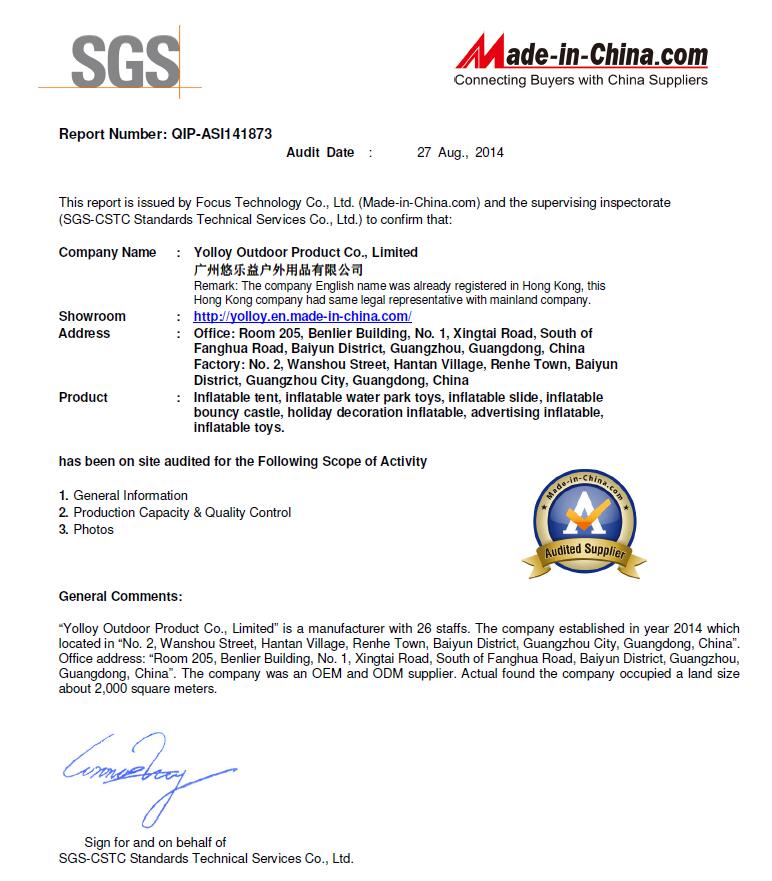
When you buy from a manufacturer directly, you can ask about materials and testing before you commit. A responsible inflatable mattress factory will use commercial-grade materials, weld airtight products with high-temperature fusion equipment, and inspect every product before shipment. At YOLLOY, for example, materials are selected to meet EN71, EN14960, and RoHS-related testing, and each inflatable is inspected before it leaves the factory. Sewn products use reinforced seams and waterproof nylon thread, while airtight products are manufactured with high-temperature welding equipment. If you are buying in bulk or planning to resell, working with an experienced inflatable air mattress supplier means you can request material certificates and custom specifications such as your own sizes, colors, and printed logos.
Keeping your mattress safe and durable
A non-toxic mattress will only stay that way if you look after it. Always use a groundsheet or tarp under the mattress to protect it from punctures. Keep it away from sharp objects and open flames. Clean it with mild soap and water rather than harsh solvents, and make sure it is completely dry before folding it away. Store it in its carry bag in a cool, dry place out of direct sunlight. With proper care, a high-quality inflatable mattress can last for many seasons of camping.
Frequently asked questions
Are all inflatable mattresses toxic? No. The risk comes mainly from PVC softened with phthalate plasticizers. TPU, PU, and certified phthalate-free eco-PVC mattresses avoid this problem.
How long does a non-toxic inflatable mattress last? With proper care, a well-made model can last for years. TPU-based mattresses are especially resistant to punctures and leaks.
Can I use a non-toxic camping mattress indoors too? Yes. Many people use the same mattress for guests at home and for camping trips, since the materials are safe in enclosed spaces as well.
Do I need to air out a new mattress? Even a certified mattress can have a mild new-product smell at first. Air it out for a few hours before the first use, and the smell will quickly fade.
Final thoughts
A non-toxic camping mattress is simply one that is made from materials that will not release harmful chemicals while you sleep. By choosing TPU, PU, or certified phthalate-free materials, checking the certifications, and buying from a manufacturer that tests its products, you can enjoy a comfortable night under the stars without compromising your health. If you are looking for a reliable source, it is worth comparing options from a reputable inflatable air mattress factory to find a model that fits both your budget and your safety standards.