When shopping for an air mattress, most people focus on comfort, price, and durability. But an increasingly important question is: what is a non-toxic air mattress, and why should you care? A non-toxic air mattress is one made from materials that do not release harmful chemicals, odors, or volatile organic compounds (VOCs) during use. Traditional air mattresses often rely on standard PVC formulations that may contain phthalates, heavy metals, or plasticizers — substances that can off-gas over time and affect indoor air quality. For families, allergy-sensitive users, and eco-conscious buyers, choosing a non-toxic option is a practical step toward a healthier sleep environment.
What Materials Make an Air Mattress Non-Toxic?
The key to a non-toxic air mattress lies in the materials used during manufacturing. There are three primary material options on the market today:
TPU (Thermoplastic Polyurethane): TPU is widely regarded as the gold standard for non-toxic air mattresses. It is phthalate-free, recyclable, and does not emit the "plastic smell" associated with conventional PVC. TPU is also more flexible and resistant to temperature changes, which means fewer leaks and a longer lifespan.
Eco-PVC (Phthalate-Free PVC): Some manufacturers now use PVC formulations that exclude phthalates and heavy metals. While still PVC-based, these eco-PVC materials meet stricter safety standards and significantly reduce off-gassing. They can be a cost-effective alternative to TPU.
PU-Coated Fabrics and Oxford/Nylon: For air mattresses designed for outdoor or professional use, some manufacturers use high-density Oxford fabric or nylon with PU coatings. These materials are lightweight, durable, and free from the chemical concerns associated with low-grade PVC.
A reliable inflatable air mattress manufacturer will always disclose the specific materials used and provide relevant safety certifications. When evaluating a product, look for labels such as EN71 (toy safety standard), EN14960 (inflatable play equipment), and RoHS (Restriction of Hazardous Substances) compliance. These certifications indicate that the product has been tested for harmful substances and meets international safety benchmarks.
How YOLLOY Manufactures Non-Toxic Air Mattresses
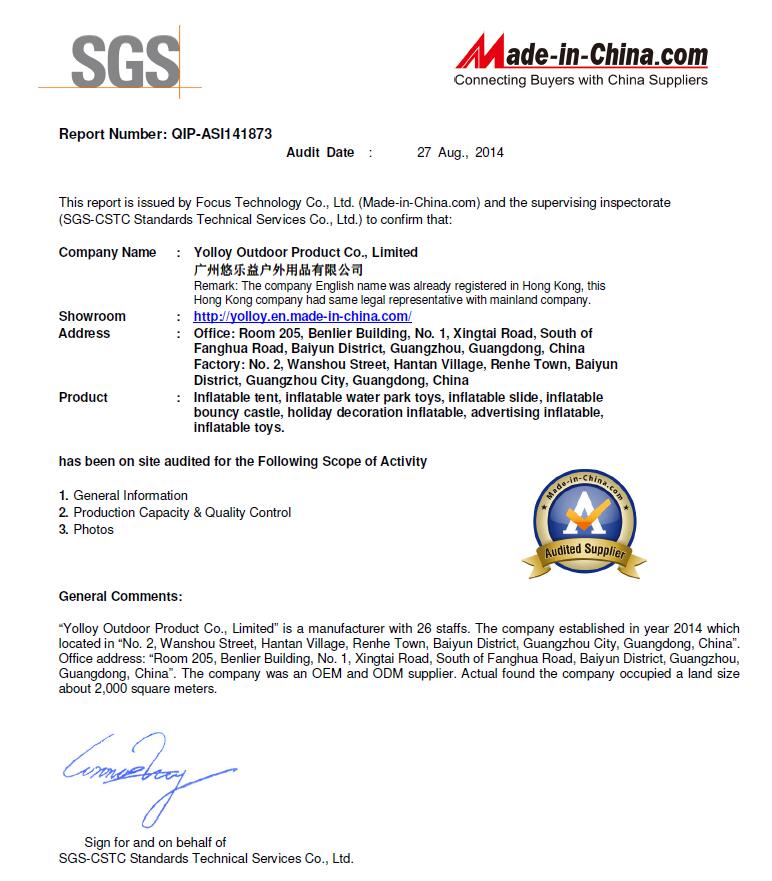
As a specialized inflatable air mattress factory based in Guangzhou, China, YOLLOY Outdoor Product Co., Limited takes material safety seriously. The company uses commercial-grade PVC tarpaulin that has passed EN71, EN14960, and RoHS-related testing. For products requiring higher flexibility and lighter weight, YOLLOY also offers Oxford fabric, nylon, and TPU as alternative materials — all selected according to the specific application and customer requirements.
YOLLOY's manufacturing process employs two key techniques to ensure product integrity and safety. For sewn products, the factory uses precision sewing equipment with waterproof nylon thread and additional reinforcement at high-load areas, creating durable seams that resist tearing. For airtight products, high-temperature fusion and welding equipment is used to bond materials without chemical adhesives, further reducing potential sources of toxins.
Every product undergoes inspection and testing before shipment. YOLLOY supplies blowers that meet CE or UL requirements, and each inflatable product comes with a repair kit for long-term maintenance. The company's commitment to quality is reflected in its stated three-year service life expectation for properly maintained products.
Types of Non-Toxic Air Mattresses Available
Non-toxic air mattresses are not one-size-fits-all. Depending on the intended use, different designs and materials are appropriate. YOLLOY offers a diverse range of inflatable air mattress products to meet various needs:
Water Leisure Platforms: Products like the Teak air platform dock and floating swim platform are designed for water-based relaxation. Made from durable, waterproof materials with reinforced seams, these platforms provide a safe and non-toxic surface for extended skin contact on the water.
Sports and Safety Air Bags: The high fall stunt air bag and inflatable gymnastics mats are engineered for impact absorption. These products use thick, multi-layer materials that prioritize both safety performance and material safety — critical for users who spend significant time in close contact with the surface.
Yoga and Fitness Mats: The inflatable yoga mat water floating mattress combines the functionality of a fitness mat with the buoyancy of a water platform. Its non-toxic surface ensures a safe experience whether used on land or water.
Interactive Games and Arenas: Products like the inflatable laser tag arena and inflatable round shape platform are designed for commercial entertainment venues. These larger-scale inflatables are built with the same material safety standards, ensuring a healthy environment for participants.
Benefits of Choosing a Non-Toxic Air Mattress
Better Indoor Air Quality: Non-toxic air mattresses do not release the strong chemical odors that conventional PVC products often emit, especially when new. This makes them ideal for enclosed spaces like bedrooms, tents, and guest rooms.
Safer for Sensitive Groups: Children, pregnant women, elderly users, and individuals with respiratory conditions or chemical sensitivities benefit most from non-toxic materials. The absence of phthalates and VOCs reduces the risk of skin irritation and respiratory discomfort.
Longer Product Lifespan: TPU-based and high-quality eco-PVC air mattresses typically outlast cheaper alternatives. Their superior elasticity and resistance to temperature fluctuations mean fewer punctures, leaks, and replacements.
Environmental Responsibility: TPU is recyclable, and phthalate-free PVC formulations have a lower environmental footprint. Choosing products from an inflatable air mattress china supplier that prioritizes certified materials helps support more sustainable manufacturing practices.
How to Choose the Right Non-Toxic Air Mattress
1. Check the Material Specification: Always verify what the product is made from. Look for TPU, phthalate-free PVC, or PU-coated fabrics. Avoid products that do not clearly state their material composition.
2. Look for Safety Certifications: Certifications like EN71, EN14960, and RoHS are strong indicators of a non-toxic product. These standards require rigorous testing for harmful substances.
3. Consider the Intended Use: An air mattress for overnight guests indoors has different requirements than one for water sports or commercial entertainment. Match the product type to your specific application.
4. Evaluate the Manufacturer's Reputation: Choose a manufacturer with a proven track record of quality control and material transparency. A factory that offers custom design services — from simulation renderings to final production — is more likely to be invested in product quality and safety.
5. Ask About Repair Kits and Warranty: A quality non-toxic air mattress should come with a repair kit and a reasonable warranty period. This reflects the manufacturer's confidence in their product's durability.
6. Consider Customization Options: If you need air mattresses in specific sizes, colors, or with custom branding, work with a supplier that offers flexible customization. YOLLOY, for example, accepts orders from a single piece and can produce products from a description, drawing, sketch, or photograph.
Conclusion
A non-toxic air mattress is more than just a comfortable place to sleep — it is a choice that affects your health, indoor air quality, and environmental footprint. By selecting products made from TPU, phthalate-free eco-PVC, or PU-coated fabrics, and by verifying key safety certifications like EN71 and RoHS, you can enjoy peace of mind along with a good night's rest.
Whether you are a business looking to source wholesale air mattresses, an event planner needing durable inflatable platforms, or an individual seeking a safer sleeping solution, partnering with an experienced manufacturer makes all the difference. YOLLOY Outdoor Product Co., Limited combines material expertise, certified production processes, and custom design capabilities to deliver non-toxic inflatable products that meet international safety standards — all backed by responsive service and a commitment to on-time delivery.