An inflatable canvas tent is a smart investment for outdoor events, camping trips, commercial exhibitions, and emergency shelters. Canvas brings a classic combination of breathability, durability, and insulation that synthetic fabrics struggle to match. But like any investment, it rewards proper care. With the right maintenance routine, your inflatable canvas tent can serve you reliably for years. Here is a complete guide to keeping it in top condition.
Why Canvas Tents Need Specific Care
Canvas is not the same as nylon or polyester. It is a heavyweight, woven fabric — typically cotton or a cotton-polyester blend — that breathes naturally while offering excellent insulation. This makes it ideal for four-season camping and long-term outdoor installations. However, canvas also absorbs moisture more readily than synthetic fabrics, which means drying and mildew prevention take center stage in your maintenance routine. Leading inflatable tent manufacturers like YOLLOY use commercial-grade materials — including PVC tarpaulin, Oxford fabric, nylon, and TPU — depending on the application, and each material has its own care profile. Canvas tents, in particular, benefit from the care steps below.
Step 1: Dry Completely Before Packing — Every Single Time
This is the single most important rule of canvas tent maintenance. Packing away a damp canvas tent is the fastest route to mildew, fabric rot, and irreversible odors. Canvas holds moisture in its fibers longer than synthetic fabrics, so a tent that feels dry to a quick touch may still have dampness trapped in seams, corners, and folds.
- After every use, open all doors and windows and let the tent air out fully in a shaded area. Direct sunlight helps dry the fabric but extended UV exposure can weaken canvas fibers over time.
- If you had to pack up in wet conditions, set the tent up again at home within 48 hours and allow it to dry completely.
- Flip the tent over halfway through drying to ensure the floor fabric gets equal air exposure.
- Pay special attention to corners, seam lines, and areas around zippers — these are where moisture lingers longest.
Never store a canvas tent damp or even slightly moist. Mold can develop within 24-48 hours in a folded, enclosed tent, and once it sets in, it is extremely difficult to remove.
Step 2: Clean with Care — No Harsh Chemicals
Canvas cleaning requires a gentle touch. Aggressive detergents, bleach, and solvents strip away the water-resistant treatment and weaken the natural fibers. A proper cleaning routine after each trip prevents dirt buildup from abrading the fabric and extends the life of the waterproof coating.
- Use lukewarm water and a soft sponge or cloth. For stubborn marks, a mild non-detergent soap specifically formulated for tent fabrics is acceptable.
- Focus on zips, air valves, and seam areas where dirt and grit tend to accumulate.
- Rinse thoroughly with clean water — soap residue left on canvas can attract moisture and promote fungal growth.
- Never machine wash your inflatable canvas tent. The agitation damages the waterproof coating, and the air beam system can be compromised.
- Never use a pressure washer — it will strip the DWR coating and can force water into the fabric weave.
Step 3: Inspect the Air Beam System
The air beam system is the structural backbone of your inflatable tent. Unlike pole tents that can snap under stress, air beams flex naturally with wind gusts — but they still need regular inspection to perform reliably. Quality inflatable tents from professional manufacturers use precision-welded air beams with reinforced seams, and YOLLOY's products undergo inspection and testing before shipment to ensure integrity.
- Inflate the tent fully and check each chamber for slow leaks. Listen carefully for hissing sounds, or apply soapy water to valve connections and beam joints and watch for bubbles.
- Check all valve caps after every trip — a loose or damaged cap is the most common cause of overnight pressure loss.
- Never over-inflate. Follow the manufacturer's recommended PSI. Over-inflation places unnecessary stress on beam seams.
- If you find a small puncture, patch it promptly. Most inflatable tents — including all YOLLOY products — come with a repair kit, and a small patch applied early prevents a minor issue from becoming a major one.
Pro Tip: Air pressure drops naturally in cold weather due to thermal contraction. If your beams feel softer on a cold morning, this is normal — not a leak. Simply top up with the included hand pump.
Step 4: Maintain Zippers and Seams
Zippers are one of the most common failure points on any tent. Canvas tent zippers are often heavy-duty, but dirt and sand can still wear them down. A few minutes of zipper care after each trip saves you from a frustrating failure in the field.
- Keep zippers clean and free of grit. Use a soft brush to remove debris from the teeth.
- Apply a silicone-based zipper lubricant or beeswax every few trips to keep them running smoothly.
- Never force a stuck zipper — work it gently back and forth while checking for trapped fabric or debris.
- Close all zippers before packing the tent to prevent snagging during storage and transport.
Seams also deserve attention. Canvas tents from reputable manufacturers use reinforced stitching with waterproof nylon thread and additional reinforcement at high-load areas. YOLLOY, for example, uses precision sewing equipment and high-temperature fusion welding for airtight products, ensuring that seams remain strong through repeated use. Still, inspect seam lines at least once per season for any signs of wear or separation.
Step 5: Store Correctly Between Uses
How you store your tent between trips matters as much as how you clean it. Canvas needs to breathe, and long-term storage in the wrong conditions causes more damage than most people realize.
- Store in a cool, dry place away from direct sunlight, heat sources, and humidity.
- Avoid compressing the tent tightly for long periods. Loosely folding or rolling the canvas reduces stress on both the fabric and the air beams.
- Keep the tent away from sharp objects, tools, or anything that could puncture the material.
- Store air valves in the open position so the rubber seals do not stick or deform over time.
- Avoid storing in attics or sheds where temperatures fluctuate dramatically — extreme heat can degrade the waterproof coating.
Step 6: Re-Waterproof When the DWR Wears Off
Over time, the Durable Water Repellent (DWR) coating on your canvas tent will naturally degrade — especially with frequent use and UV exposure. You will know it is time to re-treat when water stops beading on the surface and instead soaks into the fabric, or when the interior feels damp despite intact seams.
- Use a spray-on DWR reproofing product designed for canvas or tent fabrics. Products like Nikwax Tent & Gear SolarProof are widely recommended.
- Apply to a clean, slightly damp tent surface and wipe evenly with a soft cloth.
- Allow the tent to dry completely in a shaded area before packing.
- Apply seam sealer to any seams that show wear, once per season. This is a 30-minute job that meaningfully extends the waterproof life of your tent.
Step 7: Handle Guy Ropes, Pegs, and Anchors
The anchoring system is what keeps your inflatable canvas tent standing in wind and weather. Canvas tents are heavier than synthetic ones, which means the anchor points work harder — especially in gusty conditions.
- Rinse and dry metal pegs after each trip to prevent rust.
- Check guy ropes for fraying, UV damage, or wear before each trip.
- Store ropes loosely coiled rather than tightly knotted to preserve fiber strength.
- Inspect D-ring and metal anchor points for corrosion or bending. Quality tents incorporate reinforced anchor systems — YOLLOY products, for instance, use D-ring or round metal anchor systems designed for wind resistance and secure installation.
Choosing a Canvas Tent Built to Last
Maintenance is only half the equation — the quality of the tent you start with matters just as much. When choosing an inflatable camping tent, look for manufacturers that use commercial-grade materials, provide clear care instructions, and include a repair kit with every product.
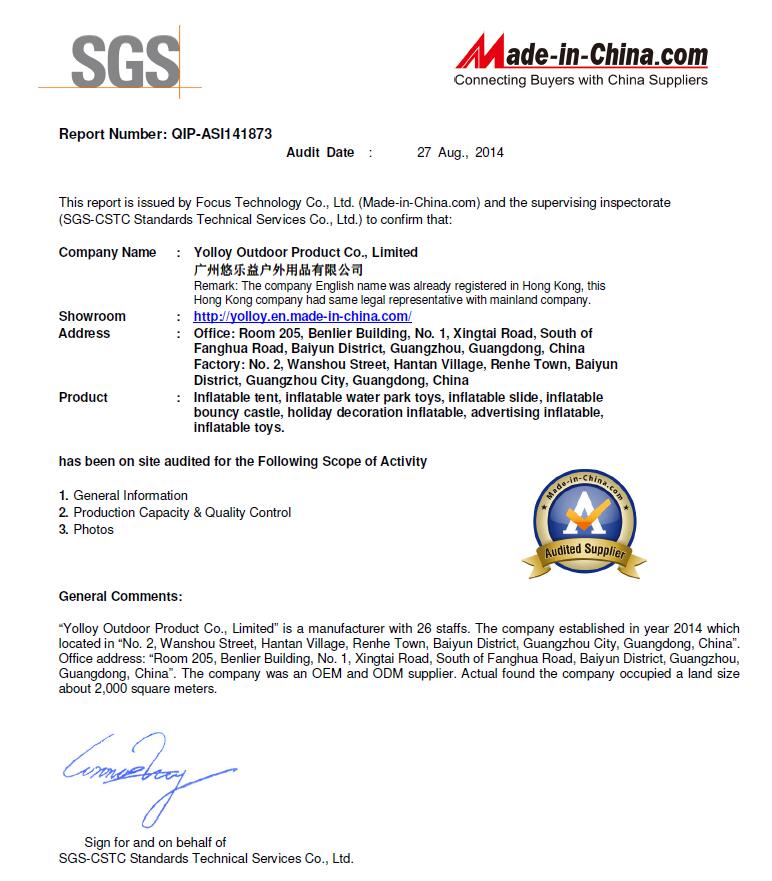
YOLLOY Outdoor Product Co., Limited, based in Guangzhou, China, designs and manufactures custom inflatable tents that meet international safety and quality standards. Their canvas and fabric materials have passed EN71, EN14960, and RoHS testing, and their blowers meet CE or UL requirements. Every product is supplied with a repair kit, and the company backs its work with a three-year service life expectation when tents are used and maintained correctly. With a minimum order quantity of just one piece and full customization available — from size and color to printed logos and artwork — YOLLOY provides a practical path from concept to finished product for businesses, event organizers, and outdoor enthusiasts worldwide.
Quick Maintenance Checklist
✓ Dry completely before packing — every single time
✓ Clean with lukewarm water and a soft sponge; never use harsh chemicals
✓ Inspect air beams for leaks and check valve caps after each trip
✓ Lubricate zippers periodically and inspect seams once per season
✓ Store loosely in a cool, dry place with valves open
✓ Reapply DWR coating when water stops beading on the fabric
✓ Check guy ropes, pegs, and anchor points before each trip
A well-maintained inflatable canvas tent is not just a piece of equipment — it is a reliable shelter that can serve you through countless adventures, events, and seasons. The care routine outlined above takes only a few minutes after each trip, but the payoff in longevity and performance is enormous. Whether you are running a commercial glamping site, organizing outdoor events, or simply want your family camping tent to last, these habits make all the difference.