Products Category
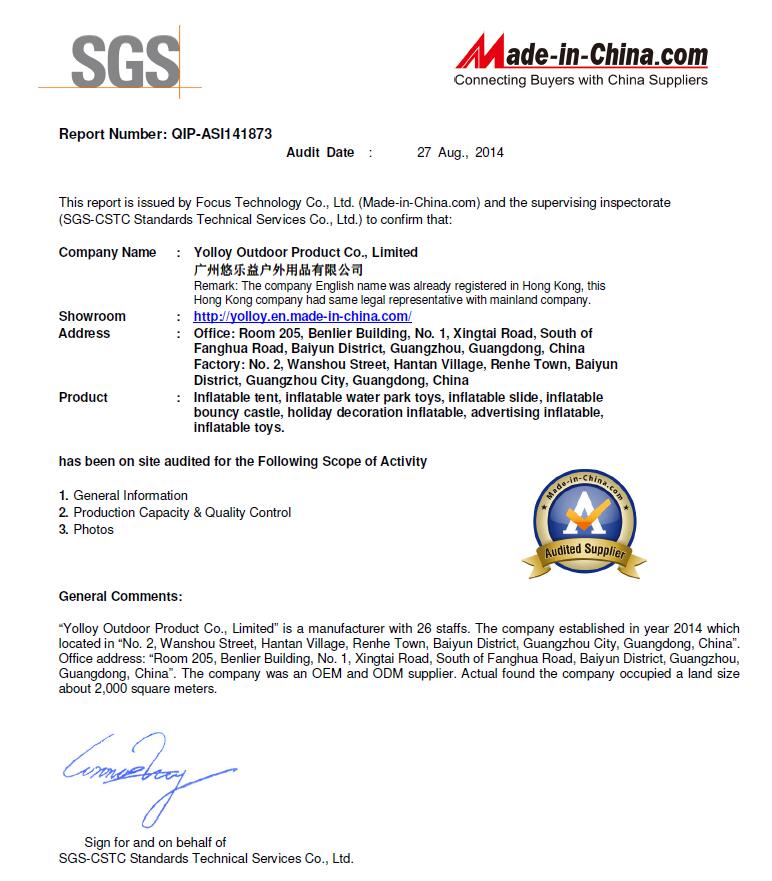
Certification

News

• New Order Successfully Finished for Long-Time Cooperated Japanese Client | YOLLOY Wins Full Client Recognition

• YOLLOY Custom Inflatable Pool Tent for Danish Client: Professional Pool Repair Shelter & Debris Protection

• Trusted Once Again! Greek Captain Re-orders Our Products After 4 Years

• Revolutionize Your Outdoors: The All-Terrain Inflatable Floating Tent for Land & Water

• Elevate Your Summer Fun: The Ultimate Inflatable Water Floating Volleyball Court Trampoline

• Innovative Inflatable Nightclub Tents & Pop-Up Bars: The Ultimate Solution for Portable Party Venues

Contact Us

Name: Sunny Yang
Tel: +86-20-8370 0771
Fax: +86-20-8370 0771
Mobile: 13570587575
E-mail: [email protected]
Add: No 5,Xiong wei Bo Nan Road,ZhongLuoTan Town,Baiyun district,Guangzhou,China
Friend me on Facebook Follow me on Twitter Add me to your circles Follow me on Pinterest Watch my channel on YouTube
News

What is a filter for inflatable pool?

Author:yolloy Date:2026/8/13 12:45:28

A filter for an inflatable pool is a device that removes debris, dirt, algae, and other contaminants from the water, keeping it clean, clear, and safe for swimming. When you set up an inflatable swimming pool, whether it is a small backyard pool or a large family-sized model, a filter pump is the single most important accessory for maintaining water quality throughout the swimming season.

Many pool owners assume that adding chlorine or other sanitizing chemicals is enough to keep their water clean. While chemicals do kill bacteria and algae, they cannot physically remove debris like leaves, dust, insects, sunscreen residue, and dead organic matter. That is precisely where a filter pump comes in — it actively circulates water through a filtration medium, trapping unwanted particles and returning clean water to the pool. Chemicals and filtration work as a team: chemicals sanitize, and the filter pump clears out what chemicals leave behind.

Why You Need a Filter Pump for Your Inflatable Pool

Without a filter pump, pool water quickly becomes stagnant. Stagnant water in warm weather is an ideal breeding ground for algae and bacteria. Even with regular chemical treatments, the water will often turn cloudy or green within just a few days. A filter pump keeps the water moving, which helps distribute chemicals evenly and prevents algae from gaining a foothold.

For very small paddling pools under 150 centimetres in diameter, you can manage by draining and refilling the water every day or two. However, for medium to large swimming inflatable pool setups used regularly by families, a filter pump is not a luxury — it is essential. It saves water, reduces the workload of constant draining and refilling, and most importantly, keeps the swimming environment hygienic and safe.

Key takeaway: Chemicals treat the water, but a filter pump physically removes the particles that make water look dull and unsafe. Both are needed for clean, clear pool water.

How Does an Inflatable Pool Filter Pump Work?

An inflatable pool filter pump operates on a straightforward but effective principle of continuous water circulation and physical filtration. Understanding the basic cycle helps you make better choices when selecting and maintaining your pump.

The filtration cycle works in five steps:

  1. Water is drawn from the pool through an inlet fitting connected to the pump by a flexible hose.
  2. The water passes through a filter cartridge, sponge, or sand bed housed inside the pump unit.
  3. The filter medium traps debris, suspended particles, and microscopic contaminants as water flows through it.
  4. Clean, filtered water is then returned to the pool through an outlet fitting on the opposite side.
  5. This cycle repeats continuously, and over several hours the entire volume of pool water is circulated and cleaned multiple times.

Most filter pumps designed for inflatable pools are compact, cartridge-based systems that are easy to install and maintain. The pump is typically mounted on the pool rim or placed on the ground beside the pool, with hoses connecting to the inlet and outlet fittings built into the pool wall.

Types of Filters for Inflatable Pools

There are three main types of filtration systems used with inflatable pools. Each has its own advantages and is suited to different pool sizes and usage patterns.

Cartridge Filters

Cartridge filters are the most common type for inflatable pools. They use a pleated paper or polyester filter cartridge that catches fine particles down to a very small micron size. Cartridges need rinsing every one to two weeks and replacing every two to four weeks during active use. They are affordable, easy to find, and simple to replace, making them the go-to choice for most home pool owners.

Sponge and Foam Filters

Sponge or foam filters are reusable filtration elements that trap larger debris. They are more economical over the long term because they can be washed, wrung out, and reused many times before needing replacement. Foam filters are compatible with many popular pump models and are a good choice for pool owners who want to minimize ongoing filter costs.

Sand Filters

Sand filters are more common in larger above-ground pools and commercial setups. Water passes through a bed of specially graded silica sand, which traps particles with high efficiency. Sand filters provide excellent filtration quality and require less frequent media replacement — the sand can last several seasons. However, they are bulkier, heavier, and more expensive than cartridge or sponge options, making them better suited for larger, permanent pool installations rather than portable inflatable pools.

Choosing the Right Filter Pump Size

Filter pump capacity is measured in litres per hour (L/h) or gallons per hour (GPH). The general guideline is that your pump should be able to circulate the entire volume of your pool at least once every four to six hours. Selecting the right size ensures efficient filtration without wasting energy or leaving water under-circulated.

Pool DiameterApproximate Water VolumeRecommended Flow Rate
150 cm700 – 1,000 L500 – 1,000 L/h minimum
200 cm1,500 – 2,500 L1,000 – 2,000 L/h
240 cm2,500 – 4,000 L1,500 – 2,500 L/h
300 cm4,000 – 6,000 L2,500 – 3,500 L/h
366 cm and above6,000 – 10,000 L+3,000 – 4,000 L/h+

It is always better to choose a pump with slightly more capacity than your pool's minimum requirement. An undersized pump that runs continuously may still fail to circulate water fast enough to keep it clear during hot weather, which is exactly when algae grows fastest. Going one size up from the minimum recommendation provides a margin of safety and better water quality.

Filter Pump Maintenance Tips

Regular maintenance is the key to keeping your filter pump running efficiently all season long. A pump that is not maintained will lose effectiveness within a few weeks, and most water quality problems trace back to a clogged or worn filter rather than a faulty pump.

Follow these maintenance practices for the best results:

  • Weekly rinsing: Remove the filter cartridge or sponge from the pump housing and rinse it thoroughly under a garden hose. Work from the inside out to push debris away from the filter surface rather than driving it deeper.
  • Inspect regularly: Check the filter for tears, collapse, or heavy discolouration. These are signs that the filter needs immediate replacement.
  • Replace on schedule: Cartridge filters should be replaced every two to four weeks during active use. Foam sponge filters should be replaced every four to six weeks, or whenever the foam loses its firmness and shape.
  • Seasonal preparation: At the start of each season, always fit a brand-new filter. Never restart a pool with a stored used filter, as it may harbour mould or bacteria.
  • Proper storage: At the end of the season, store the pump completely dry. Moisture left inside the pump housing can cause mould growth, corrosion, and damage to internal components.
Common Filter Pump Problems and Solutions

Most filter pump problems have straightforward solutions once you know what to look for. Here are the most common issues and how to fix them.

ProblemMost Likely CauseSolution
Water stays cloudy despite pump runningClogged or worn filter cartridgeRinse the filter thoroughly or replace it with a new one
Pump running but water flow is weakBlocked inlet strainer or dirty filterClean the inlet strainer of debris; replace the filter
Pool water turning greenPump not running enough hours per dayIncrease pump run time to 6–8 hours daily during summer
Pump making loud or unusual noiseAir trapped in the system or debris in the impellerTurn off the pump, check for and remove debris, then restart
Pump leaking at hose connectionsLoose fittings or worn O-ring sealsTighten all connections and inspect O-rings for wear; replace if needed
Practical Tips for Better Filtration

Beyond choosing the right pump and maintaining it properly, a few simple habits can dramatically improve your pool's water quality:

  • Run the pump during peak heat: Algae grows fastest during the warmest part of the day. Running the pump during these hours maximizes its effectiveness against algae blooms.
  • Position fittings for cross-circulation: Place the inlet and outlet fittings on opposite sides of the pool to create the strongest possible water circulation pattern.
  • Use a pool cover: Covering the pool when it is not in use significantly reduces the amount of debris, dust, and insects that enter the water, reducing the load on your filter.
  • Rinse after heavy use: After pool parties, heavy sunscreen use, or days with many swimmers, rinse the filter cartridge immediately. These events clog filters much faster than normal daily use.
  • Avoid dry running: Never run the pump without water flowing through it. Dry running can overheat and permanently damage the pump motor within minutes.

Conclusion: A filter pump is the heart of any inflatable pool's water management system. It works hand in hand with chemicals to keep the water clean, clear, and safe for everyone who uses it. Choosing the right pump size for your pool, maintaining the filter on a regular weekly schedule, and running the pump for enough hours each day are the three habits that make the biggest difference. Whether you have a compact backyard pool or a large family setup, investing in a proper filter pump means you will spend more time enjoying clear, refreshing water and far less time fighting with cloudiness and algae.


What is a filter for inflatable pool?

Author:yolloy Date:2026/8/13 12:45:28

A filter for an inflatable pool is a device that removes debris, dirt, algae, and other contaminants from the water, keeping it clean, clear, and safe for swimming. When you set up an inflatable swimming pool, whether it is a small backyard pool or a large family-sized model, a filter pump is the single most important accessory for maintaining water quality throughout the swimming season.

Many pool owners assume that adding chlorine or other sanitizing chemicals is enough to keep their water clean. While chemicals do kill bacteria and algae, they cannot physically remove debris like leaves, dust, insects, sunscreen residue, and dead organic matter. That is precisely where a filter pump comes in — it actively circulates water through a filtration medium, trapping unwanted particles and returning clean water to the pool. Chemicals and filtration work as a team: chemicals sanitize, and the filter pump clears out what chemicals leave behind.

Why You Need a Filter Pump for Your Inflatable Pool

Without a filter pump, pool water quickly becomes stagnant. Stagnant water in warm weather is an ideal breeding ground for algae and bacteria. Even with regular chemical treatments, the water will often turn cloudy or green within just a few days. A filter pump keeps the water moving, which helps distribute chemicals evenly and prevents algae from gaining a foothold.

For very small paddling pools under 150 centimetres in diameter, you can manage by draining and refilling the water every day or two. However, for medium to large swimming inflatable pool setups used regularly by families, a filter pump is not a luxury — it is essential. It saves water, reduces the workload of constant draining and refilling, and most importantly, keeps the swimming environment hygienic and safe.

Key takeaway: Chemicals treat the water, but a filter pump physically removes the particles that make water look dull and unsafe. Both are needed for clean, clear pool water.

How Does an Inflatable Pool Filter Pump Work?

An inflatable pool filter pump operates on a straightforward but effective principle of continuous water circulation and physical filtration. Understanding the basic cycle helps you make better choices when selecting and maintaining your pump.

The filtration cycle works in five steps:

  1. Water is drawn from the pool through an inlet fitting connected to the pump by a flexible hose.
  2. The water passes through a filter cartridge, sponge, or sand bed housed inside the pump unit.
  3. The filter medium traps debris, suspended particles, and microscopic contaminants as water flows through it.
  4. Clean, filtered water is then returned to the pool through an outlet fitting on the opposite side.
  5. This cycle repeats continuously, and over several hours the entire volume of pool water is circulated and cleaned multiple times.

Most filter pumps designed for inflatable pools are compact, cartridge-based systems that are easy to install and maintain. The pump is typically mounted on the pool rim or placed on the ground beside the pool, with hoses connecting to the inlet and outlet fittings built into the pool wall.

Types of Filters for Inflatable Pools

There are three main types of filtration systems used with inflatable pools. Each has its own advantages and is suited to different pool sizes and usage patterns.

Cartridge Filters

Cartridge filters are the most common type for inflatable pools. They use a pleated paper or polyester filter cartridge that catches fine particles down to a very small micron size. Cartridges need rinsing every one to two weeks and replacing every two to four weeks during active use. They are affordable, easy to find, and simple to replace, making them the go-to choice for most home pool owners.

Sponge and Foam Filters

Sponge or foam filters are reusable filtration elements that trap larger debris. They are more economical over the long term because they can be washed, wrung out, and reused many times before needing replacement. Foam filters are compatible with many popular pump models and are a good choice for pool owners who want to minimize ongoing filter costs.

Sand Filters

Sand filters are more common in larger above-ground pools and commercial setups. Water passes through a bed of specially graded silica sand, which traps particles with high efficiency. Sand filters provide excellent filtration quality and require less frequent media replacement — the sand can last several seasons. However, they are bulkier, heavier, and more expensive than cartridge or sponge options, making them better suited for larger, permanent pool installations rather than portable inflatable pools.

Choosing the Right Filter Pump Size

Filter pump capacity is measured in litres per hour (L/h) or gallons per hour (GPH). The general guideline is that your pump should be able to circulate the entire volume of your pool at least once every four to six hours. Selecting the right size ensures efficient filtration without wasting energy or leaving water under-circulated.

Pool DiameterApproximate Water VolumeRecommended Flow Rate
150 cm700 – 1,000 L500 – 1,000 L/h minimum
200 cm1,500 – 2,500 L1,000 – 2,000 L/h
240 cm2,500 – 4,000 L1,500 – 2,500 L/h
300 cm4,000 – 6,000 L2,500 – 3,500 L/h
366 cm and above6,000 – 10,000 L+3,000 – 4,000 L/h+

It is always better to choose a pump with slightly more capacity than your pool's minimum requirement. An undersized pump that runs continuously may still fail to circulate water fast enough to keep it clear during hot weather, which is exactly when algae grows fastest. Going one size up from the minimum recommendation provides a margin of safety and better water quality.

Filter Pump Maintenance Tips

Regular maintenance is the key to keeping your filter pump running efficiently all season long. A pump that is not maintained will lose effectiveness within a few weeks, and most water quality problems trace back to a clogged or worn filter rather than a faulty pump.

Follow these maintenance practices for the best results:

  • Weekly rinsing: Remove the filter cartridge or sponge from the pump housing and rinse it thoroughly under a garden hose. Work from the inside out to push debris away from the filter surface rather than driving it deeper.
  • Inspect regularly: Check the filter for tears, collapse, or heavy discolouration. These are signs that the filter needs immediate replacement.
  • Replace on schedule: Cartridge filters should be replaced every two to four weeks during active use. Foam sponge filters should be replaced every four to six weeks, or whenever the foam loses its firmness and shape.
  • Seasonal preparation: At the start of each season, always fit a brand-new filter. Never restart a pool with a stored used filter, as it may harbour mould or bacteria.
  • Proper storage: At the end of the season, store the pump completely dry. Moisture left inside the pump housing can cause mould growth, corrosion, and damage to internal components.
Common Filter Pump Problems and Solutions

Most filter pump problems have straightforward solutions once you know what to look for. Here are the most common issues and how to fix them.

ProblemMost Likely CauseSolution
Water stays cloudy despite pump runningClogged or worn filter cartridgeRinse the filter thoroughly or replace it with a new one
Pump running but water flow is weakBlocked inlet strainer or dirty filterClean the inlet strainer of debris; replace the filter
Pool water turning greenPump not running enough hours per dayIncrease pump run time to 6–8 hours daily during summer
Pump making loud or unusual noiseAir trapped in the system or debris in the impellerTurn off the pump, check for and remove debris, then restart
Pump leaking at hose connectionsLoose fittings or worn O-ring sealsTighten all connections and inspect O-rings for wear; replace if needed
Practical Tips for Better Filtration

Beyond choosing the right pump and maintaining it properly, a few simple habits can dramatically improve your pool's water quality:

  • Run the pump during peak heat: Algae grows fastest during the warmest part of the day. Running the pump during these hours maximizes its effectiveness against algae blooms.
  • Position fittings for cross-circulation: Place the inlet and outlet fittings on opposite sides of the pool to create the strongest possible water circulation pattern.
  • Use a pool cover: Covering the pool when it is not in use significantly reduces the amount of debris, dust, and insects that enter the water, reducing the load on your filter.
  • Rinse after heavy use: After pool parties, heavy sunscreen use, or days with many swimmers, rinse the filter cartridge immediately. These events clog filters much faster than normal daily use.
  • Avoid dry running: Never run the pump without water flowing through it. Dry running can overheat and permanently damage the pump motor within minutes.

Conclusion: A filter pump is the heart of any inflatable pool's water management system. It works hand in hand with chemicals to keep the water clean, clear, and safe for everyone who uses it. Choosing the right pump size for your pool, maintaining the filter on a regular weekly schedule, and running the pump for enough hours each day are the three habits that make the biggest difference. Whether you have a compact backyard pool or a large family setup, investing in a proper filter pump means you will spend more time enjoying clear, refreshing water and far less time fighting with cloudiness and algae.