Inflatable training structures are specialized air-supported or air-filled enclosures and equipment designed to create controlled environments for athletic conditioning, tactical drills, and skill development. Unlike traditional brick-and-mortar facilities, these structures can be set up quickly, moved between locations, and customized to meet specific training requirements. From altitude simulation chambers used by elite athletes to tactical training walls deployed by military units, inflatable training solutions have become an essential tool across sports, defense, and emergency response sectors.
Types of Inflatable Training Structures
1. Hypoxic Altitude Training Tents
These sealed inflatable chambers create low-oxygen environments that simulate high-altitude conditions. Athletes train inside them to stimulate red blood cell production, improve oxygen utilization, and build endurance. Professional sports teams, swimmers, and combat sports athletes use these tents to gain a competitive edge without relocating to mountain training camps. Leading inflatable tent manufacturers now offer custom altitude training chambers with precise oxygen control systems, allowing coaches to fine-tune training intensity for individual athletes or entire teams.
2. Sports Training Arenas
Inflatable sports arenas provide enclosed spaces for football, soccer, golf, and other sports training. Inflatable golf simulator enclosures allow golfers to practice full swings indoors or outdoors with complete weather protection. Inflatable football arenas create contained pitches for small-sided games and tactical drills. These structures can be installed at sports clubs, schools, recreation centers, and even private residences, offering year-round training capability regardless of outdoor conditions.
3. Obstacle Courses and Tactical Training Structures
An inflatable obstacle course is widely used for fitness training, team-building exercises, and military preparation. Participants navigate through climbing walls, tunnels, slides, and balance beams in a safe, cushioned environment. Military and law enforcement agencies also deploy inflatable tactical training walls printed with realistic building facades, doorways, and window configurations to simulate urban combat scenarios. These structures can be reconfigured between sessions, keeping training unpredictable and engaging.
4. Stunt Air Bags and Safety Equipment
High-fall stunt air bags are large inflatable cushions used in film production, stunt training, and parkour practice. They absorb impact from jumps and falls, allowing athletes and performers to practice high-risk maneuvers with significantly reduced injury risk. An inflatable air bag designed for professional stunt work features multiple air chambers and reinforced seams to ensure consistent cushioning and rapid recovery between jumps. Gymnastics air tracks and inflatable landing mats serve similar protective roles in tumbling and acrobatic training.
5. Paintball and Tactical Game Arenas
Inflatable paintball bunkers and laser tag arenas create dynamic, reconfigurable battlegrounds for tactical games and team-building events. These lightweight structures can be arranged in countless layouts, making each session different from the last. They are popular with corporate team-building programs, youth camps, and recreational facilities looking to offer safe but exciting combat-simulation experiences.
Applications Across Industries
Sports & Athletics: Endurance conditioning, skill drills, team practice, and recovery sessions
Military & Law Enforcement: Tactical room clearing, urban warfare simulation, field hospitals, and decontamination units
Emergency Services: Rapid-response shelters, disaster relief housing, and mobile command centers
Entertainment & Events: Stunt training, themed attractions, and interactive games
Benefits of Inflatable Training Structures
- Rapid Deployment: Most inflatable structures can be set up in minutes using an electric blower and deflated just as quickly for storage or transport.
- Portability: Packed into compact carrying bags, they can be transported by standard vehicles to remote training locations.
- Customizability: Sizes, colors, logos, and interior layouts can be tailored to specific training programs and branding requirements.
- Cost-Effectiveness: Compared to permanent construction, inflatable solutions offer a lower upfront investment and reduced ongoing maintenance.
- Safety: Air-filled walls and cushioned surfaces reduce the risk of impact injuries during intense training sessions.
- Weather Independence: Enclosed inflatable structures provide protection from rain, wind, and extreme temperatures, enabling consistent training schedules.
Materials and Construction Quality
Quality inflatable training structures are typically made from commercial-grade PVC tarpaulin, Oxford fabric, nylon, or TPU, depending on the specific application and environmental demands. High-stress areas are reinforced with double stitching and waterproof nylon thread. Airtight sections are manufactured using high-temperature fusion welding for leak-proof performance. Products that meet international safety standards such as EN14960 and EN71 provide assurance of material safety and structural integrity. Blowers are supplied to meet CE or UL requirements, with voltage options including 110V, 220V, and 380V to suit different regional power systems.
Customization and Manufacturing
One of the key advantages of working with experienced inflatable tent manufacturers is the ability to customize every aspect of the training structure. Clients can submit a description, sketch, photograph, or site plan, and the design team will produce simulation renderings for approval before factory production begins. Custom sizes, colors, printed logos, and artwork are all available. The minimum order quantity for a custom inflatable training structure is typically just one piece, making these solutions accessible to organizations of all sizes.
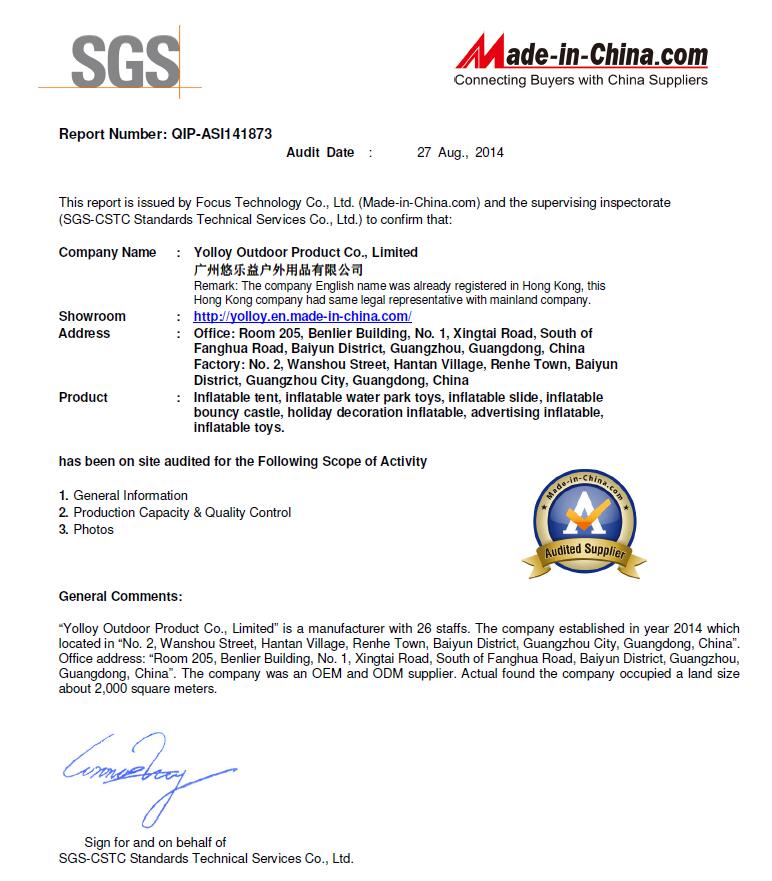
Inflatable training structures offer a flexible, cost-effective, and safe alternative to traditional training facilities. Whether for altitude conditioning, tactical drills, sports practice, or stunt safety, these structures are transforming how athletes, military personnel, and event organizers approach training. With experienced manufacturers like YOLLOY providing custom solutions backed by international safety certifications and a three-year service expectation, organizations of all sizes can access professional-grade inflatable training equipment tailored to their specific needs.