Products Category
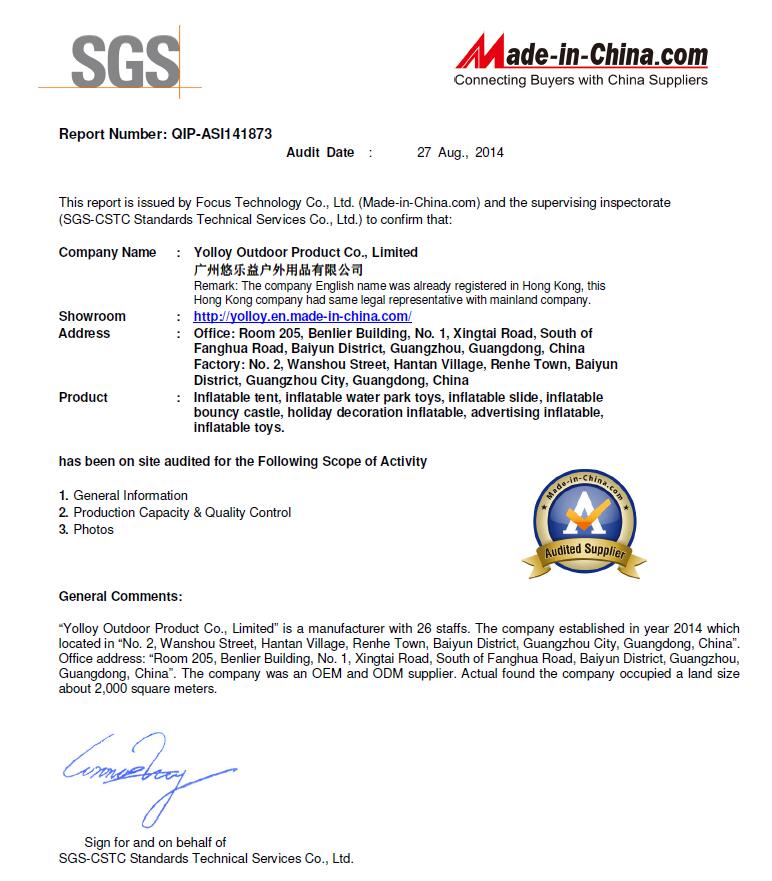
Certification

News

• New Order Successfully Finished for Long-Time Cooperated Japanese Client | YOLLOY Wins Full Client Recognition

• YOLLOY Custom Inflatable Pool Tent for Danish Client: Professional Pool Repair Shelter & Debris Protection

• Trusted Once Again! Greek Captain Re-orders Our Products After 4 Years

• Revolutionize Your Outdoors: The All-Terrain Inflatable Floating Tent for Land & Water

• Elevate Your Summer Fun: The Ultimate Inflatable Water Floating Volleyball Court Trampoline

• Innovative Inflatable Nightclub Tents & Pop-Up Bars: The Ultimate Solution for Portable Party Venues

Contact Us

Name: Sunny Yang
Tel: +86-20-8370 0771
Fax: +86-20-8370 0771
Mobile: 13570587575
E-mail: [email protected]
Add: No 5,Xiong wei Bo Nan Road,ZhongLuoTan Town,Baiyun district,Guangzhou,China
Friend me on Facebook Follow me on Twitter Add me to your circles Follow me on Pinterest Watch my channel on YouTube
News

What materials are used in an inflatable canvas tent?

Author:yolloy Date:2026/8/15 10:34:12

An inflatable canvas tent is a modern shelter that replaces traditional metal or fiberglass poles with pressurized air beams. While the term "canvas" suggests a classic look, the actual materials used in these tents are carefully engineered synthetic fabrics designed for durability, weather resistance, and safety. Understanding the materials that go into an inflatable canvas tent helps buyers make informed decisions about quality, longevity, and suitability for different applications.

Primary Outer Fabric Materials

The outer shell of an inflatable canvas tent is typically made from one of several high-performance fabrics. Reputable inflatable tent manufacturers select materials based on the intended use case, balancing durability, weight, and cost.

PVC-Coated Polyester (PVC Tarpaulin)

This is the most common material used in commercial-grade inflatable tents. It consists of a polyester fabric base coated on both sides with PVC, creating a waterproof, tear-resistant, and UV-resistant composite. PVC tarpaulin is known for its excellent durability and ability to withstand frequent use in outdoor environments. It is widely chosen for event tents, glamping accommodations, and emergency shelters where long service life is a priority.

Oxford Fabric

Oxford fabric is a woven polyester or nylon textile with a distinctive basket-weave pattern. When coated with PU (polyurethane) or PVC, it becomes highly water-resistant while remaining lightweight. Oxford fabric is often rated by denier (D) — higher numbers like 600D or 1000D indicate thicker, more durable material. It is popular for portable camping tents and recreational inflatable shelters.

Nylon

Nylon is lightweight and has excellent tensile strength. It is sometimes used in smaller or more portable inflatable tents. Ripstop nylon features a reinforced grid pattern that prevents small tears from spreading. Nylon is often coated with silicone or PU for waterproofing, making it a practical choice for backpacking and lightweight applications.

TPU (Thermoplastic Polyurethane)

TPU is an advanced material prized for its flexibility, abrasion resistance, and environmental friendliness compared to PVC. It is lighter than PVC tarpaulin and performs well in cold temperatures without becoming brittle. TPU is increasingly used in premium inflatable tent applications where weight reduction and eco-friendliness are priorities.

Air Beam Materials

The air beams that form the structural frame of an inflatable canvas tent are typically made from high-strength TPU or PVC bladders enclosed in a protective fabric sleeve. The bladder material must be airtight, flexible, and resistant to repeated inflation and deflation cycles. The outer sleeve — often made of the same material as the tent body — protects the bladder from abrasion and UV damage, ensuring consistent performance over years of use.

Floor Materials

The floor of an inflatable canvas tent is subject to foot traffic, ground moisture, and potential punctures. Common floor materials include heavy-duty PVC tarpaulin, reinforced Oxford fabric, or polyester fabric coated on both sides with PVC. A quality floor should be completely waterproof and have sufficient thickness to resist wear from the ground beneath. For a custom inflatable tent, buyers can specify the floor material thickness and coating based on their expected usage conditions.

Seams and Construction Techniques

How materials are joined together is just as important as the materials themselves. High-quality inflatable tents use two primary construction methods:

  • High-Frequency (HF) Welding / Heat Sealing: For PVC and TPU materials, seams are fused together using high-frequency welding, creating a bond that is stronger than the surrounding fabric and completely airtight. This is essential for the air beam chambers and for waterproof tent seams.
  • Reinforced Sewing: For fabric sections that do not require airtight seals, precision sewing equipment is used with waterproof nylon thread. High-stress areas such as anchor points and zipper attachments receive additional reinforcement to prevent tearing under load.

Coatings and Treatments

Beyond the base fabric, several coatings and treatments enhance material performance:

  • UV-Resistant Coating: Protects the fabric from sun damage and prevents fading and material degradation during prolonged outdoor exposure.
  • Waterproof Coating (PU/PVC): Applied to achieve a high hydrostatic head rating, typically 3000mm or above, ensuring the tent stays dry in sustained rain.
  • Fire-Retardant Treatment: Essential for commercial and public-use tents. Certified materials meet standards such as NFPA 701 or CPAI-84, providing critical safety assurance.
  • Anti-Mold and Anti-Mildew Treatment: Prevents fungal growth when the tent is stored or used in humid conditions, extending the product's service life.

Quality Certifications and Testing

Materials used in inflatable tents should meet recognized safety and quality standards. Important certifications include EN71 for toy and leisure product safety, EN14960 for inflatable play equipment, and EN15649 for floating leisure articles. Additionally, RoHS compliance ensures that materials are free from hazardous substances, while CE or UL certification for blowers confirms electrical safety. These certifications provide buyers with confidence that the materials have been independently tested and verified.

Material Customization

One of the advantages of working with a professional inflatable tent manufacturer is the ability to customize materials. Buyers can specify material type, thickness, color, and coating based on their specific use case — whether for a glamping resort, an event rental business, or an emergency response operation. Custom printing of logos and artwork is also available on most material types, and blowers can be supplied to match different voltage requirements including 110V, 220V, or 380V.

The materials used in an inflatable canvas tent directly affect its durability, weather resistance, weight, and safety. PVC-coated polyester offers the best balance of strength and weatherproofing for commercial applications, while Oxford fabric and TPU provide lighter alternatives for portable use. Understanding these materials — along with construction methods, coatings, and certifications — helps buyers select a tent that will perform reliably for years to come.


What materials are used in an inflatable canvas tent?

Author:yolloy Date:2026/8/15 10:34:12

An inflatable canvas tent is a modern shelter that replaces traditional metal or fiberglass poles with pressurized air beams. While the term "canvas" suggests a classic look, the actual materials used in these tents are carefully engineered synthetic fabrics designed for durability, weather resistance, and safety. Understanding the materials that go into an inflatable canvas tent helps buyers make informed decisions about quality, longevity, and suitability for different applications.

Primary Outer Fabric Materials

The outer shell of an inflatable canvas tent is typically made from one of several high-performance fabrics. Reputable inflatable tent manufacturers select materials based on the intended use case, balancing durability, weight, and cost.

PVC-Coated Polyester (PVC Tarpaulin)

This is the most common material used in commercial-grade inflatable tents. It consists of a polyester fabric base coated on both sides with PVC, creating a waterproof, tear-resistant, and UV-resistant composite. PVC tarpaulin is known for its excellent durability and ability to withstand frequent use in outdoor environments. It is widely chosen for event tents, glamping accommodations, and emergency shelters where long service life is a priority.

Oxford Fabric

Oxford fabric is a woven polyester or nylon textile with a distinctive basket-weave pattern. When coated with PU (polyurethane) or PVC, it becomes highly water-resistant while remaining lightweight. Oxford fabric is often rated by denier (D) — higher numbers like 600D or 1000D indicate thicker, more durable material. It is popular for portable camping tents and recreational inflatable shelters.

Nylon

Nylon is lightweight and has excellent tensile strength. It is sometimes used in smaller or more portable inflatable tents. Ripstop nylon features a reinforced grid pattern that prevents small tears from spreading. Nylon is often coated with silicone or PU for waterproofing, making it a practical choice for backpacking and lightweight applications.

TPU (Thermoplastic Polyurethane)

TPU is an advanced material prized for its flexibility, abrasion resistance, and environmental friendliness compared to PVC. It is lighter than PVC tarpaulin and performs well in cold temperatures without becoming brittle. TPU is increasingly used in premium inflatable tent applications where weight reduction and eco-friendliness are priorities.

Air Beam Materials

The air beams that form the structural frame of an inflatable canvas tent are typically made from high-strength TPU or PVC bladders enclosed in a protective fabric sleeve. The bladder material must be airtight, flexible, and resistant to repeated inflation and deflation cycles. The outer sleeve — often made of the same material as the tent body — protects the bladder from abrasion and UV damage, ensuring consistent performance over years of use.

Floor Materials

The floor of an inflatable canvas tent is subject to foot traffic, ground moisture, and potential punctures. Common floor materials include heavy-duty PVC tarpaulin, reinforced Oxford fabric, or polyester fabric coated on both sides with PVC. A quality floor should be completely waterproof and have sufficient thickness to resist wear from the ground beneath. For a custom inflatable tent, buyers can specify the floor material thickness and coating based on their expected usage conditions.

Seams and Construction Techniques

How materials are joined together is just as important as the materials themselves. High-quality inflatable tents use two primary construction methods:

  • High-Frequency (HF) Welding / Heat Sealing: For PVC and TPU materials, seams are fused together using high-frequency welding, creating a bond that is stronger than the surrounding fabric and completely airtight. This is essential for the air beam chambers and for waterproof tent seams.
  • Reinforced Sewing: For fabric sections that do not require airtight seals, precision sewing equipment is used with waterproof nylon thread. High-stress areas such as anchor points and zipper attachments receive additional reinforcement to prevent tearing under load.

Coatings and Treatments

Beyond the base fabric, several coatings and treatments enhance material performance:

  • UV-Resistant Coating: Protects the fabric from sun damage and prevents fading and material degradation during prolonged outdoor exposure.
  • Waterproof Coating (PU/PVC): Applied to achieve a high hydrostatic head rating, typically 3000mm or above, ensuring the tent stays dry in sustained rain.
  • Fire-Retardant Treatment: Essential for commercial and public-use tents. Certified materials meet standards such as NFPA 701 or CPAI-84, providing critical safety assurance.
  • Anti-Mold and Anti-Mildew Treatment: Prevents fungal growth when the tent is stored or used in humid conditions, extending the product's service life.

Quality Certifications and Testing

Materials used in inflatable tents should meet recognized safety and quality standards. Important certifications include EN71 for toy and leisure product safety, EN14960 for inflatable play equipment, and EN15649 for floating leisure articles. Additionally, RoHS compliance ensures that materials are free from hazardous substances, while CE or UL certification for blowers confirms electrical safety. These certifications provide buyers with confidence that the materials have been independently tested and verified.

Material Customization

One of the advantages of working with a professional inflatable tent manufacturer is the ability to customize materials. Buyers can specify material type, thickness, color, and coating based on their specific use case — whether for a glamping resort, an event rental business, or an emergency response operation. Custom printing of logos and artwork is also available on most material types, and blowers can be supplied to match different voltage requirements including 110V, 220V, or 380V.

The materials used in an inflatable canvas tent directly affect its durability, weather resistance, weight, and safety. PVC-coated polyester offers the best balance of strength and weatherproofing for commercial applications, while Oxford fabric and TPU provide lighter alternatives for portable use. Understanding these materials — along with construction methods, coatings, and certifications — helps buyers select a tent that will perform reliably for years to come.