Products Category
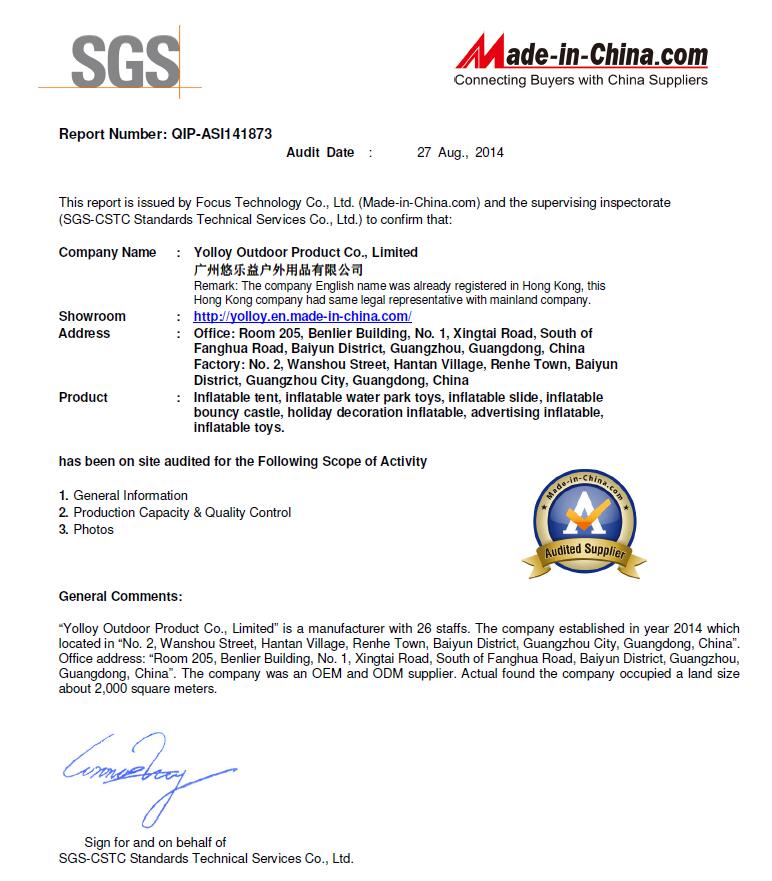
Certification

News

• New Order Successfully Finished for Long-Time Cooperated Japanese Client | YOLLOY Wins Full Client Recognition

• YOLLOY Custom Inflatable Pool Tent for Danish Client: Professional Pool Repair Shelter & Debris Protection

• Trusted Once Again! Greek Captain Re-orders Our Products After 4 Years

• Revolutionize Your Outdoors: The All-Terrain Inflatable Floating Tent for Land & Water

• Elevate Your Summer Fun: The Ultimate Inflatable Water Floating Volleyball Court Trampoline

• Innovative Inflatable Nightclub Tents & Pop-Up Bars: The Ultimate Solution for Portable Party Venues

Contact Us

Name: Sunny Yang
Tel: +86-20-8370 0771
Fax: +86-20-8370 0771
Mobile: 13570587575
E-mail: [email protected]
Add: No 5,Xiong wei Bo Nan Road,ZhongLuoTan Town,Baiyun district,Guangzhou,China
Friend me on Facebook Follow me on Twitter Add me to your circles Follow me on Pinterest Watch my channel on YouTube
News

What is a tpu mattress?

Author:yolloy Date:2026/8/15 10:56:17

If you have ever shopped for an inflatable mattress, you have probably come across the term TPU. But what exactly is a TPU mattress, and why are more and more outdoor enthusiasts, campers, and even homeowners choosing it over traditional options? In this article, we will break down everything you need to know about TPU mattresses — from the material science behind them to their real-world benefits and how to pick the right one for your needs.

What Is TPU?

TPU stands for Thermoplastic Polyurethane. It is a class of polymer that combines the best properties of rubber and plastic. Unlike PVC (polyvinyl chloride), which relies on chemical additives called plasticizers to become flexible, TPU is inherently elastic. Its molecular structure consists of alternating soft and hard segments — the soft segments provide flexibility and comfort, while the hard segments deliver strength and dimensional stability. No external plasticizers are needed, which means TPU stays flexible and durable over a much longer period without degrading.

In simple terms, a TPU mattress is an inflatable mattress made primarily from TPU-coated fabric or TPU film. It is the upgraded alternative to the traditional PVC air mattress, offering a combination of lightweight portability, superior durability, and a healthier sleeping environment.

Key Advantages of a TPU Mattress

1. Lightweight and Portable

One of the most noticeable differences between a TPU mattress and a PVC model is the weight. TPU is 30% to 50% lighter than PVC of comparable thickness and strength. This makes TPU mattresses ideal for backpacking, car camping, and any situation where every gram counts. You can roll them up compactly and toss them into a backpack without feeling weighed down.

2. Superior Durability and Tear Resistance

TPU has excellent tensile strength and abrasion resistance. It resists punctures, tears, and stretching far better than standard PVC. This is especially important for outdoor use, where the mattress may come into contact with rough ground, twigs, or rocks. A high-quality TPU inflatable air mattress can withstand repeated inflation and deflation cycles without developing leaks or weak spots at the seams.

3. Eco-Friendly and Non-Toxic

PVC production and disposal raise environmental concerns due to the presence of chlorine and phthalate plasticizers. Phthalates can migrate out of the material over time, potentially causing health issues with prolonged exposure. TPU, by contrast, is free from phthalates, lead, and other harmful substances. It meets international safety standards such as EN71 and OEKO-TEX, making it a safer choice for families with children. Many self inflating air mattresses now use TPU as the standard material precisely because of these health and environmental advantages.

4. Excellent Airtight Performance

The heat-sealing properties of TPU are superior to those of PVC. When a TPU mattress is welded at the seams using high-frequency or thermal bonding, the weld becomes as strong as the surrounding material. This means fewer slow leaks, better air retention overnight, and a more reliable sleep surface. You can inflate your mattress in the evening and wake up on a firm, supportive surface without having to top it up in the middle of the night.

5. Temperature and Weather Resistance

PVC tends to stiffen in cold weather and can become overly soft in high heat. TPU maintains its flexibility across a much wider temperature range. Whether you are camping in chilly mountain conditions or using the mattress on a hot summer beach, a TPU mattress will perform consistently. This thermal stability also means the material is less likely to crack or develop stress points after exposure to temperature swings.

6. Comfortable and Quiet

Anyone who has slept on a PVC air mattress knows the crinkly, plastic-like noise that can accompany every movement. TPU mattresses are noticeably quieter. The material has a softer, more fabric-like feel that reduces noise and enhances comfort. Additionally, TPU provides better body-conforming support, distributing weight more evenly and reducing pressure points for a more restful sleep.

TPU vs PVC: A Quick Comparison

Feature TPU Mattress PVC Mattress
Weight Lightweight (30-50% lighter) Heavier and bulkier
Durability High tear and puncture resistance Moderate, prone to aging cracks
Safety Phthalate-free, non-toxic May contain plasticizers
Air Retention Excellent long-term airtightness Degrades over time
Temperature Range Wide, stays flexible in cold Stiffens in low temperatures
Noise Level Quiet, fabric-like feel Crinkly, plastic-like noise
Lifespan Long-term Short to medium term

Common Applications of TPU Mattresses

TPU mattresses are incredibly versatile and can be used in a wide range of scenarios:

  • Camping and Backpacking: The lightweight and compact nature of TPU makes it the go-to choice for hikers and campers who need reliable sleep gear without the bulk.
  • Home Guest Bedding: A TPU inflatable mattress provides a comfortable, easy-to-store solution for overnight guests. It can be quickly inflated when needed and deflated for compact storage.
  • Water Leisure and Floating Platforms: TPU's waterproof properties and durability make it excellent for floating loungers, water yoga mats, and leisure platforms used on lakes and pools.
  • Car and SUV Camping: Custom-shaped TPU mattresses designed to fit car and SUV interiors are increasingly popular for road trips and vehicle-based camping.
  • Glamping and Outdoor Events: High-end outdoor hospitality setups often prefer TPU mattresses for their quieter feel and premium sleeping experience.

How to Care for Your TPU Mattress

Taking proper care of your TPU mattress will extend its lifespan significantly. Here are some practical tips:

  • Clean gently after use: Wipe the surface with a damp cloth and mild soap. Avoid harsh chemicals or abrasive cleaners that could damage the TPU coating.
  • Dry completely before storage: Moisture trapped during storage can lead to mildew. Always let the mattress air-dry fully before folding and packing it away.
  • Store loosely folded: Avoid tight, sharp creases. Store the mattress loosely rolled or folded in a cool, dry place away from direct sunlight.
  • Avoid over-inflation: Inflate the mattress to a firm but not rock-hard level. Over-inflation puts unnecessary stress on seams and welds.
  • Use a groundsheet: When camping, place a protective groundsheet or tarp under the mattress to shield it from sharp objects on the ground.
  • Keep away from extreme heat: While TPU handles temperature well, direct exposure to campfires, heaters, or prolonged intense sunlight should be avoided.

What to Look for When Choosing a TPU Mattress

When selecting an inflatable air mattress, consider the following factors to ensure you get the right product for your needs:

  • Material certification: Look for TPU that has passed safety certifications such as EN71 or OEKO-TEX. This ensures the mattress is free from harmful substances and safe for regular use.
  • Thickness and R-value: For camping in colder conditions, a thicker mattress with a higher R-value provides better insulation from the ground. For general use, a standard thickness of 5 to 10 cm is sufficient for most sleepers.
  • Built-in pump or self-inflating: Some TPU mattresses come with a built-in pump for quick and easy inflation. Others use a self-inflating design with an open-cell foam core that expands automatically when the valve is opened.
  • Size and packed volume: Make sure the mattress fits your tent, vehicle, or intended space. Check the packed dimensions to confirm it fits easily into your gear setup.
  • Seam construction: High-quality TPU mattresses use reinforced welding at the seams. Double-check that the manufacturer uses proper heat-sealing or ultrasonic welding rather than simple glued seams.
  • Warranty and repair kit: A good manufacturer will include a repair kit with the mattress and offer a reasonable warranty period, giving you peace of mind for long-term use.

Why TPU Mattresses Are the Future of Inflatable Sleep Gear

The shift from PVC to TPU in the inflatable mattress industry is not a passing trend. It is driven by real, measurable improvements in performance, safety, and user experience. As consumers become more aware of material quality and environmental impact, the demand for TPU-based products continues to grow. A reliable inflatable air mattress supplier that prioritizes TPU materials can offer products that are lighter, tougher, safer, and more comfortable than their PVC counterparts.

Whether you are a weekend camper, a frequent traveler, or simply someone who wants a reliable spare bed at home, a TPU mattress is a smart investment. Its combination of lightweight portability, long-term durability, and peace of mind on safety makes it a clear winner over traditional PVC inflatables. The next time you shop for an inflatable mattress, pay attention to the material — because what the mattress is made of matters just as much as how it looks.


What is a tpu mattress?

Author:yolloy Date:2026/8/15 10:56:17

If you have ever shopped for an inflatable mattress, you have probably come across the term TPU. But what exactly is a TPU mattress, and why are more and more outdoor enthusiasts, campers, and even homeowners choosing it over traditional options? In this article, we will break down everything you need to know about TPU mattresses — from the material science behind them to their real-world benefits and how to pick the right one for your needs.

What Is TPU?

TPU stands for Thermoplastic Polyurethane. It is a class of polymer that combines the best properties of rubber and plastic. Unlike PVC (polyvinyl chloride), which relies on chemical additives called plasticizers to become flexible, TPU is inherently elastic. Its molecular structure consists of alternating soft and hard segments — the soft segments provide flexibility and comfort, while the hard segments deliver strength and dimensional stability. No external plasticizers are needed, which means TPU stays flexible and durable over a much longer period without degrading.

In simple terms, a TPU mattress is an inflatable mattress made primarily from TPU-coated fabric or TPU film. It is the upgraded alternative to the traditional PVC air mattress, offering a combination of lightweight portability, superior durability, and a healthier sleeping environment.

Key Advantages of a TPU Mattress

1. Lightweight and Portable

One of the most noticeable differences between a TPU mattress and a PVC model is the weight. TPU is 30% to 50% lighter than PVC of comparable thickness and strength. This makes TPU mattresses ideal for backpacking, car camping, and any situation where every gram counts. You can roll them up compactly and toss them into a backpack without feeling weighed down.

2. Superior Durability and Tear Resistance

TPU has excellent tensile strength and abrasion resistance. It resists punctures, tears, and stretching far better than standard PVC. This is especially important for outdoor use, where the mattress may come into contact with rough ground, twigs, or rocks. A high-quality TPU inflatable air mattress can withstand repeated inflation and deflation cycles without developing leaks or weak spots at the seams.

3. Eco-Friendly and Non-Toxic

PVC production and disposal raise environmental concerns due to the presence of chlorine and phthalate plasticizers. Phthalates can migrate out of the material over time, potentially causing health issues with prolonged exposure. TPU, by contrast, is free from phthalates, lead, and other harmful substances. It meets international safety standards such as EN71 and OEKO-TEX, making it a safer choice for families with children. Many self inflating air mattresses now use TPU as the standard material precisely because of these health and environmental advantages.

4. Excellent Airtight Performance

The heat-sealing properties of TPU are superior to those of PVC. When a TPU mattress is welded at the seams using high-frequency or thermal bonding, the weld becomes as strong as the surrounding material. This means fewer slow leaks, better air retention overnight, and a more reliable sleep surface. You can inflate your mattress in the evening and wake up on a firm, supportive surface without having to top it up in the middle of the night.

5. Temperature and Weather Resistance

PVC tends to stiffen in cold weather and can become overly soft in high heat. TPU maintains its flexibility across a much wider temperature range. Whether you are camping in chilly mountain conditions or using the mattress on a hot summer beach, a TPU mattress will perform consistently. This thermal stability also means the material is less likely to crack or develop stress points after exposure to temperature swings.

6. Comfortable and Quiet

Anyone who has slept on a PVC air mattress knows the crinkly, plastic-like noise that can accompany every movement. TPU mattresses are noticeably quieter. The material has a softer, more fabric-like feel that reduces noise and enhances comfort. Additionally, TPU provides better body-conforming support, distributing weight more evenly and reducing pressure points for a more restful sleep.

TPU vs PVC: A Quick Comparison

Feature TPU Mattress PVC Mattress
Weight Lightweight (30-50% lighter) Heavier and bulkier
Durability High tear and puncture resistance Moderate, prone to aging cracks
Safety Phthalate-free, non-toxic May contain plasticizers
Air Retention Excellent long-term airtightness Degrades over time
Temperature Range Wide, stays flexible in cold Stiffens in low temperatures
Noise Level Quiet, fabric-like feel Crinkly, plastic-like noise
Lifespan Long-term Short to medium term

Common Applications of TPU Mattresses

TPU mattresses are incredibly versatile and can be used in a wide range of scenarios:

  • Camping and Backpacking: The lightweight and compact nature of TPU makes it the go-to choice for hikers and campers who need reliable sleep gear without the bulk.
  • Home Guest Bedding: A TPU inflatable mattress provides a comfortable, easy-to-store solution for overnight guests. It can be quickly inflated when needed and deflated for compact storage.
  • Water Leisure and Floating Platforms: TPU's waterproof properties and durability make it excellent for floating loungers, water yoga mats, and leisure platforms used on lakes and pools.
  • Car and SUV Camping: Custom-shaped TPU mattresses designed to fit car and SUV interiors are increasingly popular for road trips and vehicle-based camping.
  • Glamping and Outdoor Events: High-end outdoor hospitality setups often prefer TPU mattresses for their quieter feel and premium sleeping experience.

How to Care for Your TPU Mattress

Taking proper care of your TPU mattress will extend its lifespan significantly. Here are some practical tips:

  • Clean gently after use: Wipe the surface with a damp cloth and mild soap. Avoid harsh chemicals or abrasive cleaners that could damage the TPU coating.
  • Dry completely before storage: Moisture trapped during storage can lead to mildew. Always let the mattress air-dry fully before folding and packing it away.
  • Store loosely folded: Avoid tight, sharp creases. Store the mattress loosely rolled or folded in a cool, dry place away from direct sunlight.
  • Avoid over-inflation: Inflate the mattress to a firm but not rock-hard level. Over-inflation puts unnecessary stress on seams and welds.
  • Use a groundsheet: When camping, place a protective groundsheet or tarp under the mattress to shield it from sharp objects on the ground.
  • Keep away from extreme heat: While TPU handles temperature well, direct exposure to campfires, heaters, or prolonged intense sunlight should be avoided.

What to Look for When Choosing a TPU Mattress

When selecting an inflatable air mattress, consider the following factors to ensure you get the right product for your needs:

  • Material certification: Look for TPU that has passed safety certifications such as EN71 or OEKO-TEX. This ensures the mattress is free from harmful substances and safe for regular use.
  • Thickness and R-value: For camping in colder conditions, a thicker mattress with a higher R-value provides better insulation from the ground. For general use, a standard thickness of 5 to 10 cm is sufficient for most sleepers.
  • Built-in pump or self-inflating: Some TPU mattresses come with a built-in pump for quick and easy inflation. Others use a self-inflating design with an open-cell foam core that expands automatically when the valve is opened.
  • Size and packed volume: Make sure the mattress fits your tent, vehicle, or intended space. Check the packed dimensions to confirm it fits easily into your gear setup.
  • Seam construction: High-quality TPU mattresses use reinforced welding at the seams. Double-check that the manufacturer uses proper heat-sealing or ultrasonic welding rather than simple glued seams.
  • Warranty and repair kit: A good manufacturer will include a repair kit with the mattress and offer a reasonable warranty period, giving you peace of mind for long-term use.

Why TPU Mattresses Are the Future of Inflatable Sleep Gear

The shift from PVC to TPU in the inflatable mattress industry is not a passing trend. It is driven by real, measurable improvements in performance, safety, and user experience. As consumers become more aware of material quality and environmental impact, the demand for TPU-based products continues to grow. A reliable inflatable air mattress supplier that prioritizes TPU materials can offer products that are lighter, tougher, safer, and more comfortable than their PVC counterparts.

Whether you are a weekend camper, a frequent traveler, or simply someone who wants a reliable spare bed at home, a TPU mattress is a smart investment. Its combination of lightweight portability, long-term durability, and peace of mind on safety makes it a clear winner over traditional PVC inflatables. The next time you shop for an inflatable mattress, pay attention to the material — because what the mattress is made of matters just as much as how it looks.