Solo travel is a dance between freedom and self-reliance. You pack light, chase horizons, and answer only to the open road—or the winding trail. But when the sun dips below the mountains and the campsite grows quiet, there's one question that can make or break your journey:
Where will you lay your head tonight?
For solo campers, the choice between a sleeping pad and an inflatable mattress isn't just about gear—it's about comfort that fuels adventure, portability that keeps you moving, and reliability that lets you sleep soundly, even miles from civilization. Let's dive into the debate, weigh the pros and cons, and find out which one deserves a spot in your backpack (or trunk).
The Solo Traveler's Sleep: More Than Just a "Bed"
When you're traveling alone, every item in your pack matters. You're your own porter, your own problem-solver, and your own comfort crew. A bad night's sleep isn't just a minor inconvenience—it can turn a scenic hike into a slog, or a starlit campfire evening into a restless, shivering ordeal. That's why choosing between a sleeping pad and an inflatable mattress requires more than checking specs; it requires understanding
your
style of adventure.
Are you trekking 10 miles a day, where every ounce counts? Or are you road-tripping to dispersed campsites, with room to spare for a little luxury? Do you camp in summer heat, winter snow, or everything in between? Let's break down the two contenders, starting with the basics.
What is a Sleeping Pad, Anyway?
Think of a sleeping pad as the minimalist's best friend. Sleek, lightweight, and designed to pack down to the size of a water bottle, these pads are the go-to for backpackers, thru-hikers, and anyone who prioritizes portability over plushness. Most sleeping pads fall into two categories: closed-cell foam pads and self-inflating pads (hello,
self inflating air mattresses
—more on that later).
Closed-cell foam pads are the OG of camping gear: tough, no-frills, and nearly indestructible. They're made of dense foam with tiny air pockets that insulate and cushion. Self-inflating pads, on the other hand, blend foam and air: open the valve, and they suck in air on their own (no manual blowing required), then seal tight for a firmer, more cushioned feel. They're bulkier than closed-cell foam but still far lighter than most inflatable mattresses.
For solo travelers hitting the trails, sleeping pads shine in one key area:
weight
. A high-quality closed-cell pad can weigh as little as 12 ounces, while a self-inflating pad might tip the scales at 2-3 pounds—manageable for a backpack. They're also durable; drag them over rocks, thorns, or rough ground, and they'll keep protecting you (and your sleeping bag) from the cold, hard earth.
Inflatable Mattresses: The "Home Away From Home" Option
Now, let's talk about the inflatable mattress—a gear category that's come a long way from the leaky, bulky models of the past. Today's
inflatable air mattress
is a marvel of design: lightweight enough for car camping, plush enough to rival your bed at home, and packed with features like built-in pumps, insulated layers, and weather-resistant materials. For solo travelers who prioritize comfort (and have a little extra space in their vehicle), this could be the game-changer.
Unlike sleeping pads, inflatable mattresses are all about thickness and support. Most range from 2 to 6 inches thick, with air chambers that contour to your body, relieving pressure on hips and shoulders. They're ideal for side-sleepers (we see you) or anyone who struggles with back pain after a night on the ground. And modern materials? They're tough. Brands like Yolloy, a trusted
inflatable camping tents supplier
, use materials like waterproof, fire-resistant PVC (EN71 safety certified) and eco-friendly TPU (non-toxic, odor-free, and hydrolysis-resistant) in their inflatable products—meaning your mattress won't off-gas weird fumes in the tent or fail after a few uses.
But here's the catch: inflatable mattresses need air. That means either a manual pump (tedious, but doable), a battery-powered pump (another thing to charge), or a built-in electric pump (convenient, but heavier). And while they're lighter than ever, a full-sized inflatable mattress can still weigh 4-6 pounds—fine for a trunk, but a burden in a backpack. They're also more vulnerable to punctures, though durable materials (like Yolloy's PVC and TPU) mitigate that risk.
Head-to-Head: The Key Factors Solo Travelers Care About
Let's cut to the chase. We've talked about what they are—now let's compare them where it counts. Here's how sleeping pads and inflatable mattresses stack up for solo travelers:
|
Factor
|
Sleeping Pad
|
Inflatable Mattress
|
|
Weight & Portability
|
Winner. Closed-cell pads: 12-24 oz; self-inflating: 2-3 lbs. Packs to the size of a Nalgene bottle or small stuff sack.
|
Heavier. 4-6 lbs (or more for luxury models). Packs to the size of a large duffel—great for car camping, tough for backpacks.
|
|
Comfort
|
Decent, but firm. Self-inflating pads add cushion, but still thinner (1-3 inches). Best for back-sleepers or those used to minimalism.
|
Superior. 2-6 inches thick, with air chambers that conform to your body. Side-sleepers, rejoice—no more waking up with a numb shoulder.
|
|
Insulation
|
Excellent for cold weather. Closed-cell foam traps heat; self-inflating pads often have insulating layers (R-values up to 5+).
|
Mixed. Thinner models lose heat (R-values 2-3), but insulated versions (with foam or reflective layers) can hit R-values 4-6.
|
|
Durability
|
Nearly indestructible. Closed-cell foam resists punctures; self-inflating pads have tough outer shells (but watch for sharp rocks).
|
Durable, but not invincible. Modern materials (like Yolloy's PVC and TPU) resist tears, but a stray branch could still cause a leak.
|
|
Setup & Teardown
|
Effortless. Unroll, inflate (if self-inflating), and done. No pumps, no hassle.
|
More steps. Inflate with a pump (5-10 minutes), deflate, roll tightly. Built-in pumps speed this up, but add weight.
|
|
Versatility
|
Multi-tasker. Use as a sit pad, a picnic mat, or even a yoga mat at camp.
|
Single-purpose. Great for sleeping, but not much else (unless you want to use it as a flotation device… not recommended).
|
When to Choose a Sleeping Pad
Sleeping pads are the clear winner for solo travelers who:
-
Hike long distances
(backpacking, thru-hiking, or trail running). Every ounce saved is energy for the trail.
-
Camp in extreme conditions
(cold weather, rough terrain). Closed-cell pads insulate better and resist punctures from rocks or ice.
-
Pack ultra-light
. If your entire kit (tent, sleeping bag, pad) needs to fit in a 30L backpack, a sleeping pad is non-negotiable.
-
Value simplicity
. No pumps, no batteries, no fuss—just unroll and sleep.
Example: You're solo-hiking the Appalachian Trail section in Vermont. You're carrying 30+ pounds already, and the trail is steep. A self-inflating sleeping pad (2 lbs, R-value 4) rolls up small, insulates against the cool mountain air, and won't slow you down. Perfect.
When to Choose an Inflatable Mattress
Inflatable mattresses shine for solo travelers who:
-
Car camp or glamp
. You're driving to the campsite, so weight and bulk aren't deal-breakers. You want to wake up refreshed, not sore.
-
Prioritize sleep quality
. You're not just camping—you're adventuring hard, and a good night's rest is non-negotiable (we see you, sunrise hikers).
-
Camp in mild weather
. You don't need extreme insulation, and the risk of punctures from ice or sharp rocks is low.
-
Want versatility in gear
. Some inflatable mattresses double as guest beds when you're not on the road—hello, multi-use!
Example: You're road-tripping the Pacific Coast Highway, solo. You pull into a beach campground, pop the trunk, and set up a
best inflatable tent
(like Yolloy's transparent bubble lawn tent—stunning views, by the way). An inflatable air mattress with a built-in pump takes 2 minutes to set up, and suddenly, your "campsite" feels like a cozy beach bungalow. Worth every extra pound.
The Wildcard: Self-Inflating Air Mattresses
Wait—there's a middle ground? Enter the
self inflating air mattresses
—a hybrid that borrows the best of both worlds. These pads have an open-cell foam core that expands when you open the valve, sucking in air automatically (no pump needed). They're thicker than traditional sleeping pads (3-4 inches) but lighter than full inflatable mattresses (3-5 lbs). They pack smaller than a standard inflatable mattress but offer more cushion than a basic pad.
For solo travelers who want "just enough" comfort without the bulk, this could be the sweet spot. They're great for weekend car camping trips where you want to hike a few miles from the trailhead but still sleep well. And with materials like Yolloy's eco-friendly TPU, they're durable and safe—no weird smells, just reliable comfort.
Why Quality Matters: The Yolloy Difference
Here's the truth: whether you choose a sleeping pad or an inflatable mattress,
quality
beats price every time. A cheap sleeping pad might save you $20, but if it deflates overnight or lacks insulation, you'll regret it at 2 AM when you're shivering. A flimsy inflatable mattress could spring a leak in the middle of nowhere, leaving you sleeping on the ground (and hating life).
That's where trusted suppliers like Yolloy come in. As an
inflatable camping tents supplier
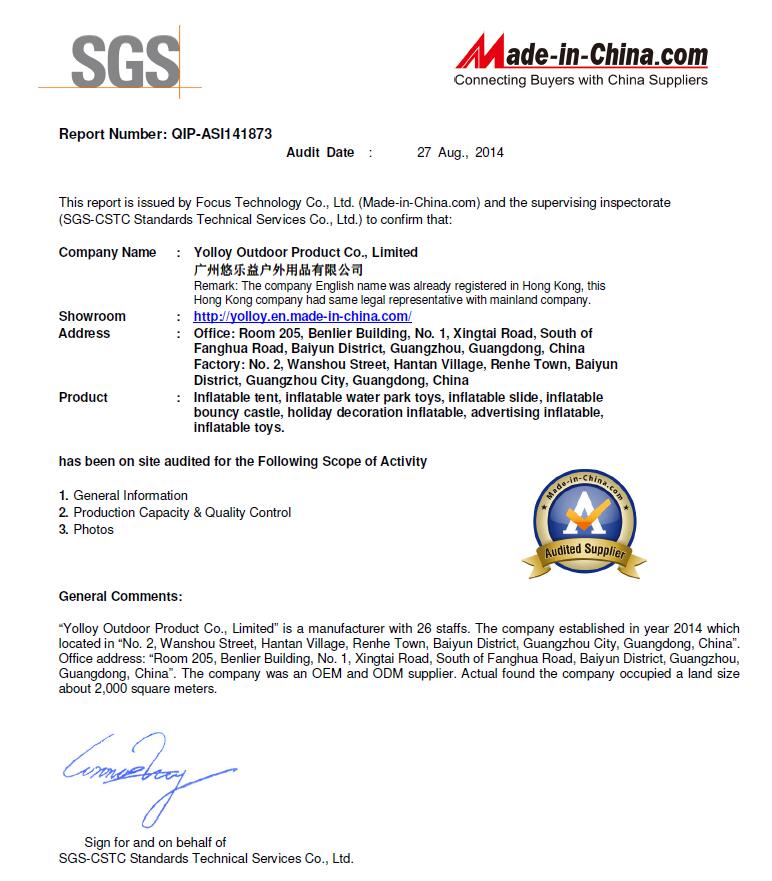
(and yes, they make inflatable mattresses too), Yolloy prioritizes the details that matter to solo travelers: safety, durability, and peace of mind. Their inflatable products use materials like waterproof, fire-resistant PVC (tested to EN71 safety standards) and eco-friendly TPU (non-toxic, odor-free, and built to resist wear and tear). That means no off-gassing in your tent, no sudden leaks, and no worrying if your gear will hold up to the elements.
And it's not just about materials. Yolloy's commitment to service matters too. Solo travelers don't have backup—if something goes wrong, you need help fast. Yolloy offers 24-hour response times to customer inquiries, (confirming needs with you every step of the way) to ensure you get exactly what you ordered, and a 95% on-time delivery rate (with heads-up if there's a delay). When you're relying on your gear to keep you comfortable (and safe), that kind of reliability is priceless.
The Verdict: It's All About Your Adventure
So, which is best for solo travelers? The answer, as with most gear questions, is:
it depends
.
Choose a sleeping pad if
: You're backpacking, hiking long distances, or camping in harsh conditions. Prioritize portability and simplicity over plushness.
Choose an inflatable air mattress if
: You're car camping, glamping, or want "home-like" comfort. You have space in your vehicle and value sleep quality above all.
Choose a self-inflating air mattress if
: You want a balance—enough comfort for weekend trips, enough portability for light hiking. It's the "goldilocks" option.
At the end of the day, solo travel is about freedom—and the right sleep gear gives you the freedom to explore without limits. Whether you're unrolling a sleeping pad under the stars or inflating a mattress in a bubble tent, the goal is the same: to rest well, wake up ready, and keep chasing that next adventure.
|