There's something magical about backpacking—strapping everything you need to your back, hitting the trail, and letting the world unfold one mile at a time. But any seasoned backpacker will tell you: gear weight and space are non-negotiable. A bulky tent can turn a joyful hike into a shoulder-straining chore, and nobody wants to spend precious sunset minutes wrestling with poles and pegs. That's where budget inflatable bunkers come in. These lightweight, packable shelters are redefining what it means to camp comfortably without the hassle—and they're not just for military drills or paintball wars. Today, they're the unsung hero for backpackers who crave convenience, durability, and a little extra peace of mind on the road.
First off, let's clear the air: when we say "inflatable bunkers," we're not talking about clunky, industrial-grade structures that belong on a battlefield. Think of them as the cooler, more portable cousin of your traditional camping tent—designed with the same ruggedness but engineered to collapse into a fraction of the size. Originally inspired by lightweight inflatable shelter technology (yes, the kind used in quick-setup military ops), these bunkers have been reimagined for outdoor enthusiasts. They're built to withstand the elements, inflate in minutes, and weigh so little you'll barely notice them in your pack.
But why "bunkers"? Because they're built tough. Unlike flimsy pop-up tents that tear at the first gust of wind, these shelters use the same durable materials as professional-grade inflatables—think waterproof, fire-resistant fabrics and reinforced seams—so you can camp with confidence, whether you're tucked into a forest clearing or weathering a mountain storm.
Why Backpackers Are Ditching Traditional Tents for Inflatable Bunkers
Let's break it down: backpackers need gear that's
light
,
small
, and
reliable
. Traditional tents? They often fail on at least one of these. A standard 2-person backpacking tent can weigh 3-5 pounds and pack down to the size of a watermelon. Inflatable bunkers? Many models clock in at under 3 pounds and fold into a stuff sack the size of a large water bottle. That's extra space for snacks, a book, or that fancy camp stove you've been eyeing.
The Backpacker's Dream Checklist: What Inflatable Bunkers Deliver
-
Ultra-Lightweight:
Most models weigh 2-3 pounds, so your shoulders (and sanity) will thank you.
-
Packable:
Folds into a 12x8-inch sack—small enough to tuck into the bottom of your pack.
-
Quick Setup:
Inflate in 60 seconds with a hand pump (some even come with a built-in foot pump!). No more fumbling with poles in the dark.
-
Weatherproof:
Made with ripstop, waterproof fabrics (like the same PVC used in high-end inflatable tents) to keep rain, wind, and even light snow at bay.
The Secret Sauce: Materials That Make These Bunkers Built to Last
You might be thinking: "Lightweight and durable? That sounds too good to be true." But here's the thing: inflatable bunkers owe their toughness to cutting-edge materials. Many top models use
waterproof, fire-resistant PVC
—the same stuff used in professional inflatable tents and even marine gear. This fabric isn't just water-repellent; it's
waterproof
, meaning you can camp through a downpour without waking up in a puddle. Plus, it's treated to resist mildew and UV rays, so your bunker won't fade or get musty after a season of use.
For those who prioritize eco-friendliness, some brands (like Yolloy, a leading inflatable tent manufacturer) use
TPU
in their designs. TPU is non-toxic, odor-free, and (that's fancy for "won't break down when exposed to moisture"), making it perfect for humid climates or river-side campsites. And because it's flexible, it gives the bunker a little stretch—so it can absorb wind gusts without tearing.
But it's not just the fabric. Inflatable bunkers use high-strength air beams instead of poles. These beams are made from reinforced rubber or TPU, and they're designed to hold air for days (no need to top them off every morning). Even if you get a small puncture? Most come with a repair kit that's smaller than a credit card—so you can patch it up and get back to enjoying the view.
From Design to Delivery: Why Choosing the Right Manufacturer Matters
Not all inflatable bunkers are created equal. To get a shelter that actually lives up to the hype, you need to buy from a brand that knows inflatables inside out. Look for manufacturers with a track record in inflatable tent production—companies that specialize in custom inflatable tent designs and have strict quality control processes.
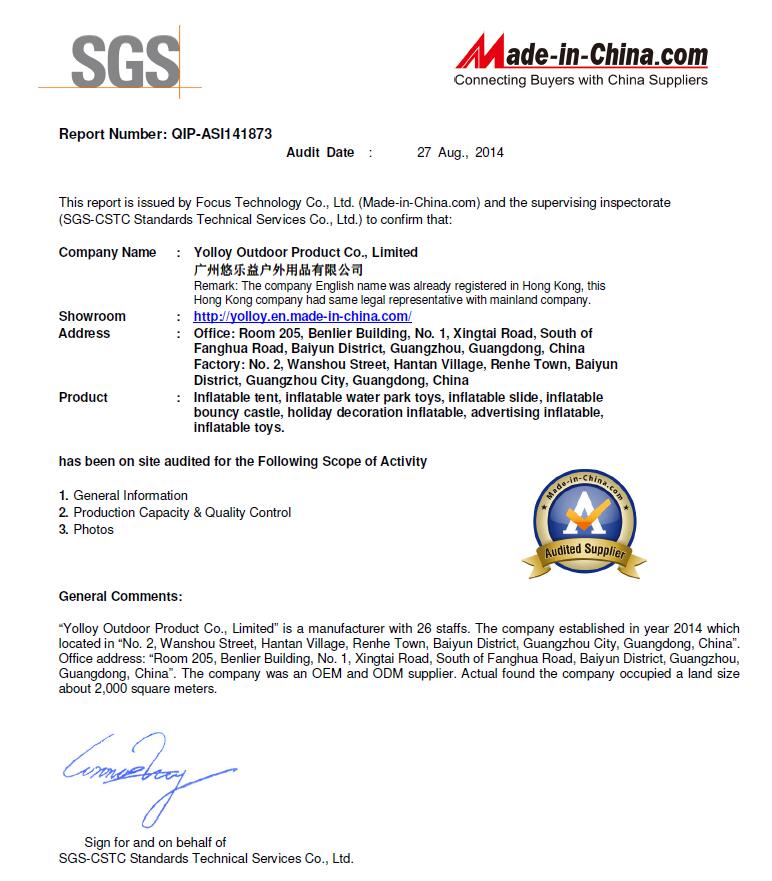
Take Yolloy, for example. They've been making inflatable products for years, and their process is meticulous: every bunker is tested for airtightness, seam strength, and weather resistance before it leaves the factory. Plus, they offer
24-hour customer support
—so if you have a question about setup or need a replacement part, you won't be left waiting. And with a
95% on-time delivery rate
, you can order your bunker with confidence, knowing it'll arrive before your next trip.
Real Talk: What Backpackers Are Saying About Their Inflatable Bunkers
Don't just take our word for it. Let's hear from actual backpackers who've made the switch. Take Sarah, a thru-hiker who tackled the Appalachian Trail last year: "I swapped my 4-pound tent for a 2.5-pound inflatable bunker, and it was a game-changer. I could set it up in 2 minutes flat, even in the dark. And when a storm hit in the Smokies? I stayed dry as a bone. Best gear upgrade I ever made."
Then there's Mike, who backpacks with his dog: "My old tent was so bulky, I could barely fit my gear and my pup. Now, my inflatable bunker packs down small enough to leave room for his bed. Plus, the reinforced floor means he can scratch around without tearing it up. Win-win."
How to Choose the Perfect Budget Inflatable Bunker for Your Needs
Ready to jump on the inflatable bunker train? Here's what to look for when shopping:
-
Weight and Pack Size:
Aim for under 3 pounds and a pack size of 12x8 inches or smaller.
-
Capacity:
Most budget models are 1-2 person, but some brands offer 3-person options for group trips.
-
Material:
PVC for maximum durability, or TPU if you want something eco-friendly and odor-free.
-
Weather Rating:
Look for models tested to withstand wind speeds of at least 20 mph and water resistance of 3000mm or higher.
-
Warranty:
A good warranty (1 year or more) shows the manufacturer stands behind their product.
And don't sleep on custom options! Many inflatable tent suppliers offer custom inflatable tent designs, so you can tweak the size, color, or even add features like a mesh window for stargazing. It's a great way to get a bunker that's tailored to your specific style of backpacking.
Backpacking is all about freedom—the freedom to go where you want, when you want, without being weighed down by gear. Inflatable bunkers embody that freedom. They're lightweight, packable, and tough enough to handle whatever the trail throws at you. And with brands like Yolloy leading the way in inflatable tent technology, there's never been a better time to make the switch.
So, what are you waiting for? Ditch the heavy tent, free up space in your pack, and hit the trail with a shelter that's as ready for adventure as you are. Your shoulders (and your inner backpacker) will thank you.