From viral stargazing reels to glamorous pop-up installations, the inflatable bubble tent has evolved from a novelty item into a versatile solution for both personal and commercial use. But if you're in the market for one — whether for a glamping site, event rental business, or your own backyard — how do you separate a durable investment from a cheap gimmick? This guide walks you through everything you need to know.
What Is an Inflatable Bubble Tent, and Who Uses It?
An inflatable bubble tent is a transparent, air-supported structure typically made from clear PVC or TPU film. Unlike rigid geodesic domes, it relies on continuous airflow from an electric blower to maintain its shape, which means it can be set up quickly, packed flat, and transported with ease.
While social media has made them famous for camping and stargazing, the real growth is happening in commercial and event industries. Here are the most common use cases today:
- Glamping and resorts: Premium transparent domes offer guests a 360-degree nature experience without sacrificing comfort.
- Event rentals: Weddings, brand activations, photoshoots, and pop-up exhibitions rely on bubble tents for their visual impact.
- Restaurants and cafes: Outdoor dining pods extend seating capacity year-round.
- Backyard and family use: Birthday parties, playrooms, and seasonal decorations.
- Sports and recreation: Spectator shelters, VIP lounges, and equipment storage at outdoor events.
Key Factors to Consider Before You Buy
1. Material Quality and Safety Certifications
The single most important decision is the material. Budget bubble tents often use thin, low-grade PVC that yellows in sunlight, tears easily, and may contain harmful chemicals. Commercial-grade products use thicker, UV-stabilized PVC tarpaulin or TPU film that retains clarity and structural integrity for years.
For business buyers, certifications matter. Look for materials tested to standards such as EN71 (toy safety), EN 14960 (inflatable play equipment), and RoHS compliance. Blowers should meet CE or UL electrical safety standards. A reputable custom inflatable tent manufacturer will be able to provide these certificates on request.
2. Structure Design: Dome, Tunnel, or Multi-Chamber?
The basic single-bubble design is the most affordable but has a significant drawback: every time you open the entrance, air escapes and the structure deflates partially. For commercial use where people come and go frequently, a tunnel entrance or airlock design is essential. The tunnel acts as a buffer chamber — you enter the tunnel, close the outer door, then open the inner door into the main dome. This keeps the main chamber fully inflated at all times.
Higher-end inflatable dome tent models also include opaque or curtained sections for changing areas, storage, or simply to give guests a break from full transparency.
3. Size and Capacity
Sizes range from compact 3-meter domes (ideal for 2–3 people) to large 8–10 meter event domes that can seat dozens. When planning, don't just think about people — consider furniture, decor, walkways, and the blower unit itself, which sits outside the dome and needs clearance.
Quick Size Reference
| 3m |
2–4 people |
Couples glamping, small retail displays |
| 4–5m |
5–8 people |
Family glamping, dining pods |
| 6–8m |
10–20 people |
Events, weddings, exhibitions |
| 8m+ |
20+ people |
Large events, sports domes |
4. Blower System and Energy Consumption
Continuous-inflation bubble tents need a blower running 24/7 to stay erect. Blower wattage typically ranges from 300W for small domes to 1500W+ for large event structures. Consider the noise level — some budget blowers are loud enough to ruin a peaceful stargazing night. For hospitality use, look for quiet, low-noise blowers or plan to place the blower away from guest areas with an extended air duct.
Also check whether the blower supports your local voltage (110V, 220V, or 380V) and plug type. A good supplier will match the blower to your destination country's electrical standards.
5. Weather Resistance and Durability
Think about where and when you'll use the tent. Will it be set up in windy locations? Does it need to handle rain, snow, or intense sun?
- Wind: D-ring or metal anchor points with ground stakes are essential. Larger domes should include reinforced anchor straps at multiple points around the base.
- Rain: Look for heat-welded or high-frequency seams rather than glued seams — they're far more waterproof and durable.
- Sun: UV-stabilized PVC resists yellowing and degradation. Non-stabilized film can become brittle and cloudy within a single season.
- Temperature: PVC generally handles a wide temperature range, but extreme cold can make it stiff. TPU performs better in very cold conditions.
6. Customization Options
Off-the-shelf bubble tents work for casual use, but businesses almost always benefit from customization. When working with a manufacturer, ask about:
- Custom sizes and shapes beyond standard round domes
- Printed logos, branding, or full-color artwork
- Color choices — clear, tinted, frosted, or opaque sections
- Additional features like doors, windows, ventilation panels, or LED lighting integration
- Branded packaging for rental companies
Most China-based manufacturers have a minimum order quantity of just one piece for custom designs, which means even small businesses can get a tailored solution without a huge upfront investment.
Retail vs. Commercial-Grade: Which Should You Choose?
There's a world of difference between a $500 bubble tent from an online marketplace and a commercial-grade unit from a professional manufacturer. Here's how they stack up:
| Material thickness |
0.3–0.5mm thin PVC |
0.6–1.0mm reinforced PVC/TPU |
| Expected lifespan |
A few months to 1 year |
3+ years with proper care |
| Seam type |
Gluing or basic sewing |
High-frequency heat welding |
| Safety certifications |
Rarely provided |
EN71, EN14960, CE, RoHS |
| Customization |
Limited or none |
Full design customization |
| Warranty and support |
30-day returns at best |
Multi-year warranty, repair kits, spare parts |
If you're buying for personal, occasional backyard use, a retail model might suffice. But if this is a business investment — whether you run a rental company, a resort, or an event planning firm — going commercial-grade pays for itself quickly through fewer replacements, better customer experiences, and lower long-term costs.
What to Expect From a Good Manufacturer
When you're sourcing at commercial scale, the supplier matters as much as the product. A reliable inflatable manufacturer should offer:
- Design support: In-house designers who can turn your sketch, photo, or site plan into a 3D rendering before production begins.
- Transparent production timeline: Typically 6–15 days for a standard product, with clear communication at each stage.
- Quality inspection: Products should be fully inflated and tested before they leave the factory.
- Professional packaging: Carpet protection, waterproof PVC bags, and — for large units — palletized shipping.
- Repair kits and spare parts: Every unit should include a repair kit, and replacement blowers and accessories should be available separately.
- Responsive service: Emails answered within 24 hours, and a clear warranty and returns policy.
Shipping is another practical consideration. Air freight takes 5–7 days, while sea freight takes 15–30 days or more but costs significantly less for large orders. A good supplier will help you compare options and choose the right balance of speed and cost.
Maintenance Tips to Extend the Life of Your Bubble Tent
Even the highest-quality inflatable needs proper care. Follow these practices to get the most out of your investment:
- Clean regularly: Wipe down the PVC with mild soap and water. Avoid harsh chemicals that can degrade the material.
- Dry completely before storage: Trapped moisture causes mildew and material breakdown. Set the tent up to air-dry after every use.
- Patch small holes promptly: Use the included repair kit at the first sign of damage. Small punctures grow quickly under continuous air pressure.
- Deflate and store during extreme weather: If a major storm is forecasted, take the tent down. It's faster to set it up again than to repair or replace a damaged unit.
- Maintain the blower: Clean or replace air filters as recommended, and keep the blower intake clear of debris.
Ready to Find the Right Bubble Tent for Your Project?
Whether you need a single eye-catching dome for a special event or a fleet of glamping pods for a resort, working directly with an experienced manufacturer gives you better quality, more customization, and lower long-term costs than buying from retail marketplaces.
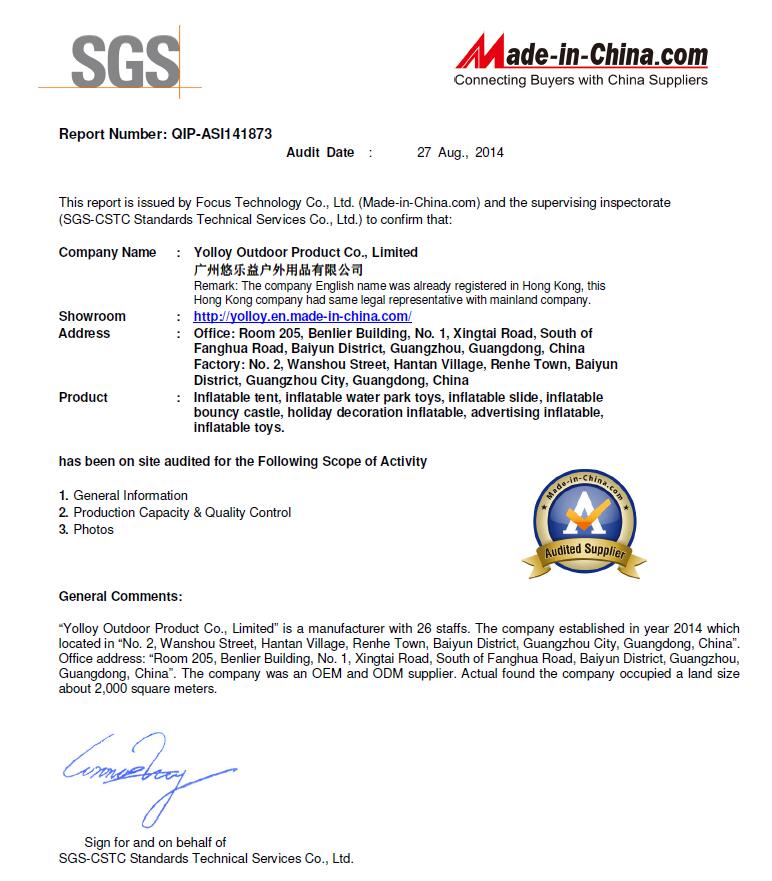
At YOLLOY, we design and build custom inflatable structures for clients across Europe, Asia, the Americas, and beyond — from transparent bubble tents and snow globes to large event domes and water parks. Every product is tested before shipment, backed by a three-year warranty, and supported by a team that responds within 24 hours.
Have a project in mind? Send us your idea — a sketch, a photo, a site plan, or just a description — and our designers will create a rendering for your approval. There's no minimum order quantity, so even small businesses and first-time buyers are welcome.