Products Category
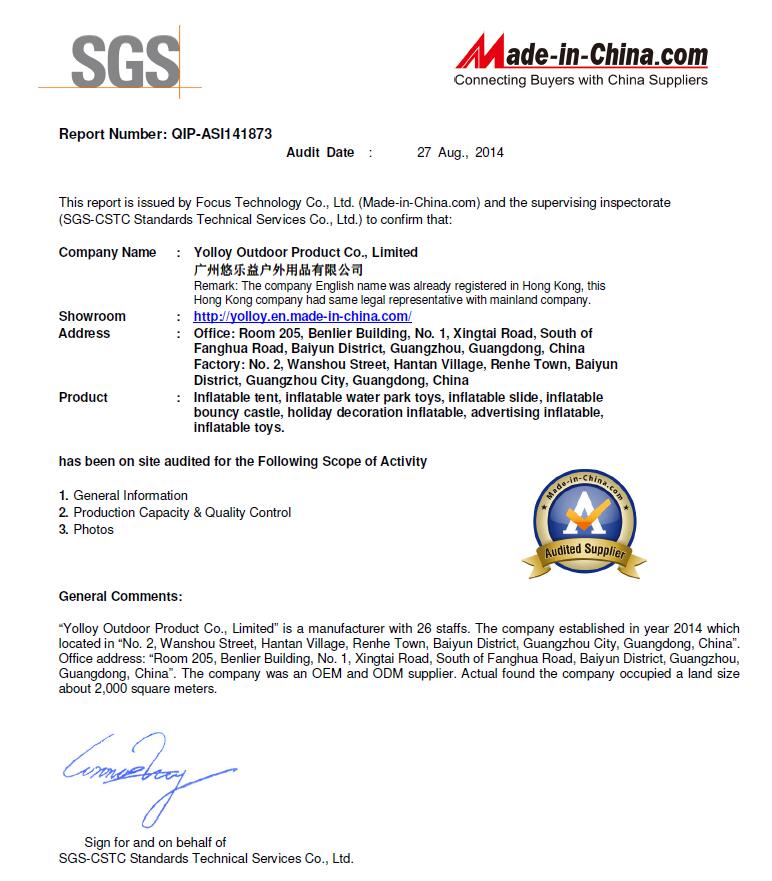
Certification

News

• New Order Successfully Finished for Long-Time Cooperated Japanese Client | YOLLOY Wins Full Client Recognition

• YOLLOY Custom Inflatable Pool Tent for Danish Client: Professional Pool Repair Shelter & Debris Protection

• Trusted Once Again! Greek Captain Re-orders Our Products After 4 Years

• Revolutionize Your Outdoors: The All-Terrain Inflatable Floating Tent for Land & Water

• Elevate Your Summer Fun: The Ultimate Inflatable Water Floating Volleyball Court Trampoline

• Innovative Inflatable Nightclub Tents & Pop-Up Bars: The Ultimate Solution for Portable Party Venues

Contact Us

Name: Sunny Yang
Tel: +86-20-8370 0771
Fax: +86-20-8370 0771
Mobile: 13570587575
E-mail: sales@yolloy.com
Add: No 5,Xiong wei Bo Nan Road,ZhongLuoTan Town,Baiyun district,Guangzhou,China
Friend me on Facebook Follow me on Twitter Add me to your circles Follow me on Pinterest Watch my channel on YouTube
News

How to Choose the Right Inflatable Tent for Your Event: Types, Customization, and Buying Tips

Author:yolloy Date:2026/7/16 10:09:15
Whether you are planning a corporate product launch, a wedding reception under the stars, a trade show booth, or a weekend festival, the structure that shelters your guests sets the tone before anyone says a word. A well-chosen outdoor inflatable tent does more than provide cover — it creates an experience. Unlike traditional frame tents, inflatable event tents combine portability, speed of setup, and a distinctive visual presence that can turn a standard event footprint into a memorable branded environment.
But not all inflatable tents are the same, and choosing the right one means thinking through more than just dimensions. The shape, material, inflation mechanism, customization options, and the reliability of the inflatable tent manufacturer behind the product all play a role in whether your event runs smoothly or becomes a logistical headache. This guide walks through the key types of inflatable tents available for events, what to look for in terms of quality and customization, and how to make a confident buying decision.
What Makes an Inflatable Tent Different?
An inflatable tent replaces the traditional metal pole or scissor-frame system with air-filled beams. Instead of assembling rigid components, you inflate the structure onsite using an electric pump. Within minutes, the tent rises into its final shape and stays rigid as long as the blower keeps a steady air supply.
This design brings several practical advantages. Setup is faster and requires fewer people — many inflatable tents can be deployed by a single person. Transport is simpler because there are no heavy frame pieces to carry or lose. And the curved, architectural silhouette of an inflatable tent naturally draws attention, making it a strong visual anchor for brand activations, VIP lounges, and hospitality areas.
Types of Inflatable Tents for Events
Understanding the main categories of inflatable event tents helps narrow down the options before you start comparing specifications. Each type serves a different purpose and creates a different atmosphere.
Inflatable Cube and Marquee Tents
The cube tent is the workhorse of the inflatable event world. Its clean, geometric shape works well for trade show booths, product sampling stations, registration areas, and corporate hospitality. The straight walls maximize usable interior space, and the flat roof profile provides a generous surface for printed branding. Cube tents are available in a wide range of sizes and can be connected side-by-side to create larger covered footprints for multi-zone activations.
Inflatable Dome Tents
Dome tents offer a curved, semi-spherical profile that looks striking at outdoor events. The rounded shape sheds wind and rain more effectively than flat-sided structures, and the high ceiling creates a spacious feeling inside. Dome tents are a popular choice for VIP lounges, exhibition spaces, and evening events where LED lighting can be used to create dramatic effects across the curved interior surface.
Clear Inflatable Bubble Tents
For events where the view matters as much as the shelter, clear bubble tents and snow globes are an increasingly popular option. The transparent PVC or TPU walls create a 360-degree connection to the outdoors — ideal for stargazing dinners, garden weddings, winter holiday markets, and glamping resorts. Because the structure is see-through, the surrounding landscape becomes part of the decor. Some designs incorporate built-in LED lighting within the walls for after-dark events.
Inflatable Tunnel and Shelter Tents
Tunnel tents use a series of inflatable arches to create a long, covered walkway or extended shelter. They are widely used for event entrances, sponsor activation zones, merchandise corridors, outdoor dining areas, and sports event sideline coverage. The modular arch design allows for flexible length, and multiple tunnel sections can be joined to cover long distances.
Specialty Inflatable Tents
Beyond the standard categories, inflatable technology has expanded into specialized applications. Inflatable spray booths provide portable, ventilated enclosures for automotive detailing at car shows. Inflatable golf simulator tents offer weatherproof practice environments for outdoor events and exhibitions. Inflatable projection domes create immersive 360-degree viewing experiences for film festivals, planetarium shows, and educational exhibits. These niche products demonstrate how versatile inflatable tent design has become.
What to Look for in an Inflatable Tent for Events
Material Quality
The material determines how long the tent lasts and how well it performs under different weather conditions. Commercial-grade PVC tarpaulin is the most common choice for event tents because of its strength, waterproofing, and UV resistance. For applications where breathability or a softer feel is preferred — such as glamping or indoor exhibitions — Oxford fabric, nylon, or TPU may be used. Ask the manufacturer about material specifications and whether they can recommend the right fabric for your specific use case.
Construction and Seams
The two main construction methods are sewing and high-temperature welding. Sewn products should use precision sewing equipment, reinforced seams, waterproof nylon thread, and additional reinforcement at high-load areas. Airtight products — such as sealed inflatable beams — require high-temperature fusion welding to ensure no air leakage. A well-made tent should hold its shape steadily with the blower running and show no signs of seam stress.
Safety Certifications
For commercial event use, especially in Europe and North America, material certifications matter. Look for manufacturers whose materials have passed recognized standards such as EN71 (toy safety), EN14960 (inflatable play equipment), and RoHS (restriction of hazardous substances). Blowers should meet CE or UL requirements depending on the destination market. These certifications are not just paperwork — they indicate that the manufacturer has invested in compliance and quality control.
Anchoring and Wind Resistance
An inflatable tent is only as stable as its anchoring system. Quality tents incorporate D-ring or round metal anchor points at key positions along the base. The number and placement of anchor points should match the tent size and expected wind loads. For outdoor events, always confirm the anchoring system is included and discuss site-specific requirements — such as anchoring on grass, sand, or hard surfaces — with the manufacturer before ordering.
Blower and Power Requirements
The blower is the heart of any inflatable tent. A properly matched blower keeps the structure rigid without overworking. Confirm that the blower can be supplied for your local voltage — 110V, 220V, or 380V — and that it meets the relevant safety certifications. For events without grid power access, discuss portable generator options with the manufacturer.
Customization: Making the Tent Your Own
One of the strongest advantages of working directly with an inflatable tent manufacturer is the level of customization available. Off-the-shelf tents may not match your brand colors, event theme, or spatial requirements. A custom-built tent, on the other hand, can be designed from the ground up to fit your exact needs.
Custom sizes and colors are standard offerings from manufacturers who operate their own design and production facilities. Customer logos and artwork can be printed directly onto the tent fabric using high-resolution printing techniques, turning the structure itself into a branding asset. If you have a concept sketch, a photograph of your event site, a floor plan, or even just a rough description, a capable manufacturer can prepare simulation renderings so you can see the finished tent before production begins.
Customization also extends to functional features. Windows, doors, mesh ventilation panels, detachable walls, internal partitions, and integrated LED lighting can all be designed into the tent at the specification stage. The key is to communicate your full requirements early so the design team can incorporate everything into a cohesive plan.
Key Questions to Ask Before Buying
What is the minimum order quantity? Some manufacturers require large bulk orders, while others — including YOLLOY — accept orders starting from a single piece. This flexibility is especially valuable for event companies testing a new tent concept or needing a one-off custom design.
What is the production and delivery timeline? A typical production time for one regular inflatable tent is 6 to 15 days, excluding transit. Complex or large custom projects may take longer. Air shipping (5 to 7 days) and sea shipping (15 to 30 days or more) are both available depending on urgency and budget.
What is included with the tent? Confirm that the blower, repair kit, anchoring system, and carrying bags are included in the quote. These items are essential for operation and maintenance, and sourcing them separately can lead to compatibility issues.
What warranty and after-sales support is offered? A manufacturer that stands behind its products will provide a clear warranty policy, a repair kit with each tent, and responsive after-sales communication. Look for a stated service life expectation — typically around three years with proper use and maintenance — and check whether the company responds to emails and inquiries within a reasonable timeframe.
Why Work Directly with a Manufacturer?
There is a practical difference between buying from a reseller and working directly with the factory that designs and builds the product. Direct sourcing cuts out the middleman markup, which means more of your budget goes into the materials and construction quality of the tent itself. It also gives you direct access to the design team, so custom requests do not get lost in translation through multiple layers of communication.
A manufacturer that offers a complete design-to-production workflow — from initial concept renderings through revision cycles to factory production — can handle the full project without outsourcing. This integrated approach reduces turnaround time, improves quality control, and ensures consistency between the approved design and the finished product.
YOLLOY Outdoor Product Co., Limited, based in Guangzhou, China, operates on exactly this model. The company designs and manufactures custom inflatable tents of all types — cube, tunnel, dome, bubble, shelter, party, sports, and specialty tents — and supplies them with appropriately powered blowers to markets across Europe, Asia, South America, Africa, the Middle East, and Latin America. With a stated minimum order of one piece, custom sizes and colors available, and logo printing capability, YOLLOY provides a direct factory solution for event companies, rental businesses, and brand marketers looking for a reliable inflatable tent manufacturer.
Ready to Bring Your Event Vision to Life?
Choosing the right inflatable tent starts with understanding your event requirements and finding a manufacturer that can deliver on quality, customization, and reliability. If you have a concept in mind — whether it is a branded cube tent for a trade show, a clear bubble dome for a rooftop dinner, or a tunnel shelter for a sports event — reach out to YOLLOY at sales@yolloy.com or call +86-20-8370 0771 to discuss your project. With an in-house design team, certified materials, and a track record of on-time delivery to global markets, YOLLOY is ready to turn your idea into a finished inflatable tent that performs at every event.

How to Choose the Right Inflatable Tent for Your Event: Types, Customization, and Buying Tips

Author:yolloy Date:2026/7/16 10:09:15

Whether you are planning a corporate product launch, a wedding reception under the stars, a trade show booth, or a weekend festival, the structure that shelters your guests sets the tone before anyone says a word. A well-chosen outdoor inflatable tent does more than provide cover — it creates an experience. Unlike traditional frame tents, inflatable event tents combine portability, speed of setup, and a distinctive visual presence that can turn a standard event footprint into a memorable branded environment.
But not all inflatable tents are the same, and choosing the right one means thinking through more than just dimensions. The shape, material, inflation mechanism, customization options, and the reliability of the inflatable tent manufacturer behind the product all play a role in whether your event runs smoothly or becomes a logistical headache. This guide walks through the key types of inflatable tents available for events, what to look for in terms of quality and customization, and how to make a confident buying decision.
What Makes an Inflatable Tent Different?
An inflatable tent replaces the traditional metal pole or scissor-frame system with air-filled beams. Instead of assembling rigid components, you inflate the structure onsite using an electric pump. Within minutes, the tent rises into its final shape and stays rigid as long as the blower keeps a steady air supply.
This design brings several practical advantages. Setup is faster and requires fewer people — many inflatable tents can be deployed by a single person. Transport is simpler because there are no heavy frame pieces to carry or lose. And the curved, architectural silhouette of an inflatable tent naturally draws attention, making it a strong visual anchor for brand activations, VIP lounges, and hospitality areas.
Types of Inflatable Tents for Events
Understanding the main categories of inflatable event tents helps narrow down the options before you start comparing specifications. Each type serves a different purpose and creates a different atmosphere.
Inflatable Cube and Marquee Tents
The cube tent is the workhorse of the inflatable event world. Its clean, geometric shape works well for trade show booths, product sampling stations, registration areas, and corporate hospitality. The straight walls maximize usable interior space, and the flat roof profile provides a generous surface for printed branding. Cube tents are available in a wide range of sizes and can be connected side-by-side to create larger covered footprints for multi-zone activations.
Inflatable Dome Tents
Dome tents offer a curved, semi-spherical profile that looks striking at outdoor events. The rounded shape sheds wind and rain more effectively than flat-sided structures, and the high ceiling creates a spacious feeling inside. Dome tents are a popular choice for VIP lounges, exhibition spaces, and evening events where LED lighting can be used to create dramatic effects across the curved interior surface.
Clear Inflatable Bubble Tents
For events where the view matters as much as the shelter, clear bubble tents and snow globes are an increasingly popular option. The transparent PVC or TPU walls create a 360-degree connection to the outdoors — ideal for stargazing dinners, garden weddings, winter holiday markets, and glamping resorts. Because the structure is see-through, the surrounding landscape becomes part of the decor. Some designs incorporate built-in LED lighting within the walls for after-dark events.
Inflatable Tunnel and Shelter Tents
Tunnel tents use a series of inflatable arches to create a long, covered walkway or extended shelter. They are widely used for event entrances, sponsor activation zones, merchandise corridors, outdoor dining areas, and sports event sideline coverage. The modular arch design allows for flexible length, and multiple tunnel sections can be joined to cover long distances.
Specialty Inflatable Tents
Beyond the standard categories, inflatable technology has expanded into specialized applications. Inflatable spray booths provide portable, ventilated enclosures for automotive detailing at car shows. Inflatable golf simulator tents offer weatherproof practice environments for outdoor events and exhibitions. Inflatable projection domes create immersive 360-degree viewing experiences for film festivals, planetarium shows, and educational exhibits. These niche products demonstrate how versatile inflatable tent design has become.
What to Look for in an Inflatable Tent for Events
Material Quality
The material determines how long the tent lasts and how well it performs under different weather conditions. Commercial-grade PVC tarpaulin is the most common choice for event tents because of its strength, waterproofing, and UV resistance. For applications where breathability or a softer feel is preferred — such as glamping or indoor exhibitions — Oxford fabric, nylon, or TPU may be used. Ask the manufacturer about material specifications and whether they can recommend the right fabric for your specific use case.
Construction and Seams
The two main construction methods are sewing and high-temperature welding. Sewn products should use precision sewing equipment, reinforced seams, waterproof nylon thread, and additional reinforcement at high-load areas. Airtight products — such as sealed inflatable beams — require high-temperature fusion welding to ensure no air leakage. A well-made tent should hold its shape steadily with the blower running and show no signs of seam stress.
Safety Certifications
For commercial event use, especially in Europe and North America, material certifications matter. Look for manufacturers whose materials have passed recognized standards such as EN71 (toy safety), EN14960 (inflatable play equipment), and RoHS (restriction of hazardous substances). Blowers should meet CE or UL requirements depending on the destination market. These certifications are not just paperwork — they indicate that the manufacturer has invested in compliance and quality control.
Anchoring and Wind Resistance
An inflatable tent is only as stable as its anchoring system. Quality tents incorporate D-ring or round metal anchor points at key positions along the base. The number and placement of anchor points should match the tent size and expected wind loads. For outdoor events, always confirm the anchoring system is included and discuss site-specific requirements — such as anchoring on grass, sand, or hard surfaces — with the manufacturer before ordering.
Blower and Power Requirements
The blower is the heart of any inflatable tent. A properly matched blower keeps the structure rigid without overworking. Confirm that the blower can be supplied for your local voltage — 110V, 220V, or 380V — and that it meets the relevant safety certifications. For events without grid power access, discuss portable generator options with the manufacturer.
Customization: Making the Tent Your Own
One of the strongest advantages of working directly with an inflatable tent manufacturer is the level of customization available. Off-the-shelf tents may not match your brand colors, event theme, or spatial requirements. A custom-built tent, on the other hand, can be designed from the ground up to fit your exact needs.
Custom sizes and colors are standard offerings from manufacturers who operate their own design and production facilities. Customer logos and artwork can be printed directly onto the tent fabric using high-resolution printing techniques, turning the structure itself into a branding asset. If you have a concept sketch, a photograph of your event site, a floor plan, or even just a rough description, a capable manufacturer can prepare simulation renderings so you can see the finished tent before production begins.
Customization also extends to functional features. Windows, doors, mesh ventilation panels, detachable walls, internal partitions, and integrated LED lighting can all be designed into the tent at the specification stage. The key is to communicate your full requirements early so the design team can incorporate everything into a cohesive plan.
Key Questions to Ask Before Buying
What is the minimum order quantity? Some manufacturers require large bulk orders, while others — including YOLLOY — accept orders starting from a single piece. This flexibility is especially valuable for event companies testing a new tent concept or needing a one-off custom design.
What is the production and delivery timeline? A typical production time for one regular inflatable tent is 6 to 15 days, excluding transit. Complex or large custom projects may take longer. Air shipping (5 to 7 days) and sea shipping (15 to 30 days or more) are both available depending on urgency and budget.
What is included with the tent? Confirm that the blower, repair kit, anchoring system, and carrying bags are included in the quote. These items are essential for operation and maintenance, and sourcing them separately can lead to compatibility issues.
What warranty and after-sales support is offered? A manufacturer that stands behind its products will provide a clear warranty policy, a repair kit with each tent, and responsive after-sales communication. Look for a stated service life expectation — typically around three years with proper use and maintenance — and check whether the company responds to emails and inquiries within a reasonable timeframe.
Why Work Directly with a Manufacturer?
There is a practical difference between buying from a reseller and working directly with the factory that designs and builds the product. Direct sourcing cuts out the middleman markup, which means more of your budget goes into the materials and construction quality of the tent itself. It also gives you direct access to the design team, so custom requests do not get lost in translation through multiple layers of communication.
A manufacturer that offers a complete design-to-production workflow — from initial concept renderings through revision cycles to factory production — can handle the full project without outsourcing. This integrated approach reduces turnaround time, improves quality control, and ensures consistency between the approved design and the finished product.
YOLLOY Outdoor Product Co., Limited, based in Guangzhou, China, operates on exactly this model. The company designs and manufactures custom inflatable tents of all types — cube, tunnel, dome, bubble, shelter, party, sports, and specialty tents — and supplies them with appropriately powered blowers to markets across Europe, Asia, South America, Africa, the Middle East, and Latin America. With a stated minimum order of one piece, custom sizes and colors available, and logo printing capability, YOLLOY provides a direct factory solution for event companies, rental businesses, and brand marketers looking for a reliable inflatable tent manufacturer.
Ready to Bring Your Event Vision to Life?
Choosing the right inflatable tent starts with understanding your event requirements and finding a manufacturer that can deliver on quality, customization, and reliability. If you have a concept in mind — whether it is a branded cube tent for a trade show, a clear bubble dome for a rooftop dinner, or a tunnel shelter for a sports event — reach out to YOLLOY at sales@yolloy.com or call +86-20-8370 0771 to discuss your project. With an in-house design team, certified materials, and a track record of on-time delivery to global markets, YOLLOY is ready to turn your idea into a finished inflatable tent that performs at every event.