Products Category
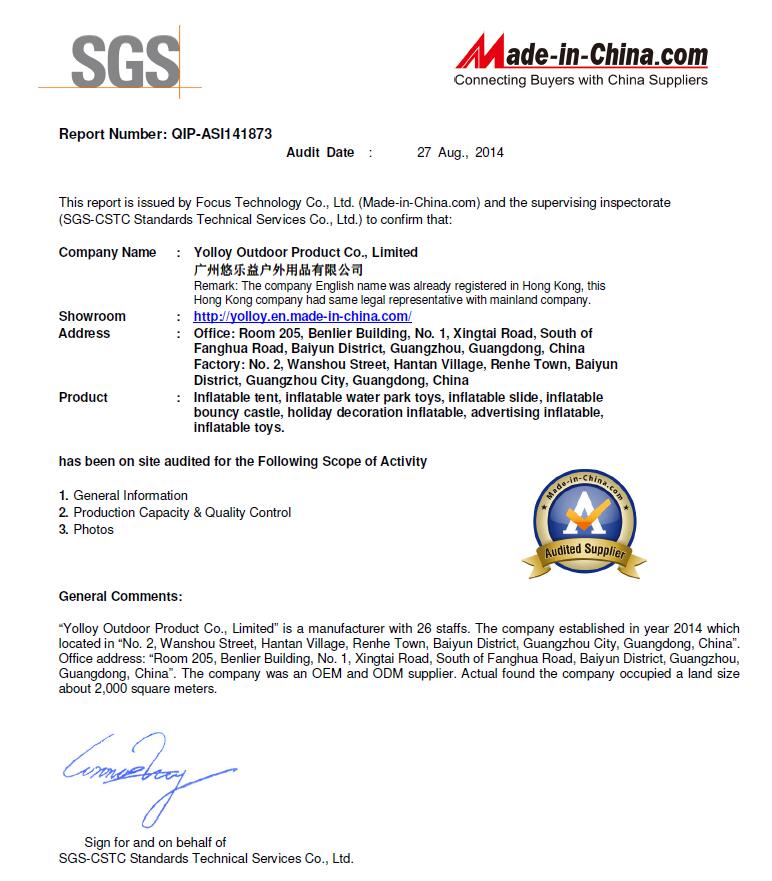
Certification

News

• New Order Successfully Finished for Long-Time Cooperated Japanese Client | YOLLOY Wins Full Client Recognition

• YOLLOY Custom Inflatable Pool Tent for Danish Client: Professional Pool Repair Shelter & Debris Protection

• Trusted Once Again! Greek Captain Re-orders Our Products After 4 Years

• Revolutionize Your Outdoors: The All-Terrain Inflatable Floating Tent for Land & Water

• Elevate Your Summer Fun: The Ultimate Inflatable Water Floating Volleyball Court Trampoline

• Innovative Inflatable Nightclub Tents & Pop-Up Bars: The Ultimate Solution for Portable Party Venues

Contact Us

Name: Sunny Yang
Tel: +86-20-8370 0771
Fax: +86-20-8370 0771
Mobile: 13570587575
E-mail: [email protected]
Add: No 5,Xiong wei Bo Nan Road,ZhongLuoTan Town,Baiyun district,Guangzhou,China
Friend me on Facebook Follow me on Twitter Add me to your circles Follow me on Pinterest Watch my channel on YouTube
News

How do you choose a clear inflatable tent supplier?

Author:yolloy Date:2026/8/14 13:26:27

Finding the right clear inflatable tent supplier can feel overwhelming. With dozens of manufacturers claiming to offer the best quality at the lowest price, how do you know which one will actually deliver? Whether you are planning a glamping site, organizing outdoor events, or adding a unique feature to your hospitality business, the supplier you choose directly affects your project's success. This guide walks you through the key factors to evaluate so you can make a confident, informed decision.

1. Get Clear on What You Actually Need

Before reaching out to any supplier, take time to define your requirements. The more specific you are, the easier it becomes to spot the right partner.

Purpose and Usage Scenario

Is your inflatable clear dome tent for personal camping, or is it a commercial installation that will see daily use? A weekend camper may prioritize portability and quick setup, while a hotel or event venue needs heavy-duty materials that withstand constant inflation and foot traffic. Define your primary use case first — it drives every other decision.

Size, Capacity, and Environment

Consider how many people the tent needs to accommodate and the space available at your site. A 3-meter dome suits a cozy couple's retreat, but a festival lounge might demand 8 meters or more. Also think about the environment: will the tent face strong winds, heavy rain, or intense sun? These conditions determine the material thickness, anchoring system, and UV protection you need.

2. Evaluate the Supplier's Experience and Background

Clear inflatable tents are specialized products. A supplier that mainly produces bounce houses or water slides may lack the expertise required for transparent dome structures. Look for a clear inflatable tent manufacturer with a dedicated track record in inflatable architecture.

Years in Business and Project Portfolio

A supplier with years of experience has likely encountered and solved common problems — material weaknesses, design flaws, shipping challenges. Ask to see examples of completed projects: have they supplied domes for hotels, events, or campgrounds similar to yours? Real project photos and client references speak far louder than marketing claims.

Certifications and Quality Systems

Legitimate manufacturers hold recognized certifications. Look for ISO 9001 quality management certification, CE marking for European safety compliance, and material testing reports from organizations like SGS. For inflatable products, standards such as EN71 and EN14960 indicate that materials have passed safety testing for harmful substances and physical durability. If a supplier cannot provide these, ask why.

Production Capacity and Lead Times

Ask about typical production timelines and whether the factory can handle custom orders within your deadline. A manufacturer with dedicated design, cutting, welding, and sewing teams is far more likely to meet delivery commitments than a small workshop juggling multiple product lines. Standard production for a regular inflatable product typically takes 6–15 days, while complex custom projects may require longer.

3. Inspect Product Quality — Don't Rely on Photos Alone

Product photos can be misleading. You need to dig into the specifics of how the tent is built.

Material: PVC Thickness and Grade

Most clear inflatable domes use PVC tarpaulin, but thickness varies dramatically. Lightweight camping tents might use 0.6–0.8mm PVC, while commercial installations should use 1.2mm or thicker. Commercial-grade PVC with UV stabilizers prevents yellowing after sun exposure, and flame-retardant additives are essential for public event use. Ask the supplier for the exact material gauge and whether they can provide material test reports.

Airtightness and Seam Quality

A tent that slowly deflates overnight ruins the experience. Quality manufacturers use high-temperature fusion welding equipment to create airtight seams rather than relying solely on stitching. Heat-sealed seams create bonds as strong as the material itself. Ask about airtightness testing: reputable suppliers inflate finished products and monitor pressure retention over 24 hours, aiming for minimal pressure loss.

Reinforcement and Safety Features

Check how the tent handles stress points. Are there reinforced seams at high-load areas? Does the design include D-ring or round metal anchor systems for wind resistance? For commercial tents, multiple independent air chambers are a valuable safety feature — if one chamber leaks, the structure remains standing. Emergency exits, ventilation ports, and automatic pressure relief valves also matter for public-use scenarios.

Quick Quality Checklist: When evaluating a supplier, confirm PVC thickness, seam technology (heat-sealed vs. stitched), airtightness testing procedures, anchor system design, and whether safety certifications like EN71 or CE are available for the specific product line.

4. Compare Pricing the Right Way

The cheapest quote rarely represents the best value. A low upfront price often means thinner materials, weaker seams, and a shorter lifespan — costs that catch up with you later.

Request Detailed, Itemized Quotes

Get quotes from at least three suppliers and compare them line by line. A proper quote should break down the tent cost, blower and accessories, customization fees, packaging, shipping, and any applicable taxes. Vague "all-in" pricing without detail is a red flag.

Think Beyond the Purchase Price

Consider the total cost of ownership. Does the tent come with a repair kit? Are replacement parts like blower motors and PVC patches readily available and affordable? A dome with a 3-year warranty and accessible spare parts may cost more upfront but delivers far better long-term value than a cheaper alternative with a 6-month warranty and no parts support.

5. Assess Communication and Support

How a supplier communicates during the sales process tells you a lot about how they will treat you after the sale.

Responsiveness and Transparency

Send an inquiry and note how long it takes to get a meaningful reply. A supplier that responds within 24 hours with detailed answers to your questions demonstrates professionalism. Do they ask thoughtful questions about your project, or do they immediately push a standard product? The best suppliers act as consultants — they help you figure out what you need rather than just trying to close a sale.

Customization Capability

Can the supplier customize sizes, colors, and features? Can they print your logo or artwork? A manufacturer that offers design-to-production service — preparing simulation renderings from your ideas and revising until approval — shows genuine commitment to meeting your requirements. Custom orders with a minimum order quantity of just one piece indicate flexibility that mass-production factories cannot match.

After-Sales and Warranty

Ask about warranty terms before you buy. A typical warranty period of 1–3 years for materials and workmanship is standard for quality inflatable products. Also clarify the after-sales process: if something goes wrong, will they ship replacement parts, guide you through repairs, or require you to return the entire product? For international buyers, practical support matters more than a warranty on paper.

6. Watch for These Warning Signs

  • No material specifications. If a supplier cannot tell you the exact PVC thickness, seam type, or certifications, they may be a middleman rather than a manufacturer.
  • No real product photos. A supplier who only shows renderings or stock images may not actually produce the tents themselves. Ask for photos of recently completed orders.
  • High-pressure sales tactics. "Limited-time discounts" and urgent "buy now" pushes without answering your technical questions are designed to rush you past due diligence.
  • Unwillingness to provide references. A confident manufacturer should be happy to share client testimonials or case studies from similar projects.
  • No written contract or warranty. Verbal promises mean nothing. A written agreement covering specifications, delivery dates, payment terms, and warranty protects both parties.

7. Make Your Final Decision

After comparing suppliers on experience, product quality, pricing, and support, you will likely have a shortlist of one or two candidates. If possible, request a material sample — feeling the PVC thickness and inspecting the transparency in person reveals more than any website description. For larger orders, a factory visit provides invaluable insight into production processes and team professionalism.

Pay attention to the details that signal a well-run operation: precision sewing equipment, reinforced seams with waterproof nylon thread, high-temperature fusion welding for airtight products, and a systematic inspection process before shipment. These are the indicators of a manufacturer that takes quality seriously, not just one that talks about it.

The Bottom Line

Choosing a clear inflatable tent supplier is a decision that shapes your project from day one. Take the time to evaluate experience, inspect quality, compare total value rather than just price, and trust your instincts when something feels off. A supplier that is transparent about their materials, certifications, production process, and limitations is far more likely to be a reliable long-term partner. Your tent is an investment — and the right supplier makes sure it pays off.


How do you choose a clear inflatable tent supplier?

Author:yolloy Date:2026/8/14 13:26:27

Finding the right clear inflatable tent supplier can feel overwhelming. With dozens of manufacturers claiming to offer the best quality at the lowest price, how do you know which one will actually deliver? Whether you are planning a glamping site, organizing outdoor events, or adding a unique feature to your hospitality business, the supplier you choose directly affects your project's success. This guide walks you through the key factors to evaluate so you can make a confident, informed decision.

1. Get Clear on What You Actually Need

Before reaching out to any supplier, take time to define your requirements. The more specific you are, the easier it becomes to spot the right partner.

Purpose and Usage Scenario

Is your inflatable clear dome tent for personal camping, or is it a commercial installation that will see daily use? A weekend camper may prioritize portability and quick setup, while a hotel or event venue needs heavy-duty materials that withstand constant inflation and foot traffic. Define your primary use case first — it drives every other decision.

Size, Capacity, and Environment

Consider how many people the tent needs to accommodate and the space available at your site. A 3-meter dome suits a cozy couple's retreat, but a festival lounge might demand 8 meters or more. Also think about the environment: will the tent face strong winds, heavy rain, or intense sun? These conditions determine the material thickness, anchoring system, and UV protection you need.

2. Evaluate the Supplier's Experience and Background

Clear inflatable tents are specialized products. A supplier that mainly produces bounce houses or water slides may lack the expertise required for transparent dome structures. Look for a clear inflatable tent manufacturer with a dedicated track record in inflatable architecture.

Years in Business and Project Portfolio

A supplier with years of experience has likely encountered and solved common problems — material weaknesses, design flaws, shipping challenges. Ask to see examples of completed projects: have they supplied domes for hotels, events, or campgrounds similar to yours? Real project photos and client references speak far louder than marketing claims.

Certifications and Quality Systems

Legitimate manufacturers hold recognized certifications. Look for ISO 9001 quality management certification, CE marking for European safety compliance, and material testing reports from organizations like SGS. For inflatable products, standards such as EN71 and EN14960 indicate that materials have passed safety testing for harmful substances and physical durability. If a supplier cannot provide these, ask why.

Production Capacity and Lead Times

Ask about typical production timelines and whether the factory can handle custom orders within your deadline. A manufacturer with dedicated design, cutting, welding, and sewing teams is far more likely to meet delivery commitments than a small workshop juggling multiple product lines. Standard production for a regular inflatable product typically takes 6–15 days, while complex custom projects may require longer.

3. Inspect Product Quality — Don't Rely on Photos Alone

Product photos can be misleading. You need to dig into the specifics of how the tent is built.

Material: PVC Thickness and Grade

Most clear inflatable domes use PVC tarpaulin, but thickness varies dramatically. Lightweight camping tents might use 0.6–0.8mm PVC, while commercial installations should use 1.2mm or thicker. Commercial-grade PVC with UV stabilizers prevents yellowing after sun exposure, and flame-retardant additives are essential for public event use. Ask the supplier for the exact material gauge and whether they can provide material test reports.

Airtightness and Seam Quality

A tent that slowly deflates overnight ruins the experience. Quality manufacturers use high-temperature fusion welding equipment to create airtight seams rather than relying solely on stitching. Heat-sealed seams create bonds as strong as the material itself. Ask about airtightness testing: reputable suppliers inflate finished products and monitor pressure retention over 24 hours, aiming for minimal pressure loss.

Reinforcement and Safety Features

Check how the tent handles stress points. Are there reinforced seams at high-load areas? Does the design include D-ring or round metal anchor systems for wind resistance? For commercial tents, multiple independent air chambers are a valuable safety feature — if one chamber leaks, the structure remains standing. Emergency exits, ventilation ports, and automatic pressure relief valves also matter for public-use scenarios.

Quick Quality Checklist: When evaluating a supplier, confirm PVC thickness, seam technology (heat-sealed vs. stitched), airtightness testing procedures, anchor system design, and whether safety certifications like EN71 or CE are available for the specific product line.

4. Compare Pricing the Right Way

The cheapest quote rarely represents the best value. A low upfront price often means thinner materials, weaker seams, and a shorter lifespan — costs that catch up with you later.

Request Detailed, Itemized Quotes

Get quotes from at least three suppliers and compare them line by line. A proper quote should break down the tent cost, blower and accessories, customization fees, packaging, shipping, and any applicable taxes. Vague "all-in" pricing without detail is a red flag.

Think Beyond the Purchase Price

Consider the total cost of ownership. Does the tent come with a repair kit? Are replacement parts like blower motors and PVC patches readily available and affordable? A dome with a 3-year warranty and accessible spare parts may cost more upfront but delivers far better long-term value than a cheaper alternative with a 6-month warranty and no parts support.

5. Assess Communication and Support

How a supplier communicates during the sales process tells you a lot about how they will treat you after the sale.

Responsiveness and Transparency

Send an inquiry and note how long it takes to get a meaningful reply. A supplier that responds within 24 hours with detailed answers to your questions demonstrates professionalism. Do they ask thoughtful questions about your project, or do they immediately push a standard product? The best suppliers act as consultants — they help you figure out what you need rather than just trying to close a sale.

Customization Capability

Can the supplier customize sizes, colors, and features? Can they print your logo or artwork? A manufacturer that offers design-to-production service — preparing simulation renderings from your ideas and revising until approval — shows genuine commitment to meeting your requirements. Custom orders with a minimum order quantity of just one piece indicate flexibility that mass-production factories cannot match.

After-Sales and Warranty

Ask about warranty terms before you buy. A typical warranty period of 1–3 years for materials and workmanship is standard for quality inflatable products. Also clarify the after-sales process: if something goes wrong, will they ship replacement parts, guide you through repairs, or require you to return the entire product? For international buyers, practical support matters more than a warranty on paper.

6. Watch for These Warning Signs

  • No material specifications. If a supplier cannot tell you the exact PVC thickness, seam type, or certifications, they may be a middleman rather than a manufacturer.
  • No real product photos. A supplier who only shows renderings or stock images may not actually produce the tents themselves. Ask for photos of recently completed orders.
  • High-pressure sales tactics. "Limited-time discounts" and urgent "buy now" pushes without answering your technical questions are designed to rush you past due diligence.
  • Unwillingness to provide references. A confident manufacturer should be happy to share client testimonials or case studies from similar projects.
  • No written contract or warranty. Verbal promises mean nothing. A written agreement covering specifications, delivery dates, payment terms, and warranty protects both parties.

7. Make Your Final Decision

After comparing suppliers on experience, product quality, pricing, and support, you will likely have a shortlist of one or two candidates. If possible, request a material sample — feeling the PVC thickness and inspecting the transparency in person reveals more than any website description. For larger orders, a factory visit provides invaluable insight into production processes and team professionalism.

Pay attention to the details that signal a well-run operation: precision sewing equipment, reinforced seams with waterproof nylon thread, high-temperature fusion welding for airtight products, and a systematic inspection process before shipment. These are the indicators of a manufacturer that takes quality seriously, not just one that talks about it.

The Bottom Line

Choosing a clear inflatable tent supplier is a decision that shapes your project from day one. Take the time to evaluate experience, inspect quality, compare total value rather than just price, and trust your instincts when something feels off. A supplier that is transparent about their materials, certifications, production process, and limitations is far more likely to be a reliable long-term partner. Your tent is an investment — and the right supplier makes sure it pays off.