Owning an inflatable tent is an investment — whether you use it for camping trips, outdoor events, commercial exhibitions, or emergency shelter. Like any quality piece of equipment, it rewards consistent care. Understanding what inflatable tent maintenance involves can add years to its lifespan, save you from costly repairs, and keep it performing reliably every time you set it up.
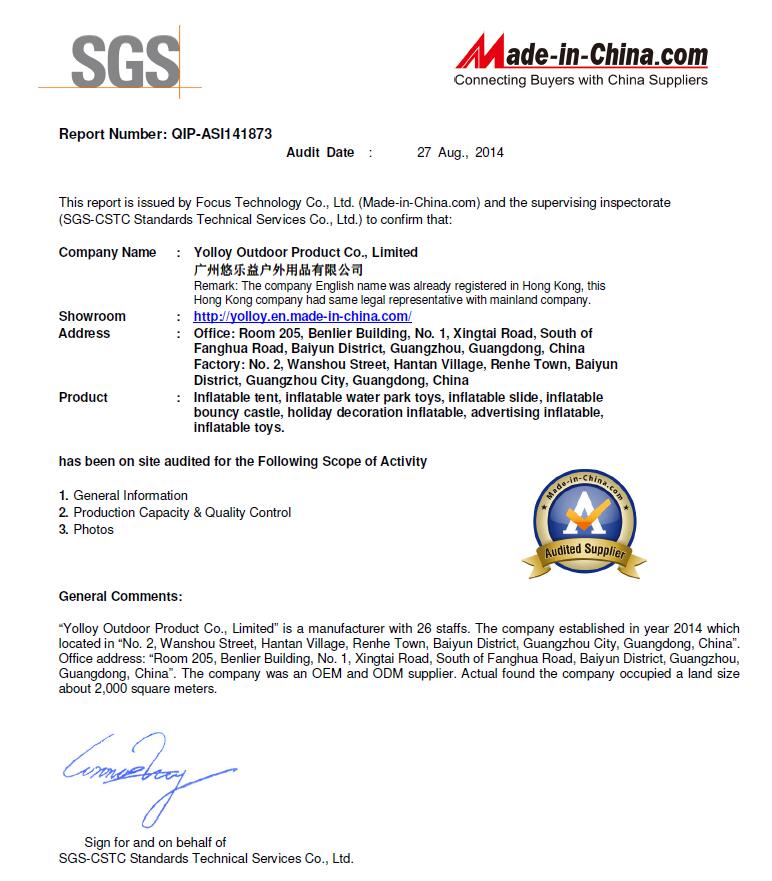
As one of the leading inflatable tent manufacturers, YOLLOY designs its products with durable commercial-grade materials and precision engineering. But even the best-built tent needs proper care. This guide covers everything you need to know about maintaining your YOLLOY inflatable tent — from daily cleaning to long-term storage.
Why Inflatable Tent Maintenance Matters
Inflatable tents rely on air beams instead of traditional metal or fiberglass poles. This design offers faster setup, greater flexibility in wind, and reduced stress on the fabric. However, the air beam system, fabric coatings, zippers, and seams all require periodic attention. Neglecting maintenance can lead to slow leaks, mold growth, fabric degradation, and shortened product life.
YOLLOY inflatable tents are built with premium materials including commercial-grade PVC tarpaulin, Oxford fabric, nylon, and TPU — all selected for durability and weather resistance. Materials used in YOLLOY products have passed EN71, EN14960, and RoHS testing, while blowers meet CE or UL requirements. With proper maintenance, these tents are designed to serve reliably for years, and YOLLOY backs this with a three-year service life expectation when products are used and maintained correctly.
1. Cleaning Your Inflatable Tent the Right Way
Dirt, mud, sand, and debris left on the fabric surface can cause abrasion over time and degrade the waterproof coating. Cleaning after each use is one of the simplest and most effective maintenance habits.
Use lukewarm water and a soft sponge or cloth to wipe down the tent surface. For stubborn marks, a mild non-detergent soap is acceptable. Avoid harsh chemicals, bleach, solvents, or abrasive cleaners — these can strip the protective coating and weaken the fabric. Pay special attention to zippers, valves, and seams, where dirt tends to accumulate. Never machine wash your inflatable tent; the agitation and chemicals will damage both the fabric and the air beam system.
After cleaning, rinse thoroughly with clean water to remove all soap residue. Residual cleaner can attract more dirt and may affect the water-repellent properties of the fabric over time.
2. Drying — The Most Critical Step
Storing a damp or wet inflatable tent is the number one cause of mold, mildew, and fabric degradation. Moisture trapped in folded fabric creates an ideal environment for fungal growth within days, and the resulting odors and stains are often permanent.
After every use — especially if you packed up in wet conditions — set the tent up again as soon as possible to let it air dry completely. Open all doors, windows, and vents. Allow several hours of drying time, flipping the tent over halfway through to ensure the floor fabric dries as well. Corners and seams hold moisture longer than flat panels, so give these areas extra attention. Only pack the tent away when every part feels dry to the touch.
3. Inspecting and Maintaining the Air Beam System
The air beams are the structural core of your inflatable tent. Regular inspection keeps them reliable and helps catch small issues before they become major problems.
Inflate the tent fully and check each beam chamber for slow leaks. One effective method is to apply soapy water along the beams, joints, and valve connections — if bubbles form, you have found a leak. Check that valve caps are secure and undamaged. Avoid over-inflating; always follow the recommended pressure. A properly inflated beam should feel firm like a bicycle tire, with some give but no buckling.
Temperature changes affect air pressure. On cold nights, the air inside the beams contracts, and the tent may feel softer in the morning. This is normal and not a sign of a leak — simply top up with a hand pump. YOLLOY supplies appropriately powered blowers with each product, available in 110V, 220V, or 380V configurations to suit different regional requirements.
4. Repairing Small Damage
Every YOLLOY inflatable tent comes with a repair kit, so you can handle minor punctures and tears on the spot. For a small puncture in an air beam, locate the leak by inflating the beam and listening for a hissing sound or using the soapy water method. Mark the spot, clean the area thoroughly, and apply the patch according to the kit instructions. Allow the adhesive to cure fully — typically 24 hours — before re-inflating.
YOLLOY products are manufactured with precision sewing equipment using reinforced seams and waterproof nylon thread, with additional reinforcement at high-load areas. Airtight products are built with high-temperature fusion and welding equipment for superior seam integrity. For larger damage or structural concerns, contact the manufacturer directly. As a dedicated inflatable tent supplier, YOLLOY provides after-sales support and can advise on repairs that go beyond what a standard patch kit can handle.
5. Zipper and Hardware Care
Zippers are among the most frequently used and most commonly overlooked components. Keep them clean and free of grit and sand. A small amount of zip lubricant or beeswax applied periodically helps them run smoothly. Never force a stuck zipper — work it gently and check for debris caught in the teeth first. Close all zippers before packing the tent to prevent snagging during storage.
Rinse and dry metal pegs after use to prevent rust. Check guy ropes for fraying and store them loosely coiled. YOLLOY tents incorporate D-ring or round metal anchor systems for secure installation and wind resistance — inspect these anchor points periodically to ensure they remain firmly attached and free of corrosion.
6. Proper Storage Practices
How you store your tent between uses matters as much as how you use it. Store your inflatable tent in a cool, dry place away from direct sunlight and heat sources. UV exposure is one of the most damaging factors for tent fabrics — prolonged sunlight can weaken material strength significantly over time. Avoid compressing the tent tightly for long periods; loosely folding or rolling it reduces stress on the fabric and air beams. Store valves in the open position to prevent the rubber seals from sticking or deforming.
Keep the tent away from sharp objects, rodents, and damp environments. YOLLOY products are packed using soft carpet protection, waterproof PVC bags, and outer PE film for shipment — you can reuse these protective layers for long-term storage. Large products may be shipped on steel pallets, which also serve as excellent storage bases.
7. Re-Waterproofing and Coating Care
Over time and with regular use, the water-repellent coating on your tent fabric will gradually wear down. Signs that your tent needs re-waterproofing include water no longer beading off the surface, fabric that feels damp even when seams are intact, and reduced performance in sustained rain.
Apply a spray-on DWR (Durable Water Repellent) reproofing product to clean, slightly damp fabric and allow it to dry completely. This restores water repellency and extends the life of the waterproof membrane. For seam areas that show wear, apply a seam sealer once per season. These simple steps add minimal time to your maintenance routine but significantly extend the functional life of your tent.
8. When to Contact the Manufacturer
While routine cleaning and minor patch repairs are straightforward, some situations call for professional attention. Contact YOLLOY if you notice seam separation beyond what a patch can handle, significant air beam damage, or any structural issue that affects the tent's safety and performance.
YOLLOY offers full customization services — from design simulation renderings to factory production — and the same team that builds your tent can provide expert repair guidance. Whether you need inflatable tent camping gear or commercial-grade event shelters, the company's after-sales support is designed to keep your investment performing at its best. YOLLOY states that emails and inquiries are answered within 24 hours, and the company maintains a 95% on-time delivery rate for replacement parts and new orders alike.
Quick Maintenance Checklist
- Dry the tent completely before packing and storing — every single time
- Clean fabric, zippers, and valves with mild soap and water after each use
- Inspect air beams for leaks using the soapy water method
- Check and top up air pressure, especially after cold nights
- Lubricate zippers periodically to prevent sticking
- Store loosely in a cool, dry place away from UV exposure
- Reapply DWR coating when water stops beading on the fabric
- Inspect anchor points, pegs, and guy ropes regularly
- Use the included repair kit for small punctures — patch promptly
- Contact the manufacturer for structural damage or large repairs
A well-maintained inflatable tent is a long-term asset. With consistent care, your YOLLOY tent can deliver reliable performance season after season — whether you are camping in the backcountry, hosting an outdoor event, or running a commercial operation. The few minutes you spend on maintenance after each use pay for themselves many times over in extended product life and trouble-free adventures.