When it comes to outdoor adventures that span across spring rain, summer heat, autumn winds, and winter snow, a reliable shelter is non-negotiable. Inflatable tents have rapidly evolved from a niche novelty into a serious contender for year-round camping. But what exactly makes an inflatable tent suitable for four-season use, and how do you choose the right one? This article breaks down the key factors — from material engineering and structural design to practical considerations like setup speed and condensation control — so you can make an informed decision.
What Defines a True 4-Season Inflatable Tent?
A genuine four-season inflatable tent is not simply a summer tent with thicker fabric. It must handle a wide spectrum of conditions: sub-zero temperatures, heavy snow loads, strong winds, and high humidity. Several engineering factors separate a capable all-weather shelter from a fair-weather one.
First, the air beam system is the backbone of the structure. Quality inflatable tents use reinforced air chambers — often made from TPU (Thermoplastic Polyurethane) or high-grade PVC — that maintain consistent pressure across a wide temperature range. TPU, in particular, remains pliable down to -40°C, whereas lower-grade PVC can become brittle and crack in freezing conditions. Dual-chamber or multi-chamber designs add redundancy: if one beam loses pressure, the remaining chambers keep the tent upright while you locate and patch the issue.
Second, fabric selection matters enormously. A tent built for four seasons should use dense, breathable materials that balance waterproofing with moisture management. Oxford fabric with a high Denier rating (300D or 420D) provides excellent tear resistance, while a silver-coated rainfly can reflect UV radiation and help regulate interior temperature. For cold-weather camping, fabric with a cotton-blend component — such as TC (Terylene Cotton) — absorbs internal moisture before it condenses, reducing the "internal rain" effect that plagues fully synthetic tents.
Third, ventilation design is critical. The best four-season tents incorporate ridge vents, adjustable ground-level vents, and a flysheet that sits away from the inner body to create an insulating air gap. This chimney-style airflow prevents condensation buildup even when the tent is sealed against cold weather.
Finally, structural geometry plays a role. Aerodynamic dome shapes shed wind more effectively than boxy designs, and near-vertical side walls — made possible by the rigidity of pressurized air beams — maximize usable interior space. This means you can sit upright, place cots near the edges, and organize gear without feeling cramped.
Key Features to Look for When Buying
If you are in the market for a best inflatable tent that can handle all four seasons, here are the features that deserve your attention:
Air Beam Quality and Pressure Rating
Look for tents with air beams rated at 5.0 PSI or higher. Higher pressure translates to greater structural rigidity, which is essential for resisting snow loads and wind gusts. A built-in pressure gauge on the pump, automatic valve locks, and compatibility with standard bicycle pumps for emergency top-ups are practical features that add reliability in remote locations.
Waterproofing and Hydrostatic Head
A hydrostatic head (HH) rating of 2000mm to 3000mm is sufficient for heavy rain and wet snow. The key is not just the number but the overall waterproofing system: taped seams, a bathtub-style floor that extends up the sides, and a rainfly that creates a protective gap between the outer shell and inner tent body.
Setup Speed and Portability
One of the strongest arguments for inflatable tents is setup speed. A single person can typically have a full-size shelter standing in 5 to 15 minutes using an electric or manual pump. This is a significant safety advantage when you need to establish camp quickly in fading light or deteriorating weather. Check that the tent comes with both an electric pump and a manual backup option.
Anchoring and Wind Resistance
D-ring or metal anchor points, reinforced guy lines, and ground skirts that seal against drafts are essential for withstanding windy conditions. Inflatable tents have a natural advantage here: unlike rigid poles that can snap under lateral pressure, air beams flex with the wind and snap back into shape.
Repairability and Included Accessories
A repair kit with patches and adhesive should be included as standard. Some manufacturers also supply spare valves, replacement blower filters, and detailed repair instructions. The ability to isolate individual air chambers for repair without deflating the entire tent is a design feature worth prioritizing.
Why Buy Directly from Inflatable Tent Manufacturers?
For commercial buyers, event organizers, rental businesses, and serious outdoor enthusiasts, purchasing directly from inflatable tent manufacturers offers several advantages over retail channels.
The most significant benefit is customization. Factory-direct manufacturers can produce tents to your exact specifications — custom sizes, colors, logo printing, and even entirely bespoke designs based on a sketch or photograph. This is particularly valuable for businesses that need branded shelters, unique event structures, or tents tailored to specific site conditions.
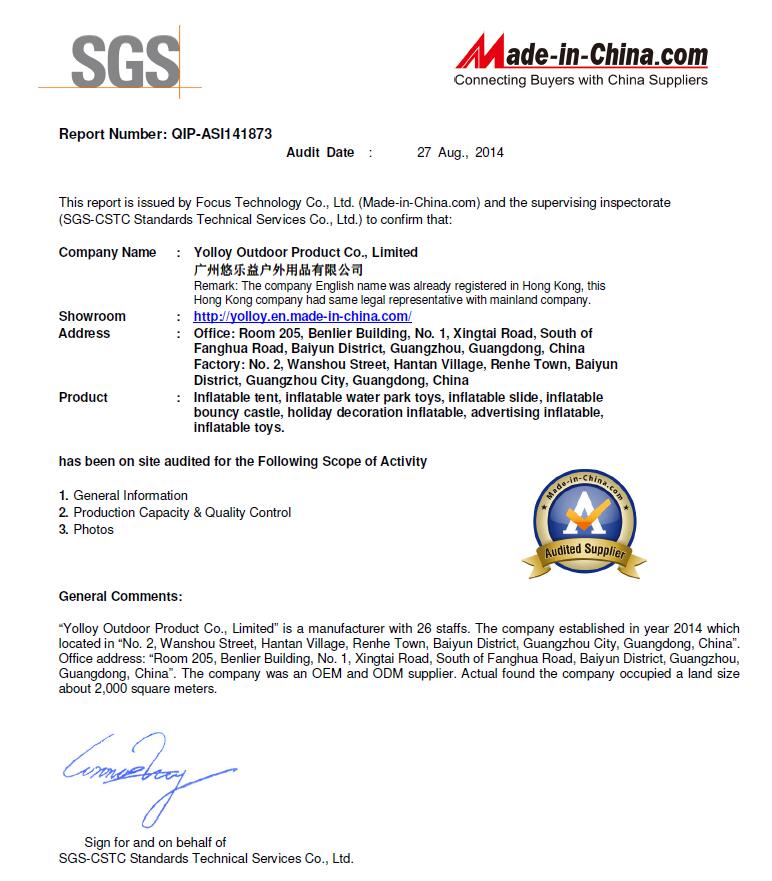
Cost is another factor. By eliminating distributor and retailer markups, factory-direct pricing is generally more competitive. Many manufacturers, including YOLLOY, maintain a minimum order quantity of just one piece, making custom orders accessible even for small-scale buyers.
Quality control is also more transparent when dealing directly with the source. Reputable manufacturers use commercial-grade materials — PVC tarpaulin, Oxford fabric, nylon, and TPU — that have passed international safety standards such as EN71, EN14960, and RoHS. Products are inspected and tested before shipment, and certifications are available upon request.
Finally, after-sales support tends to be more responsive from the factory. A manufacturer that designs and produces the tent in-house can provide replacement parts, repair guidance, and technical support that a third-party retailer simply cannot offer.
Types of Inflatable Tents for Year-Round Applications
Not all four-season inflatable tents serve the same purpose. Understanding the different categories helps match the right shelter to your specific needs:
Camping and Glamping Tents
These are designed for comfort-oriented outdoor stays, ranging from family camping trips to luxury glamping resorts. They often feature large windows, mesh panels for ventilation, and optional stove jacks for heating. Clear inflatable dome tents and bubble tents are popular in this category, offering panoramic views of the surrounding landscape while keeping occupants warm and dry.
Event and Party Tents
Inflatable four season inflatable tents for weddings, corporate events, and exhibitions prioritize space, quick deployment, and aesthetic appeal. Cube tents, tunnel tents, and large dome structures can be configured with lighting, flooring, and climate control to create comfortable venues regardless of outdoor conditions.
Emergency and Industrial Shelters
For humanitarian aid, military field operations, and industrial applications, inflatable tents offer rapid deployment and durability. These shelters are built with reinforced materials, can include partition walls and multiple entry points, and are designed to withstand extended use in harsh environments.
Specialty Tents
This includes inflatable spray booths for automotive detailing, golf simulator enclosures, portable planetarium domes, and altitude training chambers. These specialized applications demonstrate the versatility of inflatable tent technology when paired with custom design and engineering.
Maintenance Tips for Long-Term Performance
A well-maintained inflatable tent can serve reliably for many years across all seasons. Here are practical steps to extend the life of your shelter:
Clean after every trip. Remove dirt, mud, and debris from the floor and walls using a soft brush and mild soap. Avoid harsh detergents that can degrade waterproof coatings. Allow the tent to dry completely before packing to prevent mold and mildew.
Inspect air beams and seams regularly. Check for slow leaks, abrasion points, and seam integrity before each trip. Most small punctures can be repaired in minutes using the included patch kit. Reinforced seams with waterproof nylon thread are a hallmark of quality construction.
Store properly during off-seasons. Keep the tent in a cool, dry place away from direct sunlight. UV exposure can weaken fabric over time. Avoid storing the tent compressed for extended periods; loosely folding it helps preserve the material's integrity.
Check blower compatibility. If you plan to use the tent in different countries, confirm that the blower voltage (110V, 220V, or 380V) matches the local power supply. Many manufacturers can supply blowers configured for your region's electrical standard.
Reapply waterproofing as needed. Over time, DWR (Durable Water Repellent) coatings may wear off. Reapply a spray-on or wash-in waterproofing treatment to restore the flysheet's water-shedding performance.
Making the Right Choice
The best inflatable tent for four-season use is ultimately the one that matches your specific requirements — whether that means a compact bubble tent for winter stargazing, a large event dome for year-round commercial use, or a rugged expedition shelter for remote field work. Focus on material quality, air beam engineering, ventilation design, and the manufacturer's reputation for after-sales support.
When you source from an experienced manufacturer with in-house design, production, and quality control capabilities, you gain more than a product — you gain a partner who can adapt the shelter to your needs, supply replacement parts, and stand behind the workmanship for years to come.