A clear inflatable tent can turn an ordinary outdoor bar into a memorable destination. Whether you run a rooftop cocktail lounge, a poolside tiki bar, or a pop-up drink station at festivals, the right transparent dome gives your customers a place to enjoy their drinks while staying connected to the scenery around them. But with so many options on the market, how do you pick the one that actually works for a bar environment day after day?
The answer depends on a handful of practical factors: the material it is made from, how well it handles weather, whether it can be customized to match your brand, and how easy it is to set up and maintain. This article walks through each of those considerations so you can decide what matters most for your bar.
What makes a clear inflatable tent right for a bar
Not every inflatable tent is built for commercial bar use. A tent that works fine for a weekend camping trip may not hold up to nightly crowds, spilled drinks, and the constant opening and closing of entrances. A clear inflatable tent chosen for a bar should meet a few baseline criteria: commercial-grade materials, adequate ventilation when full of people, anchoring systems that keep the structure stable in wind, and transparent walls that stay clear even after heavy use.
Beyond the basics, a bar tent also needs to create the right atmosphere. The best setups balance openness with a sense of enclosure: guests inside feel like they are in a dedicated space, but they can still see the sky, the water, or the city lights through the clear PVC walls. That combination is what makes an inflatable clear dome tent stand out from a traditional canvas marquee or a metal-frame structure.
Material quality: the difference between a one-season tent and a long-term investment
For a bar, the tent material needs to handle more than just sun and rain. Spilled cocktails, food residue, and regular foot traffic all take a toll. Look for tents made from commercial-grade PVC tarpaulin with a thickness of at least 0.5 mm. Thinner materials may save money upfront but tend to develop creases, cloudiness, or small tears after a few months of commercial use.
High-quality PVC is naturally easy to wipe down, which matters when a customer knocks over a glass of red wine at 11 p.m. A damp cloth and mild soap are usually all you need to keep the walls looking clear. Some manufacturers also offer UV-resistant coatings that prevent the material from yellowing after long exposure to direct sunlight, a useful feature if your bar operates on a rooftop or a beachfront.
It is also worth checking whether the material has passed relevant safety testing. For example, EN71 and EN14960 certifications indicate that the materials and construction meet recognized standards for inflatable structures. These certifications are not just paperwork; they give you confidence that the tent will hold up under regular commercial use.
Size and layout: matching the tent to your bar concept
A clear inflatable bubble tent comes in a range of diameters, typically from about 3 meters to 10 meters or more. The size you pick should reflect how you plan to use the space. A small 3-meter dome can serve as a cozy VIP lounge for two to four guests, while a 6-meter dome can comfortably hold a bar counter and seating for a dozen people. Larger domes in the 8-to-10-meter range can accommodate a full-service bar with standing room for twenty or more guests.
Think about the layout before you order. A bar counter along one wall leaves the center open for mingling. High-top tables around the perimeter keep the middle clear for movement. If you plan to have a DJ or live music, factor in space for equipment and a small dance area. The beauty of inflatable tents is that they come in custom sizes, so you are not locked into standard dimensions if your space has unique requirements.
Ventilation and climate control: keeping guests comfortable
A bar full of people generates heat and humidity fast. Without proper airflow, a sealed dome can turn stuffy within an hour, driving guests outside before they finish their first drink. The best clear inflatable tents for bars include built-in mesh windows or roof vents that can be opened to let warm air escape. Some models allow you to roll up entire wall panels, transforming the dome into a semi-open pavilion on pleasant evenings.
If your bar operates in a warm climate, consider adding a portable air conditioning unit. Most commercial domes have zippered ports where an AC hose can be connected. For cooler weather, a small electric heater placed away from the PVC walls can maintain a comfortable temperature. The key is to discuss your climate control needs with the manufacturer before ordering, so the tent is built with the right ports and vent placements from the start.
Lighting: the secret to atmosphere after dark
During the day, a clear dome lets natural light flood in, creating a bright and airy feel. At night, the right lighting turns the tent into a glowing beacon that draws people in. LED strip lights along the base or ceiling seams create a soft halo effect. Up-lights placed around the exterior make the dome visible from a distance. Inside, warm-toned string lights or pendant lamps over the bar counter add intimacy without overpowering the transparent aesthetic.
When choosing lighting, avoid anything that generates significant heat near the PVC walls. LED bulbs are the safest bet: they run cool, use little electricity, and come in a wide range of colors to match your bar's theme. Some tent manufacturers offer pre-installed LED channels as part of the custom build, which saves you from running messy cables after setup.
Customization: making the tent part of your brand
One advantage of working with a manufacturer that handles design and production in-house is the ability to customize nearly every aspect of the tent. You can choose the color of the PVC trim, the shape of the entrance, and the placement of windows or vents. Your bar's logo can be printed directly on the fabric or on detachable banners that hang from the exterior. Custom floor layouts, such as built-in counter spaces or partition walls, can also be incorporated during the design phase.
Customization extends to the blower system as well. If your bar operates in a residential area, you may want a quieter blower. If power supply is limited, discuss options for energy-efficient or dual-voltage units. These details are easier to address before production begins than after the tent arrives.
Setup, anchoring, and daily operation
Most clear inflatable tents for commercial use are designed for quick setup. A team of two people can typically inflate a medium-sized dome in 15 to 30 minutes using an electric blower. Once inflated, the tent stays up as long as the blower runs, or for several hours after inflation if the structure uses sealed air beams. For a bar that operates nightly, the tent can remain inflated throughout the season with periodic pressure checks.
Anchoring is critical, especially for outdoor bars exposed to wind. Look for tents that include D-ring anchor points and heavy-duty stakes. On hard surfaces like concrete patios or rooftops, sandbags or water weights are a practical alternative. A well-anchored dome rated for moderate wind conditions should stay stable in most weather. If you expect strong gusts, additional tie-downs and windbreaks can be set up around the tent.
Daily maintenance is straightforward. Wipe down the interior walls at the end of each night with a soft cloth and mild cleaning solution. Check the blower intake for dust or debris. Inspect seams and zippers weekly for signs of wear. Most manufacturers include a repair kit with the tent, and minor patches can be applied in minutes without professional help.
Why source from a specialized manufacturer
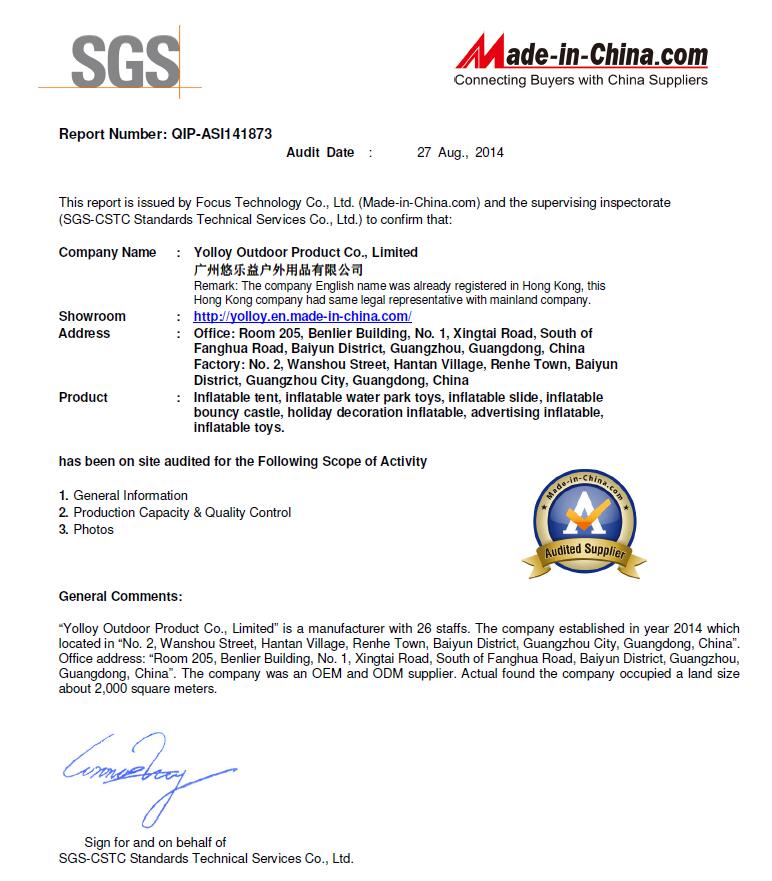
When you buy a clear inflatable tent for a bar, you are making a commercial investment. Working with a manufacturer that specializes in inflatable products means you get a tent built from the ground up for your use case, rather than a one-size-fits-all model adapted from a camping tent design. Yolloy Outdoor Product Co., Limited, based in Guangzhou, China, designs and manufactures custom inflatable tents, dome structures, and related products for bars, events, and commercial venues worldwide.
The company's design team prepares simulation renderings based on your requirements, so you can see how the finished tent will look before production starts. Custom sizes, colors, and logo printing are available, and the minimum order quantity is one piece. Materials used in production have passed EN71, EN14960, and RoHS-related testing, and blowers meet CE or UL requirements. Each tent is inspected and tested before shipment, and a repair kit is included with every order.
For bar owners looking to create a unique outdoor drinking experience, a custom-built clear inflatable tent offers flexibility that off-the-shelf products cannot match. From the material thickness to the placement of the entrance, every detail can be tailored to fit your space and your brand. For more information about custom clear inflatable tents for bars, visit the Yolloy website or contact the sales team at [email protected].
Frequently asked questions
Can a clear inflatable tent be used year-round?
Yes, with proper climate control. In warm weather, open the vents or roll up wall panels. In cooler months, a portable heater keeps the interior comfortable. The PVC material is designed to handle a range of temperatures, though extreme cold may make the material less flexible, so it is best to confirm the operating temperature range with the manufacturer.
How long does a commercial inflatable tent last?
With proper care and regular maintenance, a commercial-grade inflatable tent can serve reliably for several years. The lifespan depends on usage frequency, weather exposure, and how well the tent is cleaned and stored. Yolloy states a three-year service life expectation when products are used and maintained correctly, subject to product type and actual usage conditions.
What if I need a custom size or shape?
Custom sizes, shapes, and configurations are available. You can work from a description, sketch, photograph, or site plan, and the design team will create a rendering for your approval before production. The minimum order quantity is one piece, so even a single custom tent is feasible.
How is the tent shipped, and how long does delivery take?
Products are packed with soft carpet protection, waterproof PVC bags, and outer PE film. Large items may use steel pallets for added protection. Production typically takes 6 to 15 days for a regular inflatable product, with air shipping taking approximately 5 to 7 days and sea shipping around 15 to 30 days or more, depending on the destination.