Products Category
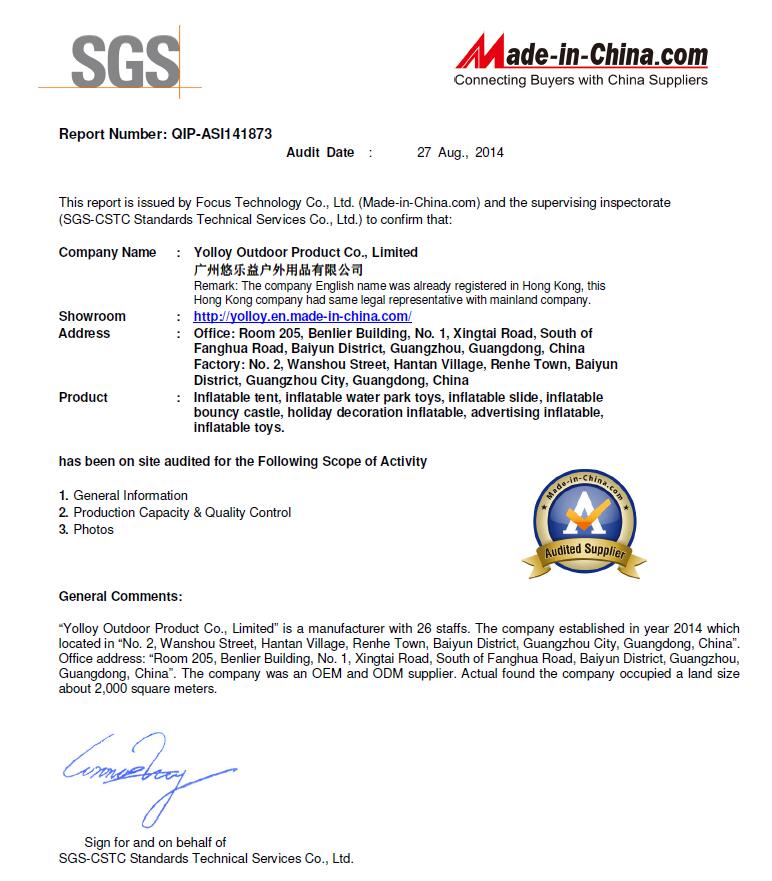
Certification

News

• New Order Successfully Finished for Long-Time Cooperated Japanese Client | YOLLOY Wins Full Client Recognition

• YOLLOY Custom Inflatable Pool Tent for Danish Client: Professional Pool Repair Shelter & Debris Protection

• Trusted Once Again! Greek Captain Re-orders Our Products After 4 Years

• Revolutionize Your Outdoors: The All-Terrain Inflatable Floating Tent for Land & Water

• Elevate Your Summer Fun: The Ultimate Inflatable Water Floating Volleyball Court Trampoline

• Innovative Inflatable Nightclub Tents & Pop-Up Bars: The Ultimate Solution for Portable Party Venues

Contact Us

Name: Sunny Yang
Tel: +86-20-8370 0771
Fax: +86-20-8370 0771
Mobile: 13570587575
E-mail: [email protected]
Add: No 5,Xiong wei Bo Nan Road,ZhongLuoTan Town,Baiyun district,Guangzhou,China
Friend me on Facebook Follow me on Twitter Add me to your circles Follow me on Pinterest Watch my channel on YouTube
News

What is cleaning air mattress?

Author:yolloy Date:2026/8/13 15:44:48

Cleaning an air mattress is the process of removing dirt, dust, odors, stains, and bacteria from the surface and seams of an inflatable sleeping surface. Unlike a traditional mattress, an air mattress is portable and often used on floors or outdoors, which means it collects more debris and requires more frequent cleaning. Proper cleaning not only keeps the mattress hygienic but also extends its service life. As a professional inflatable air mattress supplier, YOLLOY understands that a well-maintained air mattress can serve reliably for years, whether you use it for guests, camping, or everyday sleep.

Why Cleaning an Air Mattress Matters

During use, your body naturally sheds dead skin cells, hair, sweat, and saliva. These elements accumulate on the sleeping surface and can create unpleasant odors over time. If left uncleaned, the mattress becomes a breeding ground for dust mites, bacteria, mold, and mildew, which may trigger allergies or respiratory issues. Cleaning your air mattress after every use — or at least every few months — prevents these problems and keeps your sleep environment fresh and healthy.

Air mattresses are frequently used in camping, guest rooms, and temporary setups, where they are exposed to dirt, grass, sand, and moisture. Regular cleaning ensures that the mattress remains in good condition and ready for the next use. For those looking for the best inflatable air mattress for camping, durability and ease of maintenance should be top considerations.

What You Need to Clean an Air Mattress

Before you start, gather these basic supplies:

  • Vacuum cleaner — a handheld vacuum or a stand-up vacuum with a brush attachment works best for removing loose dust and debris.
  • Mild dish soap — a gentle, dye-free liquid dish detergent mixed with warm water creates a safe cleaning solution for most air mattress surfaces.
  • Soft cloths or sponges — use non-abrasive materials to avoid scratching or damaging the mattress fabric.
  • Baking soda — an excellent natural deodorizer for neutralizing musty odors.
  • White vinegar or rubbing alcohol — effective for tackling mold and mildew when diluted with water.
  • Hydrogen peroxide — helpful for removing stubborn stains such as urine.

Step-by-Step Guide to Cleaning an Air Mattress

Step 1: Strip the Bedding. Remove all sheets, pillowcases, mattress pads, and covers from the air mattress. Wash these items in hot, soapy water according to the manufacturer's instructions. Keeping the bedding clean is just as important as cleaning the mattress itself.

Step 2: Deflate the Mattress. Unplug the pump if your mattress has a built-in electric pump, or remove the valve cap if it is manually inflated. Allow the air to escape naturally — never press or sit on the mattress to speed up deflation, as this can damage the internal seams and valve.

Step 3: Vacuum the Surface. With the mattress still partially inflated to keep the surface taut, use a vacuum cleaner with a brush attachment to remove dust, sand, hair, and other loose particles from the top, sides, and bottom of the mattress. Pay special attention to seams and crevices where dirt tends to accumulate.

Step 4: Spot Clean with a Mild Solution. Mix one tablespoon of mild dish soap with one gallon of warm water. Dip a clean cloth into the solution, wring it out thoroughly so it is only lightly damp, and gently wipe down the entire surface of the mattress. Use small circular motions for fabric surfaces like velour or velvet tops. Avoid soaking the mattress, as excess moisture can seep into the seams and promote mold growth.

Tip: For regular maintenance cleaning, a solution of equal parts white vinegar and water in a spray bottle works well. Lightly mist the surface and wipe with a dry cloth.

Step 5: Rinse and Dry. After cleaning, use a second cloth dampened with plain water to wipe away any soap residue. Then blot the surface with a dry towel. Leave the mattress inflated and place it in a warm, sunny area to air dry completely. If drying outdoors is not possible, set the mattress near a dehumidifier or use a hairdryer on the cool setting.

Important: Never put an air mattress in a washing machine. The agitation can damage the PVC or fabric material, destroy built-in pumps, and compromise the valve. Never expose electric pumps to water or rain.

Deep Cleaning for Stubborn Stains and Odors

Removing Odors with Baking Soda. If your mattress has a musty smell, sprinkle a generous amount of baking soda evenly over the entire surface. Let it sit for at least 30 minutes — or up to several hours for stronger odors — then vacuum it away thoroughly. Baking soda absorbs moisture and neutralizes odors naturally without harsh chemicals.

Treating Urine Stains. For urine stains, act quickly. Mix three tablespoons of baking soda, eight ounces of hydrogen peroxide, and two to four drops of mild liquid soap to form a paste. Test the mixture on a small, hidden area first to ensure it does not damage the material. Apply the paste to the stained area, allow it to dry completely, and then vacuum the residue. Repeat the process if the stain persists.

Dealing with Mold and Mildew. If you notice mold or mildew spots, create a solution of half rubbing alcohol and half warm water, or half white vinegar and half warm water. Dampen a cloth with the solution and gently scrub the affected area. The alcohol or vinegar will kill the mold spores. After cleaning, ensure the mattress dries completely in sunlight or near a dehumidifier before storing.

Quality Matters: A well-constructed air mattress from a reliable inflatable air mattress factory uses high-quality PVC tarpaulin or Oxford fabric with reinforced seams. YOLLOY air mattresses are manufactured with precision sewing equipment and waterproof nylon thread, making them easier to clean and more resistant to wear over time. Each product is inspected and tested before shipment, and a repair kit is included with every purchase.

How to Maintain Your Air Mattress After Cleaning

Proper maintenance is just as important as cleaning. Follow these practices to keep your air mattress in top condition:

  • Dry completely before storage. Never fold or roll up a damp air mattress. Moisture trapped in the folds can lead to mold and mildew growth within days.
  • Fold carefully. Leave the valve open, fold the mattress lengthwise twice, and then roll it tightly from the opposite end toward the valve. This pushes out remaining air and makes storage compact.
  • Store in a cool, dry place. A linen closet or a dry storage area is ideal. Avoid basements, attics, or any humid environment. Use the original storage bag or a breathable cloth bag for protection.
  • Keep sharp objects away. Always clear the floor before setting up the mattress. Remind guests and children to avoid using pens, keys, or other sharp items near the mattress.
  • Inspect regularly. Check the mattress for small punctures or worn seams before each use. Most minor leaks can be repaired quickly with the included repair kit.

Common Questions About Cleaning Air Mattresses

How often should I clean my air mattress? Clean the mattress after every guest use, or at least once every three months if used regularly. A quick wipe-down with a damp cloth between deep cleanings helps maintain freshness.

Can I use bleach to clean my air mattress? It is not recommended. Bleach and other harsh chemicals can degrade the PVC or fabric material, cause discoloration, and weaken the seams. Stick to mild dish soap, vinegar, or baking soda.

How do I prevent mold when storing my air mattress? The key is to ensure the mattress is completely dry before storage. Clean it on a sunny day when possible, and store it with a moisture absorber or silica gel packet in the storage bag.

In Summary: Cleaning an air mattress is a simple but essential routine that involves removing debris, wiping down surfaces with a mild solution, treating stains when needed, and drying thoroughly before storage. With regular care, a quality air mattress can provide comfortable sleep for years. YOLLOY offers a wide range of durable inflatable air mattresses designed for camping, guest use, and water leisure — all backed by strict quality control and comprehensive after-sales support. For more information, visit www.yolloy.net.


What is cleaning air mattress?

Author:yolloy Date:2026/8/13 15:44:48

Cleaning an air mattress is the process of removing dirt, dust, odors, stains, and bacteria from the surface and seams of an inflatable sleeping surface. Unlike a traditional mattress, an air mattress is portable and often used on floors or outdoors, which means it collects more debris and requires more frequent cleaning. Proper cleaning not only keeps the mattress hygienic but also extends its service life. As a professional inflatable air mattress supplier, YOLLOY understands that a well-maintained air mattress can serve reliably for years, whether you use it for guests, camping, or everyday sleep.

Why Cleaning an Air Mattress Matters

During use, your body naturally sheds dead skin cells, hair, sweat, and saliva. These elements accumulate on the sleeping surface and can create unpleasant odors over time. If left uncleaned, the mattress becomes a breeding ground for dust mites, bacteria, mold, and mildew, which may trigger allergies or respiratory issues. Cleaning your air mattress after every use — or at least every few months — prevents these problems and keeps your sleep environment fresh and healthy.

Air mattresses are frequently used in camping, guest rooms, and temporary setups, where they are exposed to dirt, grass, sand, and moisture. Regular cleaning ensures that the mattress remains in good condition and ready for the next use. For those looking for the best inflatable air mattress for camping, durability and ease of maintenance should be top considerations.

What You Need to Clean an Air Mattress

Before you start, gather these basic supplies:

  • Vacuum cleaner — a handheld vacuum or a stand-up vacuum with a brush attachment works best for removing loose dust and debris.
  • Mild dish soap — a gentle, dye-free liquid dish detergent mixed with warm water creates a safe cleaning solution for most air mattress surfaces.
  • Soft cloths or sponges — use non-abrasive materials to avoid scratching or damaging the mattress fabric.
  • Baking soda — an excellent natural deodorizer for neutralizing musty odors.
  • White vinegar or rubbing alcohol — effective for tackling mold and mildew when diluted with water.
  • Hydrogen peroxide — helpful for removing stubborn stains such as urine.

Step-by-Step Guide to Cleaning an Air Mattress

Step 1: Strip the Bedding. Remove all sheets, pillowcases, mattress pads, and covers from the air mattress. Wash these items in hot, soapy water according to the manufacturer's instructions. Keeping the bedding clean is just as important as cleaning the mattress itself.

Step 2: Deflate the Mattress. Unplug the pump if your mattress has a built-in electric pump, or remove the valve cap if it is manually inflated. Allow the air to escape naturally — never press or sit on the mattress to speed up deflation, as this can damage the internal seams and valve.

Step 3: Vacuum the Surface. With the mattress still partially inflated to keep the surface taut, use a vacuum cleaner with a brush attachment to remove dust, sand, hair, and other loose particles from the top, sides, and bottom of the mattress. Pay special attention to seams and crevices where dirt tends to accumulate.

Step 4: Spot Clean with a Mild Solution. Mix one tablespoon of mild dish soap with one gallon of warm water. Dip a clean cloth into the solution, wring it out thoroughly so it is only lightly damp, and gently wipe down the entire surface of the mattress. Use small circular motions for fabric surfaces like velour or velvet tops. Avoid soaking the mattress, as excess moisture can seep into the seams and promote mold growth.

Tip: For regular maintenance cleaning, a solution of equal parts white vinegar and water in a spray bottle works well. Lightly mist the surface and wipe with a dry cloth.

Step 5: Rinse and Dry. After cleaning, use a second cloth dampened with plain water to wipe away any soap residue. Then blot the surface with a dry towel. Leave the mattress inflated and place it in a warm, sunny area to air dry completely. If drying outdoors is not possible, set the mattress near a dehumidifier or use a hairdryer on the cool setting.

Important: Never put an air mattress in a washing machine. The agitation can damage the PVC or fabric material, destroy built-in pumps, and compromise the valve. Never expose electric pumps to water or rain.

Deep Cleaning for Stubborn Stains and Odors

Removing Odors with Baking Soda. If your mattress has a musty smell, sprinkle a generous amount of baking soda evenly over the entire surface. Let it sit for at least 30 minutes — or up to several hours for stronger odors — then vacuum it away thoroughly. Baking soda absorbs moisture and neutralizes odors naturally without harsh chemicals.

Treating Urine Stains. For urine stains, act quickly. Mix three tablespoons of baking soda, eight ounces of hydrogen peroxide, and two to four drops of mild liquid soap to form a paste. Test the mixture on a small, hidden area first to ensure it does not damage the material. Apply the paste to the stained area, allow it to dry completely, and then vacuum the residue. Repeat the process if the stain persists.

Dealing with Mold and Mildew. If you notice mold or mildew spots, create a solution of half rubbing alcohol and half warm water, or half white vinegar and half warm water. Dampen a cloth with the solution and gently scrub the affected area. The alcohol or vinegar will kill the mold spores. After cleaning, ensure the mattress dries completely in sunlight or near a dehumidifier before storing.

Quality Matters: A well-constructed air mattress from a reliable inflatable air mattress factory uses high-quality PVC tarpaulin or Oxford fabric with reinforced seams. YOLLOY air mattresses are manufactured with precision sewing equipment and waterproof nylon thread, making them easier to clean and more resistant to wear over time. Each product is inspected and tested before shipment, and a repair kit is included with every purchase.

How to Maintain Your Air Mattress After Cleaning

Proper maintenance is just as important as cleaning. Follow these practices to keep your air mattress in top condition:

  • Dry completely before storage. Never fold or roll up a damp air mattress. Moisture trapped in the folds can lead to mold and mildew growth within days.
  • Fold carefully. Leave the valve open, fold the mattress lengthwise twice, and then roll it tightly from the opposite end toward the valve. This pushes out remaining air and makes storage compact.
  • Store in a cool, dry place. A linen closet or a dry storage area is ideal. Avoid basements, attics, or any humid environment. Use the original storage bag or a breathable cloth bag for protection.
  • Keep sharp objects away. Always clear the floor before setting up the mattress. Remind guests and children to avoid using pens, keys, or other sharp items near the mattress.
  • Inspect regularly. Check the mattress for small punctures or worn seams before each use. Most minor leaks can be repaired quickly with the included repair kit.

Common Questions About Cleaning Air Mattresses

How often should I clean my air mattress? Clean the mattress after every guest use, or at least once every three months if used regularly. A quick wipe-down with a damp cloth between deep cleanings helps maintain freshness.

Can I use bleach to clean my air mattress? It is not recommended. Bleach and other harsh chemicals can degrade the PVC or fabric material, cause discoloration, and weaken the seams. Stick to mild dish soap, vinegar, or baking soda.

How do I prevent mold when storing my air mattress? The key is to ensure the mattress is completely dry before storage. Clean it on a sunny day when possible, and store it with a moisture absorber or silica gel packet in the storage bag.

In Summary: Cleaning an air mattress is a simple but essential routine that involves removing debris, wiping down surfaces with a mild solution, treating stains when needed, and drying thoroughly before storage. With regular care, a quality air mattress can provide comfortable sleep for years. YOLLOY offers a wide range of durable inflatable air mattresses designed for camping, guest use, and water leisure — all backed by strict quality control and comprehensive after-sales support. For more information, visit www.yolloy.net.