Let's be real—there's nothing worse than a terrible night's sleep when you're out camping. You've packed the snacks, laced up your hiking boots, and even remembered the bug spray, but if your sleeping setup is a flimsy pad that feels like sleeping on a rock, the whole trip can unravel. That's where the age-old debate comes in: sleeping pad or inflatable mattress? And more importantly, how do you choose between them without blowing your budget?
Whether you're a weekend warrior heading to the woods or a glamping enthusiast looking to turn your campsite into a cozy retreat, the right gear can make or break your outdoor experience. Today, we're diving into the nitty-gritty of sleeping pads vs. inflatable mattresses—breaking down their prices, pros, cons, and how to pick the best option for your wallet and your back. Plus, we'll even throw in some tips on pairing your sleep gear with the
best inflatable tent
to level up your camping game.
First Things First: What's the Actual Difference?
Before we talk price tags, let's clear up what makes these two outdoor staples different. They might both inflate, but they're designed for totally different needs.
Sleeping Pads: The Lightweight Contender
Sleeping pads are like the minimalist cousin in the outdoor gear family. They're thin, lightweight, and usually roll up into a tiny bundle—perfect if you're backpacking or hiking long distances where every ounce counts. Most are made from foam or thin inflatable materials, and they're meant to provide a basic barrier between you and the ground. Think of them as the "just enough" option: not luxurious, but functional for quick trips or when portability is key.
Inflatable Mattresses: The Comfort Heavyweight
Inflatable mattresses, on the other hand, are all about that "home away from home" vibe. They're thicker, softer, and often feel more like your bed at home. They come in single, double, or even family sizes, and some even have built-in pumps for easy inflation. These are the go-to for car campers, glampers, or anyone who prioritizes a good night's sleep over saving space. And yes—we're talking about the same kind of inflatable gear that companies like Yolloy specialize in, though they're better known for their
inflatable camping tent
designs (more on that later).
Price Showdown: Sleeping Pad vs. Inflatable Mattress
Okay, let's get to the part you're here for: how much do these things actually cost? Spoiler: there's a wide range, and your budget will play a big role. But remember—expensive doesn't always mean better, and cheap can sometimes mean waking up sore. Let's break it down.
|
Category
|
Price Range (USD)
|
Best For
|
Key Features
|
|
Sleeping Pads
|
$20 – $150
|
Backpackers, solo campers, tight budgets
|
Lightweight (1-3 lbs), compact, basic insulation
|
|
Inflatable Mattresses
|
$40 – $300+
|
Car campers, couples, glampers
|
Thicker (4-10 inches), more cushion, better insulation
|
Why the Price Difference?
Sleeping pads are generally cheaper because they're simpler. Basic foam pads start at $20 and don't even need inflation—you just unroll and go. Inflatable sleeping pads (yes, there's a middle ground!) use lightweight materials and manual pumps, landing in the $50–$100 range. They're still portable but add a bit more cushion.
Inflatable mattresses, though? They're built for comfort, which means more material, better insulation, and sometimes extra features like built-in pumps or flocked tops (fancy talk for "feels like a real bed"). A budget-friendly inflatable mattress might set you back $40–$80, while high-end models with memory foam or weather resistance can hit $300. And if you're looking for something that pairs well with a
clear inflatable bubble tent
(hello, stargazing!), you might opt for a mid-range mattress that balances comfort and cost.
Budget-Friendly Picks: Getting the Most Bang for Your Buck
You don't need to spend a fortune to sleep well outdoors. Here's how to find gear that works for your wallet:
For Sleeping Pad Lovers: Go Mid-Range
Skip the $20 foam pad unless you're car camping and don't mind feeling every rock. Splurge a little—$50–$80—to get an inflatable sleeping pad with an R-value (that's insulation power) of 3 or higher. These pads are still lightweight enough for backpacking but add just enough cushion to prevent morning aches. Look for brands that use durable materials, like ripstop nylon, to avoid punctures.
For Inflatable Mattress Fans: Stick to $80–$150
You can find a solid inflatable mattress in this range that's thick enough (6–8 inches) and has a built-in electric pump (no more huffing and puffing!). Brands like Intex or Coleman offer reliable options, but if you're looking for something that pairs with a
inflatable tent camping
setup, consider materials that match your tent's durability. For example, Yolloy's inflatable products use tough, waterproof PVC—same idea applies to mattresses: look for puncture-resistant materials to avoid middle-of-the-night deflation disasters.
Pro Tip: Pair Your Mattress with a Quality Inflatable Tent
If you're already investing in an inflatable mattress, why not go all in with an
inflatable camping tent
? These tents set up in minutes (no pole struggles!), are surprisingly durable, and some—like Yolloy's clear bubble lawn tent—even let you sleep under the stars without the bugs. The best part? They're often more affordable than traditional tents with similar space, making them a budget-friendly upgrade for your campsite.
When to Splurge (and When to Save)
Here's the thing: outdoor gear is an investment, but you don't need to buy everything at once. If you camp once a year, a $50 sleeping pad and a basic tent might be all you need. But if you're out every month, or planning a week-long trip in cold weather, spending more on insulation and durability will pay off.
Splurge If…
-
You camp in temperatures below 40°F (insulation matters!)
-
You have back pain or need extra support
-
You're sharing gear with a partner (a double inflatable mattress is worth it for harmony)
Save If…
-
You're new to camping and want to test the waters
-
You're backpacking and every ounce counts
-
You're car camping close to home (you can always upgrade later!)
Why Quality Still Matters—Even on a Budget
Cheap gear can be tempting, but there's a fine line between budget-friendly and "this will break after one use." When shopping for sleeping pads or inflatable mattresses, keep an eye out for these red flags:
-
Thin materials that feel flimsy (you don't want to wake up on the ground!)
-
No warranty (reputable brands stand behind their products)
-
Poor reviews mentioning deflation or leaks (check Amazon or REI for honest feedback)
On the flip side, brands like Yolloy—known for their
inflatable air mattress
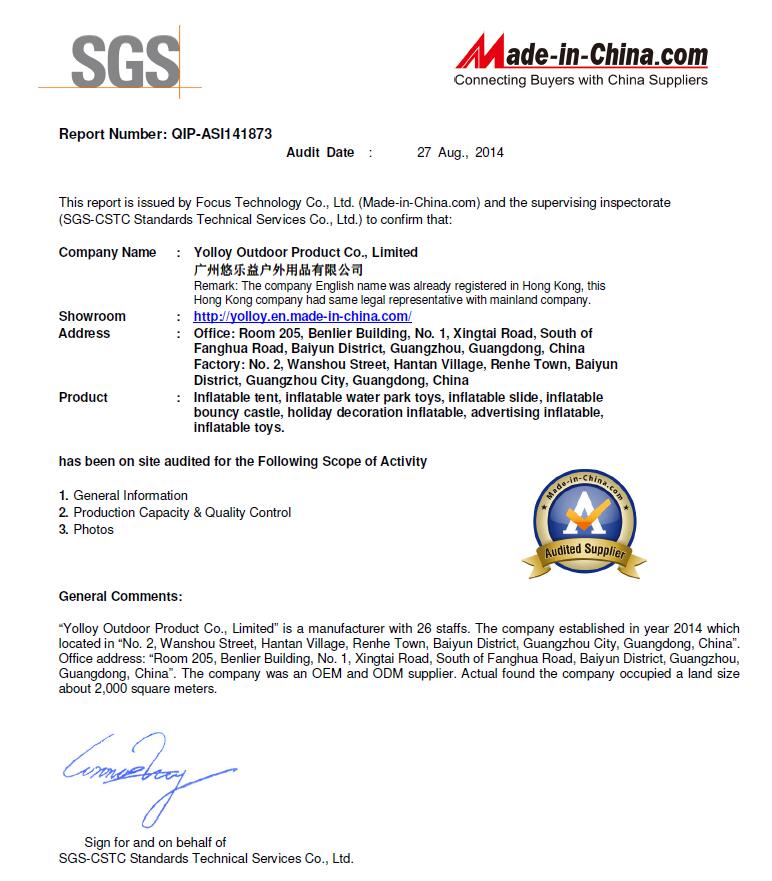
and tent designs—prioritize quality even in affordable options. Their inflatable products use materials like waterproof, fire-resistant PVC (yep, the same stuff in their tents!) and undergo strict safety checks, so you know you're getting something that'll last beyond one trip.
Final Thoughts: Your Perfect Camping Sleep Setup
At the end of the day, the "best" choice depends on you: your budget, how you camp, and how much sleep you value. If you're backpacking solo, a $60 inflatable sleeping pad is probably your best bet. If you're car camping with friends and want to feel like you're sleeping in a hotel, splurge on a $150 inflatable mattress and pair it with a roomy
inflatable camping tent
for the ultimate setup.
And remember—outdoor gear is about making memories, not stressing over price tags. A good night's sleep means more energy for hiking, more laughs around the campfire, and fewer complaints about sore backs. So whether you go with a pad or a mattress, choose something that lets you enjoy the outdoors without counting down the minutes until morning.
Happy camping, and sweet dreams!