There's nothing quite like the magic of an outdoor concert—sunset painting the sky, your favorite songs echoing through the air, and the energy of a crowd singing in unison. But let's be real: all that magic can fade fast if you're stuck sitting (or lying) on hard, uneven ground for hours. Whether you're there for a single set or settling in for a multi-day music festival, choosing the right gear to keep you comfortable can make or break the experience. Today, we're diving into two popular options: the classic sleeping pad and the ever-popular inflatable air mattress. Which one deserves a spot in your concert backpack? Let's break it down.
First Things First: What Are We Actually Comparing?
Before we pit them against each other, let's make sure we're on the same page. Sleeping pads and inflatable air mattresses might both live in the "camping gear" aisle, but they're designed for different needs—even if they end up sharing concert duty.
Sleeping Pads: The Lightweight Workhorses
Sleeping pads are like the minimalist cousin in the comfort family. Originally built for backpackers who prioritize weight and packability, they've evolved into a go-to for anyone who needs a thin layer of cushioning without the bulk. There are a few main types:
-
Closed-Cell Foam Pads:
The most basic (and budget-friendly) option. Think of a thick, ridged foam mat—light, durable, and totally waterproof. No inflation needed; just unroll and go. Great for rough terrain, but not exactly "cloud-like" in comfort.
-
Self-Inflating Air Mattresses (Yes, They Count!):
A hybrid of foam and air. Open the valve, and the foam core expands, sucking in air to inflate itself (you might need a few breaths to top it off). More cushioned than closed-cell foam, with better insulation—perfect for cooler nights.
-
Air-Only Pads:
Sleeker than self-inflating models, these rely entirely on air for cushioning. They're super lightweight and pack down tiny, but they need to be inflated manually or with a pump. Think of them as a "just enough" option for warm weather.
Inflatable Air Mattresses: The Luxe Contenders
Inflatable air mattresses are the overachievers here. Designed for maximum comfort, they're like bringing a slice of your bedroom mattress to the concert field. They come in all shapes and sizes, but the key features are:
-
Size Variety:
From single-person "twin" to queen-sized, there's one for solo concert-goers or couples sharing a spot.
-
Inflation Options:
Manual (blow it up yourself—great arm workout), battery-powered pump, or electric (if you're near an outlet, though concerts rarely have those). Some even have built-in pumps for easy setup.
-
Material Matters:
Cheaper models use thin PVC, but higher-quality ones (like those from reputable inflatable mattress manufacturers) use durable, puncture-resistant materials like TPU or reinforced PVC. Bonus points for waterproof or non-slip surfaces.
The Showdown: Sleeping Pad vs. Inflatable Air Mattress
Now, let's put them head-to-head. We'll grade them on the factors that matter most for outdoor concerts: comfort, portability, durability, and practicality.
|
Factor
|
Sleeping Pad
|
Inflatable Air Mattress
|
|
Comfort Level
|
Good to Very Good. Self-inflating pads offer the best balance—enough cushion to soften rocks and roots, but not as plush as a mattress. Closed-cell foam is "functional" but can feel firm after hours.
|
Excellent. Thick, air-filled chambers mimic a real mattress. You can roll around, sit up, or even lie on your side without feeling the ground. Perfect for long concerts where you're lounging more than standing.
|
|
Portability
|
Winning here. Even the bulkiest self-inflating pad rolls up to the size of a yoga mat. Closed-cell foam pads are light enough to strap to a backpack. Air-only pads pack down to the size of a water bottle.
|
Depends on size. Small single-person models are manageable, but queen-sized ones? They fold up, but they're still bulkier and heavier. You'll need a car to haul them—no way to carry one on foot for miles.
|
|
Durability
|
Tough as nails. Closed-cell foam is practically indestructible—you can drag it over gravel, and it won't care. Self-inflating pads have a protective outer layer, but the valves can sometimes leak if not handled carefully.
|
Hit or miss. Cheap inflatable air mattresses puncture easily (watch out for bottle caps or sharp grass!). High-quality ones, though, use thick, puncture-resistant materials (like the waterproof, fire-retardant PVC from top suppliers) and reinforced seams. They'll hold up to regular use.
|
|
Setup Time
|
Lightning fast. Closed-cell foam: unroll and done. Self-inflating: open the valve, wait 5 minutes, top off with a breath. Air-only: a few minutes of blowing or pumping.
|
Slower. Manual inflation takes 2-5 minutes (and leaves you out of breath). Built-in pumps cut that time, but you still have to wait for it to fill. Deflating and packing up also takes longer—you'll be the last one leaving the venue.
|
|
Weather Adaptability
|
Better for extremes. Closed-cell foam and self-inflating pads have insulation, so they keep you warm on chilly nights. Air-only pads are better for warm weather—they don't trap heat.
|
Great for warm nights, but not so much for cold. Air conducts heat away, so you might feel the chill through a thin mattress. Look for models with insulation layers if you're concert-going in fall or spring.
|
|
Price
|
Budget-friendly. Closed-cell foam pads start at $20. Self-inflating models range from $50-$150. Air-only pads: $30-$100.
|
More of an investment. Basic single-person models: $30-$50. High-quality queen-sized with built-in pump: $100-$300. You get what you pay for here—spend more for durability.
|
So, Which One Should You Pick? It Depends on…
There's no "one size fits all" answer. Here's how to decide based on your concert style:
If You're a "Minimalist on the Go"
You're traveling light, taking public transit to the venue, or hiking in from the parking lot. You care more about not carrying extra weight than having a cloud-like experience.
Go with a sleeping pad
—specifically a self-inflating one. It's lightweight, packs small, and offers enough comfort for 4-6 hours of sitting/lying. Pro tip: Look for one with a non-slip surface so you don't slide around when the crowd jumps during the encore.
If You're a "Comfort First" Person
You're driving to the concert, arriving early to stake out a prime spot, and planning to stay all day (and night). You want to lounge, snack, and maybe even nap between sets.
An inflatable air mattress is your best bet
. Splurge on a durable model from a trusted inflatable air mattress supplier—look for features like a flocked top (no sticky skin!) and a built-in pillow. Trust us, your back will thank you when the headliner plays their 10-minute guitar solo.
If You're Attending a Multi-Day Festival
You're camping at the festival grounds, so you need gear that works for both the concert and sleeping.
Hybrid approach:
Use a self-inflating sleeping pad for the concert (easy to carry between stages) and an inflatable air mattress for your tent at night. That way, you get the best of both worlds—portability during the day, luxury at night.
If You're on a Tight Budget
You don't want to spend more than $50, but you still need something better than the ground.
Closed-cell foam pad
all the way. It's cheap, durable, and you can use it for future camping trips or picnics. Just add a thick blanket on top for extra cushioning.
Why a High-Quality Inflatable Air Mattress Matters (And Where to Find One)
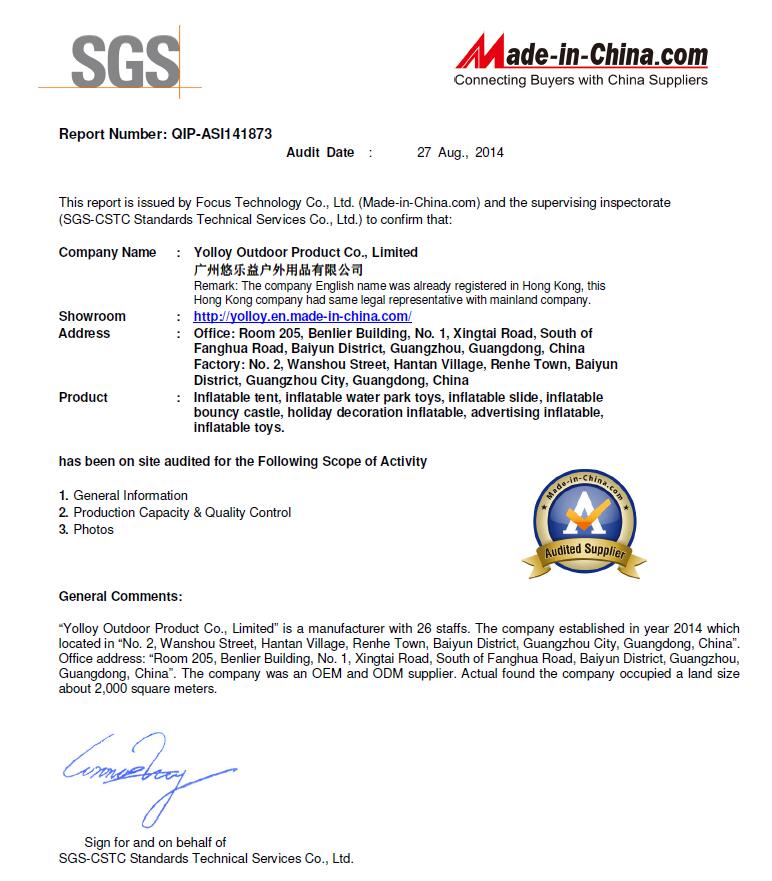
We've talked a lot about "high-quality" inflatable air mattresses, but what does that actually mean? It's not just about avoiding punctures—it's about safety, comfort, and longevity. That's where reputable inflatable mattress manufacturers like Yolloy come in.
What Sets the Best Inflatable Air Mattresses Apart?
The best inflatable air mattress for camping (or concerts) isn't just a bag of air. It's built to handle the chaos of outdoor use, with features like:
-
Premium Materials:
Look for TPU (thermoplastic polyurethane) or reinforced PVC. TPU is non-toxic, odor-free, and resistant to wear and tear—perfect for grass, dirt, or even wet ground. Yolloy, for example, uses TPU in their products, and it's just as effective here.
-
Leak-Proof Valves:
A cheap valve will deflate overnight, leaving you on the ground. High-quality models have double-sealed valves that lock in air, even if you roll around.
-
Supportive Design:
Some mattresses have "air coils" or "beam construction" to distribute weight evenly, so you don't sink to the middle (no more "valley effect"!).
-
Easy Maintenance:
Washable surfaces, repair kits included, and customer support if something goes wrong. Yolloy, for instance, offers 24-hour response times to customer inquiries—so if you have a question about your mattress, you won't be left hanging.
Yolloy might be known for their inflatable tents and products, but their expertise in inflatable gear translates directly to air mattresses. Here's why they're a top pick:
-
Material Safety:
They use EN71-certified PVC and TPU, so you don't have to worry about toxic fumes or off-gassing in the sun. That's a big deal when you're lying inches away from the mattress for hours.
-
Durability Testing:
Their production process includes strict quality checks—from design to manufacturing. If a mattress doesn't meet their standards, it doesn't leave the factory. That's why they have a 95% on-time delivery rate and a reputation for reliability.
-
Custom Options:
Need a specific size or color for your concert crew? Yolloy offers custom design services—they'll work with you to create a mattress that fits your needs, right down to the logo (great for group outings!).
-
Customer Service:
Forgot to ask about inflation time? Have a question about repairs? They respond to emails and faxes within 24 hours, so you're never in the dark. No automated bots—just real people who want you to love their products.
FAQ: Your Burning Questions Answered
Q: Can I use an inflatable air mattress on uneven ground?
A: Yes, but you'll want to clear the area first (remove rocks, sticks, etc.). Look for mattresses with a non-slip bottom to prevent sliding. If the ground is really bumpy, a sleeping pad might be more stable.
Q: How do I keep my inflatable mattress from deflating overnight?
A: Make sure the valve is closed tightly—twist it until it's snug. Avoid over-inflating (air expands in heat, which can cause leaks). If you're using it in cold weather, top it off in the morning (air contracts when it's cold, making it feel deflated).
Q: Are self-inflating sleeping pads worth the extra cost?
A: If you care about comfort and insulation, yes. They're more expensive than closed-cell foam, but they pack better than inflatable mattresses and are more comfortable than basic pads. Great for concerts in spring or fall when nights get cool.
Q: Can I repair a punctured inflatable mattress at the concert?
A: Maybe! Most high-quality mattresses come with a repair kit (patches and glue). Clean the area, apply the patch, and let it dry for 10-15 minutes. For small holes, it should hold until you get home. Pro tip: Pack the repair kit in your bag—you never know when you'll need it.
Final Verdict: It's All About Your Vibe
At the end of the day, the "best" choice between a sleeping pad and an inflatable air mattress depends on what matters most to you. If you're all about portability and simplicity, a sleeping pad (especially a self-inflating one) is your sidekick. If comfort and luxury are non-negotiable, splurge on a high-quality inflatable air mattress from a trusted supplier like Yolloy—you'll thank yourself when you're the only one at the concert not wincing every time you shift positions.
And hey, whatever you choose, remember: the real star is the music. But a little extra comfort? That's just the encore.
|