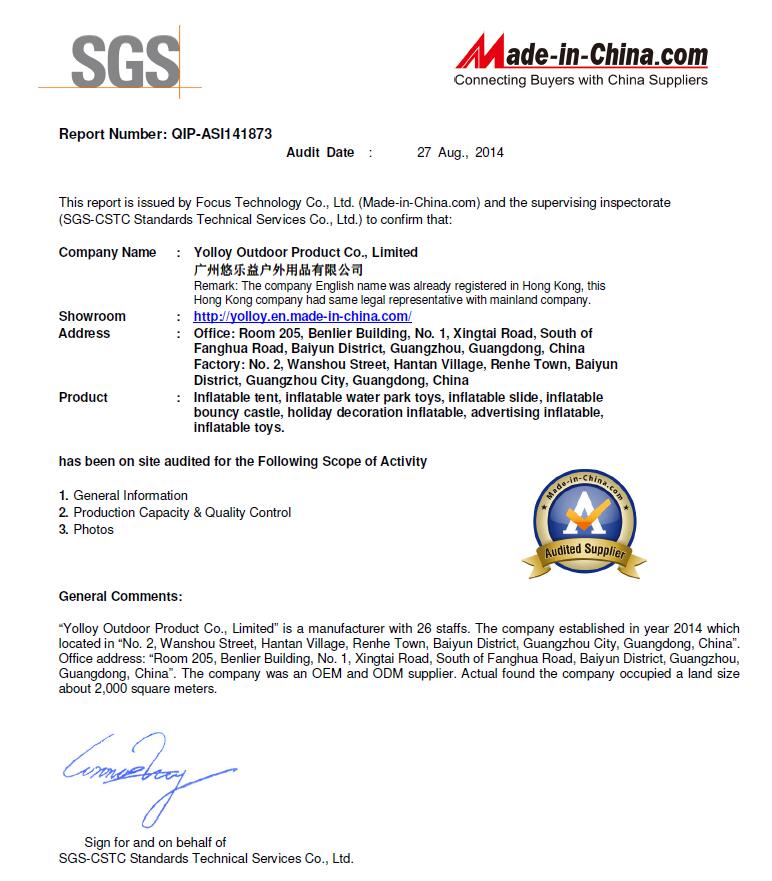
Choosing the right inflatable paintball bunkers factory is a decision that directly affects the safety of your players, the quality of gameplay, and the long-term profitability of your business. Whether you are setting up a new paintball field, expanding an existing arena, or looking to replace worn-out obstacles, the manufacturer you partner with will determine whether you get durable, reliable equipment or a headache of constant repairs and replacements.
With dozens of suppliers claiming to offer the best products, how do you separate the professionals from the pretenders? This guide walks you through the key factors to evaluate when selecting an inflatable paintball bunkers factory, so you can make an informed decision with confidence.
1. Material Quality and Safety Certifications
The single most important factor in choosing a factory is the quality of materials they use. Paintball bunkers endure constant impact — players dive against them, paintballs strike them at high speed, and they sit exposed to sun, rain, and wind. Inferior materials will tear, leak, or degrade within months.
A reliable inflatable bunkers manufacturer should use commercial-grade PVC tarpaulin with a thickness of at least 0.55mm to 0.9mm. Look for materials that are fire-resistant, waterproof, and UV-resistant — these properties ensure the bunkers can handle outdoor conditions year-round. Some factories also offer eco-friendly TPU material, which is non-toxic, odor-free, and hydrolysis-resistant, making it safer for both players and the environment.
Ask the factory for safety certifications. Reputable manufacturers will have their materials tested to standards such as EN71 (European safety standard for recreational equipment) or EN14960 (specific to inflatable play equipment). If a factory cannot provide any certification documentation, consider it a red flag.
2. Manufacturing Process and Quality Control
How a factory builds its products tells you everything about what you can expect. Look for manufacturers that use high-temperature fusion welding for airtight seams rather than relying solely on stitching. Double-stitched and heat-sealed seams provide superior strength at stress points, preventing air leaks even after hundreds of inflate-deflate cycles.
Quality control should be systematic. Ask whether the factory pressure-tests each bunker before shipping, performs stress tests to simulate rough gameplay, and conducts visual inspections for defects. A factory that tests every unit before it leaves the door is one that stands behind its work.
3. Customization Capabilities
Every paintball field has its own layout, theme, and tactical requirements. A factory that only offers off-the-shelf shapes and sizes limits your ability to create a unique playing experience. The best factories provide full customization — from size and shape to color, printing, and themed designs.
Check whether the factory offers 3D design mockups before production begins. This step allows you to visualize the final product and make adjustments before any materials are cut. A factory that invests in the design phase demonstrates commitment to getting your order right. Whether you need classic barricades, cylinder-shaped bunkers, or custom shapes like military tanks or castle walls, the factory should be able to accommodate your vision.
4. Setup, Storage, and Practical Usability
The best inflatable bunkers should inflate within minutes using a standard electric blower. Ask the factory about setup time, required blower specifications, and whether blowers are included with the purchase. Some factories provide blowers configured for different voltage requirements (110V, 220V, or 380V), which is important if you operate internationally.
Storage is another practical consideration. When deflated, bunkers should fold compactly into a carry bag that takes up minimal space — a major advantage over traditional wooden or metal obstacles that require permanent storage areas. Confirm that the factory includes repair kits with each order, so minor punctures can be fixed on-site without returning the product.
5. Minimum Order Quantity and Pricing
Different factories have different MOQ policies. Some require bulk orders of dozens of units, while others accept orders as low as a single piece. If you are a small field operator or just starting out, a factory with a low or flexible MOQ is far more practical. This allows you to test the product quality before committing to a larger order.
When comparing prices, look beyond the unit cost. Consider what is included: blowers, repair kits, carry bags, and shipping. A slightly higher price that includes all accessories and proper packaging may be a better deal than a lower price with hidden add-on costs. Request detailed quotations that break down every cost component.
6. Production Lead Time and Delivery Reliability
Production time varies significantly between factories. A typical production cycle for regular inflatable paintball bunkers ranges from 6 to 15 days, while complex custom designs may take longer. Ask the factory for a realistic timeline and find out whether they have a track record of on-time delivery.
Shipping is another factor. If you order from overseas, understand the shipping options — air freight typically takes 5 to 7 days, while sea freight can take 15 to 30 days or more. Confirm that the factory uses proper packaging (PVC bags, PE film, and steel pallets for large orders) to protect your bunkers during transit.
7. After-Sales Service and Warranty
A factory's commitment to its customers is most visible after the sale. Ask about the warranty period — a reasonable expectation is a multi-year service life when products are used and maintained correctly. Inquire about how the factory handles defects, whether they provide replacement parts, and how responsive their support team is.
Communication speed is a telling indicator. A factory that replies to emails within 24 hours and provides clear, detailed answers to your questions is likely to be reliable in the long run. If a factory is slow to respond during the sales process, expect similar delays when you need support after purchase.
8. Questions to Ask Before You Order
Before finalizing your decision, send the following questions to each factory you are considering:
- What materials do you use, and what safety certifications do they hold?
- Can you provide a 3D design mockup before production?
- What is your minimum order quantity?
- What is included in the price — blowers, repair kits, carry bags?
- How long is the production lead time, and what is your on-time delivery rate?
- Do you pressure-test every bunker before shipping?
- What warranty do you offer, and how do you handle defects?
- Can you provide references from previous paintball field clients?
How a factory answers these questions will quickly reveal their level of professionalism. Vague answers, long delays, or unwillingness to provide certifications should raise concerns.
9. Why Location Matters
Many of the world's leading inflatable product manufacturers are based in China, particularly in the Guangzhou region, which has a well-established supply chain for PVC materials, blowers, and skilled labor. Working with a factory in this region can offer competitive pricing without sacrificing quality — but only if you choose a manufacturer with proven export experience and English-language communication capability.
A factory with global shipping experience will understand customs documentation, packaging requirements for international transit, and voltage variations for different markets. This expertise can save you significant time and money compared to working with a factory that only serves domestic clients.
Making the Right Choice
Selecting an inflatable paintball bunkers factory is not a decision to rush. Take the time to evaluate each candidate against the criteria above: material quality, manufacturing process, customization options, practical usability, order flexibility, delivery reliability, and after-sales support. The cheapest option is rarely the best value — what matters is the total cost of ownership over the life of the product.
A factory that uses certified materials, performs rigorous quality control, offers full customization, provides responsive communication, and stands behind its products with a solid warranty is worth the investment. Your players will notice the difference — and your business will benefit from equipment that lasts for years rather than months.
Start by reaching out to a few factories, asking the questions listed in this guide, and comparing their responses. The right partner will make the process smooth from inquiry to delivery — and your paintball field will be better for it.