When people hear the phrase "ball pit," they usually picture a colorful enclosure filled with plastic balls at a playground or indoor play center — a place where toddlers climb, splash, and squeal in a sea of soft spheres. But there is another kind of ball pit that has surged in popularity across schools, camps, and backyards: the inflatable gaga ball pit. While both share the word "ball pit," the two are fundamentally different in purpose, design, and the kind of experience they offer.
What Is a Regular Ball Pit?
A regular ball pit is exactly what most people imagine: a contained area — often rectangular or circular — filled with hundreds or thousands of lightweight plastic balls. These pits are commonly found in indoor play centers, children's museums, fast-food restaurant play areas, and some preschools. The primary appeal is sensory play: children dive in, bury themselves, throw balls, and enjoy the tactile stimulation of the plastic spheres. The walls are typically padded or made of foam-covered structures, and the pit itself is a permanent or semi-permanent fixture. Regular ball pits are designed for unstructured free play, and the target age group skews heavily toward toddlers and preschool-aged children.
What Is an Inflatable Gaga Ball Pit?
An inflatable gaga ball pit is a completely different concept. Gaga ball is a fast-paced, dodgeball-style game played inside an enclosed arena — usually hexagonal or octagonal in shape. Players strike a single ball with their hands, aiming to hit opponents below the knee while dodging incoming shots. The last player standing wins. An inflatable gaga ball pit serves as the arena for this game, with soft, air-filled walls that define the playing boundary and keep the ball in play. Unlike a regular ball pit, there is no pile of plastic balls inside — the playing surface is flat and open, and only one ball is used at a time. These pits are made from durable commercial-grade PVC tarpaulin or Oxford fabric, inflated by an electric blower, and can be set up or taken down in minutes. They are portable, making them ideal for schools, community events, summer camps, and even backyard competitions.
Key Differences at a Glance
| Feature | Regular Ball Pit | Inflatable Gaga Ball Pit |
|---|
| Primary Purpose | Sensory, unstructured free play | Structured, competitive active game |
| Contents | Filled with hundreds of plastic balls | Open floor; one ball used for gameplay |
| Wall Material | Padded foam, netting, or rigid panels | Inflatable PVC tarpaulin or Oxford fabric |
| Portability | Usually permanent or semi-permanent | Highly portable; inflates in minutes |
| Age Range | Primarily toddlers and preschoolers | Kids, teens, and adults |
| Player Capacity | Varies; typically 5–10 small children | Up to 25 players depending on diameter |
| Setup Time | Requires assembly or permanent installation | 3–5 minutes with an electric blower |
| Storage | Bulky; often left in place | Deflates into compact roll for easy storage |
Structure and Design
The structural differences between the two are stark. A regular ball pit relies on a rigid or semi-rigid frame — often wood, metal, or dense foam — to contain the balls. The walls are typically low enough for toddlers to climb in and out, and the design prioritizes containment over impact resistance. An inflatable gaga ball pit, by contrast, uses air pressure to create tall, resilient walls that can withstand the force of players bumping into them during intense gameplay. The walls are soft and forgiving on impact, reducing the risk of injury when players dive or collide. The octagonal or hexagonal shape of a gaga pit is also intentional: it promotes ball rebound and keeps the action moving in all directions, which is essential for fair gameplay.
Material and Durability
Regular ball pits found in commercial play centers often use vinyl-covered foam, plastic panels, or netting. These materials are adequate for their intended use — containing lightweight balls and cushioning small children — but they are not designed for the kind of wear and tear that comes with competitive sports. Inflatable gaga ball pits are built from heavy-duty materials like 210D Oxford fabric or commercial-grade PVC tarpaulin, with reinforced seams and double-stitched construction. These materials are chosen to endure repeated impact, outdoor exposure, and frequent setup and takedown. Many models also feature D-ring anchor points for ground stakes, ensuring stability on grass, concrete, or gym floors during energetic play.
Setup and Portability
One of the most dramatic differences is how quickly an inflatable gaga ball pit can go from storage to game-ready. A regular ball pit — especially the kind found in commercial facilities — is a permanent installation. Even portable consumer models take time to assemble panels, connect joints, and fill with balls. An inflatable gaga pit, on the other hand, can be fully inflated in under five minutes using a built-in or external blower. When play is over, the blower is turned off, the air escapes through a deflation valve, and the entire pit rolls up into a compact bundle that fits in a carrying bag or storage closet. This makes inflatable gaga pits an attractive option for schools that rotate equipment, event organizers who need fast turnarounds, and families who want to set up a temporary court in the backyard for a weekend gathering.
Safety Considerations
Both types of ball pits have safety considerations, but they differ in nature. Regular ball pits require regular cleaning and sanitization of the plastic balls — a significant maintenance challenge, especially in commercial settings. They also pose a suffocation risk for very young children if the ball depth is excessive. Inflatable gaga ball pits mitigate these concerns by eliminating the ball pile entirely. The inflatable walls themselves provide a cushioned barrier that absorbs impact when players run into them, which is particularly important for a game that involves rapid direction changes, lunging, and dodging. The playing surface is flat and clear, so there is no risk of a child being buried under balls. As with any inflatable play structure, adult supervision is recommended, and the pit should be fully inflated and properly anchored before use.
Age Range and Audience
A regular ball pit is built for the youngest crowd — typically children aged 1 to 5. The activity is low-impact, and the main attraction is the sensory novelty of being surrounded by colorful balls. Once children outgrow the toddler stage, regular ball pits tend to lose their appeal. An inflatable gaga ball pit, however, has a remarkably broad age appeal. Elementary school students, teenagers, and even adults can enjoy the fast-paced, competitive nature of gaga ball. The game is simple enough for young children to learn yet engaging enough to hold the interest of older players. This versatility is one reason why inflatable gaga ball pits have become a staple at school physical education programs, youth group events, corporate team-building outings, and summer camp activity rotations.
Why Choose an Inflatable Gaga Ball Pit?
For anyone considering adding a ball pit to a school, camp, rental business, or backyard, the decision comes down to what kind of experience you want to create. If the goal is to give toddlers a safe, sensory play zone, a regular ball pit is the right choice. But if the goal is to encourage active movement, friendly competition, and inclusive group play across a wide range of ages, an inflatable gaga ball pit is the clear winner.
The portability factor alone is a game-changer. Unlike a traditional ball pit that sits in one place and gathers dust, an inflatable gaga pit can be packed up, transported, and deployed anywhere with a power outlet. It can move from the gymnasium to the soccer field to the family reunion without missing a beat. And because it uses a single ball for gameplay rather than thousands of plastic balls, the ongoing maintenance and cleanup are dramatically simpler.
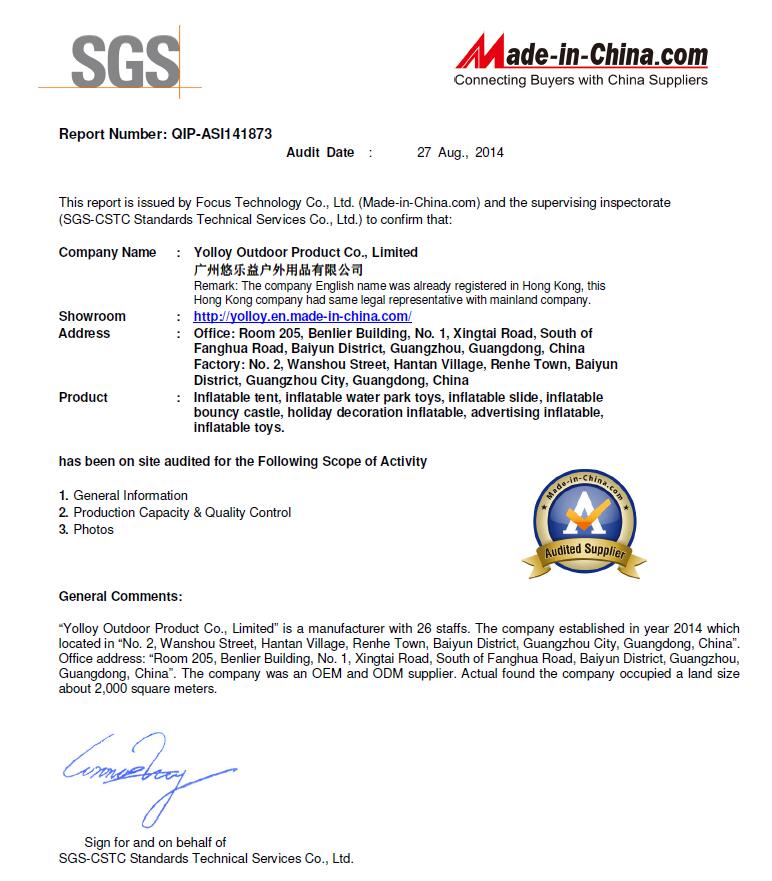
For businesses and organizations looking to invest in high-quality inflatable play equipment, choosing a reliable manufacturer is critical. YOLLOY Outdoor Product Co., Limited, based in Guangzhou, China, is a specialized manufacturer of inflatable products including inflatable obstacle course arenas, inflatable football arena courts, inflatable zorb ball games, and portable gaga ball pits. YOLLOY offers custom design, logo printing, and a wide range of sizes to fit any space or budget. All products are made from commercial-grade materials with reinforced seams and come with repair kits and appropriately powered blowers for different voltage requirements worldwide.
Conclusion
An inflatable gaga ball pit and a regular ball pit may share a name, but they serve entirely different purposes. The regular ball pit is a sensory playground for the youngest children, filled with plastic balls and designed for unstructured free play. The inflatable gaga ball pit is a portable sports arena built for active, competitive gameplay that appeals to kids, teens, and adults alike. It offers faster setup, easier storage, broader age appeal, and a more engaging physical experience. When choosing between the two, the question is not which one is better — it is which one matches the kind of activity and energy you want to bring to your space.