Washing a car outdoors sounds simple, but anyone who has tried it knows the frustration. Dust settles on wet paint before you can dry it, the sun dries soap into streaks, and a gust of wind can ruin a careful rinse. A car washing tent solves these problems by giving you a sheltered, controlled space wherever you need it. This article explains how a car washing tent works and why it has become a practical choice for mobile detailers, car wash operators, and car owners without a garage.
What Is a Car Washing Tent?
A car washing tent is a portable shelter designed for vehicle cleaning and detailing. Unlike a rigid carport or a permanent workshop, most car washing tents use inflatable air beams instead of metal poles. The structure inflates in minutes, stands firm while you work, and deflates into a compact bundle for storage and transport. Because it is portable, you can set it up on a driveway, in a parking lot, at an event, or on a job site, and take it down when the work is done.
How the Inflatable Frame Works
The key to a car washing tent is its inflatable frame. The tent is built with large fabric tubes, often called air beams, which are sewn or welded into the structure. A blower pushes air into these chambers until they reach the working pressure that gives the tent its shape and rigidity. Once inflated, the air beams act like solid beams, holding the fabric taut and supporting the roof and walls without any poles or trusses.
This design is what makes the tent both strong and portable. A properly inflated air beam can support a surprisingly large canopy, which is why the same principle is used for an inflatable garage tent, event tents, and even emergency shelters. The blower keeps a steady airflow inside, maintaining pressure so the tent stays upright even when doors are opened or when wind pushes against the walls.
Creating a Clean, Controlled Workspace
The main job of a car washing tent is to protect the vehicle during cleaning. The enclosed space blocks wind, so dust and pollen do not drift onto wet paint. It also shades the car from direct sunlight, which prevents soap and water from drying too quickly and leaving streaks. During rain, the tent keeps the vehicle dry enough to finish the wash and dry the bodywork properly.
The walls also help contain water spray. Instead of splashing onto neighboring cars, driveways, or pedestrians, the rinse water stays inside the tent footprint. This makes the tent useful in residential areas, apartment complexes, and public spaces where a messy outdoor wash would be a problem.
Ventilation and Airflow
A good car washing tent is not a sealed box. It is designed with openings, zippered doors, and vents that allow air to move through the space. This airflow serves two purposes. First, it helps the vehicle dry faster after rinsing, which reduces water spots and makes the final wipe-down quicker. Second, proper ventilation matters when the tent is used for spray painting or detailing work that produces fumes, because fresh air keeps the workspace safer and more comfortable.
For heavier jobs such as spray painting or coating, manufacturers offer ventilated inflatable spray booths with dedicated air intake and exhaust openings. These are essentially car washing tents built for more demanding work, and they follow the same inflatable-frame principle with extra attention to airflow.
Setup, Anchoring, and Stability
Setting up an inflatable car washing tent is straightforward. You lay the folded tent on the ground, connect the blower, and switch it on. Within a few minutes the air beams fill and the tent rises into shape. Most tents include anchor points such as D-rings or metal loops around the base, and these should be secured with stakes, sandbags, or weights before use. Proper anchoring is what keeps the tent stable in windy conditions, so it is worth taking the time to secure every anchor point.
When the job is finished, you switch off the blower, let the air out, fold the tent, and store it. Because there are no poles to assemble or disassemble, setup and takedown are faster than with a traditional frame tent.
Materials and Durability
Car washing tents are exposed to water, soap, and sunlight, so the materials matter. Commercial-grade tents are typically made from PVC tarpaulin or coated Oxford fabric, which resists water, abrasion, and UV damage. Seams are reinforced with precision stitching and waterproof thread, and airtight products are made with high-temperature welding so the air chambers hold pressure reliably. A repair kit is usually supplied with each tent, so minor damage can be fixed on site without replacing the whole product.
Customization for Your Needs
One advantage of working with a manufacturer is customization. Car washing tents can be made in different sizes to fit cars, vans, or trucks, and in colors that match a business brand. Logos and artwork can be printed on the fabric, which is useful for mobile detailing companies that want their branding visible on site. Blowers can be supplied for different power requirements, such as 110V, 220V, or 380V, depending on where the tent will be used.
Who Benefits from a Car Washing Tent?
- Mobile detailers who travel to customers and need a clean, professional workspace on site.
- Car wash and detailing businesses that want extra covered bays without building permanent structures.
- Car owners without a garage who want to wash and protect their vehicle at home.
- Event organizers and fleet operators who need temporary covered space for vehicle cleaning or display.
Conclusion
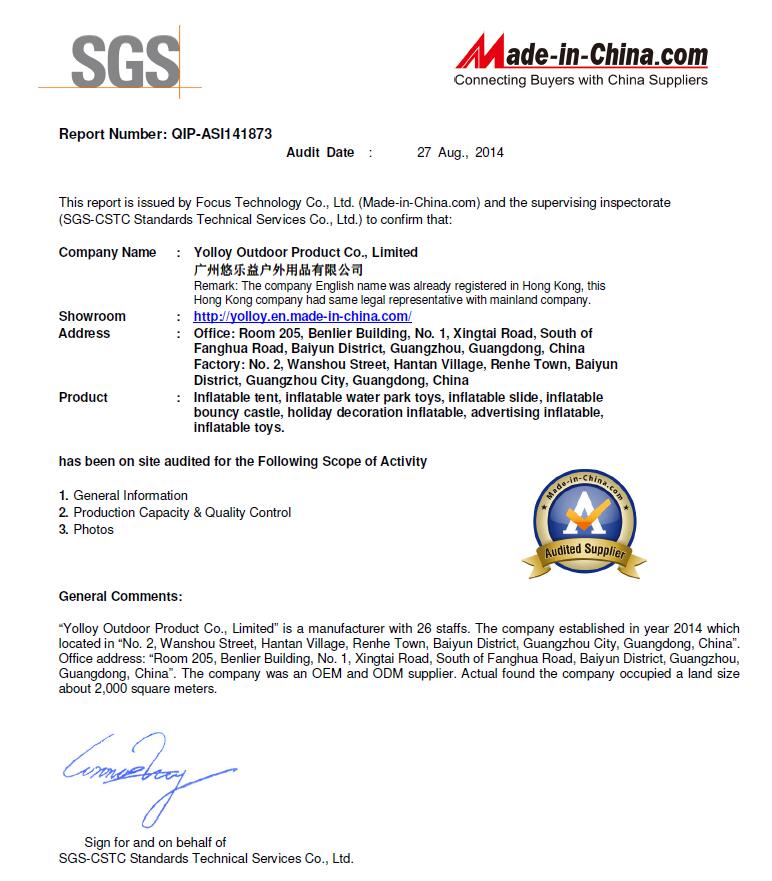
A car washing tent works by combining an inflatable air-beam frame with a durable, weather-resistant fabric shell. The result is a portable, wind-protected, shaded workspace that makes vehicle cleaning faster, cleaner, and more professional. Whether you run a detailing business or simply want a better place to wash your car, an inflatable car tent is a practical investment. For those looking for a reliable supplier, YOLLOY is an inflatable tent manufacturer that offers custom sizes, colors, and branding, with products exported worldwide. Contact YOLLOY to discuss your requirements and get a quote.