A beach blow up bed usually means an inflatable lounger or float that you pump up with air and use for relaxing on the sand or drifting on the water. In flat terms, it is a lightweight air mattress scaled for lounging rather than sleeping: you inflate it, lie back, and let the buoyancy or the padding carry the day. If you have spent a summer afternoon on a crowded beach, you have almost certainly seen one.
The name itself is really a catch-all. Retail shelves are full of items labelled "beach bed," "pool air bed," "inflatable lounge float," and "blow up lounger." They all share the same basic idea: a sealed PVC or vinyl chamber filled with air that turns a flat sheet into a cushioned surface. What changes between models is size, shape, whether it is meant for sand or open water, and how it gets inflated.
How does a beach blow up bed work?
The working principle is simple. Air is pushed into an enclosed chamber, the extra pressure stiffens the fabric, and the structure holds its shape until the air is released. A beach blow up bed relies on the same physics as an inflatable air mattress: more air, firmer surface; less air, softer cushion. The difference is design. A beach lounger carries a weight far more evenly and is usually built to shrug off sand, sun, and salt spray, which a normal camping mattress is not.
Inflation is handled one of three ways.
- Pump or blower: a small electric pump, a manual foot pump, or an external blower fills the chamber in a couple of minutes. This is the fastest route and works on almost any model.
- Self-inflating air lounger: there is no pump at all. You open the mouth of the chamber, scoop a broad sweep of air into it, roll the ends closed, and clip them shut. It packs down to nearly nothing and needs no power source.
- One-way valve models: many consumer floats use a simple flap valve so you can top up by mouth and keep the air sealed in.
Beach lounger vs. sleeping air mattress
It is worth separating the two because people search for both terms. A sleeping air mattress is sized for a bed frame or a tent floor, prioritises flatness and firmness for a full night, and is usually inflated quite stiff. A beach blow up bed is shorter, wider, and shaped more like a chaise or an oversized raft. It trades rigidity for floatability and comfort. Some models even include a built-in headrest, cup holder, or canopy.
For buyers stocking a resort, a pool club, a beach rental service, or an event company, the choice matters commercially. A consumer-grade retail float is fine for one family, but a facility that needs many units, consistent sizing, and repeat use under sun and water really needs a commercial-grade unit bought from a reliable inflatable air mattress supplier.
What to look for in a good beach blow up bed
The biggest mistake is buying on price alone. A thin single-layer float punctures easily and loses its shape after a few hot days. A well-made unit, by contrast, holds firm all afternoon and survives the season. Here are the details worth checking.
- Material: commercial-grade PVC tarpaulin is the standard for durability and airtightness. Some lines add Oxford fabric or an aluminium-coated layer for extra tear resistance and heat reflection.
- Seams and welding: high-temperature fusion welding seals the chambers better than stitching alone, and reinforced seams at the corners handle the most stress.
- Chambers: multi-chamber designs keep the bed usable even if one compartment leaks.
- Weight capacity: a single-adult lounge should comfortably carry at least a normal body weight while staying afloat. Bulk-built units can handle more.
- Valve and pump: look for a large-bore valve that drains air quickly at the end of the day, and confirm the pump or blower matches your local voltage (110V, 220V, or 380V).
Where a beach blow up bed gets used
The obvious setting is the beach, but the category covers far more than that. Hotels and resorts put padded inflatable loungers on pool decks and in shallow water so guests can float without leaving the premises. Beach clubs and yacht crews use them as easy deck furniture that stores flat. Event planners rent them out for private parties, and water-park operators use heavy-duty floating platforms as resting points between slides. A well-made unit turns any pool, lake, or waterfront into a leisure zone with almost no setup.
This is where the product line extends beyond a simple float. The same construction techniques used for a beach bed go into larger floating platforms, water-float loungers for yachts, and even floating leisure docks. If a venue plans to keep its stock for seasons rather than weeks, it pays to buy a commercial medley rather than a run of fragile retail units.
Care and maintenance
An inflatable bed lasts much longer with a few minutes of care. Rinse it with fresh water after salt use, because salt and sand wear at seams. Dry it fully before folding, store it out of direct sunlight when not in use, and deflate it completely for transport. A puncture is not the end: a repair kit closes small holes in minutes, and most suppliers include one with the product. Keep a patch kit on hand and inspect the seams at the start of each season.
Choosing a supplier for bulk orders
If you are buying one unit for your own garden, almost any decent model will do. If you are buying dozens or hundreds for a business, the supplier matters as much as the product. A factory that builds custom sizes and colours, prints your logo or artwork, and can design from a sketch or a photograph is worth far more than a middleman selling fixed stock. Check what the maker offers for warranties, repair kits, and spare blowers. A courteous supplier answers questions within a day or two, ships when promised, and stands behind its products.
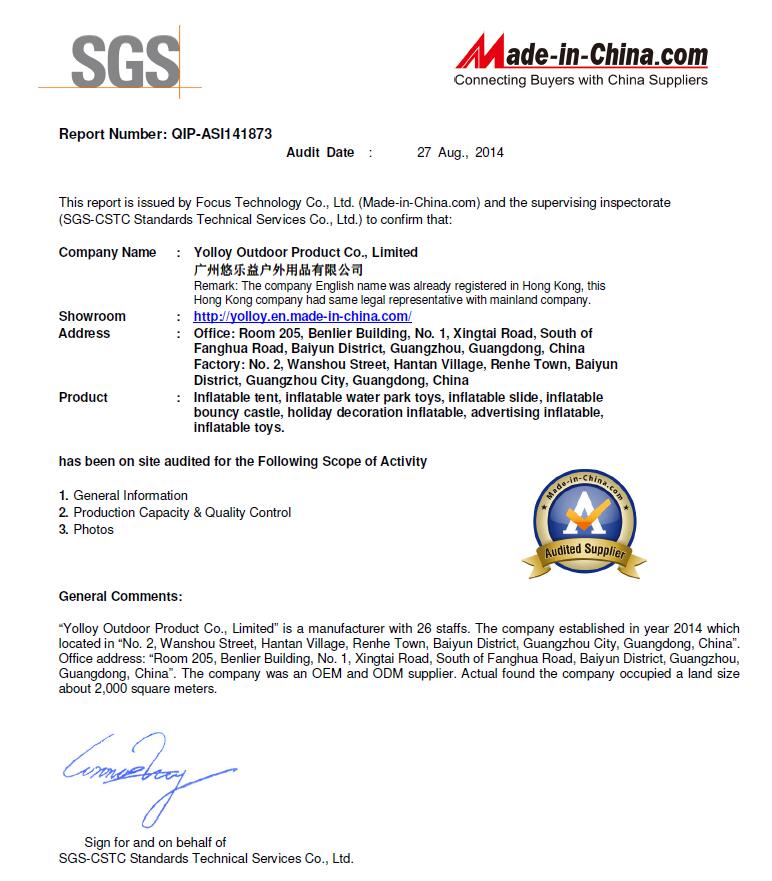
Factories like YOLLOY, based in Guangzhou, China, build inflatable air mattresses, floating loungers, and water-platform products to order with a minimum order quantity of one piece, and they supply blowers suited to overseas voltage. That kind of flexibility is exactly what a growing rental or hospitality business needs when it scales.
A beach blow up bed is, at heart, a simple idea: a cushion of air that turns a trip to the water into an afternoon of relaxation. The trick is buying one built to last. Look for solid material, sealed seams, a smart valve and pump, and a supplier who will support you when the busy season arrives. Get those basics right, and a small inflatable lounger becomes a hard-working part of your beach, pool, or event business.