Products Category
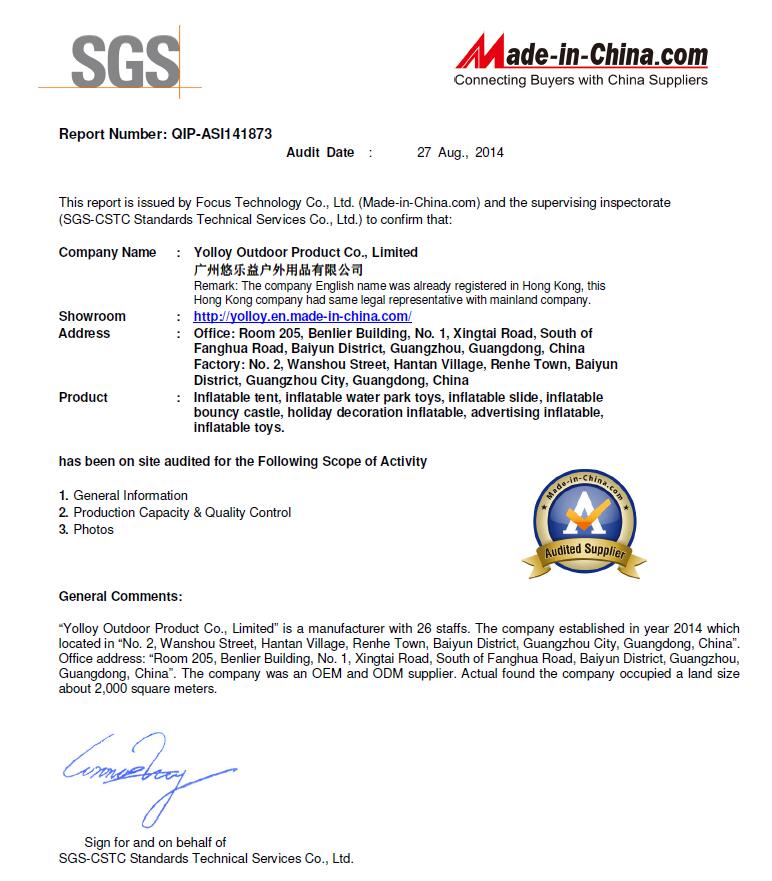
Certification

News

• New Order Successfully Finished for Long-Time Cooperated Japanese Client | YOLLOY Wins Full Client Recognition

• YOLLOY Custom Inflatable Pool Tent for Danish Client: Professional Pool Repair Shelter & Debris Protection

• Trusted Once Again! Greek Captain Re-orders Our Products After 4 Years

• Revolutionize Your Outdoors: The All-Terrain Inflatable Floating Tent for Land & Water

• Elevate Your Summer Fun: The Ultimate Inflatable Water Floating Volleyball Court Trampoline

• Innovative Inflatable Nightclub Tents & Pop-Up Bars: The Ultimate Solution for Portable Party Venues

Contact Us

Name: Sunny Yang
Tel: +86-20-8370 0771
Fax: +86-20-8370 0771
Mobile: 13570587575
E-mail: [email protected]
Add: No 5,Xiong wei Bo Nan Road,ZhongLuoTan Town,Baiyun district,Guangzhou,China
Friend me on Facebook Follow me on Twitter Add me to your circles Follow me on Pinterest Watch my channel on YouTube
News

How do you maintain an inflatable military tent?

Author:yolloy Date:2026/8/13 19:35:12

Inflatable military tents have become a cornerstone of modern field operations, valued for their rapid deployment, lightweight portability, and robust structural design. Whether used in tactical command posts, field hospitals, emergency shelters, or temporary barracks, these tents must withstand demanding environments. Proper maintenance is not just about extending service life—it is essential for mission readiness and personnel safety. This guide covers the key practices every operator should follow to keep an inflatable military tent in peak condition.

Daily Cleaning and Routine Inspection

After every deployment, surface-level cleaning should be performed immediately. Use a soft microfiber cloth or a non-abrasive sponge with mild, pH-neutral soap and warm water to wipe down the tent fabric. Pay special attention to areas near the ground, where mud, sand, and debris tend to accumulate. Never use bleach, solvents, or petroleum-based cleaners, as these chemicals can degrade the PVC tarpaulin or Oxford fabric commonly used in military-grade inflatable tents.

A visual inspection should accompany every cleaning session. Check the following areas carefully:

  • Seams and stitching: Look for loose threads, fraying, or separation. High-quality inflatable tent manufacturers use reinforced seams with waterproof nylon thread, but repeated stress can still cause wear over time.
  • Air beams and tubing: Examine the inflatable framework for any visible cracks, abrasions, or bulges that may indicate internal damage.
  • Anchor points and D-rings: Ensure all metal anchor rings are securely attached and free of rust or deformation.
  • Zippers and fasteners: Test every zipper and buckle to confirm smooth operation and secure closure.

Air Pressure Management and Valve Care

Maintaining correct air pressure is one of the most critical aspects of inflatable tent maintenance. Under-inflation reduces structural stability and causes the tent to sag, while over-inflation places excessive stress on seams and air beams, potentially leading to ruptures. Always operate the tent within the manufacturer's recommended pressure range and check the pressure at least twice daily during extended deployments.

Temperature fluctuations directly affect internal air pressure. In hot weather, the air inside the beams expands, which can push pressure beyond safe limits. In cold conditions, the air contracts, causing the tent to lose rigidity. Adjust accordingly—release a small amount of air when temperatures rise sharply and top up with a portable pump when temperatures drop.

Valve maintenance is equally important. After inflation, ensure the multifunctional inlet/outlet valve is fully locked and the valve cap is tightened securely. Inspect the safety valve periodically to confirm it is not obstructed by dust or debris. Before deflation and storage, open the quick-release valve completely and allow all air to escape. A reliable inflatable tent supplier will provide blowers that meet CE or UL safety standards, and using the correct blower with the appropriate voltage (110V, 220V, or 380V) is essential for safe inflation.

Leak Detection and Repair Methods

Even the most durable military inflatable tents can develop leaks over time. Early detection prevents minor issues from escalating into major structural failures. Three proven detection methods are:

  • Soapy water test: Mix mild soap with water, apply the solution to inflated sections using a spray bottle or sponge, and watch for bubbles that indicate escaping air. This is the most reliable method for pinpointing small punctures.
  • Auditory inspection: In a quiet environment, move along the inflated beams and listen carefully for hissing sounds that may reveal leak locations.
  • Water immersion test: For smaller, detachable air beam sections, submerge the component in water and look for a steady stream of bubbles.

Once a leak is located, repair it promptly. Clean the damaged area thoroughly, lightly roughen the surface with fine-grit sandpaper for better adhesion, apply a compatible adhesive patch, and allow the full curing time—typically 24 hours—before reinflating. Most professional-grade inflatable tents come with a repair kit included, and replacement patch materials should match the tent's fabric type (PVC, TPU, nylon, or Oxford fabric). For tears larger than 5 inches (approximately 12 cm) or seam failures, consult the manufacturer for guidance.

Climate-Specific Maintenance Considerations

Military operations span diverse environments, and maintenance practices must adapt accordingly. The table below summarizes key considerations for different climates:

ClimateKey ChallengesRecommended Actions
Hot and AridUV degradation, air pressure spikes, material dryingUse shade covers when possible; monitor pressure hourly during peak heat; apply UV-protective treatments compatible with the tent fabric
Humid and TropicalMold, mildew, fabric rotDry the tent completely before packing; use moisture-absorbing desiccant packs during storage; inspect seams and folds weekly for mold spots
Cold and FreezingMaterial brittleness, condensation, pressure lossInflate to slightly higher pressure to compensate for cold-air contraction; avoid folding when the fabric is frozen; wipe down interior walls to remove condensation
Coastal and MarineSalt corrosion on metal parts, sand abrasionRinse anchor rings and zippers with fresh water after exposure; brush sand off fabric before folding; inspect metal components for rust monthly

Proper Folding and Storage Techniques

How a tent is stored directly affects its longevity. Before storage, the tent must be 100% dry—even residual moisture trapped in folds can lead to mildew within days. If natural drying is not possible due to operational constraints, use a fan or portable dehumidifier to accelerate the process.

Follow these steps for proper folding and storage:

  • Deflate the tent completely, ensuring all valves are open and no air remains trapped in any beam or tube.
  • Lay the tent flat on a clean, dry surface and fold it loosely along the natural crease lines of the air beams. Avoid sharp folds that can stress the fabric at the fold points.
  • Place the folded tent inside a breathable storage bag. Avoid vacuum-sealed bags unless specifically recommended by the manufacturer, as excessive compression can damage air beam structures.
  • Store the tent in a cool, dry location away from direct sunlight. The ideal temperature range is 10°C to 21°C (50°F to 70°F), with relative humidity below 50%.
  • Keep the tent elevated off the ground on shelving or pallets to protect against pests and ground moisture.
Pro Tip: When choosing the best inflatable tent for military applications, look for models that include a dedicated repair kit, reinforced anchor systems, and blowers with appropriate voltage options. Custom configurations—such as specific sizes, colors, and printed camouflage patterns or unit insignia—are available from experienced manufacturers who offer design-to-production services.

Professional Maintenance and When to Seek Help

While routine maintenance tasks are manageable in the field, certain situations call for professional attention. Contact the manufacturer or a qualified service provider when you encounter:

  • Tears exceeding 5 inches (12 cm) in length or multiple punctures clustered in one area.
  • Seam separation that extends beyond surface-level stitching and into the structural bonding of the fabric.
  • Persistent air leaks that cannot be located or repaired with standard field patch kits.
  • Signs of material degradation, such as delamination, severe discoloration, or fabric thinning.
  • Malfunctioning safety valves or blower equipment that requires technical diagnosis.

Professional repair services can restore the tent to factory specifications using manufacturer-approved materials and techniques. This is especially important for tents still under warranty, as unauthorized repairs may void coverage.

Conclusion

An inflatable military tent is a significant investment that pays dividends in operational flexibility and rapid deployment capability. By following a disciplined maintenance routine—daily cleaning, regular pressure checks, prompt leak repairs, climate-adapted care, and proper storage—operators can maximize the tent's service life and ensure it remains mission-ready at all times. Working with reputable inflatable tent manufacturers who provide comprehensive support, repair kits, and clear maintenance documentation further simplifies long-term ownership. A well-maintained tent is not just equipment; it is reliable shelter that protects personnel and enables the mission.


How do you maintain an inflatable military tent?

Author:yolloy Date:2026/8/13 19:35:12

Inflatable military tents have become a cornerstone of modern field operations, valued for their rapid deployment, lightweight portability, and robust structural design. Whether used in tactical command posts, field hospitals, emergency shelters, or temporary barracks, these tents must withstand demanding environments. Proper maintenance is not just about extending service life—it is essential for mission readiness and personnel safety. This guide covers the key practices every operator should follow to keep an inflatable military tent in peak condition.

Daily Cleaning and Routine Inspection

After every deployment, surface-level cleaning should be performed immediately. Use a soft microfiber cloth or a non-abrasive sponge with mild, pH-neutral soap and warm water to wipe down the tent fabric. Pay special attention to areas near the ground, where mud, sand, and debris tend to accumulate. Never use bleach, solvents, or petroleum-based cleaners, as these chemicals can degrade the PVC tarpaulin or Oxford fabric commonly used in military-grade inflatable tents.

A visual inspection should accompany every cleaning session. Check the following areas carefully:

  • Seams and stitching: Look for loose threads, fraying, or separation. High-quality inflatable tent manufacturers use reinforced seams with waterproof nylon thread, but repeated stress can still cause wear over time.
  • Air beams and tubing: Examine the inflatable framework for any visible cracks, abrasions, or bulges that may indicate internal damage.
  • Anchor points and D-rings: Ensure all metal anchor rings are securely attached and free of rust or deformation.
  • Zippers and fasteners: Test every zipper and buckle to confirm smooth operation and secure closure.

Air Pressure Management and Valve Care

Maintaining correct air pressure is one of the most critical aspects of inflatable tent maintenance. Under-inflation reduces structural stability and causes the tent to sag, while over-inflation places excessive stress on seams and air beams, potentially leading to ruptures. Always operate the tent within the manufacturer's recommended pressure range and check the pressure at least twice daily during extended deployments.

Temperature fluctuations directly affect internal air pressure. In hot weather, the air inside the beams expands, which can push pressure beyond safe limits. In cold conditions, the air contracts, causing the tent to lose rigidity. Adjust accordingly—release a small amount of air when temperatures rise sharply and top up with a portable pump when temperatures drop.

Valve maintenance is equally important. After inflation, ensure the multifunctional inlet/outlet valve is fully locked and the valve cap is tightened securely. Inspect the safety valve periodically to confirm it is not obstructed by dust or debris. Before deflation and storage, open the quick-release valve completely and allow all air to escape. A reliable inflatable tent supplier will provide blowers that meet CE or UL safety standards, and using the correct blower with the appropriate voltage (110V, 220V, or 380V) is essential for safe inflation.

Leak Detection and Repair Methods

Even the most durable military inflatable tents can develop leaks over time. Early detection prevents minor issues from escalating into major structural failures. Three proven detection methods are:

  • Soapy water test: Mix mild soap with water, apply the solution to inflated sections using a spray bottle or sponge, and watch for bubbles that indicate escaping air. This is the most reliable method for pinpointing small punctures.
  • Auditory inspection: In a quiet environment, move along the inflated beams and listen carefully for hissing sounds that may reveal leak locations.
  • Water immersion test: For smaller, detachable air beam sections, submerge the component in water and look for a steady stream of bubbles.

Once a leak is located, repair it promptly. Clean the damaged area thoroughly, lightly roughen the surface with fine-grit sandpaper for better adhesion, apply a compatible adhesive patch, and allow the full curing time—typically 24 hours—before reinflating. Most professional-grade inflatable tents come with a repair kit included, and replacement patch materials should match the tent's fabric type (PVC, TPU, nylon, or Oxford fabric). For tears larger than 5 inches (approximately 12 cm) or seam failures, consult the manufacturer for guidance.

Climate-Specific Maintenance Considerations

Military operations span diverse environments, and maintenance practices must adapt accordingly. The table below summarizes key considerations for different climates:

ClimateKey ChallengesRecommended Actions
Hot and AridUV degradation, air pressure spikes, material dryingUse shade covers when possible; monitor pressure hourly during peak heat; apply UV-protective treatments compatible with the tent fabric
Humid and TropicalMold, mildew, fabric rotDry the tent completely before packing; use moisture-absorbing desiccant packs during storage; inspect seams and folds weekly for mold spots
Cold and FreezingMaterial brittleness, condensation, pressure lossInflate to slightly higher pressure to compensate for cold-air contraction; avoid folding when the fabric is frozen; wipe down interior walls to remove condensation
Coastal and MarineSalt corrosion on metal parts, sand abrasionRinse anchor rings and zippers with fresh water after exposure; brush sand off fabric before folding; inspect metal components for rust monthly

Proper Folding and Storage Techniques

How a tent is stored directly affects its longevity. Before storage, the tent must be 100% dry—even residual moisture trapped in folds can lead to mildew within days. If natural drying is not possible due to operational constraints, use a fan or portable dehumidifier to accelerate the process.

Follow these steps for proper folding and storage:

  • Deflate the tent completely, ensuring all valves are open and no air remains trapped in any beam or tube.
  • Lay the tent flat on a clean, dry surface and fold it loosely along the natural crease lines of the air beams. Avoid sharp folds that can stress the fabric at the fold points.
  • Place the folded tent inside a breathable storage bag. Avoid vacuum-sealed bags unless specifically recommended by the manufacturer, as excessive compression can damage air beam structures.
  • Store the tent in a cool, dry location away from direct sunlight. The ideal temperature range is 10°C to 21°C (50°F to 70°F), with relative humidity below 50%.
  • Keep the tent elevated off the ground on shelving or pallets to protect against pests and ground moisture.
Pro Tip: When choosing the best inflatable tent for military applications, look for models that include a dedicated repair kit, reinforced anchor systems, and blowers with appropriate voltage options. Custom configurations—such as specific sizes, colors, and printed camouflage patterns or unit insignia—are available from experienced manufacturers who offer design-to-production services.

Professional Maintenance and When to Seek Help

While routine maintenance tasks are manageable in the field, certain situations call for professional attention. Contact the manufacturer or a qualified service provider when you encounter:

  • Tears exceeding 5 inches (12 cm) in length or multiple punctures clustered in one area.
  • Seam separation that extends beyond surface-level stitching and into the structural bonding of the fabric.
  • Persistent air leaks that cannot be located or repaired with standard field patch kits.
  • Signs of material degradation, such as delamination, severe discoloration, or fabric thinning.
  • Malfunctioning safety valves or blower equipment that requires technical diagnosis.

Professional repair services can restore the tent to factory specifications using manufacturer-approved materials and techniques. This is especially important for tents still under warranty, as unauthorized repairs may void coverage.

Conclusion

An inflatable military tent is a significant investment that pays dividends in operational flexibility and rapid deployment capability. By following a disciplined maintenance routine—daily cleaning, regular pressure checks, prompt leak repairs, climate-adapted care, and proper storage—operators can maximize the tent's service life and ensure it remains mission-ready at all times. Working with reputable inflatable tent manufacturers who provide comprehensive support, repair kits, and clear maintenance documentation further simplifies long-term ownership. A well-maintained tent is not just equipment; it is reliable shelter that protects personnel and enables the mission.