Products Category
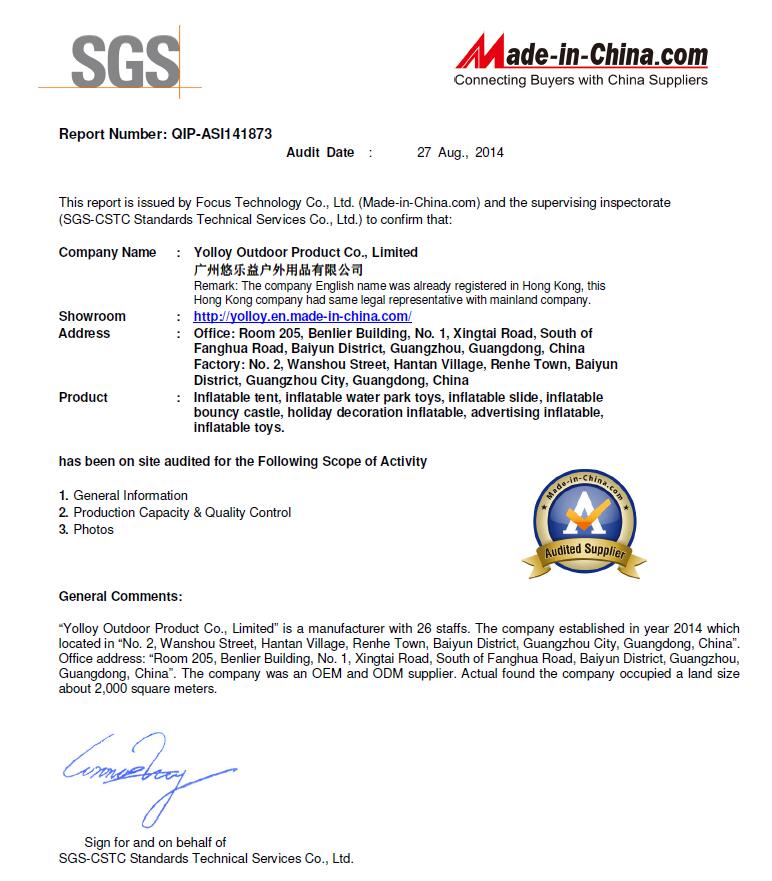
Certification

News

• New Order Successfully Finished for Long-Time Cooperated Japanese Client | YOLLOY Wins Full Client Recognition

• YOLLOY Custom Inflatable Pool Tent for Danish Client: Professional Pool Repair Shelter & Debris Protection

• Trusted Once Again! Greek Captain Re-orders Our Products After 4 Years

• Revolutionize Your Outdoors: The All-Terrain Inflatable Floating Tent for Land & Water

• Elevate Your Summer Fun: The Ultimate Inflatable Water Floating Volleyball Court Trampoline

• Innovative Inflatable Nightclub Tents & Pop-Up Bars: The Ultimate Solution for Portable Party Venues

Contact Us

Name: Sunny Yang
Tel: +86-20-8370 0771
Fax: +86-20-8370 0771
Mobile: 13570587575
E-mail: [email protected]
Add: No 5,Xiong wei Bo Nan Road,ZhongLuoTan Town,Baiyun district,Guangzhou,China
Friend me on Facebook Follow me on Twitter Add me to your circles Follow me on Pinterest Watch my channel on YouTube
News

What is the best non toxic pool for children?

Author:yolloy Date:2026/8/13 18:45:45

When the summer heat arrives, every parent starts looking for a way to let their children cool off safely at home. A kiddie pool is the go-to solution, but not all pools are created equal. The material your child's pool is made from matters more than most people realize. Cheap plastics can leach harmful chemicals into the water, especially under direct sunlight. This is why choosing a non-toxic pool for children has become a top priority for families worldwide.

In this article, we explain what makes a children's pool truly safe, what materials and certifications to look for, and how to source a high-quality inflatable swimming pool that meets rigorous safety standards without breaking the budget.

What Does "Non-Toxic" Really Mean for a Children's Pool?

A non-toxic pool is one made from materials that do not contain substances known to be harmful to human health, particularly for young children whose skin is more sensitive and who may ingest small amounts of pool water during play. The most important substances to avoid include BPA (Bisphenol A), phthalates, lead, and heavy metals. These chemicals are sometimes found in low-grade PVC products and can migrate into water, especially when the pool sits under the sun for hours.

Reputable manufacturers use commercial-grade PVC tarpaulin that has been tested and certified to meet international safety standards. For example, materials used in quality swimming pool inflatable toys should pass EN71 (toy safety), EN14960 (inflatable play equipment), and RoHS (restriction of hazardous substances) testing. These certifications provide independent verification that the materials are free from harmful levels of restricted chemicals.

Key Safety Certifications to Look For

When evaluating a pool for your child, ask the supplier which certifications their products carry. The most relevant standards include:

  • EN71 — European safety standard for toys, covering mechanical and chemical safety requirements.
  • EN14960 — Specifically for inflatable play equipment, ensuring structural integrity and material safety.
  • EN15649 — Safety standard for floating leisure articles used on and in water, relevant for larger inflatable water park products.
  • RoHS — Restriction of Hazardous Substances, limiting lead, mercury, cadmium, and other dangerous materials.
  • CE / UL — Electrical safety certifications for blowers that keep the pool inflated, ensuring safe operation at 110V, 220V, or 380V.

A supplier that can demonstrate compliance with these standards has invested in proper material sourcing and quality control. This is a strong signal that their products are genuinely safe for children.

Popular Types of Non-Toxic Inflatable Pools for Children

Different families have different needs, and the market offers several types of safe inflatable pools:

Small Backyard Splash Pools

These compact pools are ideal for toddlers and young children. Typically made from thickened non-toxic PVC with a soft inflatable floor, they provide a cushioned play area that protects against bumps and scrapes. A built-in drain plug makes water changes quick and easy.

Family-Sized Inflatable Pools

For families with multiple children or those who want to join in the fun, larger pools offer more space. These pools often feature multiple air chambers, so a puncture in one section does not deflate the entire pool. Thicker PVC walls provide durability for active play.

Commercial-Grade Water Park Toys

For businesses, resorts, and community centers, a full-scale inflatable water park offers a much larger play area with slides, obstacles, splash zones, and interactive elements. These commercial products are built with heavy-duty PVC tarpaulin, reinforced seams, and industrial-grade blowers. They are designed to withstand constant use while maintaining safety standards.

Why Factory-Direct Sourcing Matters for Safety and Value

Many parents do not realize that buying directly from the manufacturer can significantly improve both safety assurance and value. When you purchase from a factory rather than a retail middleman, you gain several advantages:

  • Material transparency — You can ask the manufacturer exactly which materials are used and request certification documents directly.
  • Customization — Factories can produce pools in custom sizes, colors, and with your own branding or artwork. This is especially valuable for businesses.
  • Better pricing — Without multiple layers of distribution, factory-direct pricing eliminates retail markups, giving you more value for your budget.
  • Quality control — Reputable manufacturers inspect and test every product before shipping, using high-temperature fusion welding for airtight seams and precision sewing with reinforced, waterproof nylon thread.
  • Low minimum orders — Some manufacturers accept orders as small as one piece, making factory-direct buying accessible even for individual families or small businesses.

What to Ask Your Supplier Before Buying

Before placing an order, here are essential questions to ask any inflatable pool manufacturer or supplier:

  1. What materials are used, and do they have EN71 or RoHS certification?
  2. Are the blowers CE or UL certified?
  3. Is a repair kit included with the product?
  4. What is the expected production time and shipping method?
  5. What warranty or after-sales support is provided?
  6. Can I order a custom size, color, or design?

A trustworthy supplier will answer all of these questions clearly and provide documentation to back up their claims about material safety and product quality.

Maintenance Tips for a Longer-Lasting Pool

Even the best non-toxic pool needs proper care to stay safe and functional over multiple seasons:

  • Always place the pool on a flat surface free of sharp objects, rocks, or sticks.
  • Drain and dry the pool completely after each use to prevent mold and material degradation.
  • Use the included repair kit immediately for any small punctures to prevent them from growing.
  • Store the pool in a cool, dry place during the off-season, ideally in a protective storage bag.
  • Check the blower and electrical connections regularly for wear or damage.
  • Avoid using harsh chemical cleaners on the pool surface; mild soap and water are sufficient.

Conclusion

Choosing the best non-toxic pool for children comes down to three things: material safety, certification, and manufacturing quality. Look for pools made from BPA-free, phthalate-free PVC that has been independently tested to EN71, EN14960, and RoHS standards. Pay attention to construction details like reinforced seams, multiple air chambers, and soft inflatable floors that add both safety and comfort.

Sourcing your pool directly from a manufacturer gives you better value, more customization options, and direct access to material safety documentation. Whether you need a small backyard splash pool for your toddler or a large commercial water park for a resort, the key is choosing a supplier who prioritizes safety at every stage of the design and production process. A well-made, non-toxic pool can provide years of safe summer fun for your family.


What is the best non toxic pool for children?

Author:yolloy Date:2026/8/13 18:45:45

When the summer heat arrives, every parent starts looking for a way to let their children cool off safely at home. A kiddie pool is the go-to solution, but not all pools are created equal. The material your child's pool is made from matters more than most people realize. Cheap plastics can leach harmful chemicals into the water, especially under direct sunlight. This is why choosing a non-toxic pool for children has become a top priority for families worldwide.

In this article, we explain what makes a children's pool truly safe, what materials and certifications to look for, and how to source a high-quality inflatable swimming pool that meets rigorous safety standards without breaking the budget.

What Does "Non-Toxic" Really Mean for a Children's Pool?

A non-toxic pool is one made from materials that do not contain substances known to be harmful to human health, particularly for young children whose skin is more sensitive and who may ingest small amounts of pool water during play. The most important substances to avoid include BPA (Bisphenol A), phthalates, lead, and heavy metals. These chemicals are sometimes found in low-grade PVC products and can migrate into water, especially when the pool sits under the sun for hours.

Reputable manufacturers use commercial-grade PVC tarpaulin that has been tested and certified to meet international safety standards. For example, materials used in quality swimming pool inflatable toys should pass EN71 (toy safety), EN14960 (inflatable play equipment), and RoHS (restriction of hazardous substances) testing. These certifications provide independent verification that the materials are free from harmful levels of restricted chemicals.

Key Safety Certifications to Look For

When evaluating a pool for your child, ask the supplier which certifications their products carry. The most relevant standards include:

  • EN71 — European safety standard for toys, covering mechanical and chemical safety requirements.
  • EN14960 — Specifically for inflatable play equipment, ensuring structural integrity and material safety.
  • EN15649 — Safety standard for floating leisure articles used on and in water, relevant for larger inflatable water park products.
  • RoHS — Restriction of Hazardous Substances, limiting lead, mercury, cadmium, and other dangerous materials.
  • CE / UL — Electrical safety certifications for blowers that keep the pool inflated, ensuring safe operation at 110V, 220V, or 380V.

A supplier that can demonstrate compliance with these standards has invested in proper material sourcing and quality control. This is a strong signal that their products are genuinely safe for children.

Popular Types of Non-Toxic Inflatable Pools for Children

Different families have different needs, and the market offers several types of safe inflatable pools:

Small Backyard Splash Pools

These compact pools are ideal for toddlers and young children. Typically made from thickened non-toxic PVC with a soft inflatable floor, they provide a cushioned play area that protects against bumps and scrapes. A built-in drain plug makes water changes quick and easy.

Family-Sized Inflatable Pools

For families with multiple children or those who want to join in the fun, larger pools offer more space. These pools often feature multiple air chambers, so a puncture in one section does not deflate the entire pool. Thicker PVC walls provide durability for active play.

Commercial-Grade Water Park Toys

For businesses, resorts, and community centers, a full-scale inflatable water park offers a much larger play area with slides, obstacles, splash zones, and interactive elements. These commercial products are built with heavy-duty PVC tarpaulin, reinforced seams, and industrial-grade blowers. They are designed to withstand constant use while maintaining safety standards.

Why Factory-Direct Sourcing Matters for Safety and Value

Many parents do not realize that buying directly from the manufacturer can significantly improve both safety assurance and value. When you purchase from a factory rather than a retail middleman, you gain several advantages:

  • Material transparency — You can ask the manufacturer exactly which materials are used and request certification documents directly.
  • Customization — Factories can produce pools in custom sizes, colors, and with your own branding or artwork. This is especially valuable for businesses.
  • Better pricing — Without multiple layers of distribution, factory-direct pricing eliminates retail markups, giving you more value for your budget.
  • Quality control — Reputable manufacturers inspect and test every product before shipping, using high-temperature fusion welding for airtight seams and precision sewing with reinforced, waterproof nylon thread.
  • Low minimum orders — Some manufacturers accept orders as small as one piece, making factory-direct buying accessible even for individual families or small businesses.

What to Ask Your Supplier Before Buying

Before placing an order, here are essential questions to ask any inflatable pool manufacturer or supplier:

  1. What materials are used, and do they have EN71 or RoHS certification?
  2. Are the blowers CE or UL certified?
  3. Is a repair kit included with the product?
  4. What is the expected production time and shipping method?
  5. What warranty or after-sales support is provided?
  6. Can I order a custom size, color, or design?

A trustworthy supplier will answer all of these questions clearly and provide documentation to back up their claims about material safety and product quality.

Maintenance Tips for a Longer-Lasting Pool

Even the best non-toxic pool needs proper care to stay safe and functional over multiple seasons:

  • Always place the pool on a flat surface free of sharp objects, rocks, or sticks.
  • Drain and dry the pool completely after each use to prevent mold and material degradation.
  • Use the included repair kit immediately for any small punctures to prevent them from growing.
  • Store the pool in a cool, dry place during the off-season, ideally in a protective storage bag.
  • Check the blower and electrical connections regularly for wear or damage.
  • Avoid using harsh chemical cleaners on the pool surface; mild soap and water are sufficient.

Conclusion

Choosing the best non-toxic pool for children comes down to three things: material safety, certification, and manufacturing quality. Look for pools made from BPA-free, phthalate-free PVC that has been independently tested to EN71, EN14960, and RoHS standards. Pay attention to construction details like reinforced seams, multiple air chambers, and soft inflatable floors that add both safety and comfort.

Sourcing your pool directly from a manufacturer gives you better value, more customization options, and direct access to material safety documentation. Whether you need a small backyard splash pool for your toddler or a large commercial water park for a resort, the key is choosing a supplier who prioritizes safety at every stage of the design and production process. A well-made, non-toxic pool can provide years of safe summer fun for your family.