Products Category
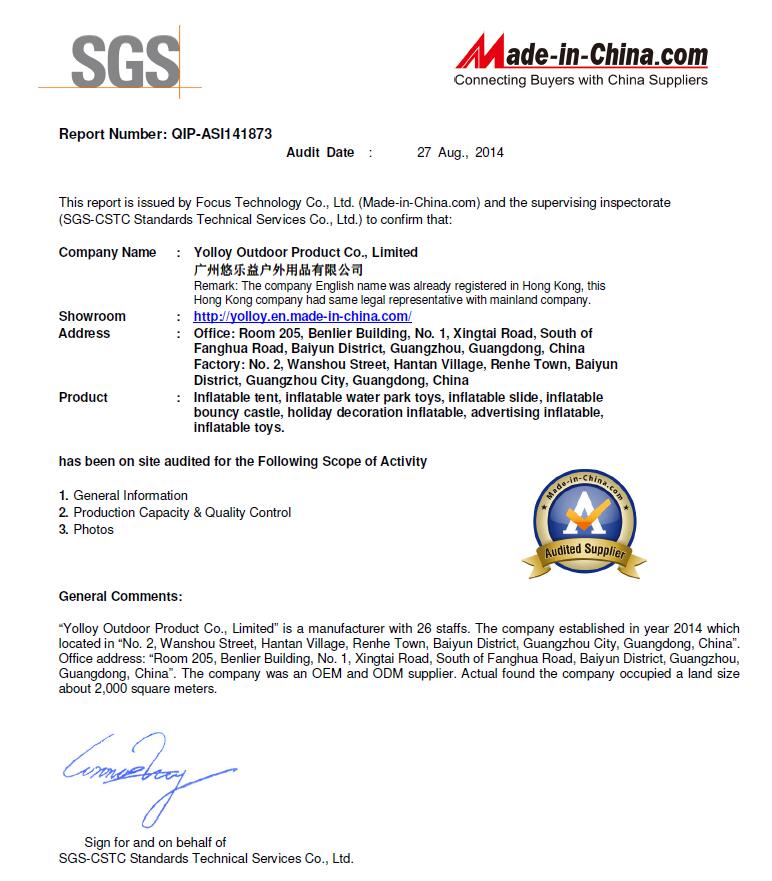
Certification

News

• New Order Successfully Finished for Long-Time Cooperated Japanese Client | YOLLOY Wins Full Client Recognition

• YOLLOY Custom Inflatable Pool Tent for Danish Client: Professional Pool Repair Shelter & Debris Protection

• Trusted Once Again! Greek Captain Re-orders Our Products After 4 Years

• Revolutionize Your Outdoors: The All-Terrain Inflatable Floating Tent for Land & Water

• Elevate Your Summer Fun: The Ultimate Inflatable Water Floating Volleyball Court Trampoline

• Innovative Inflatable Nightclub Tents & Pop-Up Bars: The Ultimate Solution for Portable Party Venues

Contact Us

Name: Sunny Yang
Tel: +86-20-8370 0771
Fax: +86-20-8370 0771
Mobile: 13570587575
E-mail: [email protected]
Add: No 5,Xiong wei Bo Nan Road,ZhongLuoTan Town,Baiyun district,Guangzhou,China
Friend me on Facebook Follow me on Twitter Add me to your circles Follow me on Pinterest Watch my channel on YouTube
News

How do lake inflatables differ from regular pool inflatables?

Author:yolloy Date:2026/8/14 7:54:09

When summer arrives, the appeal of spending time on the water is undeniable. Whether you own a lakeside resort, run a rental business, or simply enjoy weekends at the cottage, choosing the right inflatable equipment makes a substantial difference in both safety and enjoyment. Many buyers assume that any inflatable water toy will work anywhere there is water, but products designed for a calm backyard pool are fundamentally different from those meant for an open lake environment.

Material: The Core Difference

The most significant distinction between lake and pool inflatables lies in the materials used during manufacturing. Regular pool inflatables are typically made from thin vinyl or lightweight PVC, which is adequate for the controlled conditions of a swimming pool. These materials are affordable and work well in still water with minimal sun exposure over short periods.

Lake inflatables, by contrast, require commercial-grade PVC tarpaulin — a composite material with a woven polyester fabric core coated on both sides with PVC. This construction delivers exceptional tensile strength, puncture resistance, and abrasion resistance. The material also incorporates anti-UV coatings that protect against prolonged sun exposure, preventing the product from becoming brittle and faded after just one season. For businesses investing in an inflatable water park, the right material choice directly determines how many seasons the equipment will last.

Construction and Seam Strength

Pool inflatables commonly use basic stitching or glued seams, which can fail under the stress of waves, wind, and repeated use by multiple people. Lake inflatables are built differently. Reputable manufacturers use high-temperature heat welding to fuse material panels together, creating seams that are often stronger than the surrounding fabric. Additional reinforcement at stress points — such as double or quadruple stitching — prevents air leaks and structural failure during heavy use.

The manufacturing process for commercial-grade inflatables also includes a full inflation and leakage test. Each product is inflated for 24 to 48 hours before leaving the factory to verify that there is no pressure loss. This level of quality control is rarely found in consumer-grade pool toys.

Stability and Anchoring Requirements

A backyard pool is a contained environment with no currents, no waves, and no wind-driven drift. Pool inflatables do not need anchoring systems. Lake environments are entirely different. Wind, boat wakes, and natural currents can push an unanchored inflatable considerable distances in a short time. Quality lake inflatables come with multiple heavy-duty stainless steel D-rings specifically designed for secure anchoring. These anchor points are welded or stitched with reinforcement patches, allowing operators to tether equipment to shorelines, docks, or submerged weights.

Without proper anchoring, even a moderate breeze can create enough horizontal force to move a floating platform unpredictably. For a commercial inflatable water slide placed on a lake, secure anchoring is not optional — it is a fundamental safety requirement that protects both users and the equipment itself.

Size and Weight Capacity

Pool inflatables are generally compact and designed for one or two users in a small space. Lake inflatables are built larger and engineered for higher weight capacities. A commercial inflatable water slide designed for lake use, for example, must accommodate multiple users climbing and sliding simultaneously while remaining stable on moving water.

Floating platforms and obstacle courses made for lakes often feature multiple independent air chambers. This design means that even if one chamber loses pressure, the remaining chambers maintain buoyancy. Weight is distributed across the entire surface area rather than concentrated at pressure points, which is a critical engineering difference from simpler pool designs.

Safety Standards and Certifications

Pool toys sold for residential use may not be subject to the same rigorous testing as commercial-grade equipment. Lake inflatables intended for business or public use should meet recognized safety standards. Materials that pass EN71 and EN15649 testing ensure the product is free from harmful substances and structurally sound. Blowers used with lake inflatables are typically certified to meet CE or UL requirements, ensuring reliable and safe electrical operation in outdoor environments.

These certifications represent real-world verification that an inflatable will perform safely under demanding conditions — something that generic pool toys rarely offer.

Maintenance and Longevity

Pool inflatables often need replacement after a single season of frequent use. Lake inflatables, when properly maintained, deliver years of reliable service. The difference comes down to materials and construction quality. A commercial-grade inflatable made from thick PVC tarpaulin with UV protection and reinforced seams holds up to daily sun exposure, constant use, and the occasional scrape against docks or rocks.

Many manufacturers include a repair kit with each product, allowing minor punctures to be fixed quickly on-site without specialized tools. This practical approach to maintenance means that a small tear does not end the season — it can be addressed immediately and the equipment can return to service.

Making the Right Choice

For casual backyard use, a standard pool inflatable may be perfectly adequate. But for anyone operating a lakefront business, organizing group events on open water, or simply wanting equipment that will not fail mid-season, investing in lake-grade inflatables is the practical choice. The initial cost is higher, but the return comes in the form of longer service life, fewer replacements, and above all, greater safety for everyone on the water.

YOLLOY Outdoor Product Co., Limited, based in Guangzhou, China, has been designing and manufacturing inflatable products for over a decade. The company offers a full range of lake-ready inflatables — from floating platforms and water slides to complete commercial inflatable water park systems — all built with commercial-grade PVC tarpaulin, heat-welded seams, UV protection, and certified blowers. With custom design services available, products can be tailored to specific site requirements, brand colors, and operational needs.


How do lake inflatables differ from regular pool inflatables?

Author:yolloy Date:2026/8/14 7:54:09

When summer arrives, the appeal of spending time on the water is undeniable. Whether you own a lakeside resort, run a rental business, or simply enjoy weekends at the cottage, choosing the right inflatable equipment makes a substantial difference in both safety and enjoyment. Many buyers assume that any inflatable water toy will work anywhere there is water, but products designed for a calm backyard pool are fundamentally different from those meant for an open lake environment.

Material: The Core Difference

The most significant distinction between lake and pool inflatables lies in the materials used during manufacturing. Regular pool inflatables are typically made from thin vinyl or lightweight PVC, which is adequate for the controlled conditions of a swimming pool. These materials are affordable and work well in still water with minimal sun exposure over short periods.

Lake inflatables, by contrast, require commercial-grade PVC tarpaulin — a composite material with a woven polyester fabric core coated on both sides with PVC. This construction delivers exceptional tensile strength, puncture resistance, and abrasion resistance. The material also incorporates anti-UV coatings that protect against prolonged sun exposure, preventing the product from becoming brittle and faded after just one season. For businesses investing in an inflatable water park, the right material choice directly determines how many seasons the equipment will last.

Construction and Seam Strength

Pool inflatables commonly use basic stitching or glued seams, which can fail under the stress of waves, wind, and repeated use by multiple people. Lake inflatables are built differently. Reputable manufacturers use high-temperature heat welding to fuse material panels together, creating seams that are often stronger than the surrounding fabric. Additional reinforcement at stress points — such as double or quadruple stitching — prevents air leaks and structural failure during heavy use.

The manufacturing process for commercial-grade inflatables also includes a full inflation and leakage test. Each product is inflated for 24 to 48 hours before leaving the factory to verify that there is no pressure loss. This level of quality control is rarely found in consumer-grade pool toys.

Stability and Anchoring Requirements

A backyard pool is a contained environment with no currents, no waves, and no wind-driven drift. Pool inflatables do not need anchoring systems. Lake environments are entirely different. Wind, boat wakes, and natural currents can push an unanchored inflatable considerable distances in a short time. Quality lake inflatables come with multiple heavy-duty stainless steel D-rings specifically designed for secure anchoring. These anchor points are welded or stitched with reinforcement patches, allowing operators to tether equipment to shorelines, docks, or submerged weights.

Without proper anchoring, even a moderate breeze can create enough horizontal force to move a floating platform unpredictably. For a commercial inflatable water slide placed on a lake, secure anchoring is not optional — it is a fundamental safety requirement that protects both users and the equipment itself.

Size and Weight Capacity

Pool inflatables are generally compact and designed for one or two users in a small space. Lake inflatables are built larger and engineered for higher weight capacities. A commercial inflatable water slide designed for lake use, for example, must accommodate multiple users climbing and sliding simultaneously while remaining stable on moving water.

Floating platforms and obstacle courses made for lakes often feature multiple independent air chambers. This design means that even if one chamber loses pressure, the remaining chambers maintain buoyancy. Weight is distributed across the entire surface area rather than concentrated at pressure points, which is a critical engineering difference from simpler pool designs.

Safety Standards and Certifications

Pool toys sold for residential use may not be subject to the same rigorous testing as commercial-grade equipment. Lake inflatables intended for business or public use should meet recognized safety standards. Materials that pass EN71 and EN15649 testing ensure the product is free from harmful substances and structurally sound. Blowers used with lake inflatables are typically certified to meet CE or UL requirements, ensuring reliable and safe electrical operation in outdoor environments.

These certifications represent real-world verification that an inflatable will perform safely under demanding conditions — something that generic pool toys rarely offer.

Maintenance and Longevity

Pool inflatables often need replacement after a single season of frequent use. Lake inflatables, when properly maintained, deliver years of reliable service. The difference comes down to materials and construction quality. A commercial-grade inflatable made from thick PVC tarpaulin with UV protection and reinforced seams holds up to daily sun exposure, constant use, and the occasional scrape against docks or rocks.

Many manufacturers include a repair kit with each product, allowing minor punctures to be fixed quickly on-site without specialized tools. This practical approach to maintenance means that a small tear does not end the season — it can be addressed immediately and the equipment can return to service.

Making the Right Choice

For casual backyard use, a standard pool inflatable may be perfectly adequate. But for anyone operating a lakefront business, organizing group events on open water, or simply wanting equipment that will not fail mid-season, investing in lake-grade inflatables is the practical choice. The initial cost is higher, but the return comes in the form of longer service life, fewer replacements, and above all, greater safety for everyone on the water.

YOLLOY Outdoor Product Co., Limited, based in Guangzhou, China, has been designing and manufacturing inflatable products for over a decade. The company offers a full range of lake-ready inflatables — from floating platforms and water slides to complete commercial inflatable water park systems — all built with commercial-grade PVC tarpaulin, heat-welded seams, UV protection, and certified blowers. With custom design services available, products can be tailored to specific site requirements, brand colors, and operational needs.