Commercial Inflatable Tents: The Ultimate Guide for Event Planners and Business Owners
Everything you need to know about sourcing commercial inflatable tents — from product types and customization to choosing the right manufacturer.
The inflatable tent market has evolved far beyond basic camping shelters. Today, event planners, rental business owners, hospitality operators, and brand marketers are turning to inflatable structures as versatile, cost-effective solutions for a wide range of commercial applications. Unlike traditional frame tents that require teams of workers and hours to assemble, modern inflatable tents can be set up in minutes by a single person — all while delivering superior visual impact and structural reliability.
Whether you are launching an outdoor nightclub, hosting a wedding reception, setting up a temporary exhibition space, or building a rental inventory, choosing the right
inflatable tent manufacturers is the foundation of a successful investment. This guide walks you through everything from product types and material quality to customization and supplier selection, giving you the confidence to make informed purchasing decisions.
What Are Commercial Inflatable Tents?
Commercial inflatable tents are large-scale, air-supported structures designed for business and event use. Instead of metal or fiberglass poles, these tents use reinforced air beams — sealed tubes integrated into the tent fabric — that are inflated with an electric blower to create a rigid, self-supporting frame. Once inflated, the structure remains stable as long as the blower runs continuously or intermittently, depending on the design.
The key difference between consumer camping tents and commercial-grade inflatable tents lies in the materials, blower systems, and structural engineering. Commercial models are built with heavy-duty PVC tarpaulin or high-denier Oxford fabric, reinforced seams, and industrial-grade blowers that meet CE or UL safety standards. They are designed to withstand frequent use, varying weather conditions, and the demands of public events.
Types of Commercial Inflatable Tents
One of the biggest advantages of working with
commercial inflatable tent wholesale suppliers is the incredible variety of structures available. Depending on your business model, you can choose from the following categories:
Dome Tents
Geodesic dome-shaped inflatable tents are among the most popular choices for commercial use. Their curved architecture provides excellent wind resistance and creates a striking visual presence. Dome tents are widely used for outdoor dining, glamping resorts, product launches, and temporary event spaces. The clear PVC versions — often referred to as bubble tents — offer panoramic views and are especially popular for stargazing experiences, rooftop bars, and luxury camping setups.
Party and Event Tents
An
inflatable party tent is a versatile solution for weddings, corporate gatherings, birthday celebrations, and music festivals. These tents come in various sizes — from intimate 4-meter structures to massive halls that can accommodate hundreds of guests. Many models feature removable sidewalls, allowing you to adapt the space for different weather conditions and event layouts.
Cube and Tunnel Tents
Cube-shaped and tunnel-style inflatable tents offer modular flexibility. They can be connected end-to-end to create extended covered walkways, exhibition corridors, or multi-room complexes. This makes them ideal for trade shows, food festivals, and market events where you need a continuous flow of visitor traffic.
Clear and Bubble Tents
Transparent inflatable dome tents are rapidly gaining traction in the hospitality industry. Restaurants use them for outdoor private dining, hotels deploy them as unique guest suites, and event companies rent them for immersive brand activations. The see-through design creates an unforgettable experience that traditional tents cannot match.
Specialty Tents
Beyond standard shapes, manufacturers offer inflatable spray booths for automotive detailing, golf simulator enclosures, inflatable car garages, sports tents, emergency shelters, and even portable planetarium domes with projection screen capabilities. The range of applications is limited only by imagination.
Why Businesses Are Switching to Inflatable Tents
Rapid Setup and Takedown
Time is money in the event industry. A large commercial inflatable tent can be fully pitched in 10 to 20 minutes using an electric blower, compared to hours of labor for traditional pole or frame tents. This speed translates directly into lower staffing costs and the ability to handle back-to-back bookings.
Superior Portability
When deflated, commercial inflatable tents pack down into surprisingly compact bundles. They can be transported in a standard van or truck, making them ideal for mobile rental businesses that serve multiple locations. The reduced storage footprint also means lower warehousing costs during the off-season.
Eye-Catching Aesthetics
Inflatable structures naturally draw attention. Their unique shapes — especially dome and bubble designs — serve as marketing assets in themselves, generating social media buzz and word-of-mouth promotion. A branded inflatable tent at a festival or trade show becomes a landmark that attendees remember.
Durability in Harsh Conditions
A common misconception is that inflatable tents are fragile. In reality, commercial-grade air beam tents are engineered to flex under wind pressure rather than resist it — a design principle that actually makes them more resilient than rigid-frame tents in stormy weather. There are no poles to snap, and the reinforced seams with waterproof nylon thread hold up under repeated stress.
Lower Total Cost of Ownership
While the upfront price of a commercial inflatable tent may be comparable to or slightly higher than a traditional frame tent, the savings in labor, transportation, and maintenance quickly add up. With a three-year expected service life under proper use and a repair kit included with each purchase, inflatable tents offer a compelling return on investment for rental businesses.
Key Features to Evaluate When Sourcing
Material Quality
The fabric is the single most important factor determining the lifespan of your tent. For commercial applications, look for heavy-duty PVC tarpaulin that has passed EN71 and EN14960 safety testing. For tent projects that require lighter weight, Oxford fabric, nylon, or TPU may be suitable alternatives. Always confirm that the material certificate matches your intended use case and local regulatory requirements.
Blower Specifications
The blower is the heart of any inflatable tent system. Ensure the blower meets CE or UL certification requirements for your market. Voltage compatibility is critical — a reputable
inflatable tent factory will offer blowers configured for 110V, 220V, or 380V depending on your region. Continuous-operation blowers are standard for most commercial tents, keeping the structure inflated throughout the event.
Seam Construction
The difference between a tent that lasts one season and one that lasts three years often comes down to seam quality. High-quality commercial tents use precision sewing equipment with reinforced double stitching at high-load areas. Airtight sections should be manufactured using high-temperature fusion welding rather than adhesive bonding. Ask potential suppliers about their specific seam construction methods before placing an order.
Anchor Systems
Wind resistance depends heavily on the anchoring system. Look for D-ring or round metal anchor points integrated into the tent structure at regular intervals. Guy lines should be included, and the anchor points should be reinforced to prevent tearing under tension. For hard-surface installations (concrete, asphalt), water barrels or weighted bases can serve as alternative anchoring solutions.
Packaging and Protection
Professional-grade packaging protects your investment during transit and storage. Quality suppliers use soft carpet protection layers, waterproof PVC inner bags, and durable PE outer film. Large structures may be shipped on steel pallets for added protection. A repair kit — typically including patching material, adhesive, and spare valve components — should be included with every tent.
Customization: Making the Tent Your Own
One of the strongest reasons to work directly with a manufacturer rather than buying off-the-shelf is the ability to customize. When you order a
custom inflatable tent, you are not limited to standard catalog offerings. You can specify custom dimensions, choose from a wide range of colors, and have your company logo or artwork printed directly on the tent fabric.
The customization process typically begins with a design proposal. You provide a description, sketch, photograph, or even a rough site plan, and the manufacturer's design team creates simulation renderings. These renderings are revised until you approve the final design, which is then released for production. This collaborative approach ensures the finished product matches your vision exactly.
Customization also extends to functional features. You can request specific door placements, window configurations, ventilation points, cable entry ports for lighting and sound equipment, and branded sidewall printing. For rental businesses, this level of customization transforms a generic tent into a signature product that commands premium pricing.
How to Choose the Right Manufacturer
Selecting the right manufacturing partner is just as important as choosing the right tent. Here are the key criteria to evaluate:
Essential Supplier Evaluation Checklist
- Product Range: Does the manufacturer offer the specific type of tent you need? A supplier with a broad product catalog — from dome tents and party tents to clear bubble tents and specialty structures — can serve as a one-stop partner as your business grows.
- Minimum Order Quantity: Some manufacturers require large minimum orders, while others accept orders as small as one piece. This flexibility is crucial for businesses testing new product categories.
- Certifications: Verify that materials meet relevant safety standards (EN71, EN14960, EN15649 for water parks) and that blowers carry CE or UL certification.
- Production Time: Typical production for a standard inflatable product ranges from 6 to 15 days. Complex custom projects may take longer. Confirm lead times before committing to event deadlines.
- Shipping Options: Air freight (5-7 days transit) and sea freight (15-30+ days) should both be available. A 95% on-time delivery rate is a reasonable benchmark to expect.
- After-Sales Support: Look for suppliers that provide repair kits, respond to inquiries within 24 hours, and offer a warranty period — typically three years for products used and maintained correctly.
Common Mistakes to Avoid
Even experienced buyers can make costly errors when sourcing inflatable tents. The most common mistake is focusing solely on the lowest price. A tent priced significantly below market average often uses thinner fabric, weaker seams, or uncertified blowers — compromises that lead to premature failure and potential safety issues at public events.
Another frequent error is ignoring voltage compatibility. A blower designed for 220V European power will not work in a 110V North American market without a transformer. Always specify your local voltage requirements when placing an order.
Finally, some buyers underestimate the importance of after-sales support. A repair kit is essential, but it is equally important to work with a manufacturer that responds promptly to technical questions. When a tent needs to be ready for a weekend event, waiting days for an email response is not acceptable.
Getting Started with Your First Order
If you are ready to explore commercial inflatable tents for your business, the first step is to define your requirements clearly. Determine the tent size based on your expected guest count or floor area needs. Decide whether you need a standard shape (dome, cube, tunnel) or a fully custom design. Consider your local climate — wind loads, rain frequency, and temperature ranges all influence material and blower selection.
Once you have a clear brief, reach out to an experienced manufacturer with your specifications. A professional supplier will guide you through material options, provide design renderings, and offer transparent pricing with no hidden costs. The best partnerships are built on clear communication — ask questions about production timelines, shipping methods, and warranty terms before placing your order.
The inflatable tent industry continues to grow as more businesses discover the advantages of air-supported structures. By choosing the right products and the right manufacturing partner, you can build a profitable rental inventory, create unforgettable event experiences, and stand out in a competitive market.
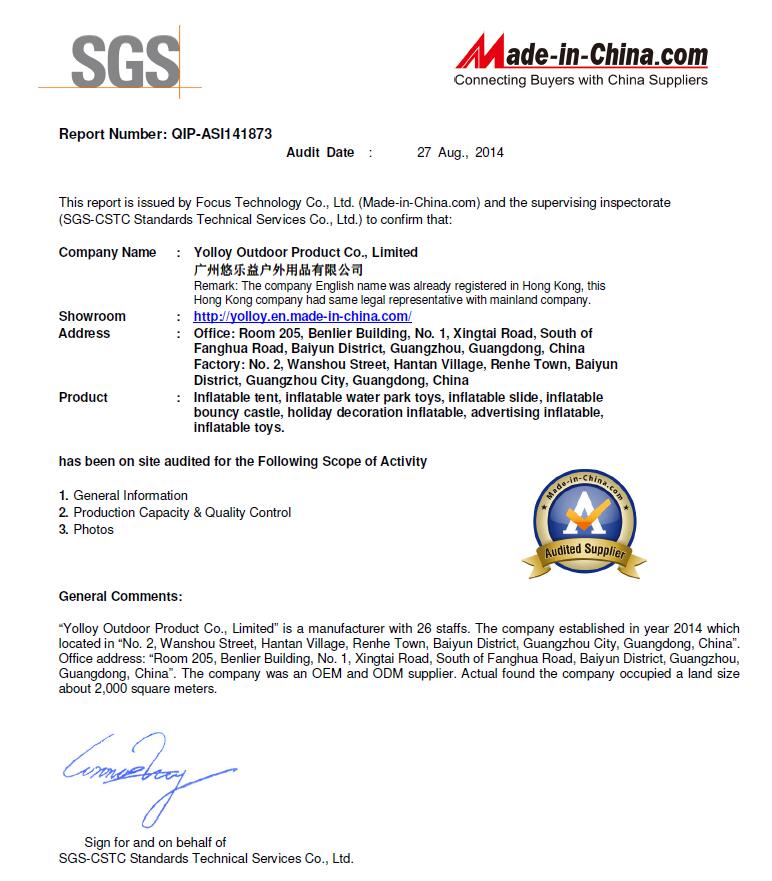
Looking for a reliable inflatable tent manufacturer? Yolloy Outdoor Product Co., Limited specializes in custom inflatable tents, clear domes, party tents, and specialty structures for commercial use. With EN71 and EN14960 certified materials, CE/UL compliant blowers, and a minimum order quantity of just one piece, Yolloy makes it easy to start or expand your inflatable product inventory. Contact the team at
[email protected] or visit
www.yolloy.net to discuss your project requirements and receive a customized quotation.