August 7, 2026 | Yolloy Outdoor Product Co., Limited
When event planners and venue operators think about temporary structures, the image that often comes to mind is a traditional pole-and-canvas marquee — heavy, time-consuming to erect, and visually uninspiring. But a new generation of inflatable canvas tent technology is changing that perception entirely. By combining the classic, premium look of canvas with the rapid-deployment advantages of air-beam engineering, these structures offer a compelling solution for anyone who needs a high-end temporary space that can be set up in minutes rather than hours.
Unlike standard PVC-only inflatables, a canvas-finish tent delivers a more refined, natural aesthetic that fits seamlessly into upscale environments — think garden weddings, luxury brand activations, boutique festival lounges, and corporate hospitality suites. And because the underlying structure relies on pressurized air beams rather than metal poles, the entire unit can be transported in a compact package and inflated on-site by a single operator. This blend of elegance and practicality is why more event professionals are turning to inflatable tent manufacturers who specialize in commercial-grade canvas designs.
What Makes Canvas Different from Standard PVC
The material choice is the defining feature of an inflatable canvas tent. While PVC tarpaulin is the industry standard for water parks, bounce houses, and heavy-duty commercial inflatables, canvas brings a different set of qualities to the table. Canvas fabric — typically a tightly woven cotton or cotton-polyester blend — offers natural breathability, which helps regulate interior temperature and reduce condensation. This makes canvas tents particularly comfortable for extended events where guests spend hours inside.
Canvas also has a matte, textured appearance that photographs beautifully and feels more substantial than glossy PVC. For event planners curating an Instagram-worthy experience, this visual quality matters. The fabric absorbs light softly rather than reflecting it, creating a warm, inviting atmosphere that works equally well for daytime garden parties and evening receptions with ambient lighting. When combined with the structural integrity of commercial-grade air beams, the result is a tent that looks permanent but deploys like a temporary structure.
The Engineering Behind Air-Beam Canvas Tents
The magic of an inflatable canvas tent lies in its air-beam framework. Instead of aluminum or steel poles, the tent uses pressurized tubes integrated into the structure — typically manufactured from high-strength TPU or reinforced PVC bladders encased in the canvas shell. These air beams are inflated using an electric blower, and once pressurized, they create a rigid, self-supporting frame that can withstand wind loads and maintain its shape throughout the event.
Leading inflatable tent manufacturers reinforce these air beams with high-temperature fusion welding at the seams and use precision sewing equipment with waterproof nylon thread for the canvas shell. High-load areas — such as anchor points and beam junctions — receive additional reinforcement. D-ring or round metal anchor systems are integrated into the base for secure installation on grass, pavement, or decking. This engineering approach ensures that the tent remains stable and safe even in challenging outdoor conditions.
Where Inflatable Canvas Tents Excel
Weddings and Private Celebrations
Few events demand as much visual perfection as a wedding. An inflatable party tent with a canvas finish provides the elegant backdrop that couples and wedding planners seek, without the logistical headache of a traditional marquee. The soft, natural texture of canvas complements floral arrangements, fairy lights, and rustic or boho-themed decor far better than glossy PVC ever could. And because the tent inflates in minutes, the setup crew can focus their time on interior styling rather than frame assembly.
Luxury Brand Activations and Pop-Up Retail
High-end brands invest heavily in the aesthetics of their physical presence. A canvas tent communicates quality and craftsmanship before a customer even steps inside — qualities that align perfectly with luxury fashion, premium spirits, artisan food markets, and boutique product launches. The tent can be customized with brand colors, printed logos, and bespoke dimensions to create a branded environment that feels bespoke rather than rented.
Corporate Hospitality and VIP Lounges
At sporting events, music festivals, and conferences, the VIP experience is defined by the quality of the hospitality space. A canvas tent offers superior acoustic properties compared to PVC — the fabric absorbs sound rather than reflecting it, creating a quieter, more intimate atmosphere for conversation and networking. The natural breathability of canvas also means the interior remains comfortable even when packed with guests, reducing the need for additional climate control equipment.
Glamping and Eco-Tourism
The glamping industry has embraced canvas tents as the gold standard for luxury outdoor accommodation. An inflatable version takes this concept further by eliminating the complex pole assembly that traditional canvas safari tents require. Operators can set up a full glamping village in a fraction of the time, and the tents can be deflated and stored compactly during the off-season. The natural material aligns with the eco-conscious branding that many glamping businesses cultivate.
Customization Options That Set Your Tent Apart
One of the strongest arguments for working with a specialized manufacturer is the breadth of customization available. A canvas tent can be designed from a description, a sketch, a photograph, or even a site plan. The design team produces simulation renderings, iterates on the design based on client feedback, and only releases the final version into production after approval. This means you get a product that is truly yours — not an off-the-shelf compromise.
Customization possibilities include:
- Custom dimensions to fit a specific site or capacity requirement
- Choice of canvas color, weight, and weave pattern
- Printed logos, brand graphics, and decorative patterns on the exterior
- Window panels, roll-up sidewalls, and mesh ventilation sections
- Interior attachment points for lighting, draping, and signage
- Blower configurations for 110V, 220V, or 380V power supplies
What to Look for in a Quality Canvas Tent
Not all canvas tents are built to the same standard. When evaluating suppliers, pay close attention to the materials and construction methods. The canvas should be a high-grade, tightly woven fabric — ideally with a water-repellent treatment and UV resistance for outdoor use. The air beams should be made from durable TPU or reinforced PVC with heat-welded seams, not glued. Sewn seams on the canvas shell should use waterproof nylon thread with double or triple stitching at stress points.
Certifications are another important indicator of quality. Look for tents whose materials have passed EN71, EN14960, or RoHS testing, and blowers that carry CE or UL certification. A supplier should also include a repair kit with every order and provide clear guidance on maintenance. The expected service life for a well-maintained commercial canvas tent is typically around three years or more, depending on usage frequency and care.
The Business Case: Why Canvas Makes Financial Sense
A canvas inflatable tent may carry a higher upfront price than a basic PVC alternative, but the return on investment becomes clear when you consider the full picture. Canvas tents command higher rental rates because they are perceived as premium products. Event clients are willing to pay more for the aesthetic and comfort advantages that canvas provides. For a rental business, this means faster payback on each unit.
The operational savings compound the financial case. A tent that inflates in under 15 minutes eliminates the labor cost of a multi-person setup crew. Over a season of 40 or more events, those hours add up to substantial savings. The compact storage footprint of a deflated tent also reduces warehousing costs — a canvas tent packs down to a fraction of its deployed size, freeing up space for additional inventory.
For businesses that ship tents to event locations, the weight and volume advantages of an inflatable structure translate into lower freight costs. Air shipping can deliver a tent anywhere in the world within 5–7 days, while sea freight offers an economical option for larger orders at 15–30 days or more. This logistics flexibility means you can serve clients across multiple regions without maintaining a physical presence in each market.
Ready to Add Premium Canvas Tents to Your Inventory?
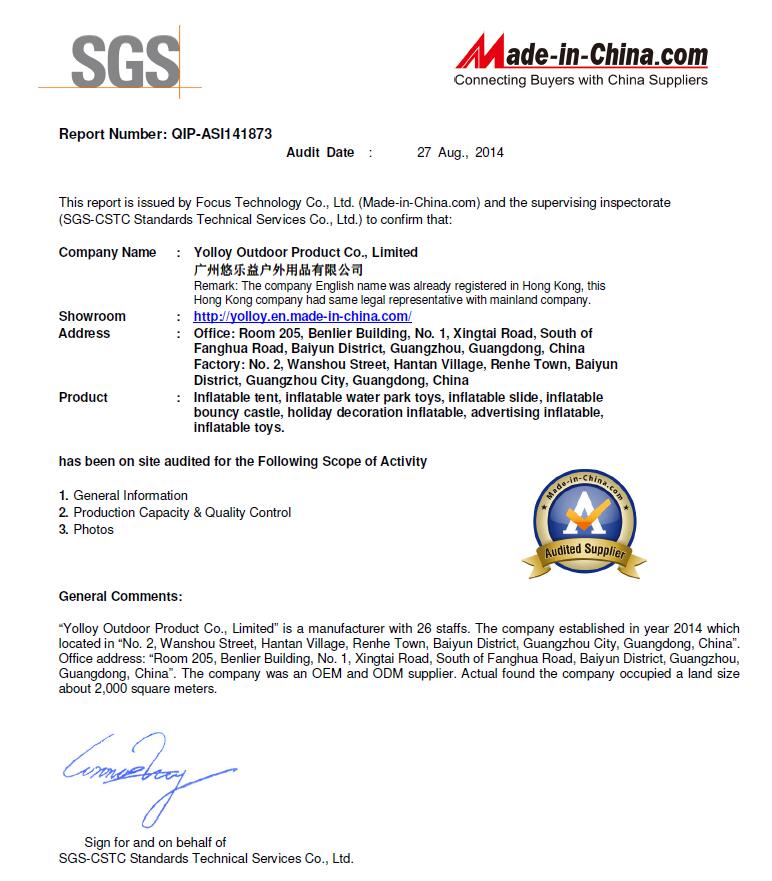
YOLLOY Outdoor Product Co., Limited designs and manufactures custom inflatable canvas tents, event structures, and commercial-grade inflatables from its production base in Guangzhou, China. With a stated 95% on-time delivery rate, a minimum order quantity of just one piece, and materials that have passed EN71, EN14960, and RoHS testing, YOLLOY provides a reliable sourcing solution for event businesses, rental operators, and venue managers worldwide. Every order includes a repair kit and a three-year service life expectation when properly maintained. For inquiries about custom canvas tent designs, pricing, or lead times, reach out at [email protected] or call +86-20-8370 0771.