Products Category
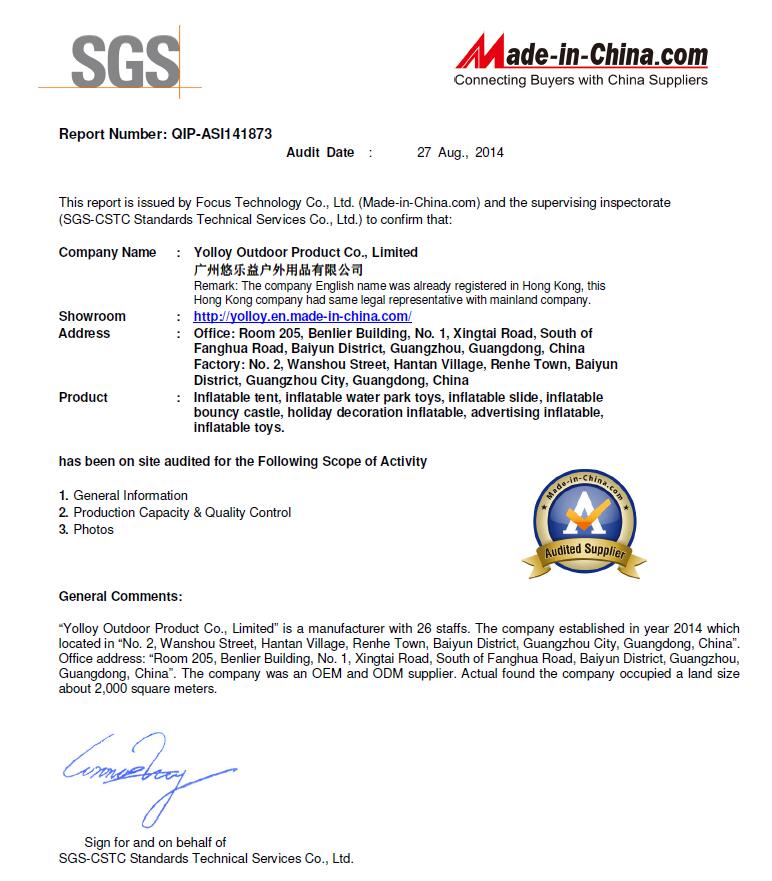
Certification

News

• New Order Successfully Finished for Long-Time Cooperated Japanese Client | YOLLOY Wins Full Client Recognition

• YOLLOY Custom Inflatable Pool Tent for Danish Client: Professional Pool Repair Shelter & Debris Protection

• Trusted Once Again! Greek Captain Re-orders Our Products After 4 Years

• Revolutionize Your Outdoors: The All-Terrain Inflatable Floating Tent for Land & Water

• Elevate Your Summer Fun: The Ultimate Inflatable Water Floating Volleyball Court Trampoline

• Innovative Inflatable Nightclub Tents & Pop-Up Bars: The Ultimate Solution for Portable Party Venues

Contact Us

Name: Sunny Yang
Tel: +86-20-8370 0771
Fax: +86-20-8370 0771
Mobile: 13570587575
E-mail: sales@yolloy.com
Add: No 5,Xiong wei Bo Nan Road,ZhongLuoTan Town,Baiyun district,Guangzhou,China
Friend me on Facebook Follow me on Twitter Add me to your circles Follow me on Pinterest Watch my channel on YouTube
News

Why Inflatable Camping Tents Are Revolutionizing Outdoor Adventures

Author:yolloy Date:2026/7/28 17:08:32
Camping has come a long way from the days of wrestling with poles, stakes, and tangled guy lines in the dark. Today's outdoor enthusiasts expect more — more comfort, more convenience, and more time actually enjoying nature rather than setting up camp. Enter the inflatable camping tent, a game-changing innovation that has quietly transformed how families, event organizers, and adventure seekers experience the outdoors. Whether you are planning a weekend getaway, a glamping business, or a large-scale outdoor festival, understanding what makes inflatable tents different can help you make a smarter investment.
What Exactly Is an Inflatable Camping Tent?
Unlike traditional pole tents that rely on a rigid frame of aluminum or fiberglass rods, an inflatable tent camping setup uses air-filled beams — often called air poles or air tubes — as its structural support. A high-quality electric blower pumps air into these reinforced PVC or TPU beams, and within minutes, the tent stands firm and ready to use. The concept is simple but the engineering behind it is sophisticated: the air beams are designed to maintain consistent pressure, absorb wind loads, and spring back into shape even after being bumped or jostled.
This design eliminates the single most frustrating part of traditional camping — the setup. No more threading poles through narrow sleeves, no more snapping connectors, and no more discovering that one critical pole section was left at home. The entire tent can be inflated by a single person in a matter of minutes, leaving more time for what really matters.
Key Advantages Over Traditional Pole Tents
If you are still on the fence about switching to inflatable, here is a side-by-side comparison that highlights why more campers and businesses are making the move:
Feature Traditional Pole Tent Inflatable Camping Tent
Setup Time 15–45 minutes (two people typical) 3–10 minutes (one person possible)
Portability Bulky pole bags; multiple components Compact when deflated; all-in-one unit
Wind Resistance Rigid poles can snap under stress Air beams flex and absorb gusts
Interior Space Limited by pole geometry Open, unobstructed interior
Repairability Broken poles require replacement Punctures fixed with included repair kit
Weatherproofing Varies by brand and model Commercial-grade PVC with waterproof seams
The flexibility of air beams is a particularly underrated advantage. In strong winds, a traditional pole tent resists until it cannot — and then it snaps. An inflatable tent, by contrast, bends with the wind and bounces back, making it surprisingly resilient in challenging weather conditions when properly anchored with D-ring or round metal anchor systems.
Exploring Different Types of Inflatable Tents
The world of inflatable tents extends far beyond the basic camping shelter. Modern manufacturers offer a wide variety of designs tailored to specific uses. The inflatable dome tent is one of the most popular choices, prized for its aerodynamic shape, spacious interior, and sleek appearance. Dome tents shed wind and rain effectively while providing generous headroom and a clean, contemporary look that suits glamping sites and upscale outdoor events.
Cube and Tunnel Tents
For those who need maximum usable floor space, inflatable cube and tunnel tents are excellent options. Cube tents offer near-vertical walls that make the entire footprint livable — ideal for family camping, outdoor exhibitions, and temporary retail spaces. Tunnel tents provide a long, connected series of compartments, perfect for multi-room camping setups with separate sleeping, living, and storage areas.
Clear Inflatable Dome Tents
One of the most visually striking innovations in the market is the clear inflatable dome tent, also known as a bubble tent or snow globe tent. These transparent shelters offer 360-degree views of the surrounding landscape, making them a favorite for luxury camping, romantic getaways, and star-gazing experiences. They are equally popular for commercial use — restaurants use them for outdoor dining pods, event planners incorporate them into festival setups, and resorts deploy them as premium guest accommodations.
Specialty Tents
Beyond camping, inflatable tent technology finds applications in car tents, party tents, sport tents, emergency shelters, and even inflatable spray booths for automotive detailing and painting. The versatility of the air-beam structure means that a single design concept can be adapted to dozens of use cases, from a backyard birthday party to a mobile medical station in the field.
What to Look for When Choosing an Inflatable Tent
Not all inflatable tents are created equal, and the difference between a budget option and a commercial-grade product becomes apparent quickly. Here are the most important factors to evaluate before making a purchase:
Material Quality
The best tents use commercial-grade PVC tarpaulin, Oxford fabric, nylon, or TPU — materials that balance durability with weight. Look for fabrics that have passed relevant safety and quality tests such as EN71, EN14960, and RoHS. These certifications ensure that the materials are free from harmful substances and can withstand the wear and tear of regular use. Cheaper alternatives often use thinner vinyl that degrades under UV exposure and can crack or peel after a single season.
Construction and Seams
Pay attention to how the tent is put together. High-quality inflatable tents feature precision sewing with reinforced seams, waterproof nylon thread, and additional reinforcement at high-load areas. For airtight sections, manufacturers should use high-temperature fusion or welding equipment rather than simple glue bonding. These construction details directly affect how long the tent will last and how well it will perform in adverse conditions.
Blower and Power Requirements
The blower is the engine of the tent. A certified blower — meeting CE or UL standards — is a must for safe, reliable operation. Make sure the blower is compatible with your local voltage (110V, 220V, or 380V). A quality blower runs quietly, maintains consistent pressure, and is rated for continuous use over extended periods.
Customization Options
If you are buying for a business — whether a rental company, an event venue, or a glamping site — customization is a valuable asset. Leading inflatable tent manufacturers can add your logo, match your brand colors, adjust dimensions to your site requirements, and even create entirely bespoke designs from your sketches or photographs. Customization not only sets your offering apart from competitors but also creates a consistent brand experience that customers remember.
Why Buy Directly from a Manufacturer?
When sourcing inflatable tents, buying directly from the factory offers significant advantages over going through resellers or middlemen. A direct relationship with a manufacturer means better pricing, more customization flexibility, and clearer communication about production timelines and quality standards. It also eliminates the risk of unclear product provenance — you know exactly where your tent was made, with what materials, and to what specifications.
A reputable inflatable camping tents supplier should be transparent about their production process. They should offer design renderings before production begins, provide samples or detailed photos of previous work, and be willing to discuss material certifications and quality control procedures. Look for suppliers that inspect and test every unit before shipping, that supply repair kits with each product, and that stand behind their work with a meaningful warranty — typically three years of expected service life with proper use and maintenance.
Key Questions to Ask Your Supplier
Do your materials meet EN71, EN14960, EN15649, or RoHS standards?
What type of blower is included, and is it CE or UL certified?
Can you provide custom sizes, colors, and printed logos?
What is your typical production time for a standard order?
Do you inspect and test each unit before shipment?
Is a repair kit and spare parts service available?
What is your on-time delivery rate?
Caring for Your Inflatable Tent
Proper care dramatically extends the life of an inflatable tent. After each use, clean the tent thoroughly with mild soap and water, and ensure it is completely dry before packing — trapped moisture is the enemy of PVC and fabric alike. Store the tent in a cool, dry place, ideally in the waterproof PVC bag and protective PE film it was shipped in. Inspect seams, zippers, and air beams regularly for signs of wear, and address small repairs promptly using the included repair kit. With proper maintenance, a well-built inflatable tent can deliver years of reliable service across countless camping trips and events.
Ready to Find Your Perfect Inflatable Tent?
At YOLLOY Outdoor Product Co., Limited, we specialize in designing and manufacturing premium inflatable tents for camping, events, glamping, and commercial use. From classic dome tents and clear bubble tents to fully customized tunnel and cube designs, every product is built with commercial-grade materials, certified blowers, and reinforced construction in our Guangzhou factory. We offer custom design services, competitive factory-direct pricing, and worldwide shipping by air or sea. Whether you need one tent or a full fleet, our team is ready to bring your vision to life.
Contact us today to discuss your requirements and receive a free, no-obligation quote.

Why Inflatable Camping Tents Are Revolutionizing Outdoor Adventures

Author:yolloy Date:2026/7/28 17:08:32

Camping has come a long way from the days of wrestling with poles, stakes, and tangled guy lines in the dark. Today's outdoor enthusiasts expect more — more comfort, more convenience, and more time actually enjoying nature rather than setting up camp. Enter the inflatable camping tent, a game-changing innovation that has quietly transformed how families, event organizers, and adventure seekers experience the outdoors. Whether you are planning a weekend getaway, a glamping business, or a large-scale outdoor festival, understanding what makes inflatable tents different can help you make a smarter investment.
What Exactly Is an Inflatable Camping Tent?
Unlike traditional pole tents that rely on a rigid frame of aluminum or fiberglass rods, an inflatable tent camping setup uses air-filled beams — often called air poles or air tubes — as its structural support. A high-quality electric blower pumps air into these reinforced PVC or TPU beams, and within minutes, the tent stands firm and ready to use. The concept is simple but the engineering behind it is sophisticated: the air beams are designed to maintain consistent pressure, absorb wind loads, and spring back into shape even after being bumped or jostled.
This design eliminates the single most frustrating part of traditional camping — the setup. No more threading poles through narrow sleeves, no more snapping connectors, and no more discovering that one critical pole section was left at home. The entire tent can be inflated by a single person in a matter of minutes, leaving more time for what really matters.
Key Advantages Over Traditional Pole Tents
If you are still on the fence about switching to inflatable, here is a side-by-side comparison that highlights why more campers and businesses are making the move:
Feature Traditional Pole Tent Inflatable Camping Tent
Setup Time 15–45 minutes (two people typical) 3–10 minutes (one person possible)
Portability Bulky pole bags; multiple components Compact when deflated; all-in-one unit
Wind Resistance Rigid poles can snap under stress Air beams flex and absorb gusts
Interior Space Limited by pole geometry Open, unobstructed interior
Repairability Broken poles require replacement Punctures fixed with included repair kit
Weatherproofing Varies by brand and model Commercial-grade PVC with waterproof seams
The flexibility of air beams is a particularly underrated advantage. In strong winds, a traditional pole tent resists until it cannot — and then it snaps. An inflatable tent, by contrast, bends with the wind and bounces back, making it surprisingly resilient in challenging weather conditions when properly anchored with D-ring or round metal anchor systems.
Exploring Different Types of Inflatable Tents
The world of inflatable tents extends far beyond the basic camping shelter. Modern manufacturers offer a wide variety of designs tailored to specific uses. The inflatable dome tent is one of the most popular choices, prized for its aerodynamic shape, spacious interior, and sleek appearance. Dome tents shed wind and rain effectively while providing generous headroom and a clean, contemporary look that suits glamping sites and upscale outdoor events.
Cube and Tunnel Tents
For those who need maximum usable floor space, inflatable cube and tunnel tents are excellent options. Cube tents offer near-vertical walls that make the entire footprint livable — ideal for family camping, outdoor exhibitions, and temporary retail spaces. Tunnel tents provide a long, connected series of compartments, perfect for multi-room camping setups with separate sleeping, living, and storage areas.
Clear Inflatable Dome Tents
One of the most visually striking innovations in the market is the clear inflatable dome tent, also known as a bubble tent or snow globe tent. These transparent shelters offer 360-degree views of the surrounding landscape, making them a favorite for luxury camping, romantic getaways, and star-gazing experiences. They are equally popular for commercial use — restaurants use them for outdoor dining pods, event planners incorporate them into festival setups, and resorts deploy them as premium guest accommodations.
Specialty Tents
Beyond camping, inflatable tent technology finds applications in car tents, party tents, sport tents, emergency shelters, and even inflatable spray booths for automotive detailing and painting. The versatility of the air-beam structure means that a single design concept can be adapted to dozens of use cases, from a backyard birthday party to a mobile medical station in the field.
What to Look for When Choosing an Inflatable Tent
Not all inflatable tents are created equal, and the difference between a budget option and a commercial-grade product becomes apparent quickly. Here are the most important factors to evaluate before making a purchase:
Material Quality
The best tents use commercial-grade PVC tarpaulin, Oxford fabric, nylon, or TPU — materials that balance durability with weight. Look for fabrics that have passed relevant safety and quality tests such as EN71, EN14960, and RoHS. These certifications ensure that the materials are free from harmful substances and can withstand the wear and tear of regular use. Cheaper alternatives often use thinner vinyl that degrades under UV exposure and can crack or peel after a single season.
Construction and Seams
Pay attention to how the tent is put together. High-quality inflatable tents feature precision sewing with reinforced seams, waterproof nylon thread, and additional reinforcement at high-load areas. For airtight sections, manufacturers should use high-temperature fusion or welding equipment rather than simple glue bonding. These construction details directly affect how long the tent will last and how well it will perform in adverse conditions.
Blower and Power Requirements
The blower is the engine of the tent. A certified blower — meeting CE or UL standards — is a must for safe, reliable operation. Make sure the blower is compatible with your local voltage (110V, 220V, or 380V). A quality blower runs quietly, maintains consistent pressure, and is rated for continuous use over extended periods.
Customization Options
If you are buying for a business — whether a rental company, an event venue, or a glamping site — customization is a valuable asset. Leading inflatable tent manufacturers can add your logo, match your brand colors, adjust dimensions to your site requirements, and even create entirely bespoke designs from your sketches or photographs. Customization not only sets your offering apart from competitors but also creates a consistent brand experience that customers remember.
Why Buy Directly from a Manufacturer?
When sourcing inflatable tents, buying directly from the factory offers significant advantages over going through resellers or middlemen. A direct relationship with a manufacturer means better pricing, more customization flexibility, and clearer communication about production timelines and quality standards. It also eliminates the risk of unclear product provenance — you know exactly where your tent was made, with what materials, and to what specifications.
A reputable inflatable camping tents supplier should be transparent about their production process. They should offer design renderings before production begins, provide samples or detailed photos of previous work, and be willing to discuss material certifications and quality control procedures. Look for suppliers that inspect and test every unit before shipping, that supply repair kits with each product, and that stand behind their work with a meaningful warranty — typically three years of expected service life with proper use and maintenance.
Key Questions to Ask Your Supplier
Do your materials meet EN71, EN14960, EN15649, or RoHS standards?
What type of blower is included, and is it CE or UL certified?
Can you provide custom sizes, colors, and printed logos?
What is your typical production time for a standard order?
Do you inspect and test each unit before shipment?
Is a repair kit and spare parts service available?
What is your on-time delivery rate?
Caring for Your Inflatable Tent
Proper care dramatically extends the life of an inflatable tent. After each use, clean the tent thoroughly with mild soap and water, and ensure it is completely dry before packing — trapped moisture is the enemy of PVC and fabric alike. Store the tent in a cool, dry place, ideally in the waterproof PVC bag and protective PE film it was shipped in. Inspect seams, zippers, and air beams regularly for signs of wear, and address small repairs promptly using the included repair kit. With proper maintenance, a well-built inflatable tent can deliver years of reliable service across countless camping trips and events.
Ready to Find Your Perfect Inflatable Tent?
At YOLLOY Outdoor Product Co., Limited, we specialize in designing and manufacturing premium inflatable tents for camping, events, glamping, and commercial use. From classic dome tents and clear bubble tents to fully customized tunnel and cube designs, every product is built with commercial-grade materials, certified blowers, and reinforced construction in our Guangzhou factory. We offer custom design services, competitive factory-direct pricing, and worldwide shipping by air or sea. Whether you need one tent or a full fleet, our team is ready to bring your vision to life.
Contact us today to discuss your requirements and receive a free, no-obligation quote.