When you manage an outdoor events business, operate a tent rental service, or run seasonal venues, the question worth asking is not "which tent works for summer?" — it is "which tent delivers results in every month of the year?" More operators are arriving at the same answer: four season inflatable tents offer a level of versatility, speed, and all-weather reliability that pole-based tents simply cannot match.
What Makes a Four-Season Inflatable Tent Different
Most conventional tents are designed with one season in mind — lightweight fabric for summer festivals, a heavier canvas shell for winter protection. A true four-season inflatable tent takes a fundamentally different approach. Instead of rigid metal or fiberglass poles that fight the wind, these tents use air-beam technology: inflatable tubes that form the structural skeleton. When gusts hit, the frame flexes naturally and then returns to shape, distributing load across the entire shelter rather than concentrating it at a few pole joints.
The construction also goes deeper. Proper four-season models employ a multi-layer build. The outer shell handles rain, UV exposure, and snow loads; inner layers manage insulation and prevent condensation buildup. The result is a shelter that stays warm during winter events, comfortably cool on hot summer afternoons, and reliably dry in wet conditions — all without switching equipment between seasons.
Rapid Setup Without Sacrificing Strength
Anyone who has managed event logistics knows the pain of traditional tent assembly. A crew of workers can spend hours wrestling with steel frames, cross-checking pole labels, and tensioning fabric panels — all before the first guest arrives. Large inflatable tents change that equation completely. Connect an electric blower, switch it on, and within minutes the structure stands fully inflated and ready. This speed translates directly into lower labor costs, shorter setup windows, and the ability to handle back-to-back bookings that would be impossible with conventional tents.
And quick setup does not mean flimsy construction. Reputable inflatable tent manufacturers build their products with commercial-grade PVC tarpaulin, precision-sewn seams with waterproof nylon thread, and high-temperature fusion welding for airtight compartments. Materials in well-made tents have passed independent testing against standards such as EN71, EN14960, and RoHS. Load-bearing areas receive extra reinforcement, and anchor systems — typically D-ring or round metal fixtures — keep the structure secure even in sustained wind.
The Business Case: Why Event Operators Are Switching
For rental companies, event planners, and venue operators, the math behind a four-season inflatable tent is compelling:
- Higher utilization. A tent that performs in a December snowstorm and a July heatwave earns revenue across all twelve months, not just the peak summer season. The return on investment arrives faster.
- Lower transport costs. When deflated, inflatable tents pack down to a fraction of their operating size. They fit into manageable carry bags, travel in standard vehicles, and take up minimal warehouse space between bookings.
- Smaller crew requirements. Tasks that once demanded a full setup team can often be handled by two or three people with a blower — a meaningful saving on labor for every event.
- Built-in visual appeal. The distinct architecture of dome, cube, and tunnel-shaped inflatables naturally draws attention. For brand activations, corporate hospitality suites, and festival VIP lounges, the tent itself becomes part of the attraction.
Real-World Applications Across the Calendar
A well-engineered inflatable tent adapts to vastly different use cases. Here are a few scenarios where year-round capability proves essential:
Winter Markets and Holiday Festivals
Clear inflatable dome tents create enclosed, weather-protected spaces where visitors browse artisan stalls and enjoy seasonal food and drink without braving the cold. Transparent walls flood the interior with natural daylight and offer unobstructed stargazing at night — an atmosphere that pole tents with opaque roofs cannot replicate.
Spring-to-Fall Outdoor Dining
Restaurants and hotels use inflatable party tents to expand dining capacity into gardens, terraces, and rooftops. When temperatures drop in autumn, the same tent accommodates portable heaters seamlessly. No seasonal swap-out required.
Emergency Response and Relief Operations
When speed matters most, inflatable shelters deploy in under ten minutes and serve as medical triage units, temporary housing, or field command centers — regardless of whether conditions are scorching, freezing, or wet. Military and humanitarian organizations value the combination of rapid inflation, compact transport, and structural reliability.
Sports Training and Golf Simulators
Inflatable sport tents provide covered environments for golf simulators, soccer clinics, and training activities that need protection from sun, wind, or snow. The enclosure can stay up year-round, maintaining consistent conditions for athletes and equipment.
Glamping and Luxury Outdoor Hospitality
Glamping operators depend on accommodations that keep guests comfortable through spring showers, summer heat, autumn winds, and winter chill. Inflatable bubble tents and dome tents deliver immersive outdoor experiences without asking guests to compromise on comfort.
Customization: A Tent Built to Your Specifications
One of the sharpest advantages inflatable tents hold over off-the-shelf alternatives is the depth of customization available. A custom inflatable tent can be built around your specific needs rather than forcing you to adapt your plans to a standard product. Custom options include:
- Dimensions tailored to your venue's footprint — no wasted space
- Full-color printing of logos, graphics, and brand elements
- Material selection matched to your climate: PVC tarpaulin, Oxford fabric, nylon, or TPU
- Blower voltage configured for 110V, 220V, or 380V — compatible with local power wherever you operate
- Door layouts, window configurations, ventilation panels, and flooring options designed for your workflow
This level of personalization means the tent does not just perform — it also looks exactly the way you envision, strengthening your brand presence at every deployment.
What Separates a Quality Manufacturer from the Rest
Not all inflatable tents are built to the same standard. When you are evaluating potential suppliers, pay attention to these factors:
Material Integrity
High quality inflatable tents begin with verifiable materials. Ask whether the PVC tarpaulin, thread, and fabric layers have passed independent safety testing against recognized standards. Reinforced seams at all load-bearing connection points are non-negotiable.
Manufacturing Process
The gap between a tent that survives three seasons and one that lasts three years often comes down to construction quality. Precision sewing machines, high-temperature fusion welding for airtight sections, and thorough post-production inspection separate professional-grade products from budget alternatives.
Order Flexibility
Many factories enforce high minimum order quantities. A supplier that accepts a minimum order of one piece lets you test the product firsthand before scaling up — a critical advantage for smaller businesses and first-time buyers evaluating quality.
After-Sales Support
Every purchase should include a repair kit. The manufacturer should respond to inquiries within 24 hours and provide straightforward guidance on maintenance, proper storage, and warranty terms.
Delivery Track Record
Whether you choose air freight (5–7 days transit) or sea freight (15–30+ days), a dependable supplier maintains a consistently high on-time delivery rate and packs products with care — soft carpet protection, waterproof PVC inner bags, and durable outer packaging.
Simple Habits That Protect Your Investment
A four-season inflatable tent is a capital asset, and a few straightforward care practices go a long way. Always dry the tent completely before packing it away. Periodically inspect seams, zippers, and anchor points for signs of wear. Operate the blower at the correct voltage and avoid overinflation. Keep the included repair kit accessible for quick fixes on minor punctures or seam separations. With these habits, a well-made inflatable tent delivers reliable service for three years or more — maximizing the value of every dollar you put into it.
The outdoor event industry rewards operators who can say "yes" to bookings in any season, deploy quickly with lean crews, and trust their equipment to hold up under real-world conditions. A four-season inflatable tent checks all three boxes — and when it is built by an experienced manufacturer that prioritizes materials, testing, and service, it becomes one of the most dependable tools in your inventory.
Ready to discuss your project?
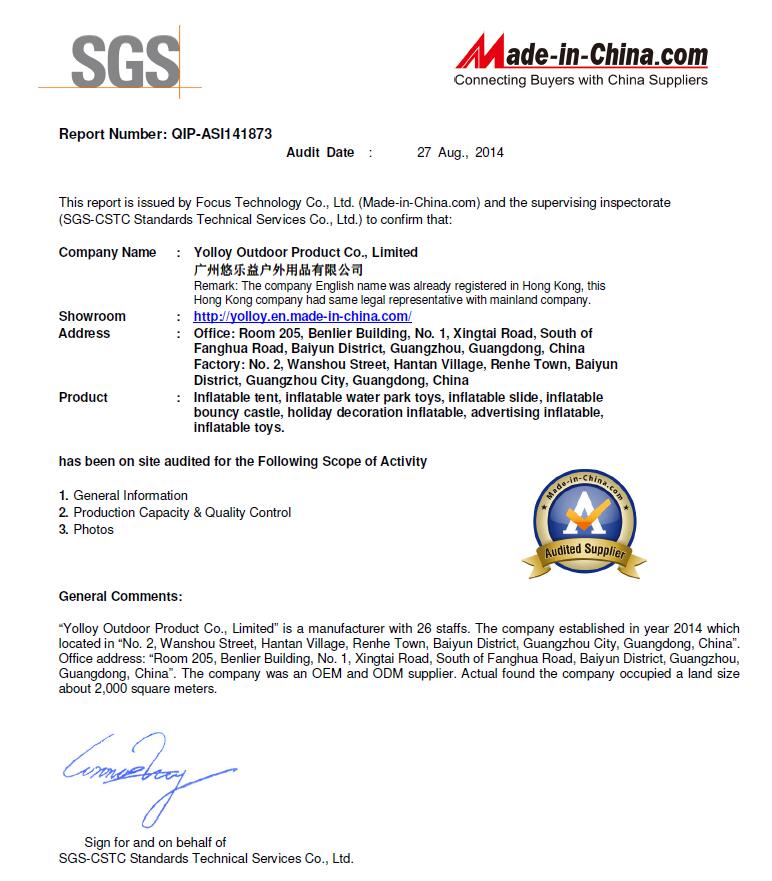
Whether you need a clear dome for winter dining, a large party tent for summer festivals, or a fully custom-branded shelter that works across every season, a design-to-production service with worldwide shipping is within reach. Reach out with your ideas — including drawings, sketches, photos, or site plans — and get a proposal built around your requirements.
Contact YOLLOY Today