Golf simulators have transformed from a luxury novelty into a mainstream training tool. Whether you are a teaching professional, a commercial venue operator, or a home golfer looking to practice year-round, the quality of your enclosure directly determines the quality of your experience. For years, the go-to option has been a DIY metal-frame enclosure — functional, but far from perfect. Today, a growing number of buyers are turning to a more flexible, portable, and practical alternative: the inflatable golf simulator tent.
The Hidden Costs of Traditional Enclosures
Building a metal-frame golf simulator enclosure at home sounds straightforward on paper. You source metal conduit pipes, cut them to size, assemble corner connectors, attach netting or blackout fabric, and mount an impact screen. In reality, the process demands a level of DIY skill, a collection of specialized tools — a metal saw, wrenches, bungees, and safety equipment — and a substantial time investment. One misaligned cut can derail the entire project.
Space is another constraint. A traditional enclosure is a semi-permanent structure. Once built, it occupies a fixed footprint. If you need to relocate it, disassemble it for an event, or move it between rooms, you are looking at hours of work. For commercial operators — golf coaches who travel to corporate events, entertainment venues hosting pop-up experiences, or training centers that reconfigure spaces — this rigidity is a dealbreaker.
Cost also adds up quickly. Between pipes, connectors, impact screens, netting, fabric, foam padding, and flooring, a DIY enclosure can easily run into the thousands of dollars. And that is before factoring in the value of your own time.
What Is an Inflatable Golf Simulator Tent?
An inflatable golf simulator tent is a self-contained, air-supported structure designed specifically for golf simulation. It uses a continuous air blower system to maintain its shape and rigidity. Unlike a metal frame, there are no poles to assemble, no screws to tighten, and no complicated angle joints to align. The tent inflates in minutes, providing a fully enclosed, light-controlled environment optimized for projection-based golf simulation.
These tents are built from commercial-grade PVC tarpaulin and Oxford fabric — materials that withstand repeated use, resist tearing, and block external light for better projection visibility. The structure includes a built-in impact screen mounted via heavy-duty Velcro, removable net windows for ventilation, and integrated D-ring anchor points for outdoor stability.
Five Reasons an Inflatable Enclosure Outperforms a Fixed Frame
1. Setup in Minutes, Not Hours. Inflate the tent, attach the blower, and you are ready to play. Teardown is just as fast — deflate, fold, and pack into a carrying bag. For event operators who set up and strike down multiple times a week, this speed translates directly into saved labor costs.
2. True Portability. An inflatable tent packs down into a compact package that fits in a vehicle trunk. This makes it ideal for golf coaches who offer mobile lessons, tournament organizers who need temporary practice bays, and entertainment companies running pop-up golf experiences at festivals and corporate events.
3. No Tools, No Construction Skills. There is no cutting, no drilling, and no measuring. The tent arrives ready to use. This eliminates the barrier to entry that prevents many golfers from building their own enclosure.
4. Built-In Light Control. Projection-based golf simulators require a controlled lighting environment. An inflatable tent with opaque walls naturally blocks ambient light, delivering better contrast and image quality than many open-frame setups that rely on added blackout curtains.
5. Versatility Across Applications. Beyond personal use, an inflatable enclosure works for commercial driving ranges adding simulator bays, golf retailers offering demo experiences, hospitality venues creating entertainment zones, and schools introducing golf programs without permanent construction.
Key Features to Look For in an Inflatable Golf Simulator Tent
Not all inflatable enclosures are built to the same standard. When evaluating options, pay attention to the following details:
- Screen attachment system. Look for a double-layer hitting screen with a wide Velcro strip (at least 50mm) along the front edge of the inflatable structure. This allows secure attachment and easy removal for cleaning or replacement.
- Projector mounting options. A quality tent should support both ceiling-mounted and floor-mounted projector configurations, giving you flexibility based on your projector model and throw distance.
- Ventilation and visibility. Removable net windows on the sides provide airflow during extended sessions and allow observers to watch from outside — a useful feature for coaching and commercial settings.
- Stability features. D-ring anchor points with ropes, plus the option to use sandbags or water bags, ensure the tent remains stable in outdoor conditions. The tent's own weight also contributes to stability.
- Material quality. Commercial-grade PVC tarpaulin with reinforced seams and waterproof nylon thread ensures durability across repeated inflation cycles. High-temperature fusion welding on airtight sections prevents air leakage.
- Customization. As a professional custom inflatable tent solution, the enclosure should be available in custom sizes, colors, and with your logo or branding printed directly on the fabric — a critical feature for commercial operators.
Commercial Applications: Beyond the Home Setup
While home golfers benefit from the convenience of an inflatable enclosure, the real value proposition shines in commercial settings. A golf teaching professional can pack an entire simulator bay into a vehicle, drive to a corporate event, and have a fully operational practice station ready within 20 minutes of arrival. Indoor golf centers can add seasonal capacity without construction permits or permanent modifications to their leasehold.
Event companies offering golf-themed entertainment at weddings, trade shows, and festivals find that an inflatable tent creates an instantly recognizable attraction. The enclosure itself becomes part of the visual draw — guests see the structure and are drawn to investigate. For brands activating at golf tournaments, a custom-printed tent serves double duty as both a functional simulator bay and a branded activation space.
Golf retailers and pro shops can use an inflatable simulator tent to offer club fitting and demo days in parking lots, on sidewalks, or at driving ranges — anywhere with a flat surface and access to power. This flexibility allows businesses to reach customers where they are, rather than waiting for them to visit a permanent location.
What to Ask Your Manufacturer
When sourcing an outdoor inflatable tent for golf simulation, ask the following questions to ensure you receive a product that meets your needs:
- Can the tent be customized to my specific dimensions, including width, depth, and height requirements based on my launch monitor and projector specifications?
- What blower voltage options are available? Can you supply 110V, 220V, or 380V blowers to match the electrical standards in my country?
- What materials are used, and have they passed relevant safety testing such as EN71 or RoHS?
- Is a repair kit included, and what is the expected service life of the product under normal use?
- What is the production lead time? For a standard inflatable product, typical production times range from 6 to 15 days, excluding transit.
- Can my logo, branding, or custom artwork be printed on the tent exterior?
The Bottom Line
The golf simulator market continues to grow, and with it, the demand for enclosures that are practical, portable, and professional. A metal-frame DIY enclosure still has its place for permanent home installations, but for anyone who values mobility, quick setup, and commercial versatility, an inflatable golf simulator tent is the smarter investment.
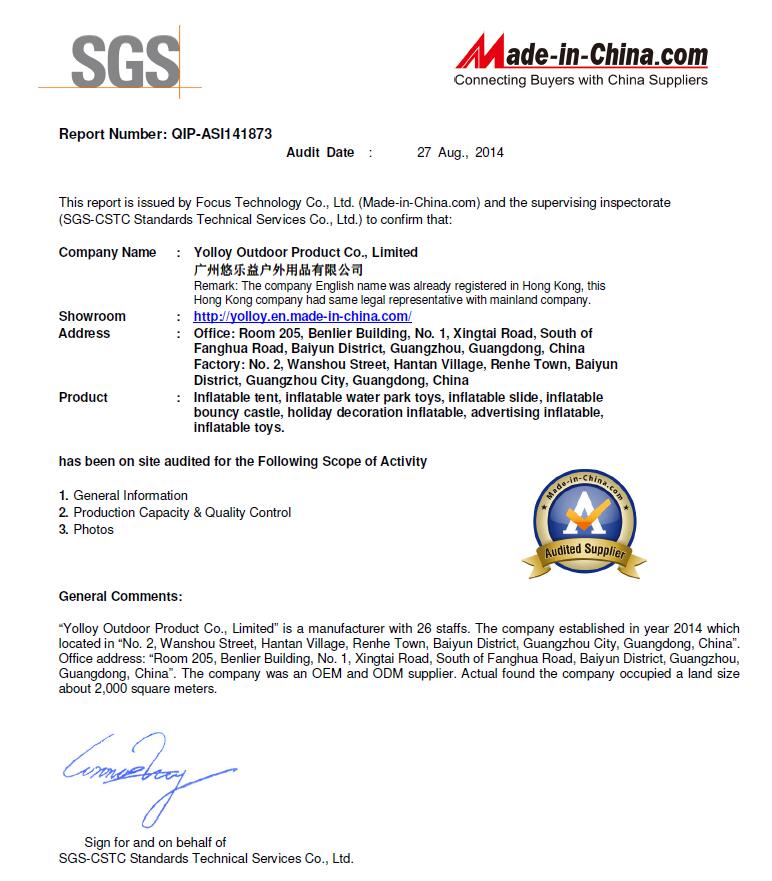
As a trusted inflatable tent manufacturer based in Guangzhou, China, YOLLOY designs and produces custom inflatable enclosures that combine commercial-grade materials, precision manufacturing, and flexible customization options. Whether you need a single unit for personal use or a fleet of branded tents for a commercial operation, the company's design-to-production workflow ensures your specifications are met — from initial concept rendering to final factory inspection before shipment.
Ready to explore an inflatable golf simulator tent for your setup? Contact YOLLOY today to discuss your requirements. With custom sizing, color options, logo printing, and blowers configured for your local voltage, you can get a purpose-built enclosure that fits your space and your brand. Reach out at [email protected] or visit the product page to learn more.