






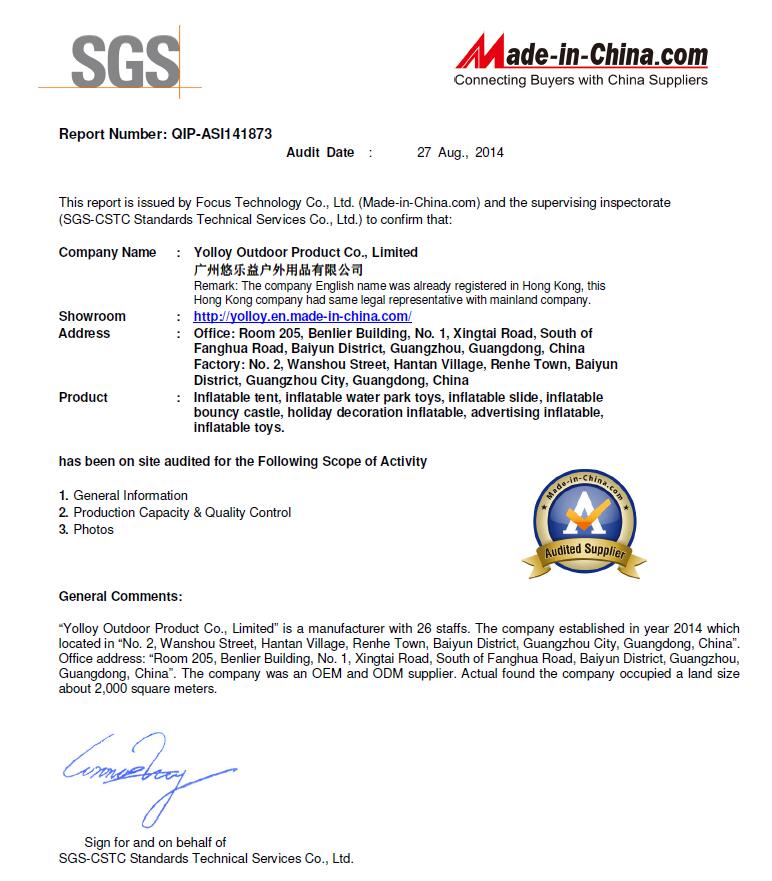



You've made an amazing investment in fun, function, or both! Whether it's a sprawling water park bringing joy to hundreds, a magical bubble tent for unique getaways, or a professional-grade spray booth for your business, your Yolloy inflatable is built to last. But like any high-quality equipment, its longevity and peak performance depend on proper care. We're not just here to sell you a product; we're here to ensure you get the most out of it for years to come.
This guide is your new best friend for post-purchase care. We'll walk you through everything from general cleaning to specialized maintenance for different types of inflatables. Think of it as the ultimate owner's manual, written by the people who designed and built your product with passion and precision.
It Starts with Quality: The Yolloy Foundation
Before we dive into cleaning and storage, let's talk about why maintenance on a Yolloy product is more effective. The secret isn't just in how you care for it, but in what it's made of. Our guiding principle has always been to "Provide customers with professional and qualified products." This isn't just a slogan; it's the blueprint for everything we create.
We obsess over materials. For most of our inflatables, especially those destined for heavy use, we use a top-tier waterproof and fire-resistant PVC tarpaulin. This material is incredibly durable, resistant to tears and abrasions, and—crucially—it meets the EN71 safety standard. This means it's built to withstand the elements and the rigors of enthusiastic use.
For our water products, like the DWF floating platforms and yacht pools, we take it a step further. We utilize an eco-friendly TPU material. Why is this important? TPU is non-toxic, odorless, and highly resistant to hydrolysis (breakdown from water exposure). It won't become brittle or discolored from sun and water, making it the perfect choice for aquatic environments. This superior material choice means less worry about degradation and a surface that's easier to keep clean and hygienic.
Our strict manufacturing process, from the initial design mock-up to the final stitch, follows rigorous quality control. This means seams are stronger, anchor points are more secure, and the overall structure is more robust. When you start with a product built this well, your maintenance efforts aren't about compensating for poor quality; they're about preserving excellence.
The Universal Rules: Maintenance 101 for All Yolloy Inflatables
No matter what type of Yolloy inflatable you own, these fundamental principles of care apply across the board. Mastering these basics is 90% of the battle in keeping your product in pristine condition.
1. The Golden Rule: Clean and THOROUGHLY Dry
If you remember only one thing from this guide, let it be this: never, ever store an inflatable while it is wet or even slightly damp. Moisture is the number one enemy. It leads to mold, mildew, and fabric degradation. This not only creates unpleasant odors and stains but can permanently damage the material's integrity.
- Cleaning Process: For general dirt and grime, a simple solution of mild soap (like dish soap) and water is all you need. Use a soft cloth or sponge. Avoid abrasive scrubbers, pressure washers on high settings, and harsh chemicals like bleach or ammonia, as they can strip the material's protective coatings and weaken the fabric.
- Rinsing: After washing, rinse the inflatable thoroughly with clean water to remove all soap residue.
- Drying Technique: The best method is to let it air dry completely in a shaded, breezy area. You can leave it partially inflated to help air circulate into crevices. Use soft, dry towels to wipe down seams, corners, and any areas where water might pool. Feel every inch of the surface. If it feels cool to the touch, it's likely still damp. Wait until it's completely dry and at ambient temperature.
2. Regular Inspections are Key
Get into the habit of giving your inflatable a quick look-over before and after each use. It's much easier to fix a small issue before it becomes a big one.
- Check for Punctures: Look and listen for any small holes or air leaks. A spray bottle with soapy water can help you find tiny punctures – just spray a suspected area and look for bubbles.
- Examine Seams: Pay close attention to the seams, especially in high-stress areas. Look for any signs of thread pulling or separation. Our quality control is tight, but extreme use can test any product.
- Inspect Anchors and Zippers: Check all D-rings, straps, and anchor points for wear and tear. Ensure zippers are clean and functioning smoothly. A bit of zipper lubricant can go a long way.
3. Smart Storage Saves Lives (of Inflatables)
Once your inflatable is sparkling clean and bone-dry, it's time to store it properly.
- Fold, Don't Cram: Gently deflate the unit, ensuring all air is expelled. Fold it neatly and loosely. Avoid sharp creases, as folding it the exact same way every time can create stress points. Try to vary your folding pattern slightly.
- Choose the Right Spot: Store the inflatable in its provided storage bag in a cool, dry, and clean environment. A garage shelf or a climate-controlled storage unit is ideal. Avoid damp basements or hot attics.
- Protect from Pests and Sharp Objects: Keep it off the ground to protect it from rodents, which might chew on the material. Ensure it's stored away from sharp tools, garden equipment, or anything that could cause a puncture.
Specialized Care: Water Products Edition
Your giant inflatable water park , yacht pool, or floating platform requires a bit of extra attention due to its constant contact with water, sun, and potential chemicals like chlorine or salt.
The thrill of a huge commercial inflatable water park is undeniable, but its scale also means maintenance needs to be systematic. The key is a consistent post-use routine.
Post-Use Rinse Down
After every use, especially in saltwater or a chlorinated pool, a thorough rinse with fresh water is non-negotiable. Salt and chlorine are corrosive and can degrade the TPU or PVC material and stitching over time if left to dry on the surface. This single step can dramatically extend the life and vibrant color of your water toy.
Battling Biofilm and Algae
If your inflatable stays in the water for extended periods, you might notice a slippery, slimy layer (biofilm) or green spots (algae) starting to form.
- Regular Wipedown: For minor buildup, a simple wipe-down with a soft cloth while the product is still in the water can be effective.
- Deep Cleaning: For more stubborn spots, pull the inflatable out of the water. Use a soft-bristle brush and a solution of water and vinegar or a specialized, eco-friendly inflatable boat cleaner. Test any cleaner on a small, inconspicuous area first. Scrub gently and rinse thoroughly.
The Challenge of Drying Large Water Structures
Drying a massive inflatable water park can seem daunting, but it's manageable with a plan.
- First, use towels to remove as much standing water as possible, paying special attention to seams and crevices.
- Next, inflate the structure about halfway on a dry, clean surface (like a tarp or clean pavement) on a sunny, low-humidity, and slightly breezy day. The air and sun are your best tools.
- Flip the inflatable over after a few hours to ensure the underside also dries completely.
- Before the final fold, walk around and feel all the nooks and crannies. A leaf blower on a low, no-heat setting can be a fantastic tool to blast hidden water out of tight spots.
| Quick Guide: Water Inflatable Do's & Don'ts | |
|---|---|
| DO: Rinse with fresh water after every use, especially in salt or chlorine. | DON'T: Use a high-pressure washer, which can damage seams. |
| DO: Dry completely in the sun and air before storing. | DON'T: Fold and store it while even slightly damp. Mold is your enemy! |
| DO: Use soft cloths and mild, eco-friendly cleaners for algae. | DON'T: Use harsh chemicals like bleach or abrasive scouring pads. |
| DO: Regularly inspect anchor points and valves for wear. | DON'T: Ignore small leaks or wear and tear; they can become big problems. |
Specialized Care: Land-Based & Commercial Inflatables
From whimsical tents to hardworking industrial shelters, your land-based Yolloy products have their own unique maintenance needs.
A. Outdoor & Leisure Tents (Bubble Tents, Snow Globes)
Products like our transparent bubble tents and the magical inflatable snow globe tent are all about the visual experience, so keeping them crystal clear is a top priority.
- Crystal Clear Cleaning: The transparent PVC sections are prone to smudges and scratches. Always use a microfiber cloth. Paper towels or regular rags can be surprisingly abrasive and leave micro-scratches that dull the surface over time. A gentle cleaning solution of water with a tiny drop of dish soap is sufficient. For a streak-free finish, you can use a second, dry microfiber cloth to buff the surface.
- Managing Internal Elements: For an inflatable snow globe tent , ensure the "snow" or other decorative elements are clean and dry before use. After deflation, carefully collect these elements to prevent them from getting ground into the tent material during folding.
- Ground Contact: Always use a ground tarp or groundsheet beneath your tent. This protects the floor from punctures, dirt, and moisture, making cleanup significantly easier.
- Weather Awareness: While built tough, these are still inflatables. Pay attention to weather forecasts. In high winds, it is always safest to deflate the structure to prevent damage from excessive strain on anchor points or from flying debris.
B. Industrial & Commercial Use (Paint Booths, Work Tents)
An inflatable paint booth or car detailing tent is a workhorse. It faces different challenges, such as paint overspray, chemical exposure, and daily wear and tear. Proper maintenance ensures a safe, clean working environment and protects your investment.
The mobility and efficiency of an inflatable paint booth revolutionizes on-site work. Keeping its surfaces clean and its filtration system clear is vital for professional results and worker safety.
- Dealing with Overspray: The best defense is a good offense. Use disposable plastic sheeting on the floor and walls for heavy-duty jobs to catch the bulk of the overspray. For any paint that does get on the PVC, it's best to clean it while it's still fresh, if possible. Check with your paint manufacturer for recommended solvents that are safe for PVC tarpaulin. Always test a solvent on a hidden area first. Isopropyl alcohol can be effective on many types of paint without harming the PVC.
- Ventilation System Care: This is critical for both safety and performance. Regularly inspect and clean or replace the air filters as recommended. Clogged filters reduce airflow, compromise the quality of your paint job, and can put a strain on the fan motor. Keep the fan blades and housing clean from dust and paint buildup.
- Floor Durability: The floor of a work tent sees the most abuse. Regularly sweep or vacuum out debris. Clean up any chemical or oil spills immediately to prevent material degradation. Our innovative product pipeline, including future items like the "space-saving inflatable car wash mat," is designed with this kind of heavy-duty, easy-clean functionality in mind.
The Yolloy Repair Guide: Fixing Minor Issues Like a Pro
Even with the best care and highest quality materials, accidents can happen. A sharp rock or a forgotten tool can cause a small puncture. The good news is that most minor repairs are simple and can be handled easily by you. Your Yolloy inflatable likely came with a patch kit for this very reason.
Step-by-Step Puncture Repair:
- Locate the Leak: Inflate the product. Listen for the hiss of escaping air. If you can't find it by ear, spray the suspected area with soapy water and look for bubbles. Once you find it, circle the hole with a marker.
- Prep the Area: Deflate the item. Thoroughly clean the area around the puncture with a bit of rubbing alcohol on a cloth. This removes any dirt, oils, or soap residue and ensures the adhesive will form a strong bond. The area must be completely dry before proceeding.
- Cut the Patch: Cut a piece of the patch material from your repair kit. It should be circular or have rounded corners (to prevent peeling) and extend at least one inch beyond the hole in all directions.
- Apply Adhesive: Apply a thin, even layer of the provided adhesive to both the patch and the area around the hole. Let the glue sit for a few minutes until it becomes tacky to the touch (follow the specific instructions on your adhesive).
- Apply the Patch: Carefully press the patch over the hole, ensuring it's flat and smooth. Use a smooth, hard object (like the back of a spoon) to press down firmly from the center outwards, pushing out any air bubbles.
- Cure and Test: Let the patch cure for the recommended time, which is often 24 hours. Do not inflate the item during this time. After it has fully cured, inflate it and check your repair to ensure it's airtight.
For larger tears, seam separations, or any damage you're not comfortable fixing, remember that our team is here to support you. Our commitment to service means we respond to customer inquiries within 24 hours, ready to provide the guidance you need to get your product back in action.
A Partnership in Excellence
At Yolloy, our relationship with you doesn't end at the point of sale. We see it as the beginning of a long-term partnership. Our industry-leading 95% on-time delivery rate and our transparent custom design process—where you approve mock-ups every step of the way—are just the start. We are constantly innovating, with exciting new products like "anti-snow tunnel tents" and "inflatable light pillars" on the horizon for 2025, pushing the boundaries of what's possible with inflatables.
By investing in a Yolloy product, you've chosen quality, safety, and innovation. By following these maintenance guidelines, you are empowering yourself to protect that investment. Proper care ensures your inflatable will continue to perform flawlessly, look fantastic, and bring value—whether that's through business operations or pure, unadulterated fun—for a long, long time.