Camping has evolved dramatically over the past decade. Gone are the days when pitching a tent meant wrestling with a tangled mess of aluminum poles, squinting at confusing instruction manuals, and spending 30 minutes of your precious outdoor time on assembly. Today, inflatable camping tent technology is reshaping how families, event organizers, and outdoor enthusiasts approach shelter in the wild. With air-beam construction replacing traditional pole systems, these tents offer a blend of speed, strength, and simplicity that conventional designs simply cannot match.
Whether you are planning a weekend family getaway, organizing a commercial outdoor event, or sourcing products for your rental business, inflatable tents for camping represent a smart investment. They inflate in minutes with an electric pump, pack down into compact carrying bags, and deliver structural integrity that withstands wind and weather far better than most people assume. In this guide, we will walk through everything you need to know about inflatable camping tents — from how they work and what to look for when buying, to why sourcing from specialized inflatable tent manufacturers makes all the difference.
How Inflatable Camping Tents Work
At their core, inflatable tents replace traditional metal or fiberglass poles with air-filled beams. These beams — typically made from high-strength TPU (thermoplastic polyurethane) bladders encased in durable fabric sleeves — are inflated using a manual or electric pump. Once pressurized, the air beams become rigid structural supports that hold the tent upright.
The inflation process is remarkably straightforward. A standard electric pump connects to a valve on the tent and fills the beams to the recommended pressure — usually in two to five minutes, depending on the tent size. Deflation is even faster: simply open the valve, and the air rushes out, allowing the tent to collapse flat for packing. This means a single person can set up a large family-sized tent without assistance, no pole threading or muscle power required.
Key advantage: Unlike pole tents, inflatable tents have no rigid components that can snap, bend, or permanently deform under stress. The air beams flex and absorb wind gusts, then return to their original shape — a feature that significantly extends the tent's service life.
Why Choose an Inflatable Tent Over a Traditional Pole Tent?
If you have ever camped with a traditional tent, you know the routine: spread the footprint, assemble the poles, thread them through endless fabric sleeves, bend and clip, and hope nothing snaps. Inflatable tents eliminate all of that. Here are the main reasons campers and businesses are making the switch:
1. Setup Speed That Changes the Game
An inflatable tent can go from carry bag to fully pitched in under five minutes. For families arriving at a campsite after dark, event planners setting up multiple shelters, or rental operators who need to deploy quickly, this speed is not just convenient — it is a competitive advantage. Simply stake the base, turn on the pump, and watch the tent rise.
2. Superior Wind Resistance
It may seem counterintuitive, but inflatable beams actually outperform rigid poles in windy conditions. Because air beams are flexible, they bend with the wind rather than fighting against it. A pole tent hit by a strong gust transfers that force to its joints and connectors — the most common failure points. An inflatable tent, by contrast, distributes the load across the entire beam structure, recovering its shape as soon as the gust passes. Combined with proper anchoring using D-ring or round metal anchor systems, these tents remain stable in conditions that would challenge traditional designs.
3. Compact Storage and Portability
When deflated, the entire tent — including its integrated air beams — folds down into a compact package that fits easily in a car trunk. There are no long poles to store separately or awkwardly shaped bags to wrestle into your vehicle. For commercial buyers who need to transport multiple units, this space efficiency translates directly into lower logistics costs.
4. No Broken Poles, No Hassle
Anyone who has snapped a tent pole on a remote camping trip knows the sinking feeling that follows. Inflatable tents eliminate this failure mode entirely. The air beams cannot break, crack, or splinter. Even if a bladder develops a leak, the tent remains functional for the duration of a trip, and repairs are straightforward with a repair kit — which is typically supplied with every purchase.
Types of Inflatable Camping Tents
The inflatable tent market has diversified significantly. Understanding the different types helps match the right tent to your specific needs:
Family Camping Tents
Designed for recreational camping with 4 to 10+ person capacities, these tents prioritize interior space, standing headroom, and ventilation. Many feature multiple rooms, large windows with mesh screens, and separate sleeping compartments. The air beam construction means families can set up a spacious home-away-from-home in minutes, leaving more time for hiking, fishing, and gathering around the campfire.
Commercial Event Tents
For businesses, event organizers, and rental companies, commercial-grade inflatable tents offer a professional appearance with rapid deployment. These tents are built with heavier-duty materials, reinforced seams, and high-output blowers. They serve as exhibition booths, wedding pavilions, outdoor dining areas, brand activation spaces, and emergency shelters. Custom branding — including logos, colors, and artwork — can be printed directly on the tent surface.
Specialty and Multi-Purpose Tents
Beyond standard camping, inflatable tents serve a wide range of niche applications. Inflatable dome tents provide panoramic views for glamping and stargazing. Inflatable party tents create instant celebration spaces. Car tents, garage tents, and workshop tents offer portable shelter for automotive work and equipment storage. The versatility of air-beam construction means the same core technology can be adapted to almost any shape or purpose.
What to Look for When Buying an Inflatable Camping Tent
Not all inflatable tents are created equal. Here are the critical factors to evaluate before making a purchase:
Material Quality
The fabric and bladder materials determine how long your tent will last. Commercial-grade PVC tarpaulin is the standard for durability, offering excellent tear resistance, waterproofing, and UV protection. For lighter applications, Oxford fabric, nylon, and TPU are common alternatives. Look for materials that have passed relevant safety and quality testing — certifications such as EN71, EN14960, and RoHS compliance indicate that the materials meet established standards for safety and environmental responsibility.
Construction and Seams
Examine how the tent is put together. High-quality inflatable tents use precision sewing equipment with reinforced seams, waterproof nylon thread, and additional reinforcement at high-load areas. Airtight sections should be manufactured with high-temperature fusion or welding equipment rather than simple gluing. These manufacturing details directly impact the tent's longevity and weather resistance.
Blower Specifications
The blower (air pump) is the engine of your inflatable tent. A quality blower should be appropriately powered for the tent size, operate quietly, and match your local voltage requirements — whether 110V, 220V, or 380V. Some tents come with built-in pumps, while others use external units. Confirm that the blower meets CE or UL requirements for electrical safety.
Anchoring System
In windy conditions, the anchoring system is what keeps your tent on the ground. Look for D-ring or round metal anchor points integrated into the tent structure, along with heavy-duty stakes and guylines. A well-designed anchoring system distributes load evenly and prevents the tent from lifting or shifting.
Customization Options
For commercial buyers, the ability to customize is essential. Can the manufacturer print your logo on the tent? Can they match your brand colors? Can they design a tent from a description, sketch, or photograph? A manufacturer that offers full customization — from size and color to printed artwork and special features — gives you a product that aligns perfectly with your brand and operational requirements.
Warranty and After-Sales Support
A reputable manufacturer stands behind its products. Look for a stated service life expectation — typically around three years under normal use conditions — and confirm that a repair kit is included. Responsive customer service is equally important: the manufacturer should respond to inquiries within 24 hours and provide clear guidance on maintenance, spare parts, and warranty claims.
Why Sourcing from a Specialized Manufacturer Matters
When buying inflatable camping tents, especially in bulk for commercial use, working directly with a specialized manufacturer offers significant advantages over purchasing from general retailers or marketplaces. A dedicated inflatable tent manufacturer has deep expertise in material selection, seam construction, bladder technology, and safety compliance. They can guide you through the design process, recommend the right specifications for your climate and usage patterns, and produce tents that meet your exact requirements.
Direct sourcing also eliminates middleman markups. With a minimum order quantity as low as one piece from some manufacturers, even small businesses and individual buyers can access factory-direct pricing. Production times are typically 6 to 15 days for standard products, with air shipping available in 5 to 7 days and sea freight in 15 to 30 days for larger orders.
Caring for Your Inflatable Camping Tent
Proper maintenance extends the life of any inflatable tent significantly. After each trip, clean the tent with mild soap and water, and ensure it is completely dry before packing to prevent mold and mildew. Store the tent in a cool, dry place away from direct sunlight. Inspect the air beams, seams, and anchor points periodically for signs of wear. The included repair kit can address minor punctures or tears, and most manufacturers can supply replacement parts for more significant damage.
When inflating the tent, use the recommended pump pressure — over-inflation can stress the seams and bladders. When deflating, open all valves fully and fold the tent carefully, avoiding sharp creases in the air beam areas. Roll rather than fold the beams when possible to preserve bladder integrity.
The Future of Camping Is Inflatable
The trend toward inflatable camping tents is not a passing fad — it is a fundamental shift in shelter technology driven by genuine user benefits. Faster setup, better wind resistance, compact storage, and freedom from broken poles address the most common frustrations campers face. As manufacturing techniques improve and materials become even more advanced, inflatable tents will continue to gain market share across recreational, commercial, and emergency-response applications.
For families who want to spend less time setting up camp and more time enjoying it, for event planners who need reliable, branded shelters that deploy in minutes, and for businesses looking to source high-quality products at competitive prices, inflatable tents represent the smart choice. The key is partnering with a manufacturer who understands the technology, uses quality materials, and stands behind their workmanship with responsive service and clear warranty terms.
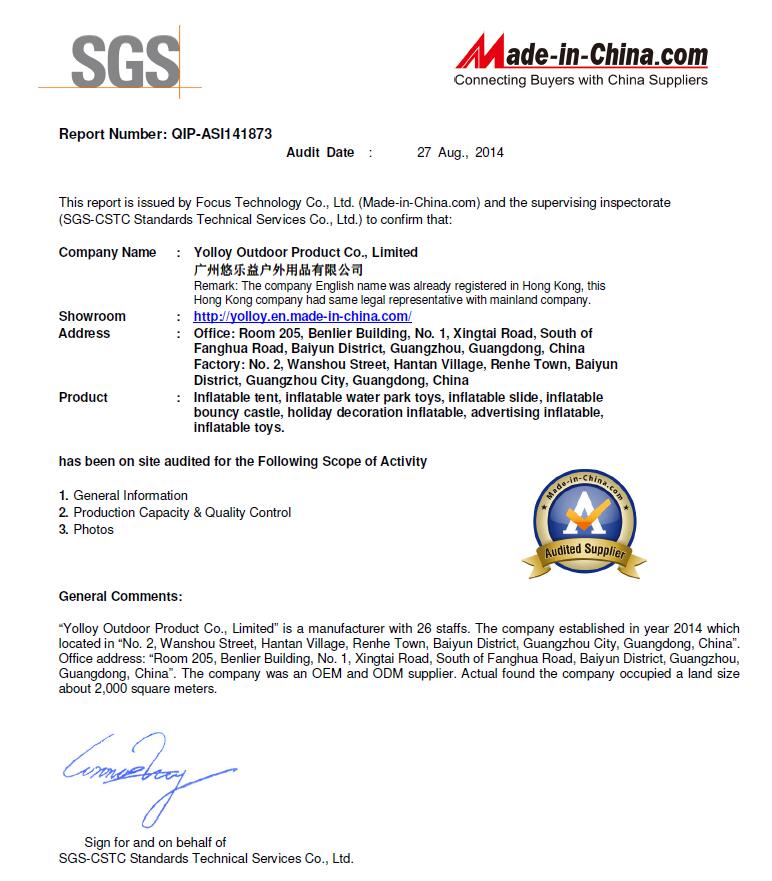
Ready to explore inflatable camping tents for your next adventure or business? YOLLOY Outdoor Product Co., Limited is a specialized inflatable tent manufacturer based in Guangzhou, China, offering custom design, factory-direct pricing, and international shipping. With a full range of inflatable camping tents, event tents, and specialty shelters, YOLLOY provides tailored solutions for recreational and commercial buyers alike. Contact their team at [email protected] or visit www.yolloy.net to discuss your requirements and receive a personalized quotation.
This article is based on general outdoor equipment knowledge and product information from YOLLOY. Product specifications, pricing, and availability are subject to change. Always confirm details directly with the manufacturer before making a purchase decision.