The outdoor entertainment industry is undergoing a quiet transformation. Where once a water park meant years of construction, millions in concrete, and a fixed location, a new generation of operators is turning to a more agile alternative: the inflatable water park. Portable, customizable, and dramatically more affordable than permanent installations, inflatable water attractions are opening doors for resorts, campgrounds, event companies, and municipal parks worldwide. But how do you go from a rough idea to a fully operational attraction? This guide walks through every stage of the journey, from design concept to grand opening day.
Why Inflatable Water Parks Are Reshaping Outdoor Recreation
The appeal of a commercial inflatable water park starts with flexibility. Unlike a traditional water park anchored to one location, an inflatable setup can be packed, transported, and inflated at a lakefront resort one month and a community festival the next. This portability multiplies revenue potential—one investment can serve multiple seasonal markets throughout the year.
The cost advantage is just as compelling. No concrete foundations, no complex plumbing, no multi-year permitting. Operators can start small with a few key attractions and expand as revenue grows. The modular nature of inflatable products means adding a new slide, obstacle course, or floating platform does not require reopening a construction site.
Revenue streams are diverse. Ticket sales, hourly rentals, birthday party packages, corporate team-building events, and seasonal passes all contribute to a healthy return. Lakeside resorts, municipal parks, campgrounds, and shopping centers are increasingly adding inflatable water features to draw summer crowds. The same equipment can also serve school fairs, charity fundraisers, and sports days, creating multiple income channels from a single investment.
Defining Your Vision: From Concept to Custom Design
Every successful inflatable water park starts with a clear vision. The best inflatable water park manufacturers do not simply sell products off a shelf—they work with you to bring your concept to life. The design process typically begins with a proposal: a rough sketch, a photograph of an existing installation, a site plan showing available space, or simply a written description with budget parameters.
From there, designers prepare simulation renderings that show exactly how the finished attraction will look. This collaborative back-and-forth continues until every detail is right—dimensions, colors, layout, and branding. Only after the customer approves the design does production begin. This custom approach ensures the final product fits the specific site conditions, target audience, and business goals of each operator.
Customization extends beyond the physical structure. Custom sizes and colors are available for virtually every product category. Company logos and artwork can be printed directly onto the inflatable surface, turning each attraction into a branded marketing asset. For resorts, rental businesses, and event companies looking to stand out in a competitive market, this level of personalization is a significant advantage.
Exploring the Product Range: What Can You Build?
The modern inflatable water park product range extends far beyond basic bounce houses. Today's commercial-grade catalog includes:
Floating Water Parks: Interconnected climbing structures, slides, trampolines, and balance beams anchored on lakes or large pools. These large-scale installations create a centerpiece attraction that draws visitors from miles around.
Inflatable Water Slides: Available in single-lane, double-lane, and multi-lane configurations. Both dry and wet versions suit different age groups, from gentle slopes for young children to high-speed lanes for thrill-seekers.
Water Obstacle Courses: Designed for competitive play, these courses combine climbing, sliding, and balancing challenges that appeal to both children and adults. They are particularly popular for team-building events and group bookings.
Floating Leisure Platforms: Inflatable swim platforms, pool bars, loungers, and docks enhance the guest experience at venues with existing swimming pools or waterfront access.
Interactive Sports Games: Inflatable football arenas, ziplines, bumper balls, and karting tracks add variety beyond water-based attractions, keeping the lineup fresh and encouraging repeat visits.
Many operators combine water attractions with complementary inflatables to create a full-day entertainment experience. A floating water park paired with a land-based obstacle course and a bounce house area, for example, can serve visitors of all ages and interests simultaneously.
Material Quality and Safety: What to Look For
For commercial operations, material quality and safety certifications are non-negotiable. Commercial-grade PVC tarpaulin is the standard for most water park inflatables—it offers the strength, UV resistance, and waterproofing that heavy daily use demands. Depending on the product type, Oxford fabric, nylon, or TPU may also be used where their specific properties add value.
The manufacturing process is equally important. High-temperature fusion welding creates airtight, durable seams, while precision sewing equipment with reinforced stitching and waterproof nylon thread ensures long-term structural integrity at high-stress points. Products should be tested against relevant safety standards: EN 14960 for inflatable toys, EN 15649 for inflatable water parks, and EN71 plus RoHS for material chemical safety. Blowers should meet CE or UL requirements and be available in 110V, 220V, or 380V configurations to match local electrical standards. Quality anchoring systems using D-ring or round metal anchors are essential for installation stability and wind resistance.
Production, Delivery, and Installation
Understanding the production timeline is essential for business planning. A typical inflatable product requires 6 to 15 days of production, though complex or large custom designs take longer. Each product is inspected and tested before shipment. Products are packaged with soft carpet protection, waterproof PVC bags, and outer PE film; large items may ship on steel pallets. Every inflatable comes with a repair kit for on-site maintenance.
Shipping options include air freight, typically 5 to 7 days, and sea freight, generally 15 to 30 days or more depending on the destination. A manufacturer that reports a 95% on-time delivery rate and responds to inquiries within 24 hours offers the operational reliability that business buyers depend on. One particularly valuable policy for new entrants is a low minimum order quantity—just one piece—which allows businesses to test a product category before committing to a larger purchase, or to add a single new attraction to an existing lineup without overstocking.
Maximizing the Lifespan of Your Investment
A well-made commercial inflatable product, when properly used and maintained, can serve a business for approximately three years or more, depending on usage intensity and product type. The key to longevity lies in regular cleaning, timely repairs using the provided repair kit, and correct off-season storage. Manufacturers that offer clear maintenance guidance and responsive after-sales support add significant value beyond the initial purchase. Honest communication about product capabilities and limitations is the mark of a partner worth keeping.
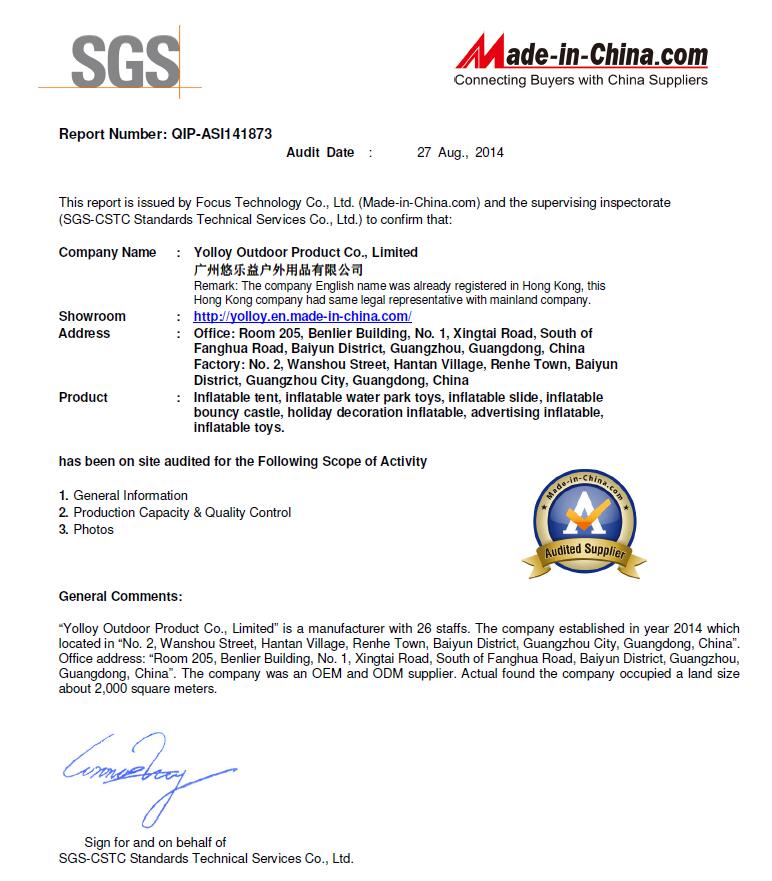
Ready to bring your inflatable water park vision to life? Whether you are starting with a rough sketch or a detailed site plan, YOLLOY Outdoor Product Co., Limited offers end-to-end custom design and manufacturing services. From initial concept rendering to factory production, inspection, and worldwide delivery, every step is handled with attention to safety, durability, and your specific business needs. Contact YOLLOY today at [email protected] or visit www.yolloy.net to start the conversation.