Inflatable tents have transformed the way businesses approach outdoor events, trade shows, and temporary installations. From inflatable tent manufacturers that produce custom large-scale structures to consumer-grade camping models, the market has expanded dramatically in recent years. This guide explores everything you need to know about choosing, sourcing, and using commercial inflatable tents for your business.
Whether you are an event rental company, a marketing agency, an amusement park operator, or a brand looking to stand out at outdoor venues, understanding the full landscape of inflatable shelter solutions will help you make smarter purchasing decisions.
What Is a Commercial Inflatable Tent?
A commercial inflatable tent is a temporary structure supported by air-filled beams or tubes rather than traditional metal or wooden poles. When connected to an electric blower, the structure inflates in minutes and maintains its shape through continuous airflow or sealed air chambers. Commercial-grade models are built to withstand heavy use, variable weather, and frequent setup and teardown cycles.
Unlike consumer camping tents, commercial inflatable structures are designed for high-traffic applications. They are commonly used for outdoor weddings, corporate events, trade show booths, sports venues, emergency relief shelters, and experiential marketing activations.
| Feature |
Consumer Grade |
Commercial Grade |
| Primary Material |
Lightweight nylon or polyester |
Heavy-duty PVC tarpaulin, Oxford fabric, TPU |
| Setup Time |
5-15 minutes |
10-30 minutes (larger units) |
| Typical Lifespan |
1-2 years of occasional use |
3+ years with proper maintenance |
| Wind Resistance |
Light breeze only |
Reinforced anchoring for moderate winds |
| Customization |
Limited sizes and colors |
Fully customizable size, shape, branding, and printing |
Key Advantages of Choosing Inflatable Tents
1. Rapid Setup and Takedown
One of the biggest benefits of inflatable structures is speed. A large event tent that would normally take a crew hours to assemble with traditional pole-and-canopy systems can be fully inflated in 15 to 30 minutes using a single blower. This saves significant labor costs, especially for short-term events where quick turnaround is critical.
2. Portability and Storage Efficiency
When deflated, inflatable tents fold into compact bundles that are easy to transport by van or truck. They weigh a fraction of comparable frame tents and require minimal storage space, making them ideal for rental businesses that manage inventory for multiple clients.
3. Unlimited Design Flexibility
Because inflatables are shaped by air pressure, manufacturers can produce virtually any geometry: cube tents, tunnel tents, domes, bubbles, arches, and custom brand shapes. Full-color digital printing allows logos, graphics, and full-surface branding, turning a simple shelter into a powerful marketing asset.
4. Weather Resilience
Quality commercial inflatables use waterproof, fire-retardant PVC tarpaulin with reinforced seams. When properly anchored with D-rings or metal stakes, they can handle moderate rain and wind better than many first-time buyers expect. Reputable inflatable tent manufacturers test their products before shipment and provide clear anchoring guidelines.
Quick Tip
Always confirm that your supplier uses commercial-grade materials and that blowers match your local voltage (110V, 220V, or 380V). A mismatched blower can cause under-inflation, safety issues, or equipment failure.
Popular Types of Commercial Inflatable Tents
The inflatable tent category is surprisingly diverse. Here are the most common styles used by businesses today:
Cube & Tunnel Tents
Box-shaped inflatable structures ideal for trade show booths, pop-up shops, and exhibition halls. Available in modular configurations that can be connected together.
Dome Tents
Hemispherical inflatable domes offer a spacious, pillar-free interior. Perfect for conferences, planetariums, projection mapping, and premium event spaces.
Clear Bubble Tents
Transparent domes and bubbles create a dramatic visual experience. Clear inflatable bubble tent models are widely used for glamping, hotel rooftop lounges, and holiday displays like snow globes.
Party & Event Tents
Large-capacity inflatable shelters for weddings, festivals, and corporate parties. Often customized with branded printing, lighting, and entrance arches.
Spray Booths & Work Tents
Sealed or ventilated inflatable enclosures for auto detailing, painting, sandblasting, and industrial work. Designed with filtered airflow systems.
Golf Simulator Tents
Specialized inflatable enclosures that house indoor golf simulators. They absorb ball impact, reduce noise, and create a dedicated simulation environment.
Beyond Tents: The Full Inflatable Product Ecosystem
Many buyers who start with inflatable tents soon discover that the same manufacturing technology powers a much broader range of commercial inflatable products. If you are in the events, amusement, or recreation business, these complementary categories are worth exploring:
Inflatable Water Parks
For resorts, camps, and leisure operators, an inflatable water park combines slides, climbing walls, obstacle courses, and floating platforms into a complete aquatic attraction. These modular parks can be sized to fit almost any pool or lakefront and are significantly more affordable than permanent water park construction.
Interactive Sports Games
Inflatable football arenas, zorb bumper balls, human whack-a-mole, gaga ball pits, and laser tag arenas are top earners for party rental companies and family entertainment centers. They are easy to transport, fast to set up, and appeal to both children and adults.
Bounce Houses and Slides
Commercial bounce houses and inflatable slides remain the backbone of the party rental industry. Modern designs include themed castles, tropical combos, and double-lane water slides with splash pools.
Advertising Inflatables
Giant inflatable replicas, sky dancers, arches, and LED-lit decorations attract attention at retail openings, festivals, and sporting events. Custom-shaped advertising inflatables can replicate products, mascots, or architectural features at enormous scale.
How to Choose the Right Inflatable Tent Manufacturer
Not all manufacturers are the same. When evaluating suppliers, pay close attention to these critical factors:
Material Quality and Certifications
Look for suppliers that use commercial-grade PVC tarpaulin and can show documentation for relevant standards such as EN 71, EN 14960, EN 15649, and RoHS. Blowers should carry CE or UL markings. These certifications indicate that the products have been tested for safety, durability, and environmental compliance.
Custom Design Capability
A strong manufacturer should be able to work from your sketches, photos, site plans, or even a simple description. Ask to see 3D renderings before production begins. The best suppliers offer unlimited revisions until you approve the final design.
Production Capacity and Lead Time
Typical production time for a standard inflatable product is 6 to 15 days, while complex or large custom projects may take longer. Confirm the factory's production schedule and on-time delivery rate before committing, especially if your event date is fixed.
Warranty and After-Sales Support
Reputable manufacturers typically offer a multi-year service life expectation when products are used and maintained correctly. Each unit should ship with a repair kit, clear care instructions, and responsive customer support. Inquire about replacement parts, blower availability, and how repairs are handled if issues arise.
Minimum Order Quantities
Some factories impose high minimum order quantities, which can be a barrier for small businesses or first-time buyers. Look for manufacturers that accept orders of one piece for custom designs — this flexibility is a good sign of customer-focused service.
Red Flags to Watch For
Be cautious of suppliers who cannot provide material specifications, avoid showing certification documents, offer prices significantly below market average, or pressure you to pay without a written agreement. Quality inflatable products require skilled labor and premium materials, so unrealistically low prices usually mean corners are being cut.
Best Practices for Setup, Use, and Maintenance
Getting the most out of your inflatable tent requires proper handling. Follow these guidelines to extend product life and ensure safety:
- Always set up on a level surface cleared of sharp objects, rocks, and debris.
- Use a ground tarp or protective sheet under the tent to prevent punctures from below.
- Secure all anchor points with the appropriate stakes, sandbags, or weighted systems for your surface type.
- Check blower function and air pressure regularly during extended use.
- Deflate and store the tent when not in use, especially during severe weather.
- Clean with mild soap and water; never use harsh chemicals or abrasive tools.
- Ensure the tent is completely dry before folding and storing to prevent mildew.
- Keep the repair kit accessible and inspect seams and high-stress areas before each use.
Common Mistakes to Avoid
- Overinflating the structure. Excessive air pressure strains seams and can cause bursting. Follow the manufacturer's recommended pressure.
- Skipping anchoring. Even a mild gust can move an unsecured inflatable. Always use the full anchoring system provided.
- Ignoring weather forecasts. High winds, heavy snow, or thunderstorms can damage inflatable structures. Deflate and store when conditions deteriorate.
- Using residential blowers for commercial units. Commercial inflatables require blowers with sufficient airflow and durability for extended operation.
- Neglecting regular inspections. Small tears or loose seams can quickly worsen with use. Catch problems early to minimize repair costs.
- Choosing price over quality. A cheap inflatable tent may fail after a few uses, costing more in replacements and lost revenue than investing in a commercial-grade unit from the start.
Is an Inflatable Tent Right for Your Business?
Inflatable tents are an excellent investment if your business involves any of the following: outdoor event rentals, brand activations, sports venues, temporary retail spaces, amusement parks, camping and glamping sites, emergency response operations, or construction and industrial work shelters.
The combination of fast setup, low transportation costs, unlimited design flexibility, and strong durability makes inflatable structures a practical and cost-effective choice compared to traditional tenting systems. As technology and materials continue to improve, we can expect to see even more innovative applications in the years ahead.
Ready to Explore Custom Inflatable Solutions?
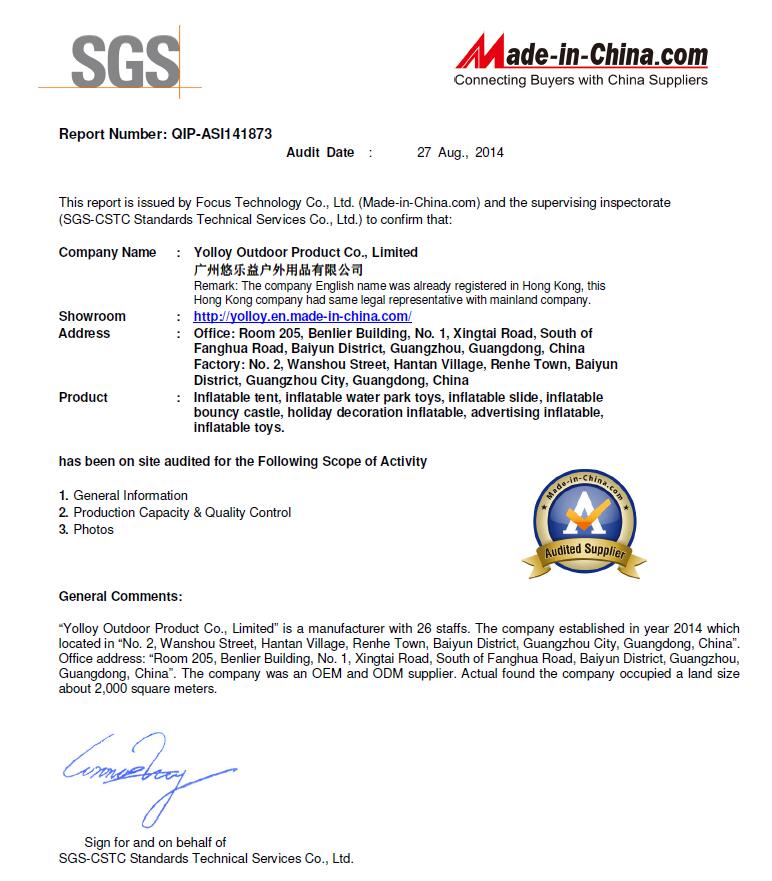
YOLLOY Outdoor Product Co., Limited is a China-based manufacturer specializing in custom inflatable tents, domes, water parks, interactive games, and advertising inflatables. With full design-to-production capability, commercial-grade materials, and export experience serving Europe, Asia, South America, Africa, the Middle East, and beyond, YOLLOY delivers inflatable solutions tailored to your specific requirements.
Whether you need a single custom piece or a full product line, the team provides design renderings, production updates, and responsive after-sales support. Minimum order quantity starts at one piece, and most standard products ship within 6 to 15 days.
Learn more about the full product range and request a custom quote by visiting yolloy.net.
|