Having guests over is always a joy, isn't it? But then comes the age-old dilemma: where will everyone sleep comfortably? While a dedicated guest room with a permanent bed is ideal, it's not always a reality. More often than not, we find ourselves pondering temporary sleeping solutions. The two main contenders in this arena are the trusty sleeping pad and the more robust inflatable mattress. Both promise a night's rest, but which one truly delivers for your home guests? Let's dive deep into the pros and cons, considering factors like comfort, convenience, and cost, to help you make the best choice.
Understanding the Basics: What Are We Talking About?
Before we pit them against each other, let's clarify what each option brings to the table.
Inflatable Mattresses (Air Beds):
These are essentially air-filled beds, often resembling traditional mattresses in size and shape when inflated. They come in various heights, from low-profile to tall, multi-chamber designs that can mimic a standard bed frame. Inflation typically requires an electric pump, though some have built-in pumps.
Sleeping Pads:
Traditionally associated with camping and backpacking, sleeping pads are designed to provide insulation and cushioning from the hard ground. They are generally thinner than inflatable mattresses and come in self-inflating foam, closed-cell foam, or inflatable air chamber designs.
Comfort: The Ultimate Decider for Your Guests
When it comes to guests, comfort is paramount. You want them to feel at home and wake up refreshed, not with a crick in their neck.
Inflatable Mattresses:
Generally, inflatable mattresses offer superior comfort for indoor use. They can be inflated to varying firmness levels, allowing for a personalized sleeping experience. Taller models elevate guests further off the floor, making getting in and out of bed easier, which is a huge plus, especially for older guests or those with mobility issues. The larger surface area and potential for multiple air chambers mean less motion transfer if two people are sleeping on it. Many even have flocked tops for a softer feel. The main drawback here can be the tendency for some air mattresses to slowly lose air overnight, requiring a refill – though higher quality models have significantly minimized this issue.
Sleeping Pads:
While modern sleeping pads have come a long way in comfort, especially those designed for luxury camping, they typically can't match the plushness of a good inflatable mattress for home use. They are thinner, usually ranging from 1 to 4 inches thick. While sufficient for outdoor adventures where weight and packability are key, the firm, closer-to-the-ground feel might not be what your house guests are expecting. For a single night or younger, more adaptable guests, a high-quality sleeping pad might be acceptable. However, for extended stays or guests accustomed to a traditional bed, it might feel too much like "roughing it."
Convenience: Setup, Storage, and Maintenance
Beyond comfort, how easy is it to set up, put away, and maintain these sleeping solutions?
Inflatable Mattresses:
-
Setup:
Generally straightforward. Plug in the pump (or use the built-in one), turn it on, and watch it inflate. Depending on the size, this can take anywhere from 2 to 10 minutes.
-
Storage:
This is where they can be a bit bulky. Even deflated, a queen-sized air mattress can take up significant closet space. They also tend to be heavier.
-
Maintenance:
Prone to punctures if not careful, though repair kits are usually included. Cleaning involves wiping down the surface. Air leaks can be a nuisance if the valve isn't sealed properly or there's a small hole.
Sleeping Pads:
-
Setup:
Self-inflating pads inflate on their own once the valve is opened, though a few breaths might be needed to top them off. Manual inflatable pads require lung power or a small hand/foot pump. Closed-cell foam pads need no inflation.
-
Storage:
This is their forte! They are designed to be compact and lightweight. Many roll up tightly or fold flat, taking up minimal space in a closet or under a bed.
-
Maintenance:
Generally very durable. Closed-cell foam pads are virtually indestructible. Inflatable pads can puncture but are usually easier to patch due to their smaller air chambers. Cleaning is simple wiping.
Cost: Budgeting for Guest Accommodation
The price tag often plays a role in our decisions.
Inflatable Mattresses:
The price range is vast. Basic twin models can start from $30-$50, while high-end queen or king-sized air beds with built-in pumps, extra height, and reinforced construction can run into the hundreds ($150-$300+). Investing in a mid-range model usually offers the best balance of comfort and durability for regular guest use.
Sleeping Pads:
Again, a wide range. Basic closed-cell foam pads are very cheap ($20-$40). Self-inflating or high-performance inflatable pads, especially those from reputable outdoor brands, can cost anywhere from $70 to $200+, depending on R-value (insulation) and thickness. For home use, you'd want one of the thicker, more comfortable models, putting it in a similar price bracket to a basic air mattress.
Durability and Longevity: A Long-Term View
How long can you expect these solutions to last, especially with intermittent use?
Inflatable Mattresses:
Their lifespan largely depends on material quality, construction, and care. Cheaper models might develop leaks or seam separations faster. High-quality air mattresses, made with durable PVC, can last for many years with proper storage and occasional use. However, they are generally more susceptible to punctures than sleeping pads.
Sleeping Pads:
Built for the rigors of the outdoors, many sleeping pads are inherently quite durable. Closed-cell foam pads are extremely resilient. Inflatable pads, especially those made with robust fabrics, can withstand significant abuse. Their smaller size and less complex structure often mean fewer points of failure compared to a large air mattress.
Special Considerations: Who Are Your Guests?
The ideal choice can also depend heavily on who will be using it.
-
Kids/Young Adults:
Often less picky about comfort. A thicker sleeping pad or a basic inflatable mattress might suffice.
-
Older Guests/Those with Back Issues:
An inflatable mattress, particularly a taller model that makes getting up easier, is almost always the better choice.
-
Long-Term Stays vs. Overnight:
For a quick overnight stay, a sleeping pad could work. For a weekend or longer visit, an inflatable mattress offers much better sustained comfort.
-
Space Constraints:
If storage space is extremely limited, the compact nature of a sleeping pad might win out.
Beyond the Usual: The Yolloy Advantage
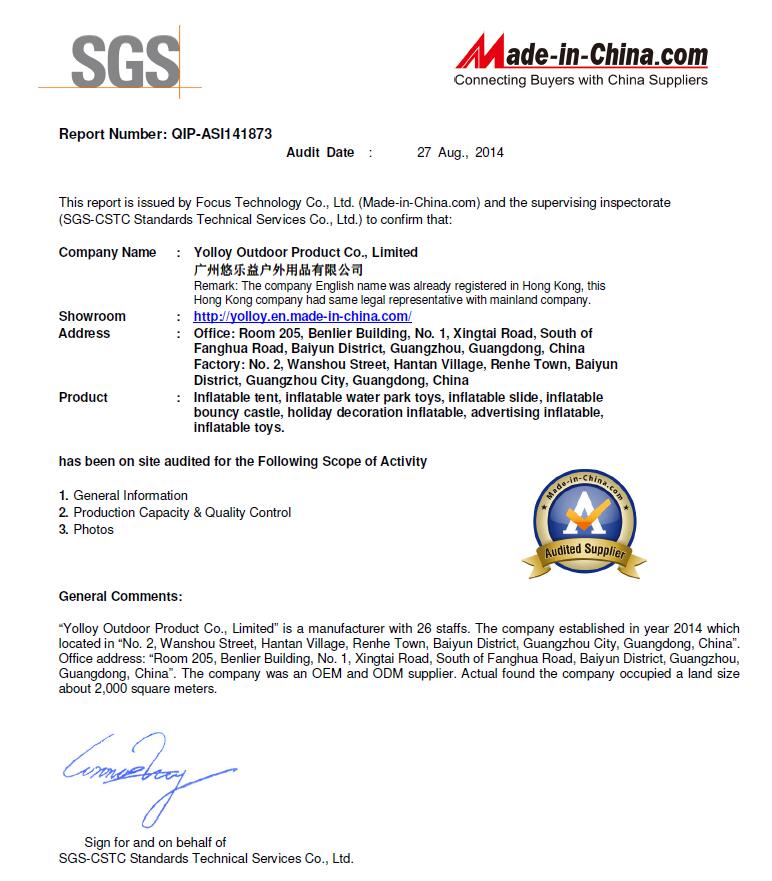
While we're discussing sleeping solutions, it's worth noting the incredible versatility of inflatable technology. Our company,
Yolloy
, specializes in professional inflatable products that go far beyond simple guest beds. From enhancing leisure to critical industrial applications, Yolloy is a name synonymous with quality and innovation in the inflatable world.
Imagine extending your hospitality outdoors with products like our
transparent bubble lawn camping tent
, offering a unique stargazing experience for adventurous guests. Or, for a truly luxurious touch, a
DWF floating leisure platform
could transform a lakeside property into an unforgettable escape. Yolloy's commitment to using high-grade materials like
waterproof and fireproof PVC tarpaulin
(EN71 certified) ensures that whether you're looking for an inflatable bed for guests or something grander, you're getting a product built to last and designed for safety. For water-based items, we even utilize eco-friendly, non-toxic TPU material, ensuring peace of mind. Our design team is always ready to create
custom designs
, making sure your specific needs are met with high-quality mock-ups before production. We pride ourselves on a 95% on-time delivery rate, keeping you informed every step of the way. So, next time you think inflatable, think beyond just a mattress – think Yolloy's comprehensive range of solutions for every need, including future innovations like space-saving inflatable car wash mats and anti-snow tunnel tents.
Direct Comparison: Sleeping Pad vs. Inflatable Mattress
|
Feature
|
Sleeping Pad (High-End)
|
Inflatable Mattress (Mid-Range)
|
|
Comfort for Guests
|
Good for short stays, adaptable guests. Firmer, closer to the ground.
|
Excellent for all guests, plush, adjustable firmness, elevated height.
|
|
Setup Time
|
Quick (self-inflating, few breaths), under 5 minutes.
|
5-10 minutes with electric pump.
|
|
Storage Size
|
Very compact, lightweight, easy to store.
|
Bulky, heavier, requires more closet space.
|
|
Durability
|
Highly durable, built for outdoor use. Less prone to catastrophic failures.
|
Good, but more susceptible to punctures and seam issues over time if not handled with care.
|
|
Cost (Approx.)
|
$70 - $200+
|
$80 - $200+
|
|
Noise
|
Minimal, some crinkling sound with certain materials.
|
Quiet once inflated, pump can be noisy during inflation/deflation.
|
|
Insulation
|
Excellent, designed to insulate from cold ground.
|
Less, some air mattresses can feel cold without proper bedding.
|
The Verdict: Which One Should You Choose?
After weighing all the factors, for most home guest scenarios, the
inflatable mattress emerges as the better option for providing optimal comfort and a more "bed-like" experience.
Here's a quick summary to guide your decision:
-
Choose an Inflatable Mattress if:
-
Comfort is your top priority for guests.
-
You have older guests or those with mobility concerns.
-
Guests will be staying for more than one night.
-
You have sufficient storage space.
-
You want to provide an experience closest to a traditional bed.
-
Choose a Sleeping Pad if:
-
Space is extremely limited, and portability is key.
-
Your guests are primarily younger, adventurous, or only staying for a single night.
-
You also need a sleeping solution for actual camping trips.
-
Durability and minimal maintenance are absolute musts.
Ultimately, the "better" choice depends on your specific needs, your budget, and most importantly, your guests. For a truly welcoming and comfortable experience, investing in a good quality inflatable mattress is usually the most reliable bet for your home. However, for those niche situations where space is at a premium and guests are flexible, a high-end sleeping pad can certainly serve its purpose. Whichever you choose, ensure it's clean, well-maintained, and paired with fresh bedding for a truly hospitable touch. Happy hosting!