Products Category
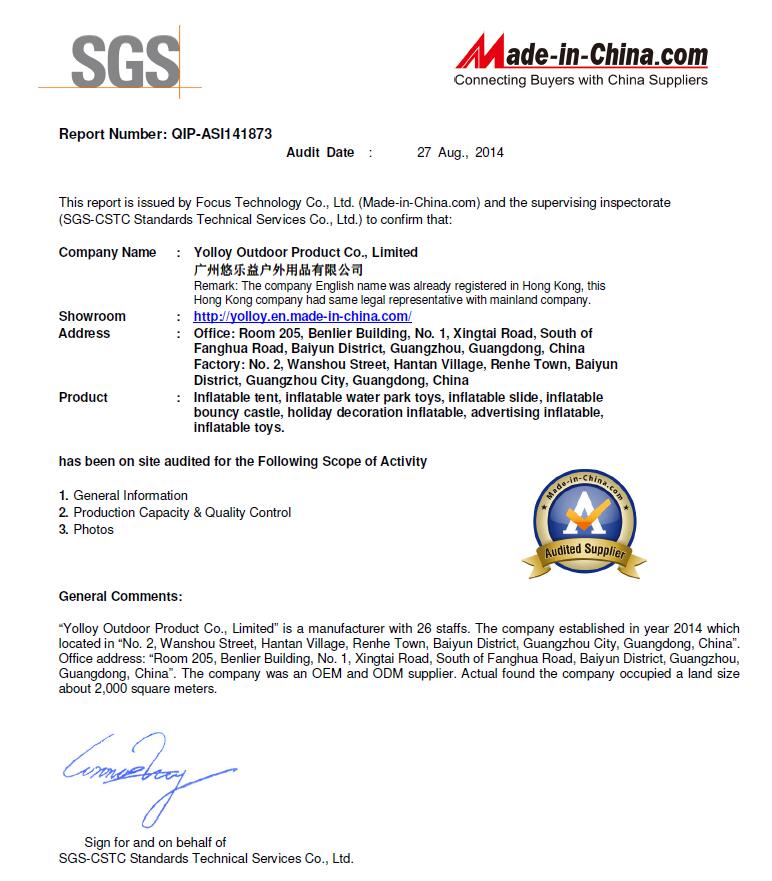
Certification

News

• Outdoor Or Indoor Inflatable Golf Simulator Practice Cage

• Possess the Portable Planetarium dome, your life will be more vitality

• Inflatable golf club simulator training tent

• The white inflatable party tent in our life

• YOLLOY Unveils Space-Saving Inflatable Car Wash Mat: The Eco-Friendly Solution for Mess-Free Home Detailing

• Custom Snow-Resistant Inflatable Tunnel Tent to Korean Client

Contact Us

Name: Sunny Yang
Tel: +86-20-8370 0771
Fax: +86-20-8370 0771
Mobile: 13570587575
E-mail: sales@yolloy.com
Add: No 5,Xiong wei Bo Nan Road,ZhongLuoTan Town,Baiyun district,Guangzhou,China
Friend me on Facebook Follow me on Twitter Add me to your circles Follow me on Pinterest Watch my channel on YouTube
News

Sleeping Pad vs Inflatable Mattress: Ultimate Buying Guide for 2025 by Yolloy

Author:yolloy Date:2026/1/1 3:59:03

There's a quiet magic in waking up to the sound of birds chirping outside your tent, sunlight filtering through the fabric, and the fresh scent of pine in the air. But that magic can quickly fade if your sleep was restless—if the ground felt like a bed of rocks, or the cold seeped through your gear to leave you shivering at 3 AM. Whether you're a solo hiker chasing mountain views, a family car-camping with kids, or a group of friends planning a weekend festival, the right sleep gear isn't just a luxury; it's the foundation of a great outdoor adventure. And when it comes to outdoor sleep, two names dominate the conversation: the sleeping pad and the inflatable mattress. But which one deserves a spot in your backpack or car trunk? Let's dive deep into their world, unpack their strengths and weaknesses, and help you find the perfect fit for your next journey.

What Even Are We Talking About? Let's Start with the Basics

Sleeping Pads: The Lightweight Workhorses

Sleeping pads are the unsung heroes of minimalist outdoor adventures. Think of them as the "athleisure wear" of sleep gear—designed to balance performance and portability. Most are thin (usually 0.5 to 2 inches thick) and lightweight, made from materials like closed-cell foam, open-cell foam, or air-filled chambers. The key here is their focus on efficiency : they insulate you from the cold ground (measured by an R-value, where higher numbers mean better insulation), add a layer of cushioning, and pack down small enough to strap to a backpack or tuck into a hiking pack.

There are three main types of sleeping pads you'll encounter:

  • Closed-Cell Foam Pads : The most rugged and affordable. They're literally slabs of dense foam with tiny air pockets that trap heat. You can't inflate them—they're ready to use right out of the bag. Think of the classic "roll-up" pads that feel a bit like a stiff yoga mat.
  • Open-Cell Foam (Self-Inflating) Pads : These blend foam and air. When you open the valve, the foam expands and draws in air, "self-inflating" to create a softer, more cushioned surface. They're thicker than closed-cell pads (1.5 to 3 inches) and more comfortable, but bulkier when packed.
  • Air-Only Pads : The lightest and most packable, these rely entirely on air for cushioning. You blow them up manually or with a pump, and they deflate to almost nothing. They're popular with ultralight hikers but can feel "bouncy" and less stable than foam-based options.

Inflatable Mattresses: The Comfort Kings (and Queens)

Now, inflatable mattresses are the "memory foam mattresses" of the outdoor world—all about comfort and space. They're thicker (often 4 to 8 inches), softer, and designed to mimic the feel of a real bed. Unlike sleeping pads, they're almost always air-filled (though some higher-end models add foam layers for extra support) and require inflation via a pump (manual, electric, or built-in). They're not just for camping, either—you'll see them used as guest beds, at festivals, or even in RVs.

Inflatable mattresses come in a few flavors too:

  • Standard Air Mattresses : The most common type. They have air chambers that inflate to create a soft, bouncy surface. They're affordable but can feel "cold" since air conducts heat—many have flocked tops to add warmth and prevent slipping.
  • Self-Inflating Air Mattresses : A hybrid of foam and air, similar to self-inflating pads but thicker and more luxurious. The foam core expands when you open the valve, and you can top off the air with a few breaths for extra firmness. These are a sweet spot for comfort and convenience.
  • Premium Camping Mattresses : Think of these as "glamping-grade." They often have built-in pumps, adjustable firmness settings, and even features like raised edges to keep you from rolling off. Some are designed for two people (double or queen size) and can feel almost as cozy as your bed at home.

Sleeping Pad vs Inflatable Mattress: The Ultimate Showdown

Now, let's cut to the chase: how do these two stack up when you're actually using them? To help you visualize, we've broken down their key differences across the factors that matter most when you're miles from civilization (or just in your backyard).

Factor Sleeping Pad Inflatable Mattress
Comfort "Good enough" for short trips. Thin profile means you'll feel the ground through it (especially with closed-cell foam). Self-inflating pads are softer but still firmer than a mattress. "Hotel bed" vibes. Thicker (4+ inches) with more cushioning and support. Many contour to your body, reducing pressure points on hips and shoulders.
Portability Lightweight (12–36 oz / 340–1020 g) and compact. Closed-cell foam rolls up to the size of a water bottle; air pads pack into a stuff sack smaller than a loaf of bread. Heavier (3–10 lbs / 1.4–4.5 kg) and bulkier. Even "portable" models can be the size of a small duffel when deflated. Best for car camping or RVs.
Warmth (R-Value) Better for cold weather. Closed-cell foam has high R-values (3–6) without needing air, which conducts heat. Self-inflating pads range from R-2 (mild weather) to R-8 (winter camping). Depends on thickness and insulation. Most standard models have low R-values (1–3) because air loses heat quickly. Premium models add thermal layers (like fleece or reflective liners) to boost warmth.
Durability Almost indestructible. Closed-cell foam can take punctures, scrapes, and even being stepped on without damage. Self-inflating pads are sturdier than air-only pads but can still tear if you're rough with them. More fragile. The thin, flexible materials (like PVC or TPU) are prone to punctures from rocks, sticks, or sharp tent stakes. You'll need a repair kit for longer trips.
Setup Time Instant. Closed-cell foam: unroll and done. Self-inflating: open the valve, wait 5–10 minutes, top off with a few breaths. No pumps needed. Takes time. Manual inflation can take 2–5 minutes (and leave you out of breath). Electric pumps are faster but require a power source. You also have to make sure it's fully inflated—under-inflating leads to sagging.
Price Budget-friendly. Closed-cell foam pads start at $20–$50; self-inflating pads range from $50–$150. More of an investment. Basic models start at $40–$80, but premium camping mattresses with pumps and insulation can hit $200–$500+.
Best For Backpacking, hiking, solo trips, cold weather, or anyone who prioritizes "light and fast." Car camping, family trips, glamping, guest beds, or anyone who refuses to sacrifice comfort for the outdoors.

Real Talk: When Comfort Trumps Everything

Here's a story from a friend who learned the hard way: Last year, she went on a 3-day hiking trip with a basic closed-cell foam pad. By night two, her hips ached so badly she couldn't sleep—she ended up sitting up in her tent, staring at the stars, and vowing never to skimp on sleep gear again. The next month, she tried a 6-inch inflatable mattress on a car camping trip, and she said it was "like sleeping on a cloud." Moral of the story? If you're someone who needs a soft surface to sleep well, an inflatable mattress isn't a luxury—it's a necessity.

When to Choose a Sleeping Pad (And When to Skip It)

Sleeping pads shine in scenarios where every ounce and inch counts. Here are the times when they're the clear winner:

You're Hiking Long Distances (Backpacking)

If your trip involves carrying a 30+ lb backpack up a mountain, you'll thank yourself for choosing a sleeping pad. A lightweight air pad (like the self-inflating kind) weighs as little as 12 oz (340 g) and packs down to the size of a can of beans. Compare that to an inflatable mattress, which can weigh 5 lbs (2.3 kg) or more—adding that to your pack would feel like carrying a small dog up a trail. Plus, sleeping pads are less likely to get damaged by sharp rocks or branches in tight hiking terrain.

You're Camping in Extreme Weather

When the temperature drops below freezing, air mattresses struggle to keep you warm because air is a poor insulator. Sleeping pads, especially closed-cell foam and high R-value self-inflating models, are designed to trap heat. For example, a pad with an R-value of 6 can keep you warm in temperatures as low as 10°F (-12°C), while most inflatable mattresses would leave you shivering unless you layer a blanket underneath.

You Need Something "No-Fuss"

Sleeping pads are the ultimate "set it and forget it" gear. No pumps, no batteries, no valves to leak. Closed-cell foam pads can even double as a seat during the day or a makeshift table. If you're the type who hates fumbling with gear at the end of a long hike, or if you're worried about punctures (say, in a rocky desert campsite), a sleeping pad is your safest bet.

When to Skip It: The Limitations of Sleeping Pads

All that said, sleeping pads aren't perfect. If you're car camping with the family, hosting a backyard slumber party, or planning a "glamping" trip where comfort is part of the fun, a sleeping pad will feel like a downgrade. Imagine trying to share a 2-person tent with a partner and two sleeping pads—you'll be rolling into each other all night, and the thin foam won't cushion you from the hard ground. For these scenarios, an inflatable mattress is worth the extra bulk.

When to Choose an Inflatable Mattress (And When to Think Twice)

Inflatable mattresses are all about experience . They turn "roughing it" into "roughing it in style." Here's when they're the better choice:

Car Camping or Family Trips

When you're driving to your campsite (no hiking required), you don't have to worry about weight or pack size. An inflatable mattress (especially a double or queen size) gives your family space to stretch out—no more cramming three people onto a tiny tent floor. Many models even have built-in pillows or raised edges to keep kids (or dogs!) from rolling off in the night.

Case in point: A family of four car camping with two queen-sized inflatable mattresses can sleep comfortably, while four sleeping pads would turn the tent into a crowded "foam puzzle" where everyone's elbows and knees are constantly colliding.

Glamping or "Luxury Outdoor" Experiences

Glamping is all about blending nature with comfort, and inflatable mattresses are the star here. Think of them as the "linen sheets" of the outdoors. A 8-inch thick premium mattress with a flocked top, paired with a soft sleeping bag, can make you forget you're not in a hotel. Some even come with built-in pumps that inflate them in 2 minutes flat—no huffing and puffing required.

You Suffer from Back or Joint Pain

If you have a bad back or sore hips, a sleeping pad's thin, firm surface can exacerbate pain. Inflatable mattresses offer more "give" and support, conforming to your body's curves and reducing pressure points. Many people with chronic pain swear by them for outdoor trips—they're the difference between a restful night and a night spent counting sheep (and cursing the ground).

When to Think Twice: The Downsides of Inflatable Mattresses

Inflatable mattresses aren't for everyone. If you're backpacking, ultralight hiking, or camping in remote areas, their weight and bulk make them impractical. They're also more high-maintenance: you need to inflate them (which takes time and a pump), check for leaks, and repair punctures if they get damaged. And in hot weather, they can get sticky and sweaty—though many newer models have breathable, moisture-wicking fabrics to help with that.

The Wildcard: Self-Inflating Air Mattresses

Wait—didn't we mention self-inflating options earlier? Yes! Self-inflating air mattresses (sometimes called "hybrid" mattresses) are the middle ground between sleeping pads and full-blown inflatable mattresses. They have a foam core that expands when you open the valve, drawing in air to create a cushioned surface. You can then add a few breaths to adjust the firmness, so they're more customizable than sleeping pads but more portable than standard inflatable mattresses.

These are great for people who want a bit more comfort than a sleeping pad but don't want to carry the weight of a full mattress. They're popular with weekend car campers, festival-goers, and anyone who wants "just enough" luxury without the hassle.

For example, Yolloy's self-inflating air mattresses use a blend of open-cell foam and durable TPU material (the same material used in their products), which means they're soft, supportive, and resistant to punctures. They pack down to about the size of a large water bottle and weigh around 2 lbs (0.9 kg)—light enough for short hikes but comfortable enough for family camping.

How to Choose: 5 Questions to Ask Yourself

Still on the fence? Let's simplify. Answer these five questions, and you'll have your answer in no time:

  1. How are you getting to your campsite? If you're hiking more than a mile, go with a sleeping pad. If you're driving, an inflatable mattress is fair game.
  2. What's the weather like? Cold temps = sleeping pad (high R-value). Warm weather = either, but inflatable mattresses are more comfortable.
  3. Who's coming with you? Solo or couple? A sleeping pad might work. Family of 4? You need the space of an inflatable mattress.
  4. How important is comfort to you? If you need a soft surface to sleep, splurge on an inflatable mattress. If you're okay with "firm but functional," a sleeping pad will do.
  5. What's your budget? Sleeping pads are cheaper ($20–$150), while inflatable mattresses range from $50 to $500+ (for premium models with pumps and extra features).

Why Yolloy Stands Out in the Inflatable Mattress Game

At this point, you might be thinking: "Okay, I need an inflatable mattress—now where do I buy one?" Here's the thing: not all inflatable mattresses are created equal. Many cheap models leak air, smell like chemicals, or tear after one use. That's where Yolloy comes in. As a leading inflatable product manufacturer with years of experience, Yolloy designs their mattresses with the same care and innovation that goes into their award-winning inflatable tents and products.

1. Materials That Prioritize Safety and Comfort

Yolloy's inflatable mattresses use TPU material (short for thermoplastic polyurethane), which is a game-changer for sleep gear. Unlike cheap PVC mattresses that off-gas toxic fumes (that "new plastic" smell that gives you a headache), TPU is non-toxic, odorless, and hypoallergenic. It's also incredibly durable—resistant to punctures, tears, and even UV rays, so it won't degrade in the sun. For products, Yolloy uses the same TPU, and for camping mattresses, they add a layer of soft, flocked fabric on top to prevent slipping and add breathability.

2. Customizable to Your Needs

One of Yolloy's biggest strengths is their custom design service . Whether you need a mattress that fits a tiny tent, a double-sized one for two people, or a special shape for your RV, their team of designers can create a mockup (complete with 3D renderings) and tweak it until it's perfect. They even offer custom R-values for cold-weather camping—so you can get a mattress that's warm enough for winter trips but not too bulky for summer.

3. Quality That Lasts (Because Nobody Wants a Leaky Mattress)

There's nothing worse than waking up at 2 AM on a deflated mattress, lying directly on the ground. Yolloy avoids this with strict quality control: every mattress is tested for leaks at 30 PSI (twice the pressure it would normally hold) before leaving the factory. They also use reinforced seams and heavy-duty valves that lock in air overnight. And if something does go wrong? Their 24-hour customer service team responds to emails and messages within a day, and they'll send replacement parts or help you troubleshoot leaks—no runaround, no excuses.

4. Built for the Way You Actually Camp

Yolloy's mattresses aren't just "generic" inflatables—they're designed with real campers in mind. For example, their self-inflating models have extra-wide valves that make inflating and deflating faster (no more pinching your fingers trying to open tiny valves). Their premium models come with a carry bag that doubles as a pump—so you don't have to buy a separate pump (or huff and puff for 5 minutes). And they're all compatible with standard sleeping bags and liners, so you can mix and match with your existing gear.

Final Verdict: Which One Should You Buy?

At the end of the day, the choice between a sleeping pad and an inflatable mattress comes down to your personal style of camping . Here's a quick recap to help you decide:

Choose a Sleeping Pad If:

  • You're backpacking, hiking, or carrying gear long distances.
  • You camp in cold weather (below 32°F / 0°C).
  • You want something lightweight, durable, and low-maintenance.
  • Budget is a top priority (they're cheaper than mattresses).

Choose an Inflatable Mattress If:

  • You're car camping, glamping, or staying in one place (no hiking).
  • Comfort is non-negotiable (you need a soft, supportive surface).
  • You're camping with family or friends and need extra space.
  • You have back or joint pain and need pressure relief.

Choose a Self-Inflating Air Mattress If:

  • You want a middle ground between comfort and portability.
  • You're weekend car camping or festival-going.
  • You want something customizable (firmness, size, R-value).

At the end of the day, the best sleep gear is the one that lets you enjoy the outdoors without sacrificing rest. Whether you're chasing sunrises on a mountain trail or roasting marshmallows in your backyard, a good night's sleep turns "meh" trips into memories you'll talk about for years. And when you're ready to invest in gear that lasts—gear that's designed with your comfort and safety in mind—Yolloy is here to help. With their focus on quality materials, custom design, and 24/7 support, they're not just selling inflatable mattresses; they're selling peace of mind. So go ahead—pack your gear, hit the road, and sleep well knowing you've got the best possible bed under the stars.


Sleeping Pad vs Inflatable Mattress: Ultimate Buying Guide for 2025 by Yolloy

Author:yolloy Date:2026/1/1 3:59:03

There's a quiet magic in waking up to the sound of birds chirping outside your tent, sunlight filtering through the fabric, and the fresh scent of pine in the air. But that magic can quickly fade if your sleep was restless—if the ground felt like a bed of rocks, or the cold seeped through your gear to leave you shivering at 3 AM. Whether you're a solo hiker chasing mountain views, a family car-camping with kids, or a group of friends planning a weekend festival, the right sleep gear isn't just a luxury; it's the foundation of a great outdoor adventure. And when it comes to outdoor sleep, two names dominate the conversation: the sleeping pad and the inflatable mattress. But which one deserves a spot in your backpack or car trunk? Let's dive deep into their world, unpack their strengths and weaknesses, and help you find the perfect fit for your next journey.

What Even Are We Talking About? Let's Start with the Basics

Sleeping Pads: The Lightweight Workhorses

Sleeping pads are the unsung heroes of minimalist outdoor adventures. Think of them as the "athleisure wear" of sleep gear—designed to balance performance and portability. Most are thin (usually 0.5 to 2 inches thick) and lightweight, made from materials like closed-cell foam, open-cell foam, or air-filled chambers. The key here is their focus on efficiency : they insulate you from the cold ground (measured by an R-value, where higher numbers mean better insulation), add a layer of cushioning, and pack down small enough to strap to a backpack or tuck into a hiking pack.

There are three main types of sleeping pads you'll encounter:

  • Closed-Cell Foam Pads : The most rugged and affordable. They're literally slabs of dense foam with tiny air pockets that trap heat. You can't inflate them—they're ready to use right out of the bag. Think of the classic "roll-up" pads that feel a bit like a stiff yoga mat.
  • Open-Cell Foam (Self-Inflating) Pads : These blend foam and air. When you open the valve, the foam expands and draws in air, "self-inflating" to create a softer, more cushioned surface. They're thicker than closed-cell pads (1.5 to 3 inches) and more comfortable, but bulkier when packed.
  • Air-Only Pads : The lightest and most packable, these rely entirely on air for cushioning. You blow them up manually or with a pump, and they deflate to almost nothing. They're popular with ultralight hikers but can feel "bouncy" and less stable than foam-based options.

Inflatable Mattresses: The Comfort Kings (and Queens)

Now, inflatable mattresses are the "memory foam mattresses" of the outdoor world—all about comfort and space. They're thicker (often 4 to 8 inches), softer, and designed to mimic the feel of a real bed. Unlike sleeping pads, they're almost always air-filled (though some higher-end models add foam layers for extra support) and require inflation via a pump (manual, electric, or built-in). They're not just for camping, either—you'll see them used as guest beds, at festivals, or even in RVs.

Inflatable mattresses come in a few flavors too:

  • Standard Air Mattresses : The most common type. They have air chambers that inflate to create a soft, bouncy surface. They're affordable but can feel "cold" since air conducts heat—many have flocked tops to add warmth and prevent slipping.
  • Self-Inflating Air Mattresses : A hybrid of foam and air, similar to self-inflating pads but thicker and more luxurious. The foam core expands when you open the valve, and you can top off the air with a few breaths for extra firmness. These are a sweet spot for comfort and convenience.
  • Premium Camping Mattresses : Think of these as "glamping-grade." They often have built-in pumps, adjustable firmness settings, and even features like raised edges to keep you from rolling off. Some are designed for two people (double or queen size) and can feel almost as cozy as your bed at home.

Sleeping Pad vs Inflatable Mattress: The Ultimate Showdown

Now, let's cut to the chase: how do these two stack up when you're actually using them? To help you visualize, we've broken down their key differences across the factors that matter most when you're miles from civilization (or just in your backyard).

Factor Sleeping Pad Inflatable Mattress
Comfort "Good enough" for short trips. Thin profile means you'll feel the ground through it (especially with closed-cell foam). Self-inflating pads are softer but still firmer than a mattress. "Hotel bed" vibes. Thicker (4+ inches) with more cushioning and support. Many contour to your body, reducing pressure points on hips and shoulders.
Portability Lightweight (12–36 oz / 340–1020 g) and compact. Closed-cell foam rolls up to the size of a water bottle; air pads pack into a stuff sack smaller than a loaf of bread. Heavier (3–10 lbs / 1.4–4.5 kg) and bulkier. Even "portable" models can be the size of a small duffel when deflated. Best for car camping or RVs.
Warmth (R-Value) Better for cold weather. Closed-cell foam has high R-values (3–6) without needing air, which conducts heat. Self-inflating pads range from R-2 (mild weather) to R-8 (winter camping). Depends on thickness and insulation. Most standard models have low R-values (1–3) because air loses heat quickly. Premium models add thermal layers (like fleece or reflective liners) to boost warmth.
Durability Almost indestructible. Closed-cell foam can take punctures, scrapes, and even being stepped on without damage. Self-inflating pads are sturdier than air-only pads but can still tear if you're rough with them. More fragile. The thin, flexible materials (like PVC or TPU) are prone to punctures from rocks, sticks, or sharp tent stakes. You'll need a repair kit for longer trips.
Setup Time Instant. Closed-cell foam: unroll and done. Self-inflating: open the valve, wait 5–10 minutes, top off with a few breaths. No pumps needed. Takes time. Manual inflation can take 2–5 minutes (and leave you out of breath). Electric pumps are faster but require a power source. You also have to make sure it's fully inflated—under-inflating leads to sagging.
Price Budget-friendly. Closed-cell foam pads start at $20–$50; self-inflating pads range from $50–$150. More of an investment. Basic models start at $40–$80, but premium camping mattresses with pumps and insulation can hit $200–$500+.
Best For Backpacking, hiking, solo trips, cold weather, or anyone who prioritizes "light and fast." Car camping, family trips, glamping, guest beds, or anyone who refuses to sacrifice comfort for the outdoors.

Real Talk: When Comfort Trumps Everything

Here's a story from a friend who learned the hard way: Last year, she went on a 3-day hiking trip with a basic closed-cell foam pad. By night two, her hips ached so badly she couldn't sleep—she ended up sitting up in her tent, staring at the stars, and vowing never to skimp on sleep gear again. The next month, she tried a 6-inch inflatable mattress on a car camping trip, and she said it was "like sleeping on a cloud." Moral of the story? If you're someone who needs a soft surface to sleep well, an inflatable mattress isn't a luxury—it's a necessity.

When to Choose a Sleeping Pad (And When to Skip It)

Sleeping pads shine in scenarios where every ounce and inch counts. Here are the times when they're the clear winner:

You're Hiking Long Distances (Backpacking)

If your trip involves carrying a 30+ lb backpack up a mountain, you'll thank yourself for choosing a sleeping pad. A lightweight air pad (like the self-inflating kind) weighs as little as 12 oz (340 g) and packs down to the size of a can of beans. Compare that to an inflatable mattress, which can weigh 5 lbs (2.3 kg) or more—adding that to your pack would feel like carrying a small dog up a trail. Plus, sleeping pads are less likely to get damaged by sharp rocks or branches in tight hiking terrain.

You're Camping in Extreme Weather

When the temperature drops below freezing, air mattresses struggle to keep you warm because air is a poor insulator. Sleeping pads, especially closed-cell foam and high R-value self-inflating models, are designed to trap heat. For example, a pad with an R-value of 6 can keep you warm in temperatures as low as 10°F (-12°C), while most inflatable mattresses would leave you shivering unless you layer a blanket underneath.

You Need Something "No-Fuss"

Sleeping pads are the ultimate "set it and forget it" gear. No pumps, no batteries, no valves to leak. Closed-cell foam pads can even double as a seat during the day or a makeshift table. If you're the type who hates fumbling with gear at the end of a long hike, or if you're worried about punctures (say, in a rocky desert campsite), a sleeping pad is your safest bet.

When to Skip It: The Limitations of Sleeping Pads

All that said, sleeping pads aren't perfect. If you're car camping with the family, hosting a backyard slumber party, or planning a "glamping" trip where comfort is part of the fun, a sleeping pad will feel like a downgrade. Imagine trying to share a 2-person tent with a partner and two sleeping pads—you'll be rolling into each other all night, and the thin foam won't cushion you from the hard ground. For these scenarios, an inflatable mattress is worth the extra bulk.

When to Choose an Inflatable Mattress (And When to Think Twice)

Inflatable mattresses are all about experience . They turn "roughing it" into "roughing it in style." Here's when they're the better choice:

Car Camping or Family Trips

When you're driving to your campsite (no hiking required), you don't have to worry about weight or pack size. An inflatable mattress (especially a double or queen size) gives your family space to stretch out—no more cramming three people onto a tiny tent floor. Many models even have built-in pillows or raised edges to keep kids (or dogs!) from rolling off in the night.

Case in point: A family of four car camping with two queen-sized inflatable mattresses can sleep comfortably, while four sleeping pads would turn the tent into a crowded "foam puzzle" where everyone's elbows and knees are constantly colliding.

Glamping or "Luxury Outdoor" Experiences

Glamping is all about blending nature with comfort, and inflatable mattresses are the star here. Think of them as the "linen sheets" of the outdoors. A 8-inch thick premium mattress with a flocked top, paired with a soft sleeping bag, can make you forget you're not in a hotel. Some even come with built-in pumps that inflate them in 2 minutes flat—no huffing and puffing required.

You Suffer from Back or Joint Pain

If you have a bad back or sore hips, a sleeping pad's thin, firm surface can exacerbate pain. Inflatable mattresses offer more "give" and support, conforming to your body's curves and reducing pressure points. Many people with chronic pain swear by them for outdoor trips—they're the difference between a restful night and a night spent counting sheep (and cursing the ground).

When to Think Twice: The Downsides of Inflatable Mattresses

Inflatable mattresses aren't for everyone. If you're backpacking, ultralight hiking, or camping in remote areas, their weight and bulk make them impractical. They're also more high-maintenance: you need to inflate them (which takes time and a pump), check for leaks, and repair punctures if they get damaged. And in hot weather, they can get sticky and sweaty—though many newer models have breathable, moisture-wicking fabrics to help with that.

The Wildcard: Self-Inflating Air Mattresses

Wait—didn't we mention self-inflating options earlier? Yes! Self-inflating air mattresses (sometimes called "hybrid" mattresses) are the middle ground between sleeping pads and full-blown inflatable mattresses. They have a foam core that expands when you open the valve, drawing in air to create a cushioned surface. You can then add a few breaths to adjust the firmness, so they're more customizable than sleeping pads but more portable than standard inflatable mattresses.

These are great for people who want a bit more comfort than a sleeping pad but don't want to carry the weight of a full mattress. They're popular with weekend car campers, festival-goers, and anyone who wants "just enough" luxury without the hassle.

For example, Yolloy's self-inflating air mattresses use a blend of open-cell foam and durable TPU material (the same material used in their products), which means they're soft, supportive, and resistant to punctures. They pack down to about the size of a large water bottle and weigh around 2 lbs (0.9 kg)—light enough for short hikes but comfortable enough for family camping.

How to Choose: 5 Questions to Ask Yourself

Still on the fence? Let's simplify. Answer these five questions, and you'll have your answer in no time:

  1. How are you getting to your campsite? If you're hiking more than a mile, go with a sleeping pad. If you're driving, an inflatable mattress is fair game.
  2. What's the weather like? Cold temps = sleeping pad (high R-value). Warm weather = either, but inflatable mattresses are more comfortable.
  3. Who's coming with you? Solo or couple? A sleeping pad might work. Family of 4? You need the space of an inflatable mattress.
  4. How important is comfort to you? If you need a soft surface to sleep, splurge on an inflatable mattress. If you're okay with "firm but functional," a sleeping pad will do.
  5. What's your budget? Sleeping pads are cheaper ($20–$150), while inflatable mattresses range from $50 to $500+ (for premium models with pumps and extra features).

Why Yolloy Stands Out in the Inflatable Mattress Game

At this point, you might be thinking: "Okay, I need an inflatable mattress—now where do I buy one?" Here's the thing: not all inflatable mattresses are created equal. Many cheap models leak air, smell like chemicals, or tear after one use. That's where Yolloy comes in. As a leading inflatable product manufacturer with years of experience, Yolloy designs their mattresses with the same care and innovation that goes into their award-winning inflatable tents and products.

1. Materials That Prioritize Safety and Comfort

Yolloy's inflatable mattresses use TPU material (short for thermoplastic polyurethane), which is a game-changer for sleep gear. Unlike cheap PVC mattresses that off-gas toxic fumes (that "new plastic" smell that gives you a headache), TPU is non-toxic, odorless, and hypoallergenic. It's also incredibly durable—resistant to punctures, tears, and even UV rays, so it won't degrade in the sun. For products, Yolloy uses the same TPU, and for camping mattresses, they add a layer of soft, flocked fabric on top to prevent slipping and add breathability.

2. Customizable to Your Needs

One of Yolloy's biggest strengths is their custom design service . Whether you need a mattress that fits a tiny tent, a double-sized one for two people, or a special shape for your RV, their team of designers can create a mockup (complete with 3D renderings) and tweak it until it's perfect. They even offer custom R-values for cold-weather camping—so you can get a mattress that's warm enough for winter trips but not too bulky for summer.

3. Quality That Lasts (Because Nobody Wants a Leaky Mattress)

There's nothing worse than waking up at 2 AM on a deflated mattress, lying directly on the ground. Yolloy avoids this with strict quality control: every mattress is tested for leaks at 30 PSI (twice the pressure it would normally hold) before leaving the factory. They also use reinforced seams and heavy-duty valves that lock in air overnight. And if something does go wrong? Their 24-hour customer service team responds to emails and messages within a day, and they'll send replacement parts or help you troubleshoot leaks—no runaround, no excuses.

4. Built for the Way You Actually Camp

Yolloy's mattresses aren't just "generic" inflatables—they're designed with real campers in mind. For example, their self-inflating models have extra-wide valves that make inflating and deflating faster (no more pinching your fingers trying to open tiny valves). Their premium models come with a carry bag that doubles as a pump—so you don't have to buy a separate pump (or huff and puff for 5 minutes). And they're all compatible with standard sleeping bags and liners, so you can mix and match with your existing gear.

Final Verdict: Which One Should You Buy?

At the end of the day, the choice between a sleeping pad and an inflatable mattress comes down to your personal style of camping . Here's a quick recap to help you decide:

Choose a Sleeping Pad If:

  • You're backpacking, hiking, or carrying gear long distances.
  • You camp in cold weather (below 32°F / 0°C).
  • You want something lightweight, durable, and low-maintenance.
  • Budget is a top priority (they're cheaper than mattresses).

Choose an Inflatable Mattress If:

  • You're car camping, glamping, or staying in one place (no hiking).
  • Comfort is non-negotiable (you need a soft, supportive surface).
  • You're camping with family or friends and need extra space.
  • You have back or joint pain and need pressure relief.

Choose a Self-Inflating Air Mattress If:

  • You want a middle ground between comfort and portability.
  • You're weekend car camping or festival-going.
  • You want something customizable (firmness, size, R-value).

At the end of the day, the best sleep gear is the one that lets you enjoy the outdoors without sacrificing rest. Whether you're chasing sunrises on a mountain trail or roasting marshmallows in your backyard, a good night's sleep turns "meh" trips into memories you'll talk about for years. And when you're ready to invest in gear that lasts—gear that's designed with your comfort and safety in mind—Yolloy is here to help. With their focus on quality materials, custom design, and 24/7 support, they're not just selling inflatable mattresses; they're selling peace of mind. So go ahead—pack your gear, hit the road, and sleep well knowing you've got the best possible bed under the stars.