When the sun dips below the horizon and the campfire crackles to life, the difference between a memorable outdoor adventure and a night of tossing and turning often comes down to one thing: how well you're supported while you sleep. For (camping enthusiasts) everywhere, the debate between sleeping pads and inflatable mattresses has raged for years—especially when it comes to thickness. Is a thicker pad always better? Does an inflatable mattress's bulk translate to superior support? Let's dive into the details, debunk myths, and help you find the perfect sleep solution for your next outdoor escape.
Why Thickness Matters More Than You Think
Imagine waking up after a long hike, your muscles aching not from the trail, but from a restless night on a flimsy sleeping surface. The ground beneath your tent isn't just hard—it's unforgiving. Rocks, roots, and uneven terrain can turn even the coziest (sleeping bag) into a torture device. That's where thickness steps in: it acts as a buffer, absorbing pressure points and distributing your weight evenly. But here's the catch: thickness alone doesn't guarantee support. It's a dance between material, design, and intended use—something
inflatable mattress manufacturers
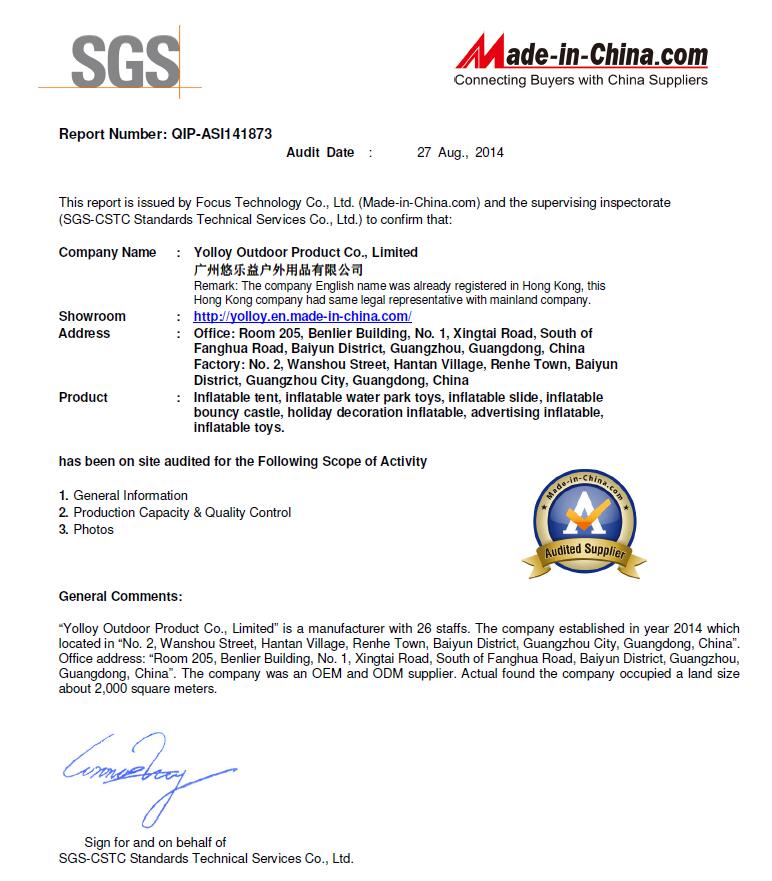
like Yolloy know all too well.
Let's start with the basics. Sleeping pads typically range from 1 inch to 4 inches thick, while inflatable mattresses (especially camping-focused ones) can go up to 10 inches or more. At first glance, 10 inches sounds like a luxury—but is it necessary? For car campers with plenty of storage space, maybe. For backpackers counting every ounce, probably not. The real question is: how does thickness interact with support, and which one should you prioritize?
The Great Thickness Showdown: Sleeping Pad vs. Inflatable Mattress
|
Feature
|
Sleeping Pad
|
Inflatable Mattress
|
|
Typical Thickness Range
|
1–4 inches
|
5–10+ inches
|
|
Support Mechanism
|
Closed-cell foam or air chambers with baffles
|
Multi-layer air chambers, often with internal coils or foam
|
|
Pressure Relief
|
Good for light to moderate pressure; better with thicker foam
|
Excellent for heavy pressure; thicker models mimic home mattresses
|
|
Portability
|
Ultra-light (12–36 oz); packs to the size of a water bottle
|
Heavier (2–10 lbs); bulkier when deflated
|
|
Best For
|
Backpacking, solo camping, minimalists
|
Car camping, family trips, glamping
|
*Data based on average consumer reports and product specifications from leading outdoor gear brands.
Beyond Thickness: How Material Makes or Breaks Support
Thickness is just one piece of the puzzle. The materials used in your sleeping gear play an equally vital role in support—and durability. Let's take a cue from
inflatable mattress manufacturers
like Yolloy, who prioritize quality materials to ensure their products stand up to the elements. For example, Yolloy's outdoor products, including their popular
inflatable camping tent
line, use waterproof and fire-resistant PVC tarpaulin that meets EN71 safety standards. When it comes to sleeping surfaces, similar attention to material science can make all the difference.
Sleeping Pad Materials
Most sleeping pads are made of closed-cell foam or inflatable air chambers. Closed-cell foam pads are lightweight and durable, but their support relies on the density of the foam rather than thickness. A 2-inch high-density foam pad might offer better support than a 3-inch low-density one. Inflatable sleeping pads, on the other hand, use air chambers with baffles to prevent air from shifting, creating a more consistent surface. Brands like Therm-a-Rest use proprietary materials like Triangular Core Matrix™ to enhance support without adding bulk.
Inflatable Mattress Materials
Inflatable mattresses for camping often step up the material game. Yolloy, for instance, uses
eco-friendly TPU material
in their water products—non-toxic, odorless, and hydrolysis-resistant. While TPU is more common in (water sports) gear, the same principles apply to inflatable mattresses: better materials mean better air retention, durability, and support. Many high-end models also add a layer of memory foam or polyester batting on top, combining the plushness of thickness with the contouring of foam.
Here's a real-world example: Yolloy's
clear inflatable bubble tent
isn't just a showstopper for stargazing—it's paired with inflatable sleeping solutions designed for comfort. Imagine lying inside that transparent bubble, the night sky above, and your body supported by a 7-inch inflatable mattress made with TPU material. The thickness (7 inches) combined with the material's elasticity ensures you don't sink too much, keeping your spine aligned while you sleep.
Choosing the Right Thickness for Your Adventure
There's no one-size-fits-all answer to the thickness question—it depends entirely on your camping style. Let's break down common scenarios to help you decide:
Scenario 1: Backpacking Through the Rockies
You're carrying a 40-liter pack, hiking 10 miles a day, and every ounce counts. A 10-inch inflatable mattress is out of the question—you need something that weighs less than a pound and packs small. A 2–3 inch inflatable sleeping pad with closed-cell foam insulation is your best bet. Look for models with vertical baffles to prevent air from shifting, like the ones used in Yolloy's lightweight camping gear. The key here is balance: enough thickness to cushion against rocks, but not so much that it adds bulk.
Scenario 2: Family Glamping in a National Park
You're driving to the campsite, towing a trailer with all the comforts of home. Space and weight aren't issues—you want luxury. A 8–10 inch inflatable mattress with built-in pump (yes, Yolloy offers custom inflatable products with such features!) will feel like your bed at home. Thickness here equals comfort, and with materials like waterproof PVC (tested to EN71 safety standards), you won't have to worry about accidental spills or punctures.
Scenario 3: Winter Camping in the Snow
When temperatures drop below freezing, thickness isn't just about support—it's about insulation. A thin sleeping pad might let cold seep in from the ground, even if it's supportive. Here, a 4-inch inflatable pad with thermal reflective layers or a 6-inch inflatable mattress with foam insulation is better. Yolloy's
best inflatable tent
for winter, the inflatable snow globe tent, pairs perfectly with a thicker inflatable mattress. The tent's snow-resistant design keeps you warm, while the mattress's thickness traps body heat, ensuring you stay cozy all night.
Scenario 4: Beach Camping with Friends
Sand is soft, but uneven—you don't want to wake up with a crick in your neck. A medium-thickness inflatable mattress (5–6 inches) offers the right balance: enough to smooth out the sand's bumps without being too heavy to carry from the car. Yolloy's inflatable beach tent line even includes storage pockets for your mattress pump, making setup a breeze.
Why Trust Yolloy for Your Inflatable Sleep Solutions?
When it comes to inflatable products, not all manufacturers are created equal. Yolloy stands out for three reasons that directly impact the support and quality of their sleeping pads and mattresses:
1. Material Excellence
From waterproof fire-resistant PVC to eco-friendly TPU, Yolloy's materials are chosen for durability and safety. Their inflatable mattresses undergo rigorous testing—stretching, puncture resistance, and pressure retention—to ensure they maintain support even after repeated use. When you buy from
inflatable mattress manufacturers
like Yolloy, you're getting products that meet international safety standards, so you can sleep soundly (literally) knowing your gear is built to last.
2. Customization Options
Need a 5-inch inflatable mattress with a specific valve type? Or a sleeping pad that matches the dimensions of your
inflatable camping tent
? Yolloy's design team works with you to create custom solutions. They'll send 3D mockups, adjust thickness and materials based on your needs, and ensure the final product fits your adventure perfectly. It's like having a tailor for your camping gear!
3. Unmatched Service
Ever had a question about your inflatable mattress at 2 AM before a trip? Yolloy's customer service team responds to emails within 24 hours, walking you through setup, repair, or replacement. With a 95% on-time delivery rate, you can trust that your gear will arrive when you need it—no last-minute panic.
FAQ: Thickness, Support, and Everything In Between
Is a thicker inflatable mattress always more supportive?
Not necessarily. A 5-inch mattress with high-quality TPU material and internal coils can be more supportive than a 10-inch mattress made with cheap plastic. It's the combination of thickness, material, and design that matters most.
Can I use a sleeping pad and inflatable mattress together?
Absolutely! Many campers layer a thin sleeping pad (for insulation) under an inflatable mattress (for support) in cold weather. Just make sure the total thickness doesn't make you too tall for your tent—Yolloy's
inflatable camping tent
models have plenty of headroom for this setup.
How do I prevent my inflatable mattress from losing air overnight?
Start with high-quality materials (like Yolloy's airtight PVC and TPU) and check for punctures before each use. Inflate the mattress fully, then top it off after 10 minutes—air expands when heated, so this prevents over-deflation as temperatures drop at night.
The Verdict: Thickness Matters, But So Does Smart Design
At the end of the day, the "better" support between a sleeping pad and inflatable mattress depends on thickness, material, and your specific needs. A 3-inch sleeping pad might be perfect for a backpacker, while a 8-inch inflatable mattress is ideal for a family glamping trip. What unites them is the importance of choosing a reputable brand—one that prioritizes quality materials, safety, and customization.
Yolloy, with its range of
best inflatable tent
options, custom inflatable mattresses, and commitment to customer service, embodies this philosophy. Whether you're staring at the stars in a clear inflatable bubble tent or hiking through mountains with a lightweight sleeping pad, their products are designed to support you—literally and figuratively—every step of the way.
So, next time you're gearing up for an adventure, ask yourself: What's my priority? Weight? Comfort? Insulation? Then, let thickness be your guide—but never forget to pair it with quality. Your back (and your camping memories) will thank you.